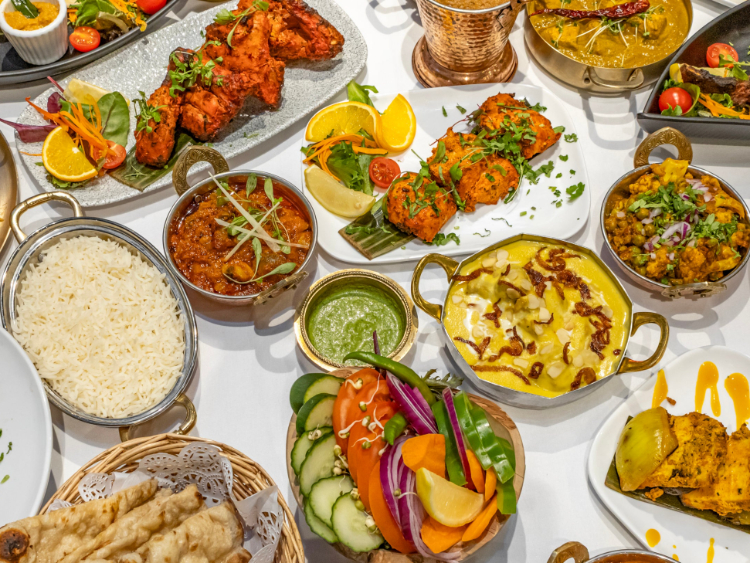
Chelsea is one of Manhattan’s most exciting neighborhoods for food, culture, and exploration. From the High Line and Chelsea Market to its galleries, boutiques, hotels, and busy restaurant streets, there’s always something happening here. For Indian food lovers, Chelsea offers another reason to explore the neighborhood: a growing selection of restaurants serving everything from traditional North Indian curries and tandoori specialties to Indian street food, vegetarian dishes, and contemporary interpretations of classic flavors.
Whether you’re a local searching for the best Indian restaurants in Chelsea, a tourist looking for a memorable meal after walking the High Line, or a vegetarian trying to find authentic Indian cuisine in Manhattan, this neighborhood offers plenty of options worth discovering.
Chelsea’s Indian food scene may not be as concentrated as some of New York City’s larger Indian dining destinations, but that’s part of its appeal. You can find casual neighborhood restaurants, affordable Indian takeout, street-food-style meals, and more sophisticated dining experiences—all within or close to one of Manhattan’s most walkable neighborhoods.
In this guide, we’ll explore the best Indian restaurants in Chelsea, NYC, what each restaurant is known for, dishes worth ordering, vegetarian and vegan options, budget-friendly choices, Indian fine dining, takeout and delivery, and practical tips for finding authentic Indian food. We’ll also look at nearby restaurants that are just outside Chelsea’s traditional boundaries but are useful choices for anyone dining in or around the neighborhood.
Whether you’re craving biryani, butter chicken, dosa, samosas, paneer, naan, or something completely new, consider this your local guide to discovering the best Indian food Chelsea has to offer.
Why Chelsea Is a Great Destination for Indian Food
Chelsea has a reputation for art galleries, the High Line, Chelsea Market, historic architecture, and an ever-changing restaurant scene. But spend enough time around the neighborhood and you’ll notice another reason food lovers keep coming back: Chelsea is a convenient place to explore Indian cuisine in Manhattan.
The neighborhood’s Indian dining scene is relatively compact compared with some of New York City’s larger South Asian food destinations. Current listings specifically categorize three restaurants in Chelsea—aRoqa, Swagat Indian Restaurant, and Dil E Punjabi Deli—which means a useful local guide needs to look at the immediate surrounding area as well as restaurants located strictly within the neighborhood.
That smaller footprint isn’t necessarily a disadvantage. In fact, it can make exploring Indian food in Chelsea more interesting. Instead of navigating an enormous restaurant district, you can build an afternoon or evening around a handful of distinctive experiences: contemporary Indian small plates, traditional North Indian comfort food, vegetarian meals, Indian street food, and convenient options near Penn Station and Hudson Yards.
A Diverse Manhattan Neighborhood With a Strong Food Culture
Chelsea is one of those Manhattan neighborhoods where you can spend an entire day without running out of things to see or eat.
The High Line attracts visitors from around the world, Chelsea Market brings together food vendors and independent businesses, and the surrounding streets are filled with galleries, cafés, bars, hotels, and restaurants.
That diversity creates a natural environment for Indian cuisine.
Indian food fits particularly well into Chelsea because it can serve almost every type of diner. Someone looking for a quick lunch can grab a casual Indian meal. A couple can sit down for a more sophisticated dinner. A family can share curries, rice, naan, and tandoori dishes. Vegetarians and vegans can build an entire meal around lentils, chickpeas, vegetables, rice, and other plant-based foods.
And for visitors, Indian food can be an easy addition to a sightseeing itinerary rather than requiring a separate trip across Manhattan.
Indian Food Near the High Line and Chelsea Market
Location is one of Chelsea’s biggest advantages.
aRoqa, at 206 9th Avenue, is just a short walk from Chelsea Market and the High Line. OpenTable currently describes it as a contemporary Indian restaurant specializing in small plates designed for sharing, with an elevated approach that combines Indian flavors with global influences.
That makes aRoqa particularly useful for travelers who want to turn dinner into part of their Chelsea experience.
If you’re looking for something faster, Chote Miya at Chelsea Market offers another approach. Its location inside the market makes it convenient for diners who want Indian street food, rolls, biryani, kebabs, or other casual dishes without committing to a lengthy restaurant meal.
Chote Miya
The result is a neighborhood where you can walk the High Line, explore Chelsea Market, and experience Indian food without having to leave the area.
Traditional Indian Cuisine Meets Contemporary Dining
One of the most interesting things about Indian restaurants in Chelsea is the contrast between traditional and contemporary cooking.
On one side, you have restaurants such as Swagat, which describes its food as classic North Indian cuisine, including tandoori specialties, aromatic curries, and vegetarian dishes. Its current website also emphasizes dine-in, takeout, and catering.
AANGARA INDIAN CUISINE 2
On the other side, aRoqa takes a more modern approach. Rather than presenting Indian food solely through large curry entrées, it uses smaller plates and creative presentations that encourage diners to sample multiple dishes.
Neither approach is inherently more “authentic” than the other.
Traditional Indian cuisine has always been diverse and adaptable, while contemporary Indian chefs are increasingly using modern techniques to present regional flavors in new ways.
For visitors, that means Chelsea can introduce you to both sides of Indian dining.
A Neighborhood for Every Type of Diner
One of the strongest reasons to explore Indian restaurants in Chelsea NYC is the range of dining situations they can accommodate.
For tourists: Indian restaurants near the High Line and Chelsea Market can easily fit into a sightseeing day.
For office workers: Casual restaurants around 29th Street and the surrounding avenues can provide convenient lunch options.
For vegetarians: Indian cuisine offers naturally vegetarian dishes based on lentils, chickpeas, vegetables, paneer, rice, and fermented batters.
For vegans: There are many potentially plant-based dishes, although diners should confirm whether ghee, butter, yogurt, cream, or other dairy ingredients are used.
For budget diners: Indian street food, casual restaurants, and vegetarian dishes can provide substantial meals without the price of upscale Manhattan dining.
For couples: Contemporary Indian restaurants such as aRoqa offer a more polished setting.
For travelers near Penn Station: The northern edge of Chelsea and nearby Midtown provide additional Indian choices within a short trip.
This flexibility is what makes the neighborhood useful for food exploration.
Authentic Indian Flavors in Chelsea
Authenticity is another reason to look beyond the most familiar dishes.
Indian cuisine isn’t defined by one universal flavor profile. Regional cooking traditions can differ dramatically, from Punjabi and North Indian tandoori dishes to South Indian dosa and fermented foods, Mughlai preparations, coastal seafood, Gujarati vegetarian cuisine, and Indian street food.
A good Indian meal should therefore give you opportunities to explore different combinations of spices, textures, cooking methods, and ingredients.
You don’t necessarily have to order the spiciest item on the menu.
In fact, spice and heat aren’t the same thing. Cumin, coriander, cardamom, cinnamon, cloves, turmeric, fenugreek, mustard seeds, ginger, garlic, and other spices can create tremendous complexity without making a dish overwhelmingly hot.
That’s worth remembering if you’re a first-time Indian diner.
Why Chelsea Works for Indian Takeout
Chelsea’s location also makes Indian takeout particularly practical.
Curries, biryani, dal, rice, and many vegetarian dishes generally travel well. That makes Indian food a convenient choice for hotel guests, office lunches, apartment dinners, and travelers who don’t want another formal restaurant meal.
Swagat currently offers takeout and catering, while its menu includes classic North Indian dishes and vegetarian and vegan options.
For visitors staying around Chelsea, this means you don’t always have to schedule an elaborate dinner. Sometimes the best Indian meal is simply a box of biryani, curry, rice, and naan enjoyed after a long day of exploring Manhattan.
Chelsea Is Small—But Its Indian Food Radius Is Bigger
There is one important distinction to make when searching for the best Indian restaurants in Chelsea.
Chelsea’s strict restaurant listings are relatively limited. Tripadvisor currently shows only three Indian restaurants under its Chelsea category.
But search results for Indian restaurants in Chelsea also surface restaurants in nearby neighborhoods such as Hell’s Kitchen, Midtown, NoMad, Flatiron, and Tribeca. OpenTable’s current Chelsea Indian-restaurant search, for example, includes restaurants outside the neighborhood itself.
That’s why a genuinely useful local guide should distinguish between Indian restaurants inside Chelsea and nearby Indian restaurants worth considering when you’re staying, working, or sightseeing in Chelsea.
This guide will do exactly that.
Rather than pretending every restaurant is located within Chelsea’s boundaries, we’ll identify the strongest options for the broader Chelsea dining experience and explain why each one may be worth your time.
Ultimately, that’s what makes exploring authentic Indian food in Chelsea, NYC worthwhile. You can start with a traditional curry, discover Indian street food at Chelsea Market, try contemporary small plates near the High Line, or expand slightly north and east for even more regional Indian cooking.
Chelsea may not be New York City’s biggest Indian-food neighborhood—but for a visitor who wants to combine great Indian food with one of Manhattan’s most walkable and culturally interesting areas, it’s an excellent place to begin.
Best Indian Restaurants in Chelsea, NYC
Chelsea’s Indian restaurant scene is relatively compact, but the restaurants that stand out offer noticeably different experiences. For this guide, the focus is not simply on collecting ten names. Instead, the goal is to help you choose the right restaurant based on food style, atmosphere, budget, location, and occasion.
Because restaurant boundaries around Chelsea can overlap with Midtown, Hudson Yards, and NoMad, the recommendations below distinguish between restaurants located in Chelsea and nearby options that make sense for someone staying, working, or sightseeing in the neighborhood.
aRoqa
aRoqa is one of the most distinctive choices for Indian food in Chelsea. Located at 206 9th Avenue, it is especially convenient for visitors exploring Chelsea Market, the High Line, and the surrounding West Side. Rather than following a traditional curry-house format, the restaurant presents Indian cuisine through contemporary small plates designed to be shared. Current listings place it in the higher-priced category, making it more suitable for a leisurely dinner, date night, celebration, or special occasion than a quick lunch.
What makes aRoqa interesting is its combination of Indian flavors and modern presentation. Instead of ordering only one large entrée, diners can sample several dishes and experience different textures and spice profiles during the same meal. Popular choices can include contemporary Indian appetizers, kebabs, curries, vegetarian preparations, and desserts. Expect approximately $50–$100 per person, depending on how much you order and whether you add cocktails or other drinks.
Known for: Contemporary Indian cuisine and shareable plates
Popular dishes: Indian small plates, kebabs, curries, vegetarian preparations
Approximate cost: $50–$100 per person
Neighborhood: Chelsea, near the High Line and Chelsea Market
AANGARA INDIAN CUISINE 2
At 205 W 29th Street, the current business listing is AANGARA INDIAN CUISINE 2, while the address has also been associated online with Swagat Indian Restaurant. This is an important example of why checking current restaurant information before visiting is worthwhile. The location is convenient for diners on the northern side of Chelsea, particularly office workers and travelers moving between Chelsea, Penn Station, and Midtown.
The restaurant is positioned in the casual-to-moderate price range, making it a useful choice when you’re looking for familiar Indian comfort food rather than an elaborate fine-dining experience. Expect approximately $20–$30 per person for a typical meal. Depending on the current menu, diners can look for North Indian favorites, vegetarian dishes, curries, rice, and Indian breads. Because restaurant concepts can change, confirm the current menu and restaurant name before making a special trip.
Known for: Casual Indian dining and North Indian favorites
Popular dishes: Curries, tandoori dishes, vegetarian preparations, naan and rice
Approximate cost: $20–$30 per person
Neighborhood: Chelsea, around West 29th Street
Dil E Punjabi Deli
If you’re looking for a casual and affordable way to experience Indian food in Chelsea, Dil E Punjabi Deli is worth considering. Located on 9th Avenue, the deli has a much more informal character than an upscale restaurant, making it particularly useful for quick lunches, casual meals, and takeout.
The restaurant is especially relevant for vegetarian diners. Current travel listings identify Dil E Punjabi Deli as a vegetarian Indian restaurant with vegan-friendly choices. Its Punjabi-inspired approach also gives diners an opportunity to explore hearty vegetarian food rather than relying exclusively on meat-based curries. Budget around $10–$20 per person, depending on your order.
Known for: Vegetarian Punjabi-style Indian food
Popular dishes: Vegetarian curries, lentil dishes, Punjabi specialties
Approximate cost: $10–$20 per person
Neighborhood: West Chelsea / 9th Avenue
Chote Miya
Chote Miya is one of the easiest Indian restaurants to recommend to tourists because of its location inside Chelsea Market at 75 9th Avenue. The restaurant focuses on Indian street food and casual dishes, making it ideal when you want to eat Indian food without committing to a lengthy sit-down dinner.
The menu includes familiar favorites such as samosas, chaat, kathi rolls, kebabs, biryani, curries, and other Indian street-food preparations. Current menu pricing includes several dishes in the $8–$15 range, making it one of the better options for budget-conscious diners. It is particularly convenient after exploring Chelsea Market or while building a High Line sightseeing itinerary.
Known for: Indian street food and grab-and-go dining
Popular dishes: Samosas, chaat, kathi rolls, biryani, kebabs
Approximate cost: $10–$20 per person
Neighborhood: Chelsea Market, 75 9th Avenue
Official website: Chote Miya
Desi Flavors Deli
Desi flavors Deli at 165 9th Avenue offers another casual option for diners searching for affordable Indian food in Chelsea. The restaurant’s deli-style format makes it particularly suitable for people who want a quick meal rather than a long restaurant experience.
At approximately $10–$20 per person, it can work well for budget-conscious travelers, office workers, and locals looking for a convenient Indian lunch. Takeout and delivery are also useful when you’re staying nearby or simply don’t want to spend extra time at a sit-down restaurant. The atmosphere is straightforward and casual, so the main reason to visit is convenience and accessible Indian food rather than an elaborate dining room.
Known for: Casual Indian meals and convenience
Popular dishes: Indian curries, rice dishes, vegetarian preparations
Approximate cost: $10–$20 per person
Neighborhood: West Chelsea / 9th Avenue
AMMI
AMMI is located at 25 11th Avenue in a kiosk-style setting, making it particularly convenient for people exploring the western side of Chelsea and the Hudson Yards area. Its location gives it a different role from restaurants deeper inside Chelsea: it’s a practical stop when you’re already near the Hudson River, Hudson Yards, or the northern sections of the High Line.
The restaurant sits in the $10–$20 per-person range, so it is more appropriate for casual dining than a special-occasion dinner. Its format can be especially useful when you want something quick and flavorful without making a large commitment of time or money. For tourists, AMMI is best considered a convenient nearby Indian option rather than a destination fine-dining restaurant.
Known for: Casual Indian food in the Hudson Yards/West Chelsea area
Popular dishes: Indian casual meals, rice dishes, curries
Approximate cost: $10–$20 per person
Neighborhood: West Chelsea / Hudson Yards
Patiala Indian Grill
Patiala Indian Grill at 371 W 34th Street is particularly useful for travelers exploring the northern edge of Chelsea, Penn Station, and Hudson Yards. Although its location sits close to the boundary between Chelsea and Midtown, it is a practical choice for anyone searching for Indian food around Chelsea’s northern side.
The restaurant offers a broad menu that includes vegetarian and vegan choices alongside chicken, seafood, lamb, mutton, biryani, naan, and tandoori preparations. Its price range is approximately $20–$30 per person, making it suitable for casual lunch or dinner. Travelers arriving or departing through Penn Station may find its location particularly convenient.
Known for: Broad Indian menu and convenient Midtown/Chelsea location
Popular dishes: Biryani, tandoori dishes, curries, naan, vegetarian entrées
Approximate cost: $20–$30 per person
Neighborhood: Northern Chelsea / Penn Station area
Official website: Patiala Indian Grill
Patiala Indian Grill & Bar
The second Patiala location at 240 W 35th Street provides another nearby option for diners moving between Chelsea, Penn Station, and Midtown. Its slightly more extensive bar-oriented setting makes it useful for an evening meal when you want Indian food in a relaxed restaurant environment.
The menu covers many of the familiar Indian categories diners expect, including appetizers, tandoori preparations, curries, biryani, vegetarian dishes, breads, and desserts. Because the current price range is broader—approximately $30–$90 per person—your final bill will depend heavily on whether you’re having a simple meal or adding multiple courses and drinks.
Known for: Indian dining with a bar-oriented atmosphere
Popular dishes: Curries, biryani, tandoori dishes, naan
Approximate cost: $30–$90 per person
Neighborhood: Midtown/Chelsea border near Penn Station
Official website: Patiala Indian Grill
Indian Biryani House & Mamun Halal Food
For diners specifically searching for affordable biryani near Chelsea, Indian Biryani House & Mamun Halal Food at 385 7th Avenue is another nearby option worth knowing about.
This is a casual, budget-oriented choice rather than a destination restaurant. Its appeal is primarily convenience, price, and the opportunity to get a filling rice-based meal. Biryani is naturally suited to this kind of dining because it combines fragrant rice, spices, and protein or vegetables into one substantial dish.
Expect a budget of approximately $10–$20 per person, depending on the current menu and order. Its location near the Penn Station/Garment District side of Manhattan makes it particularly useful for commuters, travelers, and anyone who wants a quick Indian meal without a formal dining experience.
Known for: Affordable biryani and casual Indian/South Asian food
Popular dishes: Biryani, rice dishes, halal preparations
Approximate cost: $10–$20 per person
Neighborhood: Near Penn Station / Garment District
A Nearby South Indian Option
Chelsea’s strict Indian restaurant selection is relatively concentrated around North Indian, Punjabi, contemporary, and street-food styles. If you’re specifically craving South Indian food, it can be worth expanding your search slightly beyond the neighborhood.
South Indian cuisine offers a completely different experience, with dishes such as dosa, idli, vada, sambar, uttapam, and coconut chutney. Dosa in particular is an excellent choice for vegetarian diners because the traditional batter is made primarily from fermented rice and lentils.
This is one situation where a short subway ride or walk beyond Chelsea can dramatically expand your choices. Rather than choosing a restaurant simply because it has “Indian” in its name, look for a restaurant specializing in the specific regional cuisine you’re craving.
Known for: South Indian specialties
Popular dishes: Masala dosa, idli, vada, sambar, uttapam
Approximate cost: Usually $15–$30 for a casual meal
Neighborhood: Nearby Manhattan neighborhoods outside strict Chelsea boundaries
Choosing the Right Restaurant
There isn’t one restaurant that is automatically the best choice for every diner.
If you want contemporary Indian cuisine, start with aRoqa.
If you want traditional and casual Indian food, consider the 29th Street option currently listed as AANGARA INDIAN CUISINE 2.
If you’re looking for vegetarian Punjabi food, Dil E Punjabi Deli is worth considering.
If you want Indian street food, Chote Miya is one of the most convenient options because it’s inside Chelsea Market.
If you’re trying to keep your meal affordable, look toward the casual delis and street-food options.
And if you’re traveling through Penn Station or Hudson Yards, the Patiala locations provide convenient nearby choices.
The most important thing is to match the restaurant with the experience you’re actually looking for. Chelsea’s Indian food scene may be smaller than some other parts of New York City, but that variety makes it possible to find something for almost every appetite and occasion.
Where Locals Eat Indian Food in Chelsea
One of the best ways to discover Indian food in Chelsea is to think less like a tourist searching for a single “top-rated” restaurant and more like a local deciding what kind of meal fits the day. Chelsea’s Indian dining scene is spread across several streets and edges of the neighborhood, so the best choice can depend on whether you’re looking for a quick lunch, vegetarian comfort food, street food, takeout, or a relaxed dinner.
The neighborhood’s strongest Indian-food corridors are concentrated around 9th Avenue, 29th Street, the High Line, Chelsea Market, and the northern edge toward Penn Station and Hudson Yards. Each area offers a slightly different dining experience.
Indian Food Around 9th Avenue
If you want to explore Indian food while staying firmly within the heart of Chelsea, 9th Avenue is one of the most useful streets to know.
This corridor connects several of the neighborhood’s major attractions and dining destinations. It also puts you close to Chelsea Market and the High Line, making it convenient for both locals and visitors.
aRoqa is located at 206 9th Avenue and offers a contemporary interpretation of Indian cuisine. Its small-plate approach makes it particularly suitable when you’re meeting friends or looking for a dinner where everyone can share several dishes.
Further along the same general corridor, Dil E Punjabi Deli offers a much more casual experience. Its vegetarian focus makes it particularly useful for diners looking for affordable plant-based Indian food.
Desi flavors Deli at 165 9th Avenue is another casual option for people who prioritize convenience and value.
The important difference between these restaurants is that they serve different purposes.
For a special dinner: aRoqa
For vegetarian casual food: Dil E Punjabi Deli
For a quick inexpensive meal: Desi flavors Deli
That variety is one reason 9th Avenue is such a practical starting point for an Indian-food search.
Indian Food Near Chelsea Market
Chelsea Market is one of the easiest places for visitors to incorporate Indian food into a day of sightseeing.
Rather than making a separate restaurant reservation, you can explore the market and stop at Chote Miya for Indian street food. Its menu includes samosas, chaat, kathi rolls, biryani, kebabs, curries, and other casual preparations. The restaurant’s official menu currently lists several affordable dishes, making it particularly useful for travelers and budget-conscious diners.
The food-hall environment also makes Chote Miya practical for groups.
Imagine one person wants Indian food while another wants pizza, seafood, or dessert. Chelsea Market allows everyone to choose something different and still eat together.
For tourists, this is one of the biggest advantages of Indian street food in Chelsea.
You don’t need to dedicate an entire evening to the meal.
Indian Food Near the High Line
The High Line changes the way many visitors experience Chelsea.
Instead of treating the neighborhood as a collection of restaurant addresses, you can build your food plans around your walking route.
If you’re exploring the southern portion of the High Line, the restaurants around 9th Avenue and Chelsea Market are particularly convenient.
If you’re walking north toward Hudson Yards, nearby Indian restaurants become more relevant.
For a relaxed evening, aRoqa can be paired naturally with a High Line visit. For something faster, Chote Miya works better.
This is also where timing matters.
If you’re planning dinner after sunset, remember that popular Chelsea restaurants can become busy, particularly toward the end of the week. A casual food-hall meal offers more flexibility, while a full-service restaurant is better approached with a reservation or at least some advance planning.
Indian Food Around 29th Street
The area around West 29th Street is useful for diners who want traditional Indian food rather than a contemporary small-plate experience.
The restaurant currently listed as AANGARA INDIAN CUISINE 2 at 205 W 29th Street is positioned in the casual price range and is convenient for office workers, hotel guests, and people moving between Chelsea and Midtown.
This part of Chelsea can be particularly useful at lunchtime.
If you’re working nearby or spending the morning sightseeing, a traditional Indian lunch can be more substantial than a quick sandwich or salad without requiring a long, expensive dinner.
Look for familiar North Indian preparations such as curries, tandoori dishes, vegetarian specialties, rice, and naan, while checking the current menu before visiting because restaurant concepts and menus can change.
Indian Food Near Penn Station
Move north toward 34th and 35th Streets, and you’ll reach an area where Chelsea blends into Midtown and the Penn Station district.
This is particularly useful for travelers.
If you’ve just arrived in New York by train, are staying near Penn Station, or are heading toward Hudson Yards, you may not want to travel across Manhattan just to find Indian food.
Patiala Indian Grill at 371 W 34th Street is one nearby option, with a menu that covers vegetarian and vegan dishes, curries, tandoori preparations, biryani, breads, and other Indian favorites.
The second Patiala location at 240 W 35th Street offers another convenient option for diners in the area.
These restaurants are particularly useful when location and convenience are just as important as cuisine.
Indian Food Near Hudson Yards
The western side of Chelsea and the Hudson Yards area have changed considerably in recent years, with new residential, commercial, and entertainment developments attracting visitors throughout the day.
AMMI at 25 11th Avenue is one of the nearby casual Indian options in this area.
Its kiosk-style format and $10–$20 approximate price range make it more suitable for a quick meal than a long evening experience.
This can be useful if you’re exploring Hudson Yards, walking the northern end of the High Line, or simply looking for something inexpensive nearby.
Hidden Indian Food Gems Around Chelsea
Some of the most useful Indian restaurants aren’t necessarily the ones visitors see repeatedly in major food guides.
Small delis and casual restaurants can provide a more practical experience for people who live or work in the neighborhood.
These restaurants often focus on the things locals actually need:
- Quick service
- Affordable meals
- Takeout
- Delivery
- Filling portions
- Vegetarian choices
- Familiar everyday dishes
That doesn’t necessarily mean the food is less interesting.
In fact, Indian cuisine is particularly well suited to casual dining because many traditional dishes were developed as everyday meals rather than special-occasion food.
Dal, chana masala, rice, roti, vegetable curries, biryani, and street foods can all make satisfying everyday meals.
What Locals Order
If you’re unsure what to order, don’t feel pressured to choose the most complicated dish on the menu.
Some of the most reliable choices for exploring Indian food in Chelsea include:
Chicken tikka: Great for experiencing tandoor cooking without ordering a heavy curry.
Butter chicken: Creamy, tomato-based, and approachable for first-time diners.
Biryani: Fragrant rice combined with spices and meat or vegetables.
Dal: A comforting lentil dish that works particularly well with naan or rice.
Chana masala: Chickpeas cooked with tomatoes, onions, and spices.
Paneer: A vegetarian-friendly Indian cheese available in several preparations.
Garlic naan: A simple accompaniment that pairs well with rich curries.
Samosas: One of the easiest Indian appetizers for first-time diners.
Chaat: A more adventurous choice combining sweet, tangy, spicy, crunchy, and creamy flavors.
When Locals Choose Indian Food
Indian food isn’t just a dinner option in Chelsea.
A weekday office worker may choose a quick curry and rice lunch.
A tourist may grab a kathi roll at Chelsea Market.
A couple may reserve a table for contemporary Indian food.
A vegetarian may pick a Punjabi deli.
A family may order several dishes to share.
A hotel guest may order biryani and curry for delivery.
That flexibility is perhaps the biggest strength of Chelsea’s Indian restaurant scene.
The Local Approach to Choosing an Indian Restaurant
If you want to eat like someone who knows the neighborhood, start with the type of experience, not the restaurant name.
Ask yourself:
Do I need something fast?
Choose a deli, food-hall counter, or casual restaurant.
Do I want traditional Indian food?
Look toward the 29th Street and established casual restaurant options.
Am I near Chelsea Market?
Chote Miya is an easy street-food choice.
Am I walking the High Line?
Look around 9th Avenue and the nearby west-side streets.
Am I near Penn Station?
Consider the Patiala restaurants and other nearby Midtown options.
Do I want a special dinner?
aRoqa is the stronger contemporary choice.
The result is a much more useful way to explore the best Indian restaurants in Chelsea, NYC.
Instead of searching for one restaurant that supposedly does everything perfectly, you can choose the restaurant that fits your schedule, budget, location, and appetite.
And that’s how locals tend to experience a neighborhood food scene: not as a ranking carved in stone, but as a collection of places that work for different moments.
Must-Try Indian Dishes in Chelsea
One of the easiest ways to enjoy the best Indian food in Chelsea is to stop thinking in terms of individual restaurants and start thinking about dishes. Indian cuisine is incredibly diverse, and two restaurants can serve completely different versions of the same classic preparation.
If you’re visiting Chelsea for the first time, you don’t need to order an unfamiliar regional feast. Start with a few classics, then add one or two dishes you’ve never tried before. That approach lets you experience different cooking techniques, textures, spice profiles, and ingredients without ordering more food than you need.
Here are some of the Indian dishes worth putting on your Chelsea food itinerary.
Butter Chicken
Butter chicken is one of the most approachable Indian dishes for first-time diners.
The classic preparation combines tender chicken with a rich tomato-based sauce flavored with spices, butter, and often cream. The result is generally smooth, mildly spiced, and slightly sweet compared with many other Indian curries.
It’s particularly good with garlic naan or basmati rice.
If you’re dining with someone who isn’t familiar with Indian food, butter chicken is often a safe starting point. It also works well as part of a shared meal because its creamy sauce provides a contrast to drier dishes such as tandoori chicken or biryani.
That said, don’t use butter chicken as your only test of an Indian restaurant. It’s popular in the United States, but Indian cuisine extends far beyond creamy North Indian curries.
Chicken Tikka Masala
Chicken tikka masala is another familiar choice for American diners.
It typically features pieces of grilled or tandoor-cooked chicken served in a spiced tomato-based sauce. The chicken brings a smoky quality to the dish, while the sauce adds richness and aromatic spice.
It’s a good choice if you want something between a grilled dish and a traditional curry.
Order it with naan if you enjoy dipping bread into the sauce, or with rice for a more substantial meal.
For first-time diners, chicken tikka masala can also be a useful introduction to Indian spice blends because the dish can be flavorful without necessarily being extremely hot.
Biryani
If you love rice dishes, biryani should be near the top of your Indian-food list.
Biryani isn’t simply ordinary rice mixed with curry. Properly prepared biryani combines fragrant rice with spices and ingredients such as chicken, lamb, goat, seafood, eggs, or vegetables.
Different regions of India have their own approaches to biryani, and preparation can vary significantly from restaurant to restaurant.
The rice should be aromatic, with spices providing fragrance and depth rather than simply creating heat.
Biryani is also one of the best Indian dishes for takeout. It travels well and can make a satisfying meal by itself, although raita or another cooling accompaniment is often a welcome addition.
When ordering for a group, one large biryani can also serve as the centerpiece of a shared Indian meal.
Tandoori Chicken
For something less sauce-heavy, try tandoori chicken.
Traditionally cooked in a tandoor, the chicken is marinated before being exposed to very high heat. The cooking process creates charred edges, smoky aromas, and tender meat.
Tandoori chicken is particularly useful for understanding how Indian cooking can build flavor without relying on a rich curry sauce.
Look for pieces with visible char and a flavorful marinade.
You can enjoy tandoori chicken with naan, rice, salad, chutney, or other accompaniments.
If you’re trying Indian food for the first time and are worried about heavy sauces, this is an excellent dish to order.
Paneer Tikka
Vegetarian diners should consider paneer tikka.
Paneer is a mild Indian fresh cheese with a firm texture. In paneer tikka, pieces of paneer are generally marinated with spices and other ingredients before being grilled or cooked at high heat.
The result is smoky, savory, and satisfying without relying on meat.
Paneer dishes also demonstrate why Indian vegetarian cuisine deserves more attention. Vegetarian Indian food isn’t simply a collection of side dishes. Paneer, lentils, chickpeas, vegetables, rice, and breads can form a complete and substantial meal.
Masala Dosa
If you want to explore beyond the North Indian dishes commonly found on American menus, look for masala dosa.
Dosa is a thin South Indian crepe traditionally made from a fermented batter of rice and lentils. Masala dosa usually contains a seasoned potato filling and is served with sambar and chutneys.
The contrast is what makes the dish so enjoyable.
The dosa should provide a crisp exterior with a lighter, more delicate interior, while the potato filling adds warmth and spice. Coconut chutney contributes freshness and creaminess, while sambar brings a tangy, lentil-based component.
Dosa is especially appealing to vegetarian diners and anyone looking for something different from curry and naan.
Because South Indian restaurants are less concentrated within Chelsea itself, diners craving dosa may need to venture slightly beyond the neighborhood’s strict boundaries.
Chole Bhature
Chole bhature is a hearty Punjabi combination of spiced chickpea curry and deep-fried bread.
The chickpeas are generally cooked with onions, tomatoes, and spices, while the bhature provides a fluffy, crisp, and indulgent contrast.
This is not necessarily the dish to choose if you’re looking for a light lunch.
It is, however, an excellent option when you’re hungry and want a traditional North Indian comfort-food experience.
Vegetarians will particularly appreciate it because the dish is substantial without requiring meat.
Samosas
Samosas are among the easiest Indian dishes to recommend to almost anyone.
These triangular pastries are typically filled with seasoned potatoes and peas, although meat and other variations are also available.
The appeal is straightforward: crisp pastry on the outside and a flavorful filling inside.
They’re ideal as an appetizer or snack, particularly when you’re exploring Chelsea Market or looking for Indian street food.
Chote Miya at Chelsea Market currently lists Punjabi samosas among its menu offerings, making them a convenient choice for visitors exploring the market.
Samosa Chaat
If ordinary samosas sound familiar, take the experience a step further with samosa chaat.
Instead of serving the samosa alone, chaat preparations typically combine it with ingredients such as chickpeas, chutneys, yogurt, spices, and other toppings.
The result is a combination of flavors and textures that can be sweet, sour, spicy, creamy, crunchy, and savory at the same time.
It’s one of the best dishes for adventurous first-time diners because it demonstrates how Indian cuisine can combine multiple flavor profiles in one plate.
Kathi Rolls
Kathi rolls are another excellent choice when you’re looking for a quick Indian meal.
A roll wraps seasoned fillings in flatbread, creating a portable meal that works particularly well for lunch or takeout.
Depending on the restaurant, fillings can include chicken, paneer, vegetables, kebabs, eggs, or other ingredients.
The format is particularly convenient for Chelsea because so many visitors are moving between attractions rather than sitting down for a two-hour meal.
A kathi roll can be eaten relatively quickly and still provide the flavors of Indian spices, grilled ingredients, chutneys, and fresh vegetables.
Dal Makhani
Indian food isn’t all about meat and rich sauces.
Dal is one of the most important categories of Indian comfort food, and dal makhani is a particularly rich preparation made with lentils and beans.
It is typically slow-cooked and finished with ingredients that give it a creamy, hearty texture.
Dal makhani is excellent with naan, roti, or basmati rice.
For vegetarians, it can be a substantial main dish rather than merely an accompaniment.
It’s also a useful dish to order when sharing a meal because its rich texture contrasts nicely with grilled meats, biryani, and brighter vegetable dishes.
Chana Masala
Chana masala is another vegetarian staple worth ordering.
Made primarily with chickpeas and aromatic spices, it is generally hearty, flavorful, and satisfying without being dependent on dairy.
It can be served with rice, naan, roti, or bhature.
For budget-conscious diners, chickpea-based dishes can also be an excellent value because they’re filling and work well as a complete vegetarian meal.
If you’re ordering several dishes for the table, chana masala adds a different texture and flavor profile to richer meat-based curries.
Naan and Indian Breads
Don’t overlook the bread section of an Indian menu.
Naan is probably the best-known Indian bread among American diners, but it isn’t the only option.
Depending on the restaurant, you may find:
- Garlic naan
- Plain naan
- Butter naan
- Roti
- Tandoori roti
- Paratha
- Stuffed breads
Garlic naan is an easy starting point because its familiar flavor works with almost every curry.
Roti can be a lighter choice, while paratha is generally richer and more layered.
Freshly cooked bread can make a significant difference to the meal, particularly when you’re eating curries with sauces.
Indian Chaat
Chaat is an entire category of Indian street food rather than one specific dish.
It can include ingredients such as potatoes, chickpeas, crispy fried components, chutneys, yogurt, onions, herbs, and spice blends.
The defining characteristic is often contrast.
You might get sweetness from tamarind chutney, acidity from other ingredients, heat from chilies, creaminess from yogurt, and crunch from fried components—all in one bite.
For food lovers, chaat is one of the most exciting ways to explore Indian cuisine.
It’s particularly appropriate for a casual Chelsea food itinerary because street-food-style dishes don’t require a long sit-down meal.
Indian Desserts
After a meal filled with spices, don’t automatically skip dessert.
Indian sweets offer completely different flavors and textures.
Some desserts worth looking for include:
Gulab jamun: Soft fried milk-based dumplings soaked in sweet syrup.
Kulfi: Dense, creamy Indian frozen dessert that is traditionally more concentrated than ordinary ice cream.
Rasmalai: Soft cheese dumplings served in sweetened, flavored milk.
Kheer: A rice-based pudding flavored with milk, sugar, and aromatic ingredients.
Gajar halwa: A warm carrot-based dessert traditionally prepared with milk, sugar, and spices.
Dessert can be especially useful if you’re dining with someone who doesn’t enjoy spicy food. The sweetness provides a completely different ending to the meal.
Indian Drinks Worth Trying
Your drink can also become part of the food experience.
Mango lassi is one of the most accessible choices for first-time diners. It combines yogurt and mango into a creamy, refreshing drink.
Masala chai offers a warm combination of tea, milk, sugar, and aromatic spices.
You may also find salted lassi, sweet lassi, fresh lime drinks, or contemporary Indian-inspired cocktails at upscale restaurants.
If you’re eating particularly spicy food, a cooling yogurt-based drink such as lassi can be a useful accompaniment.
How to Build the Perfect Indian Meal in Chelsea
If you’re overwhelmed by the menu, use a simple formula.
For two people, consider:
- 1 appetizer
- 1 meat or seafood dish
- 1 vegetarian dish
- 1 rice
- 1–2 breads
- 1 drink or dessert
For four people, increase the number of shared dishes rather than ordering four identical entrées.
For example:
Samosas + chicken tikka + dal makhani + paneer + biryani + naan
This gives everyone a chance to taste different aspects of Indian cuisine.
If you’re dining alone, choose a combination plate, biryani, thali, lunch special, or single curry with rice and bread if available.
Don’t Order Everything Familiar
The best way to explore authentic Indian food in Chelsea is to leave room for something unfamiliar.
If you’ve already tried butter chicken, choose biryani next time.
If you’ve had naan, try dosa.
If you normally order meat, add chana masala or dal.
If you’ve never tried Indian street food, order chaat.
Indian cuisine becomes much more interesting once you move beyond the handful of dishes most commonly associated with Indian restaurants in the United States.
Chelsea may be only one neighborhood, but its Indian restaurants can serve as a gateway to the enormous regional diversity of Indian cooking. Whether you’re craving a comforting curry, fragrant biryani, smoky tandoori chicken, crisp dosa, or tangy street food, there’s plenty to explore.
Best Vegetarian and Vegan Indian Food in Chelsea
Indian cuisine is one of the easiest cuisines in New York City for vegetarian diners to explore. Across the best Indian restaurants in Chelsea, you’ll find lentils, chickpeas, vegetables, paneer, rice, breads, chutneys, and spice-rich preparations that can form a complete meal without meat.
For vegan diners, the choices can be equally interesting, but there is one important difference: vegetarian does not automatically mean vegan. Indian cooking frequently uses ghee, butter, cream, yogurt, and paneer, so anyone following a strict vegan diet should always confirm ingredients before ordering.
Chelsea is also a useful neighborhood for plant-based diners because you can choose between traditional Indian comfort food, vegetarian-focused casual restaurants, Indian street food, and contemporary dining.
Why Indian Cuisine Is Excellent for Vegetarian Diners
Vegetarian food isn’t simply a collection of side dishes in Indian cuisine.
Many Indian culinary traditions have developed extensive vegetarian menus where lentils, beans, vegetables, grains, dairy, herbs, and spices are treated as central ingredients.
That means a vegetarian diner can enjoy a meal built around several substantial dishes rather than ordering a meat entrée and asking for substitutions.
Some of the most useful dishes to look for include:
- Dal makhani
- Chana masala
- Aloo gobi
- Baingan bharta
- Palak paneer
- Paneer tikka
- Vegetable biryani
- Vegetable korma
- Masala dosa
- Chole bhature
- Samosas
- Indian chaat
The variety also makes Indian food excellent for groups.
A table can order several vegetarian dishes alongside meat or seafood preparations, allowing everyone to share.
Dil E Punjabi Deli for Vegetarian Indian Food
For a casual vegetarian meal in Chelsea, Dil E Punjabi Deli is one of the most relevant options to consider.
Current restaurant listings identify the restaurant as a vegetarian Indian establishment with vegan-friendly choices.
The deli-style setting makes it particularly practical for a quick lunch or inexpensive meal rather than a long sit-down dinner.
Punjabi cuisine is especially rewarding for vegetarian diners because dishes based on chickpeas, lentils, potatoes, spinach, vegetables, and breads can be incredibly hearty.
If you’re looking for something filling without spending $40 or $50 on dinner, a casual vegetarian Indian meal can be one of the best values in the neighborhood.
Vegetarian Choices at Traditional Indian Restaurants
Even restaurants that aren’t vegetarian specialists generally offer extensive meat-free options.
At the traditional North Indian restaurants around Chelsea, look for sections of the menu dedicated to:
Paneer: Indian fresh cheese that can be grilled, curried, or cooked with spinach and other vegetables.
Dal: Lentils prepared with different combinations of spices and aromatics.
Chana: Chickpeas cooked with tomatoes, onions, and spices.
Aloo: Potato-based preparations ranging from simple spiced potatoes to richer curries.
Saag: Leafy greens cooked with spices, sometimes combined with paneer.
Vegetable curries: Mixed vegetables prepared in tomato-based, coconut-based, or other sauces.
Biryani: Vegetable versions can make a complete rice-based meal.
A meal built around two vegetarian curries, rice, and naan can be satisfying even for diners who normally eat meat.
Paneer Is a Vegetarian Favorite
If you’re vegetarian but still eat dairy, paneer is one of the most versatile ingredients to explore.
Paneer has a relatively mild flavor, allowing it to absorb marinades and sauces while maintaining its firm texture.
Popular preparations include:
- Paneer tikka
- Palak paneer
- Paneer butter masala
- Kadai paneer
- Matar paneer
- Paneer curry
Paneer tikka is particularly useful if you want something grilled rather than saucy.
Palak paneer is another classic, combining paneer with a spinach-based preparation.
Remember that paneer is dairy, so it isn’t suitable for vegans.
Vegan Indian Food in Chelsea
Finding vegan Indian food can be relatively straightforward if you know what ingredients to watch.
Naturally vegan-friendly dishes may include:
- Chana masala
- Some dal preparations
- Aloo gobi
- Baingan bharta
- Vegetable biryani
- Certain vegetable curries
- Some South Indian dishes
- Samosas, depending on preparation
But don’t assume a dish is vegan simply because it contains vegetables.
A curry may contain butter or cream. Rice may be cooked with ghee. A bread may contain yogurt or butter.
Always ask.
A simple question such as “Is this prepared without dairy, butter, ghee, cream, or yogurt?” can prevent confusion.
Hidden Dairy Ingredients to Watch
The biggest challenge for vegan diners at Indian restaurants is often hidden dairy.
Here are the ingredients you should know:
Ghee: Clarified butter frequently used for cooking.
Butter: Common in rich North Indian dishes and naan.
Cream: Often added to creamy curries.
Yogurt: Used in marinades, sauces, raita, and some breads.
Paneer: Fresh Indian cheese.
If you’re vegan, don’t just say “vegetarian.”
Clearly state that you avoid dairy.
This distinction is particularly important at restaurants where dishes are prepared individually.
Vegan-Friendly Indian Street Food
Indian street food can provide some excellent plant-based choices, although ingredients should still be confirmed.
Chote Miya at Chelsea Market is particularly relevant because its menu includes Indian street-food classics such as samosas, chaat, rolls, and other casual dishes. Chote Miya
Depending on the preparation, dishes such as vegetable samosas, certain chaat preparations, and chickpea-based dishes may work for vegan diners.
However, yogurt-based toppings, butter, or ghee can appear in seemingly vegetable-focused dishes.
Ask before ordering.
Masala Dosa for Vegetarian Diners
If you’re willing to venture slightly outside Chelsea’s strict Indian restaurant boundaries, South Indian cuisine is an excellent addition to your food itinerary.
Masala dosa is one of the best examples.
The crisp crepe is traditionally made from fermented rice-and-lentil batter and filled with seasoned potatoes. It is usually accompanied by sambar and coconut chutney.
The dish is naturally vegetarian and can often be adapted for vegan diners, although diners should confirm that no ghee or dairy is used.
Dosa also gives vegetarian diners something completely different from the familiar North Indian curry-and-naan combination.
Chana Masala: A Reliable Vegan Choice
Chana masala is one of the most useful dishes to know when ordering vegan Indian food.
It is centered around chickpeas cooked with onions, tomatoes, herbs, and spices.
The dish is filling, flavorful, and naturally suited to a plant-based meal when prepared without ghee or dairy.
Pair it with rice or a vegan-friendly roti for a complete meal.
For budget diners, chana masala is also an excellent choice because chickpeas provide plenty of substance without requiring an expensive entrée.
Dal Can Be Vegan—But Ask
Dal is another category that can work beautifully for vegan diners.
Lentils are naturally plant-based, but the finishing ingredients can vary.
Some restaurants finish dal with ghee or butter, while others may use oil.
So instead of assuming that every dal is vegan, ask how it is prepared.
This is also an excellent example of why knowing a little about Indian cooking can make restaurant ordering easier.
Vegetarian Indian Food for Families
Indian restaurants can work particularly well for families with different dietary preferences.
Imagine a table ordering:
- Chicken tikka
- Chana masala
- Dal
- Paneer
- Vegetable biryani
- Garlic naan
- Rice
A vegetarian family member can eat several dishes, while meat eaters can enjoy chicken or other preparations.
Children may also find familiar flavors in naan, rice, mild curries, samosas, and paneer.
Sharing allows everyone to build their own meal from the same table.
Vegetarian Indian Food for Groups
Vegetarian dishes can also make group dining easier.
Instead of ordering one vegetarian entrée for a single guest, consider making several vegetarian dishes part of the entire table.
A balanced group meal could include:
1 meat dish + 2 vegetarian dishes + 1 dal + 1 rice + naan
This creates more variety and ensures that vegetarian diners aren’t left with only a side dish.
Indian cuisine is naturally well suited to this family-style format.
Gluten-Free Indian Food
Vegetarian and vegan aren’t the only dietary concerns to consider.
Some Indian dishes are naturally gluten-free, particularly preparations based on rice, lentils, chickpeas, vegetables, and certain meats.
Examples can include:
- Biryani
- Dal
- Chana masala
- Rice
- Tandoori meats
- Dosa
- Some curries
However, diners with celiac disease should be more cautious than someone simply avoiding gluten by preference.
Cross-contact can occur during preparation, and naan and other wheat-based breads are commonly prepared in Indian restaurant kitchens.
Tell the restaurant about the severity of your dietary restriction and ask about preparation practices before ordering.
How to Order a Vegetarian Indian Meal
If you’re new to Indian food, here’s an easy formula.
Start with one appetizer, such as samosas or vegetable pakoras.
Choose one lentil or chickpea dish, such as dal or chana masala.
Add one vegetable or paneer dish.
Then choose rice or bread.
For example:
Vegetable samosa + chana masala + palak paneer + basmati rice + naan
That gives you several different flavors and textures without ordering an excessive amount of food.
For vegan diners, replace paneer with another vegetable preparation and confirm that the rice and bread are dairy-free.
The Best Part of Vegetarian Indian Cuisine
The biggest advantage of exploring vegetarian Indian food in Chelsea is variety.
You don’t have to settle for one plain vegetable curry.
You can experience smoky grilled paneer, creamy lentils, tangy chickpeas, crispy dosa, fragrant rice, spicy potatoes, fresh chutneys, and crunchy street food—all during the same culinary journey.
That’s why vegetarian diners shouldn’t think of Indian restaurants simply as places with “good vegetarian options.”
Indian cuisine has an enormous vegetarian tradition of its own.
For anyone searching for vegetarian Indian restaurants in Chelsea NYC, the best strategy is to explore restaurants with strong vegetarian menus, ask about preparation methods, and order several dishes to share.
And for vegan diners, the same principle applies: Indian cuisine offers plenty of possibilities, but communication about ghee, butter, cream, yogurt, and paneer is essential.
Best Budget-Friendly Indian Restaurants in Chelsea
Indian food can be surprisingly affordable in Manhattan, especially if you know where to look. While Chelsea has upscale restaurants where a full dinner can become expensive, the neighborhood and its immediate surroundings also offer Indian street food, casual restaurants, vegetarian meals, deli-style options, and filling lunch choices that can work for travelers and locals on a budget.
For someone searching for cheap Indian restaurants in Chelsea NYC, the key isn’t necessarily finding the lowest-priced menu item. It’s finding a restaurant where the food is filling, flavorful, and reasonably priced for the portion and experience.
Indian Food Under $20
A budget of around $20 per person gives you several possibilities in and around Chelsea.
Chote Miya at Chelsea Market is one of the easiest options for visitors. Its current menu includes items such as Punjabi samosas for $8, Bombay bhel and pani puri for $10, chana masala rolls for $10, and vegetable and chicken biryani for $15.
That means you can build a satisfying meal without committing to the cost of a full-service Manhattan restaurant.
For example, a diner could order a biryani as the main meal or combine a smaller street-food item with another snack.
This is particularly useful if you’re sightseeing and don’t want to spend $30–$50 on lunch.
Chote Miya for Affordable Indian Street Food
Chote Miya is arguably one of the most convenient budget choices because its location inside Chelsea Market combines food, sightseeing, and affordability.
The restaurant focuses on Indian street-food-style dishes rather than elaborate fine dining.
Popular categories include:
- Samosas
- Chaat
- Pani puri
- Kathi rolls
- Chana masala
- Biryani
- Kebabs
- Curries
The street-food format also makes it easier to control how much you spend.
Instead of ordering a three-course meal, you can try one or two smaller dishes.
For tourists, that’s a major advantage.
You can eat Indian food, continue exploring Chelsea Market, and save room for another snack or meal later in the day.
Dil E Punjabi Deli for Vegetarian Value
Vegetarian diners can often stretch their budget further at Indian restaurants because lentil, chickpea, potato, and vegetable dishes can be both inexpensive and filling.
Dil E Punjabi Deli is particularly relevant because current listings identify it as a vegetarian Indian restaurant with vegan-friendly options.
A meal based around chickpeas, lentils, vegetables, and Indian bread can provide substantial food without the cost associated with premium meats or seafood.
For someone who wants affordable vegetarian Indian food in Chelsea, this type of restaurant is worth considering.
Casual Indian Restaurants Around 29th Street
The 29th Street area is another useful place to look for affordable Indian meals.
The current business listing for AANGARA INDIAN CUISINE 2 at 205 W 29th Street places it in approximately the $20–$30 range.
While that is slightly above a strict $20 budget for some diners, it can still provide good value when compared with many Manhattan dinner options.
A traditional Indian meal can be particularly filling because rice, bread, lentils, and curries work together rather than requiring a separate expensive side dish for every component.
If you’re dining with another person, sharing an appetizer and ordering a couple of entrées can also make the meal more economical.
Desi Flavors Deli for a Quick Meal
Desi flavors Deli at 165 9th Avenue is another casual option in the Chelsea area.
Its approximate $10–$20 per-person range makes it relevant for budget-conscious diners who want something faster and more informal than a full-service restaurant.
Deli-style Indian restaurants can be particularly useful for:
- Office workers
- Students
- Solo travelers
- Hotel guests
- People looking for takeout
- Visitors between sightseeing stops
The appeal is convenience rather than an elaborate dining experience.
AMMI for West Chelsea and Hudson Yards
If you’re exploring the western side of Chelsea, AMMI at 25 11th Avenue provides another casual Indian option.
Its approximate price range of $10–$20 per person makes it particularly useful when you’re looking for an affordable meal near Hudson Yards or the western end of the High Line.
This can be a practical choice when location is important.
You don’t necessarily need to travel back toward central Chelsea simply because that’s where the more familiar restaurant names appear in search results.
Budget Indian Food Near Penn Station
If your budget search extends to the northern edge of Chelsea, you’ll find additional choices around Penn Station.
Patiala Indian Grill at 371 W 34th Street currently falls into the $20–$30 price category and offers a broad Indian menu.
For travelers arriving by train, this can be more practical than going deeper into Chelsea.
The restaurant’s menu includes vegetarian and vegan options alongside tandoori dishes, curries, rice, breads, and biryani.
The important lesson is that location can save money too.
If you’re already near Penn Station, choosing a nearby Indian restaurant can eliminate the time and transportation cost of traveling elsewhere.
Best Indian Lunch Deals
Lunch is often one of the smartest times to eat Indian food in New York City.
Some restaurants offer lunch combinations or specials that provide a curry, rice, bread, or other components for less than you might spend ordering each item separately at dinner.
Before visiting, check the restaurant’s current lunch menu because prices, hours, and special offers can change.
A lunch meal can also make more sense for tourists.
You can have your larger Indian meal in the middle of the day and then choose something lighter in the evening.
Indian Street Food Is Excellent for Budget Diners
Street food is one of the best ways to experience Indian cuisine without spending a lot.
You don’t need to sit down for a formal meal.
A few examples include:
Samosa: Crisp pastry filled with seasoned ingredients.
Pani puri: Small crisp shells filled with flavored water and other ingredients.
Bhel puri: A crunchy mixture featuring puffed rice, chutneys, vegetables, and spices.
Kathi roll: Seasoned fillings wrapped in flatbread.
Chaat: A broad category of tangy, sweet, spicy, and crunchy Indian snacks.
These dishes also make excellent afternoon snacks.
If you’ve already eaten lunch but want to experience Indian food, ordering one street-food dish can be a better strategy than sitting down for another full meal.
How to Get More Indian Food for Your Money
There are several simple ways to make your Indian dining budget go further.
Share appetizers.
Samosas, pakoras, and chaat are often large enough to share.
Order vegetarian dishes.
Dal, chickpeas, potatoes, and vegetable curries can be filling and flavorful.
Choose rice carefully.
If your curry comes with rice, you may not need to order an additional rice dish.
Share naan.
One or two breads can often be enough for a group, depending on the size of the meal.
Consider lunch.
Lunch specials can offer better value than dinner.
Compare pickup and delivery.
Delivery fees can significantly increase the final cost.
Don’t over-order.
Indian restaurant portions can be substantial, particularly when rice, bread, and multiple curries are involved.
A $15 Indian Meal Strategy
If your budget is around $15, focus on casual dining.
A biryani, kathi roll, chana masala preparation, or street-food combination may provide the best value.
Chote Miya’s current menu, for example, includes several individual dishes around $8–$15.
That makes it possible to enjoy Indian food without treating it as a major restaurant expense.
A $20 Indian Meal Strategy
With around $20, your options become more flexible.
You might choose:
- Biryani
- Curry with rice
- Kathi roll + snack
- Chana masala + bread
- Samosas + chaat
- Vegetarian combination
For two diners, consider sharing an appetizer and ordering two substantial dishes.
A $30 Indian Meal Strategy
At around $30 per person, you can generally move into a more traditional sit-down experience.
A typical order might include:
1 shared appetizer + 1 entrée per person + rice or naan
You may also have room for a non-alcoholic drink.
This is a good budget if you want the atmosphere of a restaurant rather than simply the cheapest meal possible.
Don’t Forget About Drinks and Dessert
One common budgeting mistake is to calculate the price of food but forget about beverages, dessert, tax, and tip.
A $15 entrée doesn’t necessarily mean your final restaurant bill will be $15.
At a full-service restaurant, the final amount can increase considerably once tax and gratuity are included.
Alcohol can increase it even further.
If you’re trying to stay under a strict budget, water or a modest non-alcoholic drink and skipping dessert may be necessary.
Takeout Can Be a Budget-Friendly Choice
Takeout can sometimes offer better value than dining in because you can avoid spending on additional restaurant beverages and simply order what you need.
Indian food also lends itself well to leftovers.
A large biryani or curry order can sometimes become two meals for one person, depending on portion size.
If you’re staying in a hotel or apartment, this can make Indian takeout particularly economical.
However, third-party delivery fees can work against that advantage, so pickup or direct restaurant ordering may be cheaper.
Best Budget Choices by Situation
| Situation | Recommended Style | Approximate Budget |
|---|---|---|
| Quick snack | Indian street food | $8–$15 |
| Budget lunch | Deli / casual Indian | $10–$20 |
| Vegetarian meal | Dal, chana, vegetable curry + bread/rice | $12–$25 |
| Casual dinner | Curry + rice/naan | $20–$30 |
| Group meal | Shared curries + rice + naan | $20–$35+ |
| Special occasion | Contemporary Indian | $50+ |
These are planning ranges rather than guaranteed prices. Restaurant menus and prices can change.
The Best Budget Strategy in Chelsea
If you’re trying to experience cheap Indian food in Chelsea NYC, don’t automatically search for the restaurant with the lowest advertised entrée price.
Instead, think about value.
A $15 biryani that provides a complete meal may be better value than a $10 appetizer that leaves you hungry.
A $20 vegetarian combination can be better value than a $25 meat entrée if it includes several components.
And a $30 dinner shared between two people may provide more variety than two separate $30 entrées.
Chelsea gives budget diners enough flexibility to approach Indian food in all of these ways.
For the cheapest experience, look toward Indian street food, casual delis, and vegetarian dishes. For a slightly larger budget, explore traditional sit-down restaurants. And if you’re willing to spend more, contemporary Indian dining provides an entirely different experience.
The important thing is that you don’t need a large Manhattan restaurant budget to discover flavorful, satisfying Indian cuisine in and around Chelsea.
Best Indian Fine Dining Experiences Near Chelsea
Chelsea is better known for its galleries, High Line, nightlife, and diverse casual dining than for having a huge concentration of traditional Indian fine-dining restaurants. But that doesn’t mean diners looking for an elevated Indian experience have to leave the area.
In fact, one of the most interesting things about Indian fine dining in Chelsea, NYC is the contrast between contemporary restaurants inside the neighborhood and destination Indian restaurants in nearby Manhattan areas.
If you’re celebrating a birthday, planning a date night, meeting a client, or simply want to experience Indian cuisine in a more sophisticated setting, the key is to look for restaurants that emphasize regional flavors, quality ingredients, creative presentation, attentive service, and a carefully designed dining atmosphere.
What Makes Indian Fine Dining Different?
Fine dining Indian cuisine isn’t simply traditional Indian food served on expensive plates.
The strongest upscale Indian restaurants tend to focus on several elements at once.
Ingredient quality is important, particularly when restaurants use premium seafood, meats, specialty produce, and carefully sourced spices.
Cooking technique also matters. Tandoor cooking, slow braising, fermentation, grilling, and carefully developed sauces can become central parts of the dining experience.
Presentation is another difference. A familiar Indian dish may be presented in a more refined format while retaining its core flavors.
And then there’s the overall experience: cocktails, wine, service, lighting, music, seating, pacing, and dessert all contribute to the meal.
This is why a fine-dining Indian restaurant can feel completely different from a casual curry house even when both serve dishes such as paneer, chicken, lamb, or biryani.
aRoqa: Chelsea’s Contemporary Indian Experience
For an elevated Indian dinner inside Chelsea, aRoqa is the clearest choice to consider.
Located at 206 9th Avenue, aRoqa combines Indian flavors with a contemporary dining approach. Current listings describe its menu as progressive Indian cuisine with small plates designed for sharing, while the restaurant’s official website emphasizes modern Indian cooking, cocktails, and an intimate dining environment.
The restaurant is particularly convenient for visitors because it sits close to Chelsea Market and the High Line.
That means you can easily combine a sightseeing afternoon with a more sophisticated Indian dinner.
Instead of ordering one large curry per person, consider sharing several plates. This allows you to experience more of the menu and makes the meal feel more like a culinary exploration.
The restaurant’s current business listing places it in approximately the $50–$100 per-person range, although the final bill can vary depending on the number of dishes, cocktails, and other drinks ordered.
Best for: Date nights, celebrations, contemporary Indian cuisine
Approximate cost: $50–$100 per person
Location: Chelsea, 206 9th Avenue
Official website: aRoqa
Why aRoqa Works for a Date Night
A restaurant’s atmosphere can be just as important as its food when you’re planning a date.
aRoqa’s contemporary style makes it a natural fit for couples who want something more interesting than a standard casual dinner.
The sharing format can also make the meal more interactive.
Instead of spending the evening waiting for two large entrées, you can order several dishes and discuss which flavors you prefer.
This is especially useful if one person is already familiar with Indian cuisine and the other is trying it for the first time.
You can choose a mixture of familiar and adventurous dishes, creating a meal that works for both diners.
Indian Fine Dining for a Special Occasion
Indian food can be an excellent choice for celebrations because the cuisine naturally works well for sharing.
For a birthday or anniversary, consider ordering multiple courses rather than rushing through a single entrée.
A possible progression could include:
Starter: Small Indian-inspired appetizer
Second course: Tandoori or grilled preparation
Main: Curry or contemporary entrée
Shared side: Rice or bread
Dessert: Indian sweet or contemporary dessert
This gives the dinner a sense of progression and allows you to experience more of the restaurant’s cooking.
At an upscale restaurant, you should also allow more time than you would for a casual Indian lunch.
The goal isn’t simply to eat.
It’s to enjoy the experience.
Indian Fine Dining for Business Meals
Chelsea’s proximity to Midtown and Manhattan’s commercial districts also makes upscale Indian dining useful for business meals.
Indian cuisine has one major advantage in this situation: sharing creates conversation.
Instead of everyone ordering independently, a group can choose several dishes for the table.
This can make the meal more relaxed and collaborative.
If you’re hosting a business dinner, however, be careful with spice levels.
Not every client or colleague will enjoy extremely hot food, so choose a balanced selection that includes milder preparations, vegetables, rice, bread, and one or two more adventurous dishes.
It’s also worth asking the restaurant about dietary restrictions before ordering.
Fine Dining Doesn’t Have to Mean Extremely Spicy
Some diners associate Indian cuisine with intense heat.
That can be a misconception.
A sophisticated Indian meal often focuses more on aromatic complexity than chili heat.
You may notice flavors from:
- Cardamom
- Cumin
- Coriander
- Cloves
- Cinnamon
- Black pepper
- Fenugreek
- Mustard seeds
- Turmeric
- Ginger
- Garlic
These ingredients can create depth without making a dish painfully hot.
If you don’t tolerate spicy food well, tell your server.
The goal of fine dining is to experience the chef’s flavors, not to prove how much heat you can handle.
Explore Regional Indian Fine Dining Beyond Chelsea
If your definition of Indian fine dining includes highly regional cuisine, tasting menus, Michelin-level restaurants, or destination dining, it is worth expanding the search beyond Chelsea.
This is where Manhattan becomes particularly exciting.
Nearby neighborhoods such as Flatiron, NoMad, Midtown, Greenwich Village, and the Upper East Side have additional Indian restaurants that may offer experiences unavailable within Chelsea’s relatively compact Indian-food scene.
One example is Kidilum in Flatiron, which Eater reviewed in 2026 as a high-end Keralan restaurant led by chef Vinu Raveendran. The restaurant focuses on Kerala’s coastal Indian cuisine and presents a much more regionally specific experience than a general North Indian curry restaurant.
For serious Indian-food enthusiasts, this kind of regional specialization can be more rewarding than simply choosing the most expensive restaurant.
Why Regional Indian Cuisine Matters
The phrase “Indian fine dining” can sometimes hide the extraordinary diversity of India’s regional cuisines.
A restaurant specializing in Kerala cuisine may use coconut, curry leaves, seafood, and coastal cooking traditions.
A Punjabi restaurant may emphasize tandoori cooking, dairy, wheat-based breads, and hearty curries.
A South Indian restaurant may focus on fermented rice-and-lentil preparations, dosa, sambar, and coconut-based accompaniments.
A Bengali restaurant may emphasize fish, mustard, rice, and distinctive spice combinations.
So if you’re a serious food traveler, don’t just ask:
“Where is the fanciest Indian restaurant near Chelsea?”
Ask:
“What type of Indian cuisine do I want to experience?”
That question will usually lead to a more memorable meal.
Fine Dining vs. Traditional Indian Restaurants
It’s also important to understand that fine dining doesn’t automatically mean more authentic.
A casual Indian restaurant may prepare a traditional regional dish with enormous care.
A contemporary restaurant may reinterpret a classic preparation.
Both can be excellent.
The difference is usually the overall experience, presentation, service, ingredient selection, and cooking style—not a simple authenticity scale.
If you’re looking for traditional comfort food, a casual North Indian restaurant may actually be more satisfying than an upscale restaurant.
If you’re celebrating a special occasion, contemporary Indian fine dining may be the better fit.
What Should You Order at an Indian Fine-Dining Restaurant?
Don’t automatically order the biggest curry on the menu.
Instead, ask the server what the kitchen is particularly proud of.
Useful questions include:
“What is the chef’s signature dish?”
“What regional cuisine inspires the menu?”
“What would you recommend for someone who already knows Indian food?”
“Which dishes are best for sharing?”
“Are there any seasonal specials?”
These questions can reveal dishes that you might otherwise overlook.
Indian Fine Dining for Vegetarians
Vegetarian diners should have no trouble finding interesting options at a strong Indian restaurant.
In fact, Indian cuisine’s vegetarian tradition can become one of the highlights of a fine-dining meal.
Look for sophisticated preparations involving:
- Paneer
- Seasonal vegetables
- Lentils
- Chickpeas
- Mushrooms
- Rice
- Indian breads
- Regional vegetable specialties
Don’t assume that the vegetarian menu is simply an afterthought.
At a restaurant with a strong Indian culinary identity, vegetables can be central to the experience.
Fine Dining for Vegan Guests
Vegan diners should communicate clearly with the restaurant before ordering.
Fine-dining kitchens may use butter, cream, ghee, yogurt, or other dairy products in ways that aren’t obvious from the dish name.
If you’re vegan, tell the restaurant when making a reservation or ordering.
Ask whether the chef can accommodate your dietary requirements.
A restaurant that understands Indian cuisine should be able to identify dairy ingredients and recommend suitable preparations.
How Much Should You Budget?
For contemporary Indian fine dining in Chelsea, a realistic planning range is roughly $50–$100+ per person.
At a restaurant such as aRoqa, the current business listing places the average price range at $50–$100.
Your final bill can increase depending on:
- Number of courses
- Cocktails
- Wine
- Premium meats or seafood
- Desserts
- Special tasting menus
- Service charges
- Tax
- Tip
If you’re planning a special occasion, it is better to budget for the complete experience rather than focusing only on menu prices.
When Is Indian Fine Dining Worth It?
Choose an upscale Indian restaurant when:
- You’re celebrating an anniversary
- You’re planning a special date
- You’re hosting an important client
- You want contemporary Indian cuisine
- You’re interested in regional Indian cooking
- You enjoy cocktails with dinner
- You want a sophisticated dining room
- You’re looking for a memorable Manhattan food experience
If you simply want a quick bowl of curry and rice, there’s no reason to spend fine-dining prices.
But if dinner itself is part of the occasion, the extra expense can make sense.
The Best Strategy for Indian Fine Dining Near Chelsea
For diners who want the best Indian fine dining near Chelsea, start with aRoqa if you want to stay within the neighborhood.
Its location, contemporary menu, sharing format, and sophisticated atmosphere make it the natural upscale Indian choice in Chelsea.
If you’re willing to travel beyond the neighborhood, broaden your search based on regional cuisine.
That’s where New York’s Indian dining scene becomes particularly exciting.
You can move from contemporary Indian cooking in Chelsea to regional Kerala cuisine, South Indian specialties, Bengali cooking, or other Indian traditions in nearby Manhattan neighborhoods.
Ultimately, the best fine-dining Indian experience isn’t necessarily the most expensive one.
It’s the restaurant that gives you great food, thoughtful cooking, a comfortable atmosphere, and a reason to remember the meal after you’ve left.
Indian Takeout and Delivery Guide in Chelsea
Not every great Indian meal in Chelsea needs to happen at a restaurant table. After several hours walking the High Line, exploring Chelsea Market, attending meetings, or sightseeing around Manhattan, Indian takeout and delivery can be one of the easiest ways to enjoy a satisfying dinner without adding another long stop to your itinerary.
Indian cuisine is especially well suited to takeout because many of its most popular dishes travel well. Curries, biryani, dal, rice, kebabs, and many vegetable preparations can retain their flavor during transportation. Other dishes, particularly crispy street foods and dosa, are better eaten immediately.
The trick is knowing what to order, where to order from, and how to protect the texture and flavor of your food during delivery.
Why Indian Food Travels Well
Indian cuisine has several advantages when it comes to takeout.
Curries are usually sauce-based, which means they don’t dry out as quickly as some other foods. Biryani is another excellent delivery option because the rice, spices, and protein are designed to work together as a complete dish.
Dal, chana masala, vegetable curries, butter chicken, and chicken tikka masala are also dependable choices.
A typical Indian takeout order might include:
- One curry
- One vegetarian dish
- Biryani or basmati rice
- Naan or roti
- Chutney
- Raita
This can create a complete meal without requiring every person to order a separate entrée.
Best Indian Dishes for Takeout
If you’re ordering Indian food for delivery in Chelsea, start with dishes that maintain their quality during transportation.
Biryani is one of the best choices. Fragrant rice, spices, and meat or vegetables can travel well, and the dish can remain satisfying even after a short delivery journey.
Butter chicken is another reliable option because the creamy sauce protects the chicken from drying out.
Chicken tikka masala also works well because the grilled chicken is surrounded by sauce.
Dal is particularly forgiving during delivery. Its texture and flavor generally remain intact even if you don’t eat it immediately.
Chana masala is another practical choice for vegetarian and vegan diners, subject to confirming the preparation.
Paneer curries can work well too, although texture may change slightly depending on how long the dish travels.
Dishes That Are Better Eaten Fresh
Not every Indian dish is equally suited to delivery.
Crispy foods can lose their texture inside a sealed container because steam gets trapped.
This is particularly relevant for:
- Samosas
- Pakoras
- Pani puri
- Some chaat
- Dosa
- Tandoori breads
That doesn’t mean you shouldn’t order them.
It simply means they’re usually better when picked up and eaten quickly.
Dosa is a particularly good example. Its appeal comes partly from the contrast between a crisp exterior and soft interior. A long delivery journey can turn that crisp texture into something much softer.
If dosa is what you’re craving, dining in or choosing pickup is generally preferable to a long delivery.
Best Indian Takeout Near Chelsea Market
Chote Miya is particularly convenient for casual Indian food because it’s located inside Chelsea Market at 75 9th Avenue.
Its street-food-focused menu includes samosas, chaat, rolls, biryani, kebabs, and curries, giving tourists plenty of choices when exploring the market.
Because it’s already positioned as a casual food destination, it’s a natural option for pickup rather than a formal restaurant experience.
If you’re visiting Chelsea Market, you can also combine several foods from different vendors if you’re traveling with a group.
Swagat/AANGARA for Traditional Takeout
The Indian restaurant operating at or associated with 205 W 29th Street is another practical option for traditional Indian takeout. Its official website currently presents Swagat as offering classic North Indian dishes, vegetarian and vegan choices, tandoori specialties, takeout, and catering.
This style of menu is particularly useful for a hotel dinner or family meal because you can order several curries, rice, breads, and vegetarian dishes and share them.
Before ordering, verify the current restaurant name and menu because the location is currently listed in business results under AANGARA INDIAN CUISINE 2.
Indian Takeout for Hotel Guests
Chelsea is a popular place to stay while visiting New York, and hotel guests can benefit significantly from Indian takeout.
After a full day of sightseeing, you may not want to dress up and spend another two hours at a restaurant.
A hotel-room Indian dinner can be much simpler.
Consider ordering:
1 biryani + 1 curry + 1 vegetarian dish + naan
For one person, you can reduce that to a biryani or curry with rice and save leftovers for later.
Before ordering, check your hotel’s delivery policy. Some properties require guests to meet delivery drivers in the lobby rather than allowing outside food couriers to go directly to guest floors.
Indian Takeout for Families
Indian food works particularly well for families because multiple dishes can be shared.
Instead of ordering one entrée for each person, build a family-style meal.
For four people, you might choose:
- 1 chicken curry
- 1 vegetarian curry
- 1 dal
- 1 biryani
- 2 orders of naan
- Rice
- Chutneys
This creates much more variety than ordering four identical meals.
It also allows children to stick with familiar foods such as naan, rice, mild curry, or chicken tikka while adults explore more adventurous dishes.
Indian Takeout for Vegetarians and Vegans
Indian delivery is particularly useful for plant-based diners.
A vegetarian takeout order could include:
- Palak paneer
- Chana masala
- Dal
- Vegetable biryani
- Aloo gobi
- Naan
For vegan diners, replace paneer-based dishes with vegetable or chickpea preparations and confirm that the restaurant does not use ghee, butter, yogurt, or cream.
Don’t assume that a dish is vegan simply because it doesn’t contain meat.
Always check the ingredients.
Direct Ordering vs. Delivery Apps
Third-party delivery platforms can make restaurant discovery easy, but they’re not always the cheapest way to order.
A delivery order can include:
- Delivery fees
- Service fees
- Minimum-order requirements
- Platform charges
- Tips
- Potential menu-price differences
If you’ve already decided where you want to eat, check the restaurant’s own website first.
Swagat’s official website, for example, currently offers online ordering for takeout.
Direct ordering may offer better information about the restaurant’s menu and pickup options.
Delivery apps still have one major advantage: they make it easy to compare several restaurants in one place.
The best strategy is to use both.
Discover restaurants through a delivery platform, then compare the final price with the restaurant’s own ordering system.
Pickup Can Be Better Than Delivery
If you’re within walking distance, pickup is often the sweet spot.
You avoid delivery fees while getting your food relatively quickly.
It’s particularly useful for dishes such as:
- Samosas
- Chaat
- Kathi rolls
- Tandoori chicken
- Naan
- Dosa
These foods can lose some of their texture during a long delivery journey.
Pickup lets you minimize that delay.
Keep Naan Separate
One small detail can make a surprising difference to an Indian takeout meal: how the bread is packaged.
Fresh naan is best when it is hot and slightly charred.
If it sits inside a sealed container next to hot curry for a long time, steam can soften the bread.
When possible, ask the restaurant to package naan separately.
At home, you can also briefly reheat naan in a skillet or oven to restore some of its texture.
Reheat Indian Food Carefully
Curries generally reheat well, but they don’t need to be aggressively heated.
A gentle reheating process can preserve the texture of meat and prevent sauces from becoming too thick.
Rice should also be reheated carefully.
If you’re saving leftovers, refrigerate them promptly rather than leaving them sitting at room temperature for an extended period.
For delivery meals, order quantities based on what you expect to eat rather than automatically ordering enormous amounts.
The Best Indian Food for a Hotel Dinner
If you’re a tourist staying in Chelsea, a simple delivery formula works particularly well.
Starter: Samosas or chaat
Main: Chicken tikka masala or butter chicken
Vegetarian: Chana masala or dal
Carbohydrate: Basmati rice
Bread: Garlic naan
Drink: Mango lassi
This gives you a restaurant-style meal without leaving your hotel.
If you’re traveling with another person, order several dishes for sharing rather than two large individual entrées.
Takeout for a Date Night
Takeout doesn’t have to mean an ordinary meal.
You can create a more relaxed Indian dinner in your hotel room or apartment by ordering several small dishes and sharing them.
For example:
Samosas + paneer tikka + biryani + curry + naan + dessert
Add a drink and some comfortable seating, and you’ve got a casual date-night experience without the noise and crowds of a busy Manhattan restaurant.
For a more polished experience, however, a restaurant such as aRoqa is a better choice if you’d prefer professional service and a dedicated dining atmosphere.
Indian Delivery After Exploring the High Line
A practical Chelsea itinerary might look like this:
Afternoon: Walk the High Line.
Late afternoon: Explore Chelsea Market.
Early evening: Return to your hotel.
Dinner: Order Indian takeout.
This approach works particularly well for travelers who don’t want every meal to involve another reservation.
Biryani, curry, dal, and naan are all substantial enough to make a satisfying dinner after a long day of walking.
How to Choose the Right Takeout Restaurant
Before ordering, ask yourself five questions:
How far away is the restaurant?
Shorter delivery distances generally mean better food quality.
What dish do I want?
Choose a restaurant known for that particular dish rather than simply choosing the highest-rated restaurant overall.
Am I ordering for one or a group?
Family-style ordering often provides better variety.
Do I have dietary restrictions?
Confirm ingredients before ordering.
Is pickup practical?
If you’re nearby, pickup may provide better value and fresher food.
The Best Takeout Strategy in Chelsea
For Indian takeout in Chelsea NYC, the safest approach is to match the food with the format.
Choose biryani, curry, dal, or chana masala when you want delivery.
Choose samosas, chaat, rolls, or tandoori dishes when you’re close enough for pickup.
Choose dosa when you can eat it immediately.
Choose family-style ordering when feeding a group.
Choose vegetarian dishes when you want to stretch your budget.
And always check whether the restaurant offers direct ordering before paying additional third-party delivery fees.
Chelsea’s central location means you have access not only to Indian restaurants within the neighborhood but also to restaurants in nearby Manhattan areas that deliver to Chelsea.
That makes Indian food one of the most convenient cuisines for travelers and locals alike.
Whether you’re looking for a quick Indian lunch near Chelsea Market, a family dinner delivered to your hotel, or a relaxed takeout meal after walking the High Line, the neighborhood gives you plenty of ways to enjoy Indian cuisine without sitting down for a formal restaurant experience.
Tips for Finding Authentic Indian Food in Chelsea
Finding an Indian restaurant in Chelsea is easy. Finding a restaurant that gives you a deeper understanding of authentic Indian cuisine requires a little more thought.
The word “authentic” can also be misleading. Indian food has never been one single cuisine. Cooking traditions vary dramatically across regions, communities, and families, so a Punjabi restaurant, a South Indian restaurant, a Bengali restaurant, and a contemporary Indian restaurant can all be authentic while serving completely different food.
For diners searching for the best authentic Indian food in Chelsea NYC, the goal should therefore be to look for clear culinary identity, thoughtfully prepared dishes, regional influences, quality ingredients, and food that offers more than just the most familiar Americanized Indian restaurant favorites.
Look Beyond Butter Chicken
Butter chicken is delicious, but it shouldn’t be the only dish you use to judge an Indian restaurant.
Because it is so popular with American diners, almost every North Indian restaurant has its own interpretation. Some versions are rich and creamy, while others emphasize tomato, spices, or smoky tandoori chicken.
Instead of ordering only butter chicken, build your meal around several different preparations.
For example:
Chicken tikka + dal + vegetable curry + naan
or:
Biryani + chana masala + tandoori chicken
This gives you a much better sense of the kitchen.
If every dish tastes like the same creamy tomato sauce, you’re missing much of what makes Indian cuisine interesting.
Ask About Regional Cuisine
One of the strongest indicators of a restaurant’s culinary identity is whether it can explain what region or tradition inspires its food.
Indian cuisine includes enormous regional diversity.
A North Indian restaurant may specialize in tandoori cooking, naan, kebabs, rich curries, and Punjabi dishes.
A South Indian restaurant may focus on dosa, idli, vada, sambar, fermented batters, coconut, and rice-based dishes.
Kerala cuisine can feature coconut, seafood, curry leaves, and coastal preparations.
Gujarati cuisine has its own extensive vegetarian tradition.
Bengali food often highlights rice, fish, mustard, and distinctive spice combinations.
The more you understand these differences, the easier it becomes to choose restaurants based on what you actually want to eat.
Don’t Judge Authenticity by Spice Level
This is one of the most common misconceptions about Indian food.
Authentic Indian food does not have to be extremely spicy.
Heat is only one part of Indian cooking.
A dish can be intensely aromatic without being particularly hot. Spices such as cumin, coriander, turmeric, cardamom, cinnamon, cloves, fennel, fenugreek, mustard seeds, black pepper, ginger, and garlic can create layers of flavor.
That’s why a restaurant serving relatively mild food shouldn’t automatically be dismissed as inauthentic.
The better question is whether the dish has depth.
Can you taste different spices?
Does the sauce have balance?
Is there acidity?
Is there smokiness?
Are the ingredients properly cooked?
Those factors tell you much more about the quality of Indian food than the number of chilies on the menu.
Look for Fresh Tandoori Cooking
If you’re eating North Indian food, pay attention to the tandoor.
A tandoor is a high-temperature oven traditionally used for dishes such as naan, tandoori chicken, chicken tikka, and various kebabs.
Good tandoori food should have a combination of:
- Smoky aroma
- Charred edges
- Tender interior
- Well-seasoned marinade
- Freshly cooked texture
Tandoori chicken is particularly useful for first-time diners because it lets you experience the cooking technique without being covered in a rich curry sauce.
Fresh naan can also reveal a lot about a restaurant.
It should ideally arrive hot, soft, and slightly charred rather than cold or rubbery.
Ask the Server for Recommendations
Don’t underestimate the value of asking a restaurant employee what to order.
Instead of simply asking:
“What’s popular?”
try asking more specific questions.
For example:
“What dish best represents your restaurant?”
“What regional Indian dishes do you specialize in?”
“What should I try if I already know butter chicken and tikka masala?”
“What’s your favorite vegetarian dish?”
“Which dish is prepared traditionally?”
These questions encourage the server to move beyond the obvious tourist recommendations.
You may discover a dish you would never have selected yourself.
Try Vegetarian Dishes
Even if you’re not vegetarian, ordering vegetarian food can help you understand Indian cuisine more deeply.
Many Indian culinary traditions have developed sophisticated vegetarian dishes that aren’t simply substitutes for meat.
Try:
- Chana masala
- Dal makhani
- Aloo gobi
- Baingan bharta
- Palak paneer
- Vegetable biryani
- Paneer tikka
- Seasonal vegetable curries
These dishes allow spices and vegetables to play a central role.
A meal consisting of chicken tikka, dal, paneer, rice, and naan can be much more interesting than simply ordering two different meat curries.
Explore Indian Street Food
Authenticity isn’t limited to traditional sit-down restaurants.
Indian street food is an enormous part of the country’s food culture.
Chaat, samosas, pani puri, kathi rolls, vada pav, and other snacks can provide a completely different perspective on Indian cuisine.
Chote Miya at Chelsea Market is particularly convenient for this type of experience, with its menu built around Indian street-food-style dishes and casual meals.
Street food is also a good option for travelers who don’t have time for a long dinner.
You can try one or two small dishes and continue exploring Chelsea.
Pay Attention to Chutneys and Accompaniments
The small items around the main dish can tell you a surprising amount about the meal.
Chutneys, pickles, raita, onions, lemon, and other accompaniments aren’t necessarily decorative extras.
They can be an important part of how Indian food is experienced.
Tamarind chutney adds sweetness and acidity.
Mint chutney provides freshness and herbal flavor.
Raita offers a cooling contrast to spicy dishes.
Pickles can provide concentrated acidity and heat.
Try combining different accompaniments with your food rather than ignoring them.
Freshness Matters More Than a Huge Menu
A massive menu isn’t necessarily a sign of a great Indian restaurant.
In fact, a more focused menu can sometimes be a positive sign.
A restaurant specializing in a particular regional cuisine may have fewer dishes but execute them extremely well.
When reading a menu, look for clues about the restaurant’s identity.
Does it explain regional dishes?
Does it highlight particular cooking techniques?
Does it offer specialties that aren’t found everywhere?
Does it appear to prepare breads and tandoori dishes fresh?
These clues can be more useful than simply counting the number of menu items.
Don’t Confuse Contemporary With Inauthentic
Modern Indian cuisine can sometimes confuse diners searching for “authentic” food.
A contemporary restaurant may use traditional spices and ingredients while presenting them in completely new ways.
That doesn’t automatically make the food less authentic.
aRoqa in Chelsea is a good example. The restaurant describes its approach around progressive Indian cuisine, while its current listings emphasize contemporary small plates and sharing.
For diners interested in Indian food, experiencing both traditional and contemporary cooking can actually be more educational.
You can see how classic ingredients and flavors evolve in a modern restaurant setting.
Read Reviews for Specific Dishes
When researching restaurants online, don’t focus only on the overall star rating.
Look for reviews that mention specific dishes.
Useful comments include:
- “Fresh naan”
- “Excellent biryani”
- “Smoky tandoori chicken”
- “Great vegetarian options”
- “Authentic regional flavors”
- “Balanced spice”
- “Fresh chutneys”
- “Good portion sizes”
Be careful with comments such as “too spicy” or “not spicy enough.”
Those statements often reflect individual preferences rather than objective food quality.
Instead, look for patterns across many reviews.
Look at Who Eats There—But Don’t Overthink It
The customers in a restaurant can sometimes provide useful context.
If you see Indian diners, local residents, office workers, tourists, and families all enjoying the restaurant, that can be a positive signal.
But it shouldn’t be treated as a definitive authenticity test.
Chelsea attracts millions of visitors and has a highly international population, so restaurants naturally serve a diverse clientele.
A restaurant full of tourists isn’t automatically bad, just as a restaurant full of Indian diners isn’t automatically excellent.
Food quality and culinary identity still matter most.
Ask About Dietary Ingredients
Authenticity is also important for diners with dietary restrictions.
Vegetarian, vegan, and gluten-free guests should communicate their needs clearly.
For example, a vegetable curry may contain cream.
A rice dish may be cooked with ghee.
Naan may contain dairy.
A seemingly vegetarian appetizer may be cooked in a way that doesn’t meet your dietary requirements.
If you have a serious allergy or medical dietary restriction, explain it clearly and ask about preparation and cross-contact rather than relying solely on menu descriptions.
Try Something You Can’t Pronounce
One of the best ways to discover authentic Indian food is to step outside your comfort zone.
If you know butter chicken, try biryani.
If you know naan, try dosa.
If you know chicken tikka, try a regional vegetarian dish.
If you’ve never tried chaat, order one.
If you normally avoid lentils, give dal a chance.
You don’t have to love everything.
The point is to discover something new.
Don’t Expect Every Indian Restaurant to Taste the Same
This may be the most important lesson for anyone exploring Indian food in Chelsea.
If you visit three Indian restaurants and they all taste different, that’s not necessarily a problem.
It may actually be the best indication that you’re experiencing the diversity of Indian cuisine.
A Punjabi-style curry shouldn’t taste exactly like a South Indian sambar.
A contemporary Indian small plate shouldn’t necessarily resemble a traditional home-style preparation.
A street-food dish shouldn’t taste like a fine-dining entrée.
Different styles can all be excellent.
A Simple Authenticity Checklist
When choosing an Indian restaurant in Chelsea, ask yourself:
- Does the restaurant have a clear culinary identity?
- Does it explain its regional influences?
- Are spices balanced rather than simply hot?
- Are breads freshly prepared?
- Are tandoori dishes properly charred?
- Does the menu offer interesting vegetarian choices?
- Can staff explain unfamiliar dishes?
- Are chutneys and accompaniments fresh?
- Do reviews consistently mention specific dishes?
- Is the restaurant transparent about ingredients?
The more of these questions you can answer positively, the more confident you can be about your choice.
The Best Way to Experience Authentic Indian Food in Chelsea
Ultimately, authenticity isn’t about finding a restaurant that looks exactly like a restaurant you might encounter in India.
It’s about finding food that respects its ingredients, cooking traditions, regional influences, and culinary identity.
Chelsea gives you several ways to do that.
You can explore traditional North Indian dishes, vegetarian Punjabi food, Indian street food, contemporary Indian cuisine, or nearby South Indian restaurants.
And if you find a restaurant you love, don’t stop at the dish you originally ordered.
Go back.
Try something different.
Ask the chef or server what is special that week.
That is how you move from simply eating Indian food in Chelsea to actually discovering Indian cuisine.
For anyone searching for the best authentic Indian restaurants in Chelsea NYC, the smartest approach is to stay curious, explore beyond familiar curries, and choose restaurants based on the kind of Indian food you want to experience—not simply the highest rating on a search page.
Final Thoughts: Discovering the Best Indian Food in Chelsea
Chelsea may not have the largest concentration of Indian restaurants in New York City, but that doesn’t make it any less worthwhile for Indian food lovers. What makes the neighborhood special is its location, diversity, accessibility, and variety of dining experiences.
You can spend the afternoon walking the High Line, explore Chelsea Market, visit art galleries, shop around the neighborhood, and still have several ways to enjoy Indian cuisine without traveling far.
For visitors searching for the best Indian restaurants in Chelsea, the most important thing is to choose based on the type of experience you want.
If you’re looking for contemporary Indian cuisine and a more sophisticated dinner, aRoqa is one of the most distinctive options in Chelsea. Its small-plate approach makes it particularly appealing for couples, celebrations, and diners who want to explore several flavors during one meal.
If you’re looking for Indian street food, Chote Miya inside Chelsea Market offers a much more casual experience, with dishes such as samosas, chaat, rolls, biryani, and other Indian favorites.
For vegetarian diners, Dil E Punjabi Deli provides another useful option, particularly if you’re interested in affordable Punjabi-style vegetarian food. Current listings identify it as a vegetarian Indian restaurant with vegan-friendly choices.
And if you’re staying around the northern edge of Chelsea, Penn Station, or Hudson Yards, expanding your search slightly beyond the strict neighborhood boundaries can give you even more choices.
Don’t Limit Yourself to One Type of Indian Food
One of the biggest mistakes a first-time Indian-food diner can make is assuming Indian cuisine means only butter chicken, naan, and chicken tikka masala.
Those dishes are popular for good reason, but they represent only a small part of India’s culinary landscape.
During your Chelsea food journey, try to experience several different categories.
Start with a familiar dish such as butter chicken or chicken tikka.
Then add something vegetarian, such as chana masala or dal.
Try biryani if you enjoy rice dishes.
Order samosas or chaat if you want to experience Indian street food.
If you’re willing to travel slightly outside Chelsea, look for South Indian specialties such as dosa.
The more dishes you try, the more you’ll understand why Indian cuisine is so diverse.
Let Your Location Guide You
Chelsea is a neighborhood where geography can make a big difference.
If you’re near Chelsea Market, Indian street food is an easy choice.
If you’re walking the High Line, 9th Avenue gives you access to several restaurants.
If you’re around Hudson Yards, casual Indian options can save you time.
If you’re near Penn Station, the northern Chelsea and Midtown restaurants become especially practical.
And if you’re willing to venture into nearby neighborhoods, New York’s wider Indian dining scene opens up dramatically.
This is particularly important for tourists.
Don’t spend an hour crossing Manhattan simply because an online list calls a restaurant “the best Indian restaurant in New York.”
A great restaurant that’s conveniently located can often provide a better overall experience.
Explore Vegetarian and Vegan Indian Food
Indian cuisine is particularly rewarding for vegetarian and vegan diners.
Vegetarians can enjoy everything from paneer tikka and dal makhani to chana masala, vegetable biryani, dosa, and Indian street food.
Vegans also have plenty of possibilities, but they need to ask about ghee, butter, cream, yogurt, and paneer.
The key is communication.
Don’t simply say you’re vegetarian if you’re vegan.
Explain exactly what you avoid.
And if you have a serious allergy or medical dietary restriction, ask about preparation and cross-contact before ordering.
Indian Food Can Fit Almost Any Budget
Another strength of Chelsea’s Indian food scene is its range of prices.
You can grab Indian street food for around $10–$20, enjoy a casual sit-down meal for approximately $20–$40, or spend significantly more at a contemporary Indian restaurant.
That means Indian cuisine can fit into almost any New York itinerary.
Budget travelers don’t have to skip Indian food.
Couples don’t have to settle for fast food.
Families can share dishes.
Business travelers can choose a professional restaurant.
And food enthusiasts can explore contemporary or regional Indian cuisine.
Authenticity Means Exploring
If there’s one takeaway from this guide, it’s this:
Don’t judge Indian food only by how closely it resembles the Indian food you’ve eaten before.
Indian cuisine is regional, diverse, constantly evolving, and deeply connected to local ingredients and traditions.
A Punjabi curry can taste completely different from a South Indian dosa.
A Kerala restaurant can have a completely different menu from a North Indian restaurant.
A contemporary Indian chef may present traditional flavors in an entirely new format.
All of these experiences can be valuable.
Instead of asking whether one style is “the real Indian food,” ask what story the restaurant is telling through its food.
Make Indian Food Part of Your Chelsea Experience
The best way to experience Indian food in Chelsea isn’t necessarily to visit ten restaurants in one weekend.
It’s to connect food with the neighborhood.
Walk the High Line.
Explore Chelsea Market.
Visit the galleries.
Discover Hudson Yards.
Then stop for Indian food.
Maybe it’s a quick samosa.
Maybe it’s biryani.
Maybe it’s a relaxed dinner at a contemporary Indian restaurant.
Maybe it’s takeout back at your hotel.
Each experience can be different.
A Simple Chelsea Indian Food Checklist
Before you finish your visit, try to experience at least a few of these:
- Indian street food
- Biryani
- A traditional curry
- A vegetarian dish
- Fresh naan
- Tandoori food
- Chaat or samosas
- An Indian dessert
- Mango lassi or masala chai
- A regional Indian dish you’ve never tried
You don’t have to check every box.
But the more you explore, the more rewarding your Indian-food experience will become.
The Best Indian Restaurant Is the One That Fits Your Trip
There isn’t one restaurant that will be perfect for every person.
The best Indian restaurant for a tourist visiting Chelsea Market may be different from the best restaurant for a local planning a date night.
The best choice for a vegetarian may be completely different from the best choice for a biryani enthusiast.
And the best budget restaurant won’t necessarily be the best fine-dining restaurant.
That’s why this guide focuses on different types of Indian dining experiences, rather than pretending there is one universal winner.
Final Recommendation
If you’re exploring Chelsea and want to discover Indian food, start with your location and appetite.
For contemporary Indian dining: Choose aRoqa.
For Indian street food: Try Chote Miya at Chelsea Market.
For vegetarian Indian food: Explore Dil E Punjabi Deli and vegetarian-friendly traditional restaurants.
For budget dining: Look toward Indian street food, casual delis, and vegetarian dishes.
For takeout: Choose curries, biryani, dal, and other dishes that travel well.
For regional exploration: Expand beyond Chelsea into nearby Manhattan neighborhoods.
Most importantly, don’t be afraid to order something you’ve never tried before.
Indian cuisine rewards curiosity.
A dish that looks unfamiliar on the menu may become the highlight of your entire New York trip.
So the next time you’re walking through Chelsea, don’t just think of the neighborhood as a place to visit the High Line or Chelsea Market. Think of it as a gateway to one of the world’s most diverse and flavorful culinary traditions.
Whether you’re a local searching for a new favorite restaurant, a tourist looking for an authentic Indian meal, a vegetarian exploring plant-based cuisine, or simply someone who loves good food, Chelsea is a convenient and exciting place to begin.
And once you’ve discovered your favorite Indian dish, don’t stop there.
Order something new next time.