
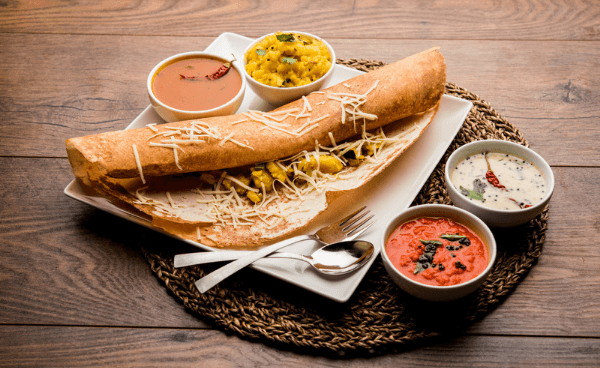
Why Chicago Is a Great City for Dosa Lovers
Chicago may be famous for deep-dish pizza, Chicago-style hot dogs, and world-class steakhouses, but the city has also quietly become one of the best destinations in the Midwest for authentic Indian cuisine. Among the many Indian dishes gaining popularity, dosa stands out as one of the most beloved and distinctive. This crispy South Indian crepe, made from fermented rice and lentil batter, has captured the attention of food enthusiasts, vegetarians, vegans, and adventurous diners throughout the city.
Whether you’re a longtime fan of South Indian cuisine or trying dosa for the first time, Chicago offers an impressive range of restaurants serving authentic and flavorful versions of this iconic dish. From traditional family-owned eateries on Devon Avenue to modern Indian restaurants in the suburbs, the city has become a hotspot for dosa lovers.
Chicago’s Growing South Indian Food Scene
Over the past two decades, Chicago’s Indian food culture has expanded significantly.
While North Indian dishes such as Butter Chicken and Chicken Tikka Masala remain popular, South Indian cuisine has experienced tremendous growth thanks to a growing community of immigrants from states such as:
- Tamil Nadu
- Karnataka
- Andhra Pradesh
- Telangana
- Kerala
These communities have introduced Chicago diners to a rich culinary tradition that includes:
- Dosa
- Idli
- Vada
- Uttapam
- Sambar
- South Indian Filter Coffee
As a result, authentic South Indian restaurants can now be found throughout the city and surrounding suburbs.
Why Dosa Is So Popular
Dosa has become one of the most sought-after dishes in Chicago’s Indian restaurants because it offers something unique compared to other cuisines.
A properly made dosa provides:
- Crispy texture
- Tangy fermented flavor
- Light yet filling meal
- Endless variety of fillings
- Naturally vegetarian ingredients
Unlike many comfort foods that feel heavy, dosa manages to be satisfying while remaining relatively light and wholesome.
Its versatility has helped it appeal to a broad range of diners.
A Favorite Among Vegetarians and Vegans
One reason dosa continues to gain popularity in Chicago is its appeal to plant-based diners.
Traditional dosa batter contains only:
- Rice
- Lentils
- Water
- Salt
making it naturally:
- Vegetarian
- Vegan
- Dairy-free
- Gluten-free
Many restaurants also offer vegan-friendly fillings and accompaniments, making dosa an excellent option for diners with dietary preferences or restrictions.
Devon Avenue: The Heart of Indian Food in Chicago
When discussing Indian cuisine in Chicago, Devon Avenue deserves special recognition.
Often referred to as “Little India,” Devon Avenue serves as the cultural center of the city’s South Asian community.
The area features:
- South Indian restaurants
- Indian grocery stores
- Sweet shops
- Spice markets
- Vegetarian eateries
Many of Chicago’s most authentic dosa restaurants can be found here.
Visitors often travel from across the metropolitan area specifically to enjoy freshly prepared dosas on Devon Avenue.
Chicago’s Diverse Indian Communities
One of Chicago’s strengths is the diversity of its Indian population.
Because immigrants have arrived from different regions of India, diners can experience numerous regional dosa styles.
Depending on the restaurant, you may find:
- Tamil-style dosa
- Karnataka-style dosa
- Andhra-style dosa
- Kerala-inspired specialties
This diversity creates a richer and more exciting dining experience.
Dosa Appeals to Food Enthusiasts
Chicago is a city filled with adventurous diners who enjoy exploring international cuisines.
Dosa appeals to food enthusiasts because it offers:
- Unique textures
- Traditional preparation methods
- Regional variations
- Interactive dining experiences
Watching a giant paper dosa arrive at the table often becomes a memorable part of the meal itself.
For many visitors, the visual presentation is almost as exciting as the flavor.
Affordable and Family-Friendly
Another reason dosa has become so popular is its affordability.
Many restaurants offer generous portions at reasonable prices, making dosa an excellent choice for:
- Families
- Students
- Office workers
- Budget-conscious diners
A single dosa can often serve as a complete meal, especially when accompanied by chutneys and sambar.
Chicago’s Suburbs Also Shine
While Devon Avenue receives much of the attention, Chicago’s suburbs have developed outstanding South Indian dining scenes as well.
Areas such as:
- Schaumburg
- Naperville
- Aurora
- Hoffman Estates
feature restaurants serving authentic dosas prepared according to traditional methods.
Many suburban establishments are run by families who bring recipes and techniques directly from South India.
More Than Just a Restaurant Dish
For many members of Chicago’s Indian community, dosa represents more than a menu item.
It is:
- A comfort food
- A breakfast staple
- A family tradition
- A connection to home
This emotional connection helps explain why restaurants place so much emphasis on preparing dosa correctly.
Authenticity matters because dosa carries cultural significance far beyond its ingredients.
Chicago’s Love for Authentic Flavors
Modern diners increasingly seek authentic culinary experiences, and dosa delivers exactly that.
The fermentation process, specialized cooking techniques, and traditional accompaniments all contribute to a dining experience that feels genuine and distinctive.
Chicago’s best dosa restaurants embrace these traditions while introducing new audiences to South Indian cuisine.
A Destination for Dosa Lovers
Chicago has evolved into one of America’s best cities for South Indian food. Its diverse Indian communities, thriving restaurant scene, and appreciation for authentic global cuisine have created the perfect environment for dosa to flourish.
Whether you’re exploring the bustling restaurants of Devon Avenue, visiting a suburban South Indian specialist, or trying your first masala dosa at a local favorite, Chicago offers countless opportunities to experience this iconic dish.
For anyone searching for the best dosa in Chicago, the city provides an exciting culinary journey filled with crispy crepes, flavorful fillings, aromatic chutneys, and rich cultural traditions. Few dishes capture the spirit of South Indian cuisine as beautifully as dosa, and few cities outside India offer as many opportunities to enjoy it as Chicago.
Top Restaurants Serving the Best Dosa in Chicago
Chicago’s South Indian food scene has grown tremendously over the years, and today the city offers an impressive selection of restaurants serving authentic dosa. From traditional family-owned establishments specializing in regional South Indian cuisine to modern Indian restaurants that offer creative dosa variations, there is no shortage of places to satisfy your craving.
Whether you’re looking for a classic Masala Dosa, a giant Paper Dosa, a spicy Mysore Masala Dosa, or a crispy Rava Dosa, these restaurants represent some of the best places to enjoy authentic South Indian flavors in Chicago.
Udupi Palace
Udupi Palace is one of Chicago’s most respected vegetarian Indian restaurants and a favorite among dosa enthusiasts.
The restaurant specializes in authentic South Indian cuisine and prepares dosas using traditional fermented batter. Its Masala Dosa is known for its crispy texture, flavorful potato filling, and generous accompaniments of sambar and chutneys.
The menu offers numerous dosa varieties, making it an excellent destination for both newcomers and experienced South Indian food lovers.
Known For: Masala Dosa, Mysore Dosa, Idli, Uttapam
Cost Per Person: $15–$25
Neighborhood: Devon Avenue
Website: www.udupipalacechicago.com
Annapurna Simply Vegetarian
Annapurna has built a strong reputation for authentic vegetarian Indian cuisine and outstanding South Indian specialties.
Its dosas feature:
- Crispy exterior
- Proper fermentation
- Traditional accompaniments
- Authentic flavors
The restaurant’s commitment to quality ingredients and traditional preparation methods has earned it a loyal customer base.
Known For: Masala Dosa, Rava Dosa, South Indian Thali
Cost Per Person: $15–$25
Neighborhood: Devon Avenue
Website: www.annapurnachicago.com
Sri Krishna Restaurant
Sri Krishna offers a wide range of South Indian dishes and remains one of the most popular dosa destinations in the city.
Its dosas are praised for:
- Crisp texture
- Generous portions
- Authentic preparation
- Consistent quality
Many diners consider its Mysore Masala Dosa among the best in Chicago.
Known For: Mysore Dosa, Plain Dosa, Vada, Filter Coffee
Cost Per Person: $15–$25
Neighborhood: West Ridge
Website: www.srikrishnachicago.com
Mysore Woodlands
Mysore Woodlands has long been recognized as one of Chicago’s premier South Indian restaurants.
The restaurant focuses heavily on Karnataka-style cuisine and prepares dosas using traditional techniques.
Its signature dosas feature:
- Excellent crispness
- Authentic spice blends
- Fresh chutneys
- Flavorful sambar
The restaurant remains a favorite among South Indian families throughout the Chicago area.
Known For: Mysore Masala Dosa, Ghee Roast Dosa, Uttapam
Cost Per Person: $15–$30
Neighborhood: Devon Avenue
Website: www.mysorewoodlandschicago.com
Madras Kafe
Madras Kafe specializes in authentic South Indian comfort food and serves a variety of dosa styles.
Its menu includes:
- Plain Dosa
- Masala Dosa
- Onion Dosa
- Rava Dosa
The restaurant emphasizes traditional preparation and regional flavors, making it an excellent choice for diners seeking authenticity.
Known For: Onion Dosa, Masala Dosa, Idli Sambar
Cost Per Person: $15–$25
Neighborhood: Schaumburg
Website: www.madraskafe.com
Thalaivas Indian Kitchen
Thalaivas has become increasingly popular among Chicago-area diners looking for authentic Tamil-style cuisine.
Its dosas are known for:
- Thin crispy texture
- Authentic seasoning
- Traditional fillings
- Excellent chutneys
The restaurant also offers several specialty dosa options for adventurous diners.
Known For: Paper Dosa, Ghee Roast Dosa, Chettinad Cuisine
Cost Per Person: $20–$35
Neighborhood: Suburban Chicago
Website: www.thalaivas.com
A2B Indian Veg Restaurant
A2B brings the flavors of South India to Chicago with a menu focused on traditional vegetarian cuisine.
Its dosa selection includes both classic and specialty varieties.
Guests frequently praise:
- Fresh ingredients
- Consistent quality
- Authentic preparation
- Excellent value
The restaurant’s family-friendly atmosphere makes it particularly popular with large groups.
Known For: Masala Dosa, Rava Dosa, South Indian Meals
Cost Per Person: $15–$30
Neighborhood: Naperville Area
Website: www.a2busa.com
Hyderabad House
While primarily known for its biryanis, Hyderabad House also serves excellent South Indian breakfast and dosa specialties.
Its dosas feature:
- Authentic fermentation
- Crispy texture
- Flavorful accompaniments
The restaurant offers a unique opportunity to explore both South Indian and Hyderabadi cuisine in one visit.
Known For: Masala Dosa, Hyderabadi Biryani, Idli
Cost Per Person: $15–$30
Neighborhood: Schaumburg
Website: www.hyderabadhouse.com
Desi Accent
Desi Accent combines traditional Indian flavors with contemporary dining standards.
Its dosa menu offers:
- Traditional recipes
- Fresh preparation
- Modern presentation
Many diners appreciate the restaurant’s ability to balance authenticity with accessibility.
Known For: Masala Dosa, Paneer Dosa, Indian Fusion Cuisine
Cost Per Person: $20–$35
Neighborhood: Naperville
Website: www.desiaccent.com
Sankalp Restaurant
Sankalp is part of a globally recognized South Indian restaurant brand known for its extensive dosa menu.
The restaurant serves:
- Traditional dosas
- Specialty dosas
- Fusion dosas
- Giant family-style dosas
Its enormous menu makes it one of the best places in Chicago to explore different dosa varieties.
Known For: Paper Dosa, Cheese Dosa, Specialty Dosas
Cost Per Person: $20–$35
Neighborhood: Chicago Suburbs
Website: www.sankalpusa.com
Choosing the Right Dosa Restaurant
Different restaurants excel in different areas:
For Traditional South Indian Cuisine
- Udupi Palace
- Mysore Woodlands
- Annapurna
For Karnataka-Style Dosas
- Mysore Woodlands
For Tamil Nadu Specialties
- Thalaivas Indian Kitchen
For Family Dining
- A2B
- Sankalp
For First-Time Dosa Diners
- Udupi Palace
- Sri Krishna Restaurant
For Variety and Innovation
- Sankalp
- Desi Accent
Finding Your Favorite Dosa
Chicago’s dosa scene offers incredible diversity, ensuring that every diner can find a style that matches their preferences. Some restaurants focus on traditional recipes passed down through generations, while others experiment with creative fillings and modern presentations.
What all of these restaurants share is a dedication to preserving the flavors and techniques that make dosa one of South India’s most beloved dishes. Whether you’re craving a simple Plain Dosa, a spicy Mysore Masala Dosa, or an oversized Paper Dosa, these restaurants represent some of the finest places to experience authentic South Indian cuisine in Chicago.
Best Neighborhoods in Chicago for Dosa and South Indian Food
One of the reasons Chicago has become a premier destination for Indian cuisine is the diversity of its neighborhoods. While excellent South Indian food can be found throughout the metropolitan area, certain neighborhoods have developed particularly strong reputations for serving authentic dosa, idli, vada, uttapam, and other regional specialties.
From the bustling Indian business districts on the North Side to thriving suburban communities with large South Asian populations, Chicago offers countless opportunities to experience authentic South Indian flavors. Whether you’re searching for a traditional Masala Dosa, a giant Paper Dosa, or a spicy Mysore Masala Dosa, these neighborhoods should be on every food lover’s radar.
Devon Avenue: Chicago’s Little India
No neighborhood is more closely associated with Indian cuisine in Chicago than Devon Avenue.
Often called “Little India,” Devon Avenue serves as the cultural heart of Chicago’s South Asian community and remains the most famous destination for authentic Indian food in the city.
Visitors will find:
- South Indian restaurants
- Vegetarian eateries
- Indian grocery stores
- Sweet shops
- Spice markets
- Cultural businesses
Many of Chicago’s best dosa restaurants are concentrated along this corridor.
Restaurants on Devon Avenue often specialize in traditional South Indian cooking and serve dosas prepared according to authentic regional recipes.
For first-time visitors seeking the best dosa in Chicago, Devon Avenue is usually the ideal starting point.
West Ridge
Devon Avenue is located within the larger West Ridge neighborhood, which has become one of Chicago’s most important centers for South Asian culture and cuisine.
West Ridge offers:
- Family-owned restaurants
- Authentic South Indian specialties
- Hidden culinary gems
- Diverse regional menus
Many local residents consider West Ridge one of the city’s most underrated food destinations.
Because of its strong South Asian population, restaurants here often maintain high standards of authenticity.
Rogers Park
Located near Devon Avenue, Rogers Park has benefited from its proximity to Chicago’s Indian food scene.
The neighborhood features a growing number of international restaurants and attracts diners looking for authentic global cuisine.
Visitors can often discover:
- South Indian restaurants
- Vegetarian cafes
- Casual dosa spots
- Neighborhood favorites
Rogers Park provides an excellent alternative for diners who want authentic food without the crowds often found on Devon Avenue.
Downtown Chicago
Although not traditionally known for South Indian cuisine, downtown Chicago now features several restaurants offering dosa and other regional specialties.
These restaurants cater to:
- Business professionals
- Tourists
- Hotel guests
- Convention visitors
Advantages of downtown dining include:
- Convenient locations
- Modern dining environments
- Easy accessibility
- Diverse menus
For visitors staying in the city center, quality dosa is becoming increasingly accessible.
West Loop
The West Loop has emerged as one of Chicago’s most exciting culinary destinations.
Known for innovative restaurants and creative chefs, the neighborhood has begun embracing modern Indian cuisine as well.
Restaurants in the area often feature:
- Contemporary South Indian dishes
- Elevated ingredients
- Refined presentation
- Modern interpretations
While traditional dosa remains available, some establishments offer unique variations designed to appeal to adventurous diners.
Schaumburg: A Suburban South Indian Hub
Outside the city, Schaumburg has become one of the strongest centers for Indian cuisine in the Chicago metropolitan area.
Its large Indian community supports numerous restaurants specializing in:
- South Indian cuisine
- Dosa
- Idli
- Vada
- Hyderabadi dishes
Many suburban residents consider Schaumburg one of the best places to enjoy authentic South Indian food without traveling into Chicago.
The area’s restaurants often serve families who expect traditional preparation methods and authentic flavors.
Naperville
Naperville has developed one of the most vibrant Indian dining scenes in the suburbs.
The city’s growing South Asian population has contributed to a wide variety of restaurants serving regional Indian cuisines.
Dosa lovers can expect:
- Family-friendly dining
- Authentic recipes
- Traditional accompaniments
- Vegetarian specialties
Several highly regarded South Indian restaurants have established loyal followings in the area.
Aurora
Aurora’s Indian community continues to grow, bringing with it an expanding collection of Indian restaurants.
Visitors can find:
- Traditional dosa restaurants
- Vegetarian establishments
- South Indian breakfast specialties
The area’s affordable dining options make it particularly attractive for families and regular diners.
Hoffman Estates
Hoffman Estates has become another suburban destination for authentic Indian cuisine.
Its restaurants frequently feature:
- Regional South Indian menus
- Traditional dosas
- Homemade chutneys
- Fresh sambar
Many local residents appreciate the convenience of finding authentic South Indian food close to home.
Hidden Neighborhood Gems
Some of Chicago’s best dosa experiences can be found outside the most famous dining districts.
These lesser-known restaurants often offer:
- Family recipes
- Traditional techniques
- Affordable prices
- Exceptional hospitality
Because they rely heavily on local repeat customers, many hidden gems maintain remarkably high standards.
Exploring beyond the most popular neighborhoods often leads to memorable culinary discoveries.
Which Neighborhood Is Best for Dosa?
The answer depends on the dining experience you’re seeking.
For Authentic South Indian Cuisine
- Devon Avenue
- West Ridge
For Vegetarian Dining
- Devon Avenue
- Schaumburg
For Family Dining
- Naperville
- Schaumburg
For Contemporary Indian Cuisine
- West Loop
- Downtown Chicago
For Hidden Gems
- Rogers Park
- Aurora
- Hoffman Estates
Each neighborhood contributes something unique to Chicago’s South Indian food landscape.
Exploring Chicago Through Dosa
One of the most rewarding aspects of searching for the best dosa in Chicago is exploring the neighborhoods that make the city’s food culture so diverse. Every area offers a slightly different interpretation of South Indian cuisine, from traditional family-run restaurants on Devon Avenue to contemporary dining destinations in the suburbs.
Together, these neighborhoods create one of the strongest South Indian food scenes in the United States. Whether you’re looking for a classic Masala Dosa, a crispy Paper Dosa, or a regional specialty you’ve never tried before, Chicago offers a neighborhood and a restaurant that can satisfy your curiosity.
For dosa lovers, every neighborhood represents a new opportunity to discover authentic flavors, cultural traditions, and unforgettable meals.
Popular Types of Dosa You Should Try
One of the reasons dosa has become such a beloved dish around the world is its incredible variety. While many first-time diners are familiar with the classic Masala Dosa, South Indian cuisine offers dozens of unique dosa styles, each with its own flavor, texture, and preparation method.
Chicago’s best South Indian restaurants showcase this diversity through extensive dosa menus featuring traditional regional specialties as well as modern creations. Whether you prefer something simple and crispy or bold and spicy, there’s a dosa for every taste preference.
If you’re exploring the best dosa in Chicago, these are the varieties you should add to your must-try list.
Plain Dosa
The Plain Dosa is the foundation of all dosa varieties.
Made from fermented rice and lentil batter, it is cooked until thin, golden, and crispy.
What makes it special:
- Light texture
- Crisp exterior
- Slightly tangy flavor
- Traditional preparation
Because there is no filling, diners can fully appreciate the flavor of the fermented batter.
This is often the preferred choice for South Indian purists.
Masala Dosa
Masala Dosa is easily the most famous and widely ordered dosa variety.
Inside the crispy crepe is a savory potato filling made with:
- Potatoes
- Onions
- Mustard seeds
- Curry leaves
- Turmeric
The combination of crispy dosa and flavorful potato masala creates a perfect balance of texture and flavor.
For first-time diners, Masala Dosa is often the ideal starting point.
Mysore Masala Dosa
Originating from the city of Mysore in Karnataka, this spicy variation adds an extra layer of flavor.
Before the potato filling is added, the inside of the dosa is spread with a spicy red chutney.
The result is:
- More heat
- Richer flavor
- Greater complexity
Mysore Masala Dosa is perfect for diners who enjoy bold and spicy dishes.
Rava Dosa
Unlike traditional dosa, Rava Dosa is not made using fermented batter.
Instead, it uses:
- Semolina (rava)
- Rice flour
- Spices
The batter creates a lace-like texture that becomes exceptionally crispy when cooked.
Many diners love Rava Dosa because of its:
- Crunchiness
- Unique texture
- Lightness
It remains one of the most popular dosa varieties in South Indian restaurants.
Onion Dosa
Onion Dosa takes the classic dosa and adds finely chopped onions directly onto the batter while cooking.
This creates:
- Additional crunch
- Mild sweetness
- Richer flavor
The caramelized onions complement the fermented batter beautifully.
It is an excellent option for diners seeking something simple but flavorful.
Paper Dosa
One of the most visually impressive dosa varieties is the Paper Dosa.
Known for its:
- Extremely thin structure
- Large size
- Crisp texture
Paper Dosa often extends far beyond the edges of the plate.
Many restaurants serve it rolled into a giant cylinder that becomes the centerpiece of the table.
It is especially popular among families and first-time visitors.
Ghee Roast Dosa
Ghee Roast Dosa is a specialty from Karnataka that emphasizes richness and aroma.
During cooking, the dosa is generously coated with ghee (clarified butter).
This creates:
- Enhanced flavor
- Rich aroma
- Extra crispness
- Golden color
Food enthusiasts often consider Ghee Roast Dosa one of the most flavorful traditional varieties available.
Paneer Dosa
Paneer Dosa blends South Indian and North Indian influences.
The filling typically includes:
- Paneer (Indian cottage cheese)
- Spices
- Vegetables
The result is a dosa that feels heartier and more filling.
It is particularly popular among vegetarians looking for additional protein.
Cheese Dosa
Cheese Dosa has become increasingly popular with younger diners and families.
This modern variation combines:
- Traditional dosa batter
- Melted cheese
- Optional vegetables
The fusion of South Indian and Western flavors creates a comforting and approachable dish.
Many children who are new to Indian cuisine enjoy Cheese Dosa.
Spring Dosa
Spring Dosa introduces Indo-Chinese influences.
It typically includes:
- Stir-fried vegetables
- Noodles
- Asian-inspired seasonings
This creative variation has gained popularity among diners looking for something different.
Podi Dosa
Podi Dosa is coated with a special South Indian spice powder known as podi.
The powder contains:
- Lentils
- Chilies
- Sesame seeds
- Spices
It adds:
- Crunch
- Heat
- Nutty flavor
Podi Dosa is especially popular among diners who appreciate traditional South Indian flavors.
Set Dosa
Set Dosa differs significantly from most crispy dosa varieties.
It is:
- Thick
- Soft
- Fluffy
Typically served in sets of two or three, it pairs exceptionally well with vegetable curries and chutneys.
This Karnataka specialty offers a completely different dosa experience.
Neer Dosa
Originating from coastal Karnataka, Neer Dosa is known for its delicate texture.
Made primarily from rice batter, it is:
- Thin
- Soft
- Light
Unlike crispy dosas, Neer Dosa is prized for its subtle flavor and elegant simplicity.
Fusion Dosas
Many Chicago restaurants have embraced creativity by introducing fusion-style dosas.
Popular examples include:
- Pizza Dosa
- Mexican Dosa
- Schezwan Dosa
- Paneer Tikka Dosa
- Cheese Corn Dosa
While these versions differ from traditional preparations, they help introduce new audiences to dosa culture.
Which Dosa Is Best for First-Time Diners?
If you’re new to dosa, consider starting with:
- Masala Dosa
- Plain Dosa
- Mysore Masala Dosa
- Rava Dosa
These varieties provide an excellent introduction to authentic South Indian cuisine.
Exploring the World of Dosa
One of the greatest joys of South Indian dining is discovering how many different forms dosa can take. From the classic Plain Dosa and beloved Masala Dosa to specialty creations such as Ghee Roast Dosa and Podi Dosa, each variety offers its own unique combination of flavors and textures.
Chicago’s thriving South Indian restaurant scene gives diners the opportunity to explore this remarkable diversity without leaving the city. Whether you prefer traditional recipes or modern interpretations, trying different dosa styles is one of the most enjoyable ways to experience the richness of South Indian cuisine.
For many food lovers, one dosa is never enough—and once you start exploring the many varieties available throughout Chicago, it’s easy to understand why.
Vegetarian and Vegan Benefits of Dosa
One of the reasons dosa has become increasingly popular among modern diners is its impressive nutritional profile and natural compatibility with vegetarian and vegan lifestyles. Long before plant-based eating became a global trend, dosa was already serving as a wholesome, satisfying, and nutrient-rich staple throughout South India.
Today, Chicago’s growing community of health-conscious diners, vegetarians, vegans, and gluten-sensitive individuals has helped fuel demand for authentic South Indian cuisine. Dosa stands out as one of the most versatile and accessible dishes available, offering flavor, nutrition, and dietary flexibility in every bite.
Whether you’re following a plant-based diet or simply looking for healthier dining options, dosa provides numerous benefits that make it one of the smartest choices on an Indian restaurant menu.
Naturally Vegetarian by Design
Unlike many dishes that require substitutions to become vegetarian, traditional dosa is vegetarian from the start.
The classic dosa batter contains only:
- Rice
- Urad dal (black gram lentils)
- Water
- Salt
There are no meat products involved in the preparation process.
This simplicity has helped make dosa a cornerstone of vegetarian cuisine throughout South India for centuries.
Easily Adaptable for Vegans
Traditional dosa is also naturally vegan.
The batter itself contains:
- No dairy
- No eggs
- No animal products
Most classic accompaniments are vegan as well, including:
- Sambar
- Coconut chutney
- Tomato chutney
- Mint chutney
However, some restaurants may use ghee (clarified butter) during cooking, particularly for Ghee Roast Dosa.
Vegan diners can simply request:
- No ghee
- Oil-based preparation
Most South Indian restaurants are happy to accommodate these requests.
A Naturally Gluten-Free Option
Another major advantage of dosa is that it is naturally gluten-free.
Traditional dosa batter is made entirely from:
- Rice
- Lentils
without any wheat-based ingredients.
For individuals with:
- Gluten sensitivity
- Celiac disease
- Wheat intolerance
dosa can be an excellent alternative to many other restaurant options.
As always, diners with severe allergies should confirm preparation practices with the restaurant.
Rich in Plant-Based Protein
The lentils used in dosa batter provide valuable plant-based protein.
Protein helps support:
- Muscle maintenance
- Energy levels
- Satiety
- Overall nutrition
When paired with sambar, which also contains lentils, a dosa meal can become surprisingly protein-rich for a vegetarian dish.
This makes dosa particularly appealing to vegetarians seeking balanced meals.
Excellent Source of Complex Carbohydrates
Rice and lentils provide complex carbohydrates that serve as a steady source of energy.
Unlike highly processed foods, dosa offers carbohydrates that can help support:
- Sustained energy
- Physical activity
- Daily productivity
This is one reason dosa remains a popular breakfast choice throughout South India.
Fermentation Improves Digestibility
One of dosa’s most unique nutritional advantages comes from fermentation.
The fermentation process may help:
- Improve digestion
- Increase nutrient availability
- Support gut health
- Enhance flavor
Many people find fermented foods easier to digest than heavily processed alternatives.
The slight tanginess of authentic dosa is a direct result of this beneficial process.
Lower in Saturated Fat
Traditional dosa contains relatively little saturated fat.
Compared to many fried fast-food options, a classic dosa can be a lighter choice while still providing substantial satisfaction.
Of course, preparation methods and fillings may influence the final nutritional profile.
For example:
Lighter Options
- Plain Dosa
- Masala Dosa
- Onion Dosa
Richer Options
- Ghee Roast Dosa
- Cheese Dosa
- Paneer Dosa
This flexibility allows diners to choose according to their preferences and dietary goals.
Sambar Adds Extra Nutrition
Sambar is more than just a dipping sauce.
This flavorful lentil stew often contains vegetables such as:
- Carrots
- Tomatoes
- Drumsticks
- Eggplant
- Pumpkin
- Okra
As a result, sambar provides:
- Fiber
- Vitamins
- Minerals
- Additional protein
Together, dosa and sambar create a well-rounded meal that is both nutritious and satisfying.
Coconut Chutney Provides Healthy Fats
Coconut chutney is one of the most iconic dosa accompaniments.
Made from ingredients such as:
- Fresh coconut
- Ginger
- Green chilies
- Curry leaves
it contributes healthy fats and flavor while complementing the crisp dosa.
The combination of dosa, chutney, and sambar creates a balanced nutritional profile.
Great for Weight-Conscious Diners
Many health-conscious diners appreciate dosa because it can be:
- Filling
- Nutrient-dense
- Relatively light
Compared to heavier restaurant meals, a dosa often provides satisfaction without excessive richness.
Choosing traditional fillings and moderate portions can make dosa a smart option for those watching calorie intake.
Family-Friendly and Kid-Friendly
Dosa appeals to diners of all ages.
Children often enjoy:
- Crispy texture
- Mild flavors
- Interactive eating experience
Parents appreciate that dosa can introduce kids to nutritious plant-based foods in a fun and approachable format.
Ideal for Diverse Dietary Preferences
One reason dosa performs so well in modern dining environments is its versatility.
Restaurants can easily customize dosas for:
- Vegetarians
- Vegans
- Gluten-free diners
- Health-conscious customers
Few dishes offer this level of flexibility while maintaining strong cultural authenticity.
Environmental Benefits of Plant-Based Dining
Many diners are increasingly interested in sustainable food choices.
Plant-based meals generally require fewer resources than meat-heavy alternatives.
Choosing dosa can support:
- Lower environmental impact
- Reduced resource consumption
- More sustainable eating habits
While taste remains the primary attraction, these additional benefits appeal to many modern consumers.
Chicago’s Growing Demand for Plant-Based Indian Food
Chicago’s restaurant scene reflects broader national trends toward healthier and more plant-focused dining.
South Indian restaurants throughout the city have responded by offering:
- Vegan dosa options
- Vegetarian specialties
- Gluten-free menu items
- Health-conscious meals
As awareness grows, dosa continues attracting new audiences beyond the traditional Indian community.
A Delicious and Nutritious Choice
Dosa’s enduring popularity is not just about flavor. Its combination of nutrition, versatility, and dietary inclusiveness makes it one of the most appealing dishes in Indian cuisine. Naturally vegetarian, easily vegan, gluten-free, and rich in nutrients, dosa fits perfectly into modern eating habits while preserving centuries of culinary tradition.
Chicago’s best dosa restaurants showcase these benefits through authentic preparation methods and high-quality ingredients. Whether you’re a lifelong vegetarian, exploring vegan dining, managing dietary restrictions, or simply looking for a delicious and wholesome meal, dosa offers an outstanding option that satisfies both the palate and the body.
It’s no surprise that this humble South Indian crepe has become one of the most respected and widely enjoyed vegetarian dishes in the world.
Best Dosa for First-Time South Indian Food Diners
For many people, dosa serves as the gateway to South Indian cuisine. While dishes such as idli, vada, uttapam, and sambar are beloved throughout South India, dosa is often the first item newcomers notice on the menu. Its impressive size, crispy texture, flavorful fillings, and variety of accompaniments make it both approachable and memorable.
Chicago’s South Indian restaurants have helped introduce thousands of diners to dosa, and many people who try it for the first time quickly become lifelong fans. If you’re new to South Indian food, understanding which dosa to order and how to enjoy it can make the experience even more rewarding.
Why Dosa Is Perfect for Beginners
One reason dosa is so popular among first-time diners is its familiarity.
Although unique, it shares qualities with foods many Americans already enjoy:
- Crispy crepes
- Savory pancakes
- Stuffed wraps
- Thin flatbreads
At the same time, dosa introduces diners to entirely new flavors and culinary traditions.
It offers:
- Crunchy texture
- Tangy fermented flavor
- Flavorful fillings
- Traditional accompaniments
without feeling intimidating.
Start with Masala Dosa
If you’re ordering dosa for the first time, Masala Dosa is usually the best choice.
This classic version includes:
- Crispy dosa shell
- Spiced potato filling
- Coconut chutney
- Sambar
The potato masala provides a familiar and comforting flavor while allowing diners to experience authentic South Indian cooking.
Many Chicago restaurants consider Masala Dosa their signature dish.
Why Masala Dosa Is So Popular
Masala Dosa appeals to newcomers because it offers a complete meal in one dish.
The combination of:
- Crispy exterior
- Soft potato filling
- Savory lentil stew
- Fresh chutneys
creates multiple flavors and textures in every bite.
It is satisfying without being overly heavy.
Plain Dosa for Purists
Some diners prefer to experience the dosa itself without any filling.
Plain Dosa allows you to focus on:
- Fermented flavor
- Crisp texture
- Traditional preparation
This option is ideal for food enthusiasts interested in understanding the fundamentals of South Indian cuisine.
Mysore Masala Dosa for Spice Lovers
If you enjoy bold flavors, Mysore Masala Dosa is an excellent next step.
This variation includes a spicy red chutney spread inside the dosa before the potato filling is added.
The result is:
- More heat
- Greater complexity
- Richer flavor
While slightly spicier than standard Masala Dosa, it remains approachable for most diners.
Rava Dosa for Texture Enthusiasts
Rava Dosa offers a completely different experience.
Unlike traditional dosa, it is made using semolina rather than fermented batter.
The result is:
- Extra crispness
- Lace-like texture
- Light bite
Many diners who enjoy crunchy foods find Rava Dosa particularly appealing.
Best Restaurants for First-Time Dosa Diners
Chicago offers several excellent restaurants where newcomers can confidently try dosa for the first time.
Udupi Palace
Udupi Palace is widely regarded as one of the city’s most welcoming South Indian restaurants.
Its strengths include:
- Traditional recipes
- Consistent quality
- Friendly service
- Extensive menu
The restaurant’s Masala Dosa remains one of the best introductions to South Indian cuisine in Chicago.
Annapurna Simply Vegetarian
Annapurna specializes in authentic vegetarian Indian food and offers a welcoming environment for first-time guests.
Its dosas are known for:
- Proper fermentation
- Crisp texture
- Excellent chutneys
- Authentic preparation
Staff members are often happy to explain menu items to newcomers.
Mysore Woodlands
Mysore Woodlands provides a traditional South Indian dining experience that appeals to both experienced diners and beginners.
Its menu includes:
- Classic dosas
- Mysore specialties
- South Indian breakfasts
- Fresh accompaniments
Many diners appreciate the restaurant’s commitment to authenticity.
Understanding the Accompaniments
One aspect of dosa that surprises many first-time diners is the variety of accompaniments served alongside it.
These side dishes are essential parts of the experience.
Sambar
A flavorful lentil-and-vegetable stew.
Sambar adds:
- Warm spice
- Savory depth
- Additional protein
Many diners enjoy dipping pieces of dosa directly into the sambar.
Coconut Chutney
Made from:
- Coconut
- Green chilies
- Ginger
- Curry leaves
This cooling accompaniment balances the richness of the dosa.
Tomato Chutney
Tangy and slightly spicy.
Provides contrast and additional flavor.
Mint Chutney
Fresh and aromatic.
Offers brightness and complexity.
How to Eat Dosa
First-time diners often wonder about proper dosa etiquette.
The good news is that dosa is designed to be simple and enjoyable.
Most people:
- Tear off a piece of dosa.
- Add a little filling if desired.
- Dip it into chutney or sambar.
- Enjoy.
There is no need for formal rules.
Part of the fun comes from experimenting with different combinations.
Pair Dosa with South Indian Filter Coffee
For an authentic South Indian dining experience, consider ordering filter coffee.
South Indian filter coffee is known for:
- Rich aroma
- Smooth texture
- Strong flavor
The coffee pairs exceptionally well with breakfast dosas and afternoon meals.
Common Misconceptions About Dosa
Many first-time diners assume:
- Dosa is similar to a pancake.
- Dosa is extremely spicy.
- South Indian food is limited to vegetarian dishes.
In reality:
- Dosa has a unique fermented flavor.
- Spice levels are usually moderate.
- South Indian cuisine is remarkably diverse.
Trying dosa often changes people’s perception of Indian food entirely.
Family-Friendly and Kid-Friendly
Dosa is one of the most family-friendly dishes on an Indian menu.
Children often enjoy:
- Crispy texture
- Mild potato filling
- Interactive eating style
Parents appreciate its wholesome ingredients and approachable flavor profile.
Tips for First-Time Dosa Diners
To get the most from your experience:
✓ Start with Masala Dosa.
✓ Try all the chutneys.
✓ Dip the dosa in sambar.
✓ Share dishes with friends.
✓ Order filter coffee.
✓ Ask staff for recommendations.
These simple tips can make your first dosa experience even more enjoyable.
A Perfect Introduction to South Indian Cuisine
There is a reason dosa has become one of the most popular South Indian dishes in Chicago. It offers a welcoming introduction to a rich culinary tradition while delivering flavors, textures, and aromas that feel both exciting and comforting.
For first-time diners, Masala Dosa provides the ideal balance of familiarity and authenticity. It showcases the artistry of South Indian cooking while remaining approachable enough for anyone to enjoy.
Whether you’re visiting Devon Avenue, exploring a suburban South Indian restaurant, or discovering dosa for the first time with friends and family, your first dosa is likely to be the beginning of a much deeper appreciation for one of India’s most celebrated culinary traditions.
Best Dosa for Takeout and Delivery
While dosa is traditionally enjoyed fresh off the griddle, many Chicago restaurants have adapted their preparation and packaging methods to make dosa an excellent takeout and delivery option. Thanks to the city’s thriving South Indian food scene, residents can enjoy authentic dosa at home, at work, or during family gatherings without sacrificing too much of the dish’s signature flavor and texture.
That said, not all dosa varieties travel equally well. Understanding which dosas perform best during delivery and knowing how to reheat them properly can significantly improve the experience.
Does Dosa Travel Well?
The answer depends on the type of dosa.
Freshly made dosa is known for:
- Crispy texture
- Delicate structure
- Golden-brown exterior
During transportation, steam can soften the dosa slightly.
However, many restaurants package dosas separately from chutneys and sambar to help preserve their quality.
Some dosa varieties actually hold up surprisingly well during delivery, especially when reheated properly.
Best Dosa Varieties for Takeout
Certain dosa styles tend to travel better than others.
Masala Dosa
The most popular choice for takeout.
Benefits include:
- Potato filling helps retain moisture
- Holds structure well
- Reheats easily
Many Chicago restaurants recommend Masala Dosa for first-time delivery orders.
Mysore Masala Dosa
The spicy chutney layer adds extra flavor that remains enjoyable even after transportation.
Its bold seasoning often performs well during reheating.
Onion Dosa
The onions contribute flavor and texture that remain appealing after delivery.
Ghee Roast Dosa
The additional ghee helps maintain richness and flavor during transport.
Dosa Varieties Best Enjoyed in the Restaurant
Some dosa styles are best consumed immediately after preparation.
Examples include:
Paper Dosa
Known for:
- Extreme crispness
- Delicate structure
- Large size
Paper Dosa can lose some of its signature texture during transportation.
Rava Dosa
Its lace-like crispness is most impressive when served fresh.
Although still delicious as takeout, it shines brightest in the dining room.
Top Chicago Restaurants for Dosa Takeout
Several restaurants have developed strong reputations for delivering high-quality South Indian food.
Udupi Palace
Udupi Palace remains one of Chicago’s most trusted destinations for dosa takeout.
Customers appreciate:
- Consistent quality
- Proper packaging
- Fresh accompaniments
- Authentic flavors
Its Masala Dosa is particularly popular among delivery customers.
Annapurna Simply Vegetarian
Annapurna’s dedication to traditional preparation extends to its takeout service.
Its strengths include:
- Fresh chutneys
- Flavorful sambar
- Well-packaged meals
- Reliable consistency
The restaurant remains a favorite among vegetarian diners.
Mysore Woodlands
Known for authentic South Indian cuisine, Mysore Woodlands offers several dosa varieties suitable for takeout.
Customers frequently praise:
- Crisp dosas
- Rich chutneys
- Authentic recipes
Its Ghee Roast Dosa performs especially well during delivery.
A2B Indian Veg Restaurant
A2B offers family-friendly takeout options and generous portions.
Its dosa meals often include:
- Multiple chutneys
- Sambar
- Traditional accompaniments
The restaurant’s reliability makes it a popular choice for group orders.
Sankalp Restaurant
Sankalp’s extensive dosa menu provides numerous options for takeout customers.
Its strengths include:
- Large variety
- Creative dosa choices
- Consistent packaging
- Family meal options
The restaurant appeals to both traditionalists and adventurous diners.
Best Side Dishes for Dosa Delivery
When ordering dosa, adding traditional accompaniments helps recreate the full restaurant experience.
Recommended additions include:
Sambar
A must-have component.
Adds:
- Flavor
- Moisture
- Nutritional value
Coconut Chutney
Provides cooling contrast and authentic flavor.
Tomato Chutney
Adds tanginess and mild heat.
Medu Vada
Travels surprisingly well and pairs beautifully with dosa.
Idli
Soft texture makes it an excellent delivery item.
Family Meal Options
Many South Indian restaurants offer family-sized meals perfect for sharing.
These packages often include:
- Multiple dosas
- Chutneys
- Sambar
- Vada
- Idli
Family meals provide excellent value while introducing diners to a wider range of South Indian dishes.
How to Reheat Dosa Properly
Proper reheating can significantly improve the texture of delivered dosa.
For best results:
Use a Skillet
Place the dosa on a hot skillet for several minutes.
This helps restore crispness.
Avoid the Microwave
Microwaving often causes the dosa to become soft and chewy.
Reheat Sambar Separately
Warm the sambar gently on the stovetop or in a microwave-safe container.
Serve Immediately
Dosa tastes best shortly after reheating.
Best Delivery Order for First-Time Dosa Diners
If you’re trying dosa at home for the first time, consider ordering:
- Masala Dosa
- Coconut Chutney
- Sambar
- Medu Vada
- South Indian Filter Coffee
This combination provides a well-rounded introduction to South Indian cuisine.
Why Chicago Loves Dosa Takeout
Chicago residents increasingly turn to dosa for takeout because it offers:
- Vegetarian options
- Vegan-friendly choices
- Unique flavors
- Family-friendly appeal
- Excellent value
Its versatility makes it suitable for everything from quick lunches to weekend family meals.
Bringing South Indian Flavors Home
One of the greatest advantages of Chicago’s thriving South Indian food scene is the ability to enjoy authentic dosa without visiting a restaurant. Thanks to improved packaging methods and restaurants committed to quality, diners can experience many of the same flavors and traditions from the comfort of home.
Whether you’re ordering from a longtime favorite on Devon Avenue, a family-run restaurant in Schaumburg, or a vegetarian specialist in Naperville, Chicago offers outstanding takeout and delivery options for dosa lovers.
While nothing quite matches the experience of eating a freshly prepared dosa straight from the griddle, the city’s best restaurants come remarkably close. For many Chicago residents, dosa takeout has become a regular part of their dining routine—and with so many excellent options available, it’s easy to see why.
How to Identify Authentic South Indian Dosa
As dosa continues to grow in popularity across the United States, more restaurants are adding it to their menus. However, not every dosa is prepared using traditional South Indian methods. While creative interpretations can be enjoyable, diners searching for the best dosa in Chicago often want the authentic experience—one that reflects the techniques, ingredients, and flavors that have made dosa a staple of South Indian cuisine for centuries.
Knowing how to identify authentic dosa can help you choose restaurants that honor tradition and deliver the quality that South Indian food lovers expect. From the fermentation process to the texture of the finished product, several details separate an exceptional dosa from an average one.
Authentic Dosa Starts with Proper Fermentation
The most important characteristic of authentic dosa is the batter.
Traditional dosa batter is made from:
- Rice
- Urad dal (black gram lentils)
- Water
- Salt
After grinding, the batter is left to ferment naturally for several hours or overnight.
This fermentation process creates:
- Slight tanginess
- Better texture
- Improved digestibility
- Characteristic aroma
If a dosa lacks its signature fermented flavor, shortcuts may have been taken during preparation.
Look for a Crisp and Golden Exterior
A properly prepared dosa should be:
- Thin
- Crisp
- Golden brown
- Evenly cooked
Authentic dosa develops a beautiful texture through careful cooking on a hot griddle.
The exterior should provide a satisfying crunch while remaining light and delicate.
Overly thick or pale dosas often indicate poor technique or incorrect batter consistency.
Texture Matters
One of the easiest ways to judge dosa quality is by its texture.
An authentic dosa should offer:
- Crisp edges
- Light interior
- Consistent structure
- Pleasant bite
It should not feel:
- Doughy
- Soggy
- Heavy
- Undercooked
The balance between crispness and tenderness is one of the defining characteristics of a well-made dosa.
The Aroma Should Be Distinctive
Authentic dosa has a recognizable aroma that comes from fermentation and proper cooking.
You may notice scents from:
- Fermented batter
- Toasted rice
- Lentils
- Ghee (if used)
Experienced dosa lovers often evaluate quality before taking the first bite simply by smelling the dish.
Traditional Chutneys Are Essential
A dosa’s accompaniments reveal a lot about a restaurant’s commitment to authenticity.
Traditional dosa is served with:
Coconut Chutney
Fresh, creamy, and mildly spicy.
Tomato Chutney
Tangy and flavorful.
Mint Chutney
Fresh and aromatic.
Restaurants that prepare chutneys fresh daily often demonstrate greater attention to quality.
Mass-produced or overly processed chutneys can diminish the overall experience.
Sambar Should Be Flavorful and Balanced
Authentic South Indian sambar is much more than a dipping sauce.
A good sambar should contain:
- Lentils
- Tamarind
- Vegetables
- Traditional spices
It should taste:
- Savory
- Slightly tangy
- Well-balanced
Thin or bland sambar may indicate a lack of traditional preparation methods.
The Masala Filling Should Be Fresh
If you’re ordering Masala Dosa, pay attention to the potato filling.
Authentic masala typically includes:
- Potatoes
- Onions
- Mustard seeds
- Curry leaves
- Turmeric
The filling should be:
- Flavorful
- Freshly prepared
- Lightly seasoned
Overly greasy or heavily spiced fillings can overwhelm the dosa itself.
Traditional Cooking Equipment Matters
Authentic dosa is cooked on a large flat griddle known as a tawa.
Experienced dosa chefs understand:
- Proper griddle temperature
- Batter consistency
- Spreading techniques
- Cooking timing
Restaurants specializing in South Indian cuisine often have dedicated dosa stations because the cooking process requires skill and attention.
Observe the Restaurant’s Customer Base
One useful indicator of authenticity is the clientele.
Restaurants frequented by:
- South Indian families
- Indian professionals
- International students
- Longtime community members
often maintain strong ties to traditional recipes and cooking methods.
Many Chicago food lovers rely on recommendations from the local Indian community when searching for authentic dosa.
Menu Variety Is Often a Good Sign
Restaurants that specialize in authentic South Indian cuisine often offer a wide range of dosa options.
Examples include:
- Plain Dosa
- Masala Dosa
- Mysore Dosa
- Rava Dosa
- Onion Dosa
- Ghee Roast Dosa
- Set Dosa
A broad selection often indicates experience and expertise in South Indian cooking.
Authentic Dosa Doesn’t Need Excessive Fillings
Modern restaurants sometimes overload dosas with cheese, sauces, or fusion ingredients.
While these variations can be enjoyable, traditional dosa emphasizes:
- Batter quality
- Texture
- Fermentation
- Simplicity
Authentic dosa allows the natural flavors to shine.
Freshness Is Critical
Dosa is best enjoyed immediately after cooking.
A freshly prepared dosa should:
- Arrive hot
- Remain crisp
- Maintain structure
Restaurants committed to quality typically cook dosas to order rather than preparing them in advance.
Ask Questions
Restaurant staff are often happy to discuss their preparation methods.
Useful questions include:
- How long is the batter fermented?
- Which dosa is most traditional?
- Are the chutneys made fresh daily?
- What regional style do you specialize in?
Authentic restaurants usually take pride in sharing these details.
Signs of Less Authentic Dosa
While taste is subjective, some characteristics may suggest a less traditional preparation.
These include:
- Lack of fermented flavor
- Thick or doughy texture
- Bland chutneys
- Watery sambar
- Excessive toppings
- Poor crispness
Authentic dosa should feel balanced, carefully prepared, and rooted in tradition.
Chicago’s Advantage for Authentic Dosa
Fortunately, Chicago offers numerous opportunities to enjoy authentic South Indian cuisine.
Neighborhoods such as:
- Devon Avenue
- West Ridge
- Schaumburg
- Naperville
feature restaurants with strong South Indian culinary traditions.
These communities help preserve the preparation methods and recipes that define authentic dosa.
Authenticity Enhances the Experience
Understanding how to identify authentic dosa allows diners to appreciate the dish on a deeper level. Every element—from the fermented batter and crisp texture to the chutneys and sambar—plays an important role in creating the final experience.
Chicago’s best South Indian restaurants continue to honor centuries of culinary tradition while introducing new audiences to one of India’s most iconic foods. Whether you’re enjoying a classic Masala Dosa, a spicy Mysore Dosa, or a delicate Plain Dosa, recognizing authenticity helps transform a simple meal into a meaningful culinary journey.
The closer a restaurant stays to these traditional principles, the more likely it is to deliver the crispy, flavorful, and unforgettable dosa experience that has delighted diners across generations.
Tips for Ordering Dosa Like a Local
Chicago’s South Indian food enthusiasts know that ordering dosa is about more than simply choosing a menu item. The best dining experiences come from understanding the different dosa varieties, pairing them with traditional accompaniments, and appreciating the customs that surround South Indian cuisine.
Whether you’re visiting Devon Avenue for the first time, exploring a suburban South Indian restaurant, or ordering takeout from your favorite local spot, these insider tips will help you enjoy dosa like a seasoned local.
Start with Masala Dosa
If you’re new to dosa, locals will almost always recommend starting with Masala Dosa.
Why?
Because it offers:
- Authentic South Indian flavor
- Crispy texture
- Comforting potato filling
- Traditional accompaniments
It provides the perfect introduction to dosa culture while remaining approachable for first-time diners.
Don’t Ignore the Chutneys
Many newcomers focus entirely on the dosa and overlook the accompaniments.
Experienced diners know that chutneys are essential.
Try every chutney served with your meal:
Coconut Chutney
Creamy and cooling.
Tomato Chutney
Tangy and slightly spicy.
Mint Chutney
Fresh and aromatic.
Each chutney creates a different flavor experience.
Use the Sambar Generously
Sambar is not merely a side dish.
Many South Indian diners dip nearly every bite of dosa into sambar.
The combination of:
- Crispy dosa
- Flavorful lentil stew
- Fresh chutneys
creates the balance that defines authentic South Indian cuisine.
Try Different Dosa Styles
Once you’ve enjoyed Masala Dosa, expand your horizons.
Popular next choices include:
- Mysore Masala Dosa
- Rava Dosa
- Onion Dosa
- Ghee Roast Dosa
- Podi Dosa
Each offers a unique combination of flavors and textures.
Many local diners make it a point to try a new dosa variety whenever they visit.
Order Medu Vada as an Appetizer
A favorite among South Indian food lovers, Medu Vada is often ordered alongside dosa.
These savory lentil fritters provide:
- Crispy exterior
- Soft center
- Excellent flavor
They pair beautifully with both chutneys and sambar.
Drink South Indian Filter Coffee
For a truly authentic experience, finish your meal with filter coffee.
Unlike standard coffee, South Indian filter coffee is known for:
- Rich aroma
- Smooth texture
- Bold flavor
Many locals consider it the perfect ending to a dosa meal.
Share Multiple Dishes
South Indian dining is often communal.
When dining with friends or family, consider ordering:
- Multiple dosa varieties
- Idli
- Vada
- Uttapam
- Filter coffee
Sharing allows everyone to experience a wider range of flavors.
Visit During Breakfast Hours
In South India, dosa is traditionally a breakfast favorite.
Many Chicago restaurants offer:
- Freshly prepared breakfast specials
- Morning dosa menus
- South Indian coffee service
Breakfast visits often provide the most authentic dining experience.
Ask About Regional Specialties
Different South Indian regions have their own dosa traditions.
Consider asking staff questions such as:
- Which dosa is most traditional?
- What regional specialty do you recommend?
- Which dosa is most popular among regular customers?
Restaurant teams are often happy to share their expertise.
Explore Beyond Devon Avenue
Devon Avenue remains Chicago’s most famous Indian food destination, but locals know there are excellent dosa restaurants throughout the metropolitan area.
Great options can also be found in:
- Schaumburg
- Naperville
- Aurora
- Hoffman Estates
Exploring different neighborhoods often leads to exciting discoveries.
Don’t Rush the Experience
Unlike fast food, dosa is best enjoyed slowly.
Take time to:
- Sample the chutneys
- Enjoy the sambar
- Appreciate the textures
- Experiment with combinations
Part of the appeal of South Indian cuisine lies in its variety and balance.
Family-Friendly Dining Tips
Dosa is one of the easiest Indian dishes to introduce to children.
For younger diners, consider:
- Plain Dosa
- Masala Dosa
- Cheese Dosa
The crispy texture and mild flavors often make these options popular with kids.
Best Beverage Pairings
Beyond filter coffee, dosa pairs well with:
- Masala Chai
- Mango Lassi
- Fresh Lime Soda
- Sweet Lassi
These beverages help balance spice and enhance the meal.
Respect the Simplicity
One of the reasons dosa has remained popular for centuries is its simplicity.
Authentic dosa does not require:
- Heavy sauces
- Excessive toppings
- Complex presentation
The focus remains on:
- Fermented batter
- Skilled preparation
- Traditional accompaniments
Understanding this simplicity helps diners appreciate the craftsmanship involved.
Final Thoughts on the Best Dosa in Chicago
Chicago has emerged as one of the premier destinations for South Indian cuisine in the United States, and dosa sits at the center of this culinary success story. From the bustling restaurants of Devon Avenue to thriving suburban dining hubs in Schaumburg and Naperville, the city offers countless opportunities to experience authentic South Indian flavors.
Throughout this guide, we’ve explored:
- What makes authentic dosa special
- The fascinating history of dosa
- Chicago’s top dosa restaurants
- The best neighborhoods for South Indian food
- Popular dosa varieties
- Vegetarian and vegan benefits
- First-time dining recommendations
- Traditional accompaniments
- Takeout and delivery options
- Authenticity indicators
- Local ordering tips
Together, these insights provide a complete roadmap for discovering the best dosa in Chicago.
One of the reasons dosa continues to win over new fans is its remarkable versatility. It can be:
- Light yet filling
- Simple yet complex
- Traditional yet adaptable
- Familiar yet exciting
The combination of crispy fermented batter, flavorful accompaniments, and regional diversity makes dosa one of the most rewarding dishes in Indian cuisine.
For first-time diners, a classic Masala Dosa offers the perfect introduction.
For experienced food lovers, specialties such as Mysore Masala Dosa, Ghee Roast Dosa, Rava Dosa, and Podi Dosa provide endless opportunities for exploration.
Chicago’s strong South Indian community has played a vital role in preserving traditional recipes and preparation methods. As a result, diners can enjoy authentic dosa experiences that remain deeply connected to the culinary traditions of Tamil Nadu, Karnataka, Andhra Pradesh, Telangana, and Kerala.
The best dosa in Chicago ultimately comes down to personal preference.
Some diners prefer:
- Traditional Masala Dosa
- Crispy Plain Dosa
- Spicy Mysore Dosa
Others enjoy:
- Rava Dosa
- Ghee Roast Dosa
- Modern fusion variations
Fortunately, Chicago offers outstanding examples of every style.
Whether you’re enjoying breakfast with family, introducing a friend to South Indian cuisine, ordering takeout on a busy weeknight, or exploring Devon Avenue’s vibrant food scene, dosa remains one of the city’s most satisfying culinary experiences.
So grab a bowl of sambar, sample every chutney, order a cup of authentic filter coffee, and begin exploring the restaurants that make Chicago a true destination for dosa lovers.
Your favorite dosa in Chicago is waiting to be discovered.