
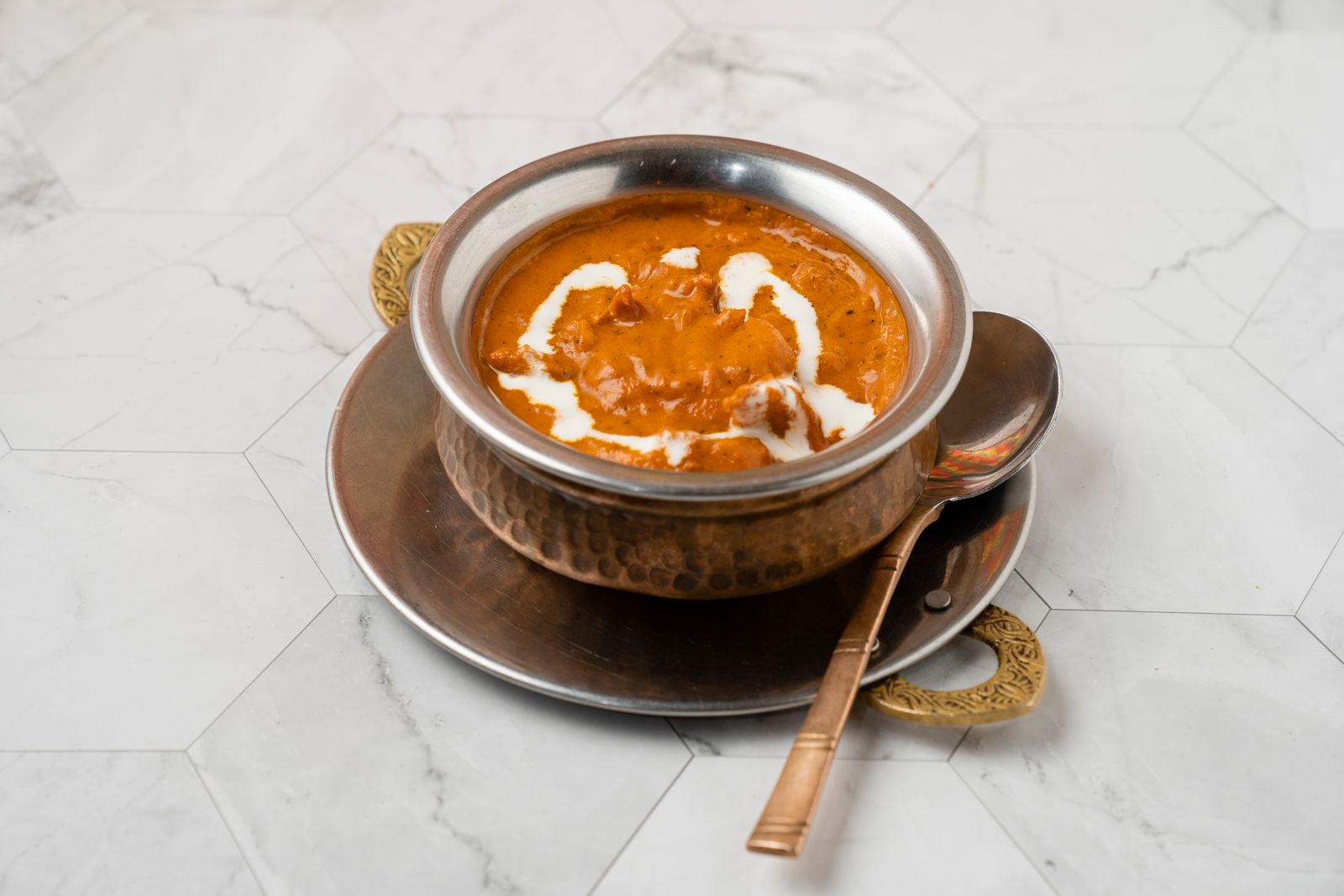
Few Indian dishes have achieved the same level of popularity in the United States as butter chicken. Rich, creamy, tomato-based, mildly spiced, and finished with tender pieces of tandoori-style chicken, it is an approachable introduction to Indian cuisine while still offering plenty of depth for experienced diners.
For anyone searching for the best butter chicken in SoHo, there’s an important local detail to keep in mind: SoHo’s restaurant scene is surrounded by several excellent downtown Manhattan neighborhoods. Current NYC restaurant guides commonly group nearby Indian restaurants in Tribeca, Greenwich Village, the West Village, and the East Village into searches for dining around SoHo.
That broader approach makes sense. You may be spending the afternoon shopping along Broadway, visiting galleries, exploring the cast-iron architecture, or staying at a hotel nearby. A restaurant a short walk outside the neighborhood can be worth considering if it offers the particular style of Indian food you’re craving.
What Makes Butter Chicken Special?
Authentic butter chicken is more than chicken covered in a creamy tomato sauce.
Traditionally associated with North Indian cooking, the dish is built around chicken that is often cooked in a tandoor before being finished in a rich sauce. The smoky character of the grilled chicken combines with tomatoes, butter, cream, and aromatic spices.
The best versions should have balance.
You want enough tomato acidity to keep the sauce lively, enough butter and cream to create richness, and enough spice to provide complexity without overpowering the dish.
The chicken should also remain tender rather than disappearing into the sauce.
A Great Choice for First-Time Indian Food Diners
Butter chicken is particularly useful for people who are new to Indian cuisine.
If you’re unsure about chili heat, you can generally request a mild preparation while still enjoying the characteristic Indian spices.
It also pairs naturally with familiar foods such as naan and basmati rice, making it easy to build a comfortable first Indian meal.
At the same time, experienced Indian food lovers can appreciate the details that separate an ordinary butter chicken from an excellent one: tandoor char, spice balance, tomato quality, texture, and the richness of the finished gravy.
SoHo Is Only the Beginning
When exploring butter chicken around SoHo, consider expanding your search into nearby neighborhoods.
Greenwich Village and the West Village offer casual neighborhood Indian restaurants.
Tribeca provides more upscale Indian dining experiences.
The Lower East Side and East Village can be especially interesting for diners looking for contemporary or regional Indian cuisine.
For example, current local listings include Gandhi Cafe in the West Village, which is specifically listed as serving butter chicken, while Paisley and Tamarind Tribeca provide more upscale downtown options.
So whether you’re looking for authentic butter chicken near SoHo, an affordable Indian lunch, a romantic dinner, or a sophisticated Indian dining experience, you have plenty of possibilities within a relatively small part of Manhattan.
The key is knowing what makes butter chicken genuinely good—and choosing the restaurant that matches the experience you want.
Why Butter Chicken Is So Popular
Butter chicken has become one of the most recognizable Indian dishes in the United States, and its popularity is easy to understand. The dish combines smoky chicken, a velvety tomato-based sauce, aromatic spices, butter, and cream into a comforting meal that feels both familiar and distinctly Indian.
For diners searching for the best butter chicken in SoHo, understanding why the dish became so popular also helps you appreciate the differences between a carefully prepared version and a generic creamy chicken curry.
A Dish With North Indian Roots
Butter chicken, commonly known as murgh makhani, is associated with North Indian cuisine and is closely connected to the culinary traditions of Delhi.
The dish is generally prepared using chicken that has been marinated and cooked, often in a tandoor, before being incorporated into a tomato-based sauce enriched with butter and other ingredients.
Its exact preparation varies between restaurants.
Some versions emphasize smoky grilled chicken, while others focus more heavily on the tomato sauce, cream, butter, or aromatic spices.
That’s part of what makes comparing different restaurants so interesting.
The Tandoor Adds Smoky Flavor
One of the characteristics that can make butter chicken special is the use of tandoor-cooked chicken.
A tandoor is a traditional clay or high-temperature oven used throughout South Asian cooking.
Chicken cooked in a tandoor can develop charred edges and a subtle smoky flavor.
When those pieces are added to the butter chicken sauce, you get an appealing contrast:
Smoky chicken + creamy tomato gravy
That combination is a major reason the dish is so satisfying.
When you’re evaluating a restaurant, ask whether the chicken is cooked in a tandoor before being added to the sauce.
The Tomato Sauce Creates Balance
Butter chicken isn’t simply a cream sauce.
Tomatoes provide acidity and brightness, which help balance the richness of butter and cream.
A well-prepared sauce should taste:
- Tomato-forward
- Creamy
- Aromatic
- Slightly sweet
- Savory
- Balanced with spices
The exact balance varies by restaurant.
Some American diners prefer a sweeter, creamier version, while others enjoy a more tomato-heavy preparation with noticeable spice and acidity.
Butter and Cream Add Richness
The “butter” in butter chicken is important, but the dish shouldn’t taste like melted butter.
The richness should complement the tomato base and spices.
Cream may also be used to create a smooth texture.
When these ingredients are properly balanced, the sauce feels luxurious without becoming overwhelmingly heavy.
If you finish a plate and feel as though you’ve eaten nothing but cream and butter, the sauce may have lost some of the complexity that makes the dish special.
The Spices Are Usually Aromatic Rather Than Aggressively Hot
Another reason butter chicken appeals to American diners is that it doesn’t have to be extremely spicy.
Indian cooking uses many spices for aroma and depth, not simply heat.
A butter chicken sauce may contain combinations of:
- Garam masala
- Cumin
- Coriander
- Fenugreek
- Ginger
- Garlic
- Chili
- Cardamom
- Black pepper
One particularly important ingredient is kasuri methi, or dried fenugreek leaves.
It can contribute a distinctive herbal aroma that many experienced Indian food lovers associate with butter chicken.
Why First-Time Diners Love It
Butter chicken provides an easy entry point into Indian cuisine.
The texture is familiar.
The chicken is recognizable.
The sauce is creamy.
The spices are aromatic without necessarily being overwhelming.
And it pairs naturally with naan or rice.
For someone who has never eaten Indian food, ordering butter chicken with garlic naan can feel much less intimidating than navigating a menu filled with unfamiliar regional dishes.
Once diners become comfortable with the flavors, they can begin exploring dishes such as:
- Rogan josh
- Chicken tikka
- Dal makhani
- Saag paneer
- Chana masala
- Biryani
- Dosa
- Indian street food
Butter chicken can therefore be a gateway to the much larger world of Indian cuisine.
Butter Chicken vs. Other Indian Chicken Curries
Not every creamy Indian chicken dish is butter chicken.
Chicken tikka masala is perhaps the dish most frequently compared with it.
The two can look and taste similar, particularly in restaurants outside India, but they have different culinary histories and preparation traditions.
Butter chicken traditionally emphasizes tandoor-cooked chicken combined with a rich tomato-based sauce.
Chicken tikka masala also uses grilled chicken in a spiced sauce, but recipes and regional interpretations can vary considerably.
Rather than worrying about which dish is “better,” try both and pay attention to the differences in sauce, spice, texture, and smokiness.
It Works With Different Dining Styles
Butter chicken is versatile enough for several types of meals.
For a quick lunch, order a smaller serving with rice or naan.
For a family dinner, share a large portion alongside vegetable dishes.
For a date night, pair it with appetizers, wine or cocktails where available, and an Indian dessert.
For takeout, the creamy sauce generally travels well and reheats more successfully than many delicate Indian dishes.
Why It Continues to Be Popular
Ultimately, butter chicken succeeds because it balances comfort and complexity.
The dish has enough familiar elements to appeal to newcomers, while the combination of tandoor cooking, Indian spices, tomato, butter, cream, and fenugreek gives it a distinctive character.
That balance explains why it remains one of the first dishes many Americans order when exploring Indian restaurants.
So when you’re searching for the best butter chicken in SoHo, don’t simply look for the creamiest or richest version.
Look for the restaurant that understands the balance between smoky chicken, tomato acidity, aromatic spices, butter, cream, and subtle heat.
That’s where a familiar favorite can become a truly memorable Indian meal.
What Makes Authentic Butter Chicken?
A great butter chicken should be rich and comforting, but authenticity is about much more than adding extra butter or cream. The best versions balance smoky chicken, tomato, spices, butter, cream, and herbs so that no single ingredient overwhelms the others.
If you’re searching for authentic butter chicken in SoHo, learning what to look for can help you distinguish a carefully prepared dish from one that is simply sweet, creamy, and orange.
Tender Tandoori-Style Chicken
The chicken is one of the most important components.
Traditional preparations commonly begin with marinated chicken that is cooked before being incorporated into the sauce. Tandoor cooking can give the meat a lightly charred exterior and smoky flavor.
Look for chicken that is:
- Tender
- Moist
- Properly seasoned
- Lightly charred
- Flavorful beyond the sauce
If the chicken tastes completely plain underneath the gravy, the restaurant may be missing an important opportunity to build flavor.
A Smooth Tomato-Based Gravy
The sauce is the heart of butter chicken.
Tomatoes provide the acidity and savory foundation, while butter and cream create richness.
A well-balanced gravy should generally be smooth and cohesive rather than watery or excessively thick.
The tomato flavor should remain noticeable.
If the sauce tastes overwhelmingly sweet or creamy, it can hide the spices and reduce the complexity of the dish.
Butter Should Add Richness, Not Greasiness
The name “butter chicken” naturally suggests a rich dish, but more butter doesn’t necessarily mean better butter chicken.
A good preparation uses fat to create a luxurious texture while maintaining balance.
You should be able to taste the tomato and spices alongside the butter.
If a large amount of oil or butter separates and pools around the edges of the dish, that’s not necessarily a sign of quality.
Cream Should Be Balanced
Cream can make the sauce silky and mellow the heat from the spices.
But excessive cream can turn the dish into a generic creamy tomato curry.
The best versions use richness strategically.
The sauce should feel luxurious while still allowing the aromatic spices and tomato to remain identifiable.
Fenugreek Is an Important Clue
One ingredient worth paying attention to is kasuri methi, or dried fenugreek leaves.
Fenugreek can provide a distinctive herbal, slightly bitter aroma that complements the richness of butter chicken.
It doesn’t need to dominate the dish.
In fact, subtlety is often the goal.
If you smell a gentle herbal note alongside the tomato and spices, that’s a good indication that the restaurant is building layers of flavor.
The Spice Blend Should Have Depth
Authentic-tasting butter chicken doesn’t need to be fiery.
Instead, the spices should create depth.
Depending on the recipe, you may notice:
- Garam masala
- Cumin
- Coriander
- Ginger
- Garlic
- Chili
- Fenugreek
- Black pepper
- Cardamom
The exact combination varies by restaurant.
A good sauce allows you to identify multiple flavors rather than simply tasting chili powder.
Sweetness Should Be Controlled
This is particularly important when evaluating butter chicken in the United States.
Some restaurants adjust their recipes for local preferences and may make the sauce noticeably sweeter.
A little sweetness can balance tomato acidity and spice.
Too much sugar, however, can make the dish taste more like a sweet tomato cream sauce than a complex Indian preparation.
If the first flavor you notice is sugar, the balance may be off.
Smokiness Adds Character
Tandoor-cooked chicken can contribute subtle smoky notes to the finished dish.
That smokiness doesn’t need to dominate.
Instead, it should provide another layer beneath the tomato, butter, cream, and spices.
The contrast between smoky chicken and creamy gravy is one of the characteristics that makes butter chicken so enjoyable.
Texture Matters
A good butter chicken sauce should coat the chicken without becoming excessively thick.
The chicken should remain distinct from the gravy.
You should be able to enjoy both components individually and together.
A watery sauce can make the dish feel unfinished, while an overly thick sauce can become heavy.
Authentic Doesn’t Mean Extremely Spicy
This is worth emphasizing.
Indian food isn’t automatically authentic because it makes you sweat.
Butter chicken traditionally relies on aromatic spices and rich ingredients rather than extreme chili heat.
A mild butter chicken can still be authentic.
If you’re sensitive to spice, ask the restaurant for a mild version.
You can always add chili or spicy chutney later if you want more heat.
Look at What the Restaurant Specializes In
When choosing where to eat, consider the restaurant’s broader menu.
Restaurants specializing in North Indian cuisine, tandoori cooking, or regional Indian dishes may have a deeper understanding of butter chicken than restaurants that offer a very broad international menu.
This doesn’t mean a contemporary restaurant can’t make an excellent version.
It simply gives you useful context.
Don’t Assume Expensive Means Authentic
An upscale restaurant can serve an excellent butter chicken, but price alone isn’t proof of authenticity.
A casual neighborhood restaurant may have a more traditional preparation.
Likewise, an upscale restaurant may intentionally reinterpret the dish.
Decide what you’re looking for:
Traditional: Regional preparation and classic flavors.
Contemporary: Modern presentation and creative interpretation.
Comfort food: Rich, creamy, approachable sauce.
Fine dining: Premium ingredients and refined service.
How to Evaluate Your First Bite
When the butter chicken arrives, don’t immediately mix it with rice or naan.
Taste the chicken and sauce separately first.
Ask yourself:
- Is the chicken smoky?
- Is it tender?
- Can I taste tomato?
- Is the sauce too sweet?
- Are the spices noticeable?
- Is the cream balanced?
- Is there a subtle fenugreek aroma?
- Does the sauce feel rich without being greasy?
Then try it with naan or rice.
This gives you a much better sense of the restaurant’s preparation.
The Real Test Is Balance
Ultimately, authentic butter chicken isn’t defined by one ingredient.
It’s the relationship between all of them.
Tandoor chicken + tomato + butter + cream + spices + fenugreek + balanced heat
When those elements work together, the result should be rich but not heavy, flavorful but not overwhelming, and aromatic without relying on excessive spice.
That’s what you should look for when exploring the best butter chicken in SoHo.
A restaurant doesn’t need to make the hottest or richest version to stand out. The real skill is creating a dish where every ingredient has a purpose—and where you can finish the meal already thinking about your next visit.
Top Places for Butter Chicken in and Near SoHo
Finding the best butter chicken in SoHo requires a slightly wider search than simply looking at restaurants within a few blocks. SoHo is surrounded by neighborhoods with strong Indian dining options, and some worthwhile destinations are just a short walk or quick ride away.
For this guide, the restaurants below are grouped by their practical relevance to a SoHo visitor. Because menus change, butter chicken availability should always be confirmed on the restaurant’s current menu before visiting.
Araf Biriyani & Halal Food
Araf Biriyani & Halal Food is located at 560 Broadway, making it one of the most convenient casual options for anyone already exploring central SoHo.
The restaurant is primarily known for affordable halal Indian food and biryani, so it is a better choice for diners who want a quick, inexpensive Indian meal rather than a formal butter-chicken dinner. If butter chicken is the specific dish you’re seeking, check the current menu before making the trip.
Known for: Halal Indian food and biryani
Popular choices: Biryani and Indian rice dishes
Approximate cost: $10–$20 per person
Area: SoHo/Broadway
Best for: Budget diners, quick meals, and takeout
INDAY
INDAY at 240 Lafayette Street offers a contemporary, fast-casual interpretation of Indian food right around the SoHo/Nolita area.
Its style is quite different from a traditional North Indian curry restaurant. Instead of expecting a classic butter chicken experience, diners should think of INDAY as a modern Indian option where customizable rice bowls and Indian-inspired ingredients are the focus. Check the current menu if butter chicken is specifically what you want.
Known for: Modern fast-casual Indian food
Popular choices: Rice bowls, Indian-inspired proteins, vegetables, and sauces
Approximate cost: $10–$20 per person
Area: SoHo/Nolita
Best for: Quick lunches and casual dining
Masala Times
Masala Times on Bleecker Street is a short trip from SoHo and provides a more traditional casual Indian restaurant experience.
This is the kind of neighborhood restaurant that works well when you want familiar Indian comfort food in a relaxed setting. Depending on the current menu, diners may find butter chicken alongside other North Indian favorites, curries, rice dishes, and vegetarian preparations.
Known for: Casual Indian comfort food
Popular dishes: Curries, biryani, chicken dishes, and vegetarian specialties
Approximate cost: $20–$30 per person
Area: Greenwich Village
Best for: Casual dinners, groups, and neighborhood dining
Gandhi Cafe
Gandhi Cafe is a West Village option worth considering when you’re willing to walk beyond SoHo.
The restaurant offers a neighborhood-style Indian dining experience and is particularly relevant to this guide because current local listings associate it with butter chicken. The relaxed setting makes it more appropriate for an everyday Indian meal than a formal celebration.
Known for: Indian comfort food and classic preparations
Popular dish: Butter chicken, when available
Approximate cost: Check the current menu
Area: West Village
Best for: Casual Indian dining and classic dishes
Mughlai Grill
Mughlai Grill at 6 Clinton Street takes the search toward the Lower East Side.
Its Mughlai and North Indian orientation makes it particularly interesting for diners who enjoy rich meat curries, grilled dishes, and aromatic sauces. Butter chicken availability should be checked against the current menu, but the restaurant’s broader style makes it relevant for anyone exploring North Indian flavors.
Known for: Mughlai and North Indian cuisine
Popular dishes: Curries, kebabs, biryani, and meat specialties
Approximate cost: $20–$30 per person
Area: Lower East Side
Best for: Hearty Indian meals and casual dining
Paisley
Paisley in Tribeca offers a more polished Indian dining experience.
Located at 429 Greenwich Street, it is outside SoHo’s strict boundaries but close enough to be practical for a downtown food itinerary. Its upscale atmosphere makes it a better choice for diners who want Indian food as part of a longer dinner rather than a quick curry-and-naan stop.
Check the current menu to confirm whether butter chicken is being served during your visit.
Known for: Upscale Indian cuisine
Popular dishes: Regional Indian specialties, curries, grilled dishes, and rice preparations
Approximate cost: $50–$100 per person
Area: Tribeca
Best for: Date nights, celebrations, and refined Indian dining
Tamarind Tribeca
Tamarind Tribeca is another upscale option near SoHo.
The restaurant provides a refined setting for Indian cuisine and is particularly suitable for special occasions, business dinners, and diners who want more polished service.
Butter chicken should be treated as a menu-dependent recommendation rather than a guaranteed signature dish. Check the current menu before visiting specifically for it.
Known for: Refined Indian dining
Popular dishes: Tandoori preparations, curries, seafood, meat, and vegetarian specialties
Approximate cost: $50–$100+ per person
Area: Tribeca
Best for: Special occasions and upscale Indian food
Musaafer
Musaafer offers another contemporary Indian dining experience in downtown Manhattan.
This is a restaurant to consider when the overall experience matters as much as the specific dish. The setting, presentation, and contemporary approach make it quite different from an inexpensive neighborhood curry restaurant.
If butter chicken appears on the current menu, it can be part of a broader upscale Indian meal rather than the sole reason to visit.
Known for: Contemporary Indian cuisine
Popular dishes: Regional specialties, kebabs, curries, and rice preparations
Approximate cost: $100+ per person
Area: Tribeca
Best for: Luxury dining, celebrations, and date nights
Adda
Adda is farther east in the Long Island City area, so it isn’t a practical SoHo neighborhood restaurant. However, serious Indian food enthusiasts may consider it when they are willing to travel for regional Indian cooking.
Adda is particularly interesting for diners who want a deeper exploration of Indian cuisine rather than a generic restaurant menu. If butter chicken is specifically on the current menu, it can be worth considering as part of a broader regional experience.
Known for: Regional Indian cooking
Popular dishes: Regional curries, grilled preparations, biryani, and Indian specialties
Approximate cost: Check the current menu
Area: Long Island City
Best for: Serious Indian food enthusiasts willing to travel
Dhamaka
Dhamaka on Delancey Street is another destination beyond SoHo that is especially relevant for adventurous Indian diners.
Rather than focusing solely on familiar restaurant classics, Dhamaka is known for regional Indian cooking and bold flavors. That makes it an interesting stop if you’re using your search for butter chicken as an opportunity to explore Indian cuisine more broadly.
Because menus can change, check the current selection before traveling specifically for butter chicken.
Known for: Regional Indian cuisine
Popular dishes: Bold regional specialties, meat dishes, curries, and traditional preparations
Approximate cost: $50–$100 per person
Area: Lower East Side
Best for: Adventurous diners and regional Indian cuisine
How to Choose the Right Restaurant
The best option depends on what you want from your meal.
For convenience: Start with restaurants around SoHo and Nolita.
For a casual meal: Consider Greenwich Village or the Lower East Side.
For traditional North Indian flavors: Look for restaurants emphasizing Mughlai or North Indian cuisine.
For a special occasion: Explore upscale Tribeca restaurants.
For adventurous diners: Expand your search to regional Indian restaurants farther downtown.
And if butter chicken is the only reason you’re making the trip, always confirm that the dish is currently available. Restaurants change menus, rotate specials, and occasionally remove dishes altogether.
The broader lesson is that finding the best butter chicken near SoHo isn’t necessarily about finding the closest restaurant. It’s about matching the restaurant’s style with the kind of butter chicken experience you want—from casual comfort food to sophisticated Indian dining.
Best Neighborhoods for Butter Chicken Near SoHo
One of the easiest ways to improve your search for the best butter chicken in SoHo is to think beyond SoHo’s exact neighborhood boundaries. Manhattan’s downtown neighborhoods are compact and closely connected, so a short walk can take you from one dining scene to another.
For butter chicken lovers, this is good news. You can start in SoHo and expand your search according to your budget, preferred atmosphere, and interest in traditional or contemporary Indian cuisine.
SoHo: The Convenient Starting Point
SoHo is the natural place to begin because you’re already surrounded by shopping, galleries, cafés, and popular downtown attractions.
The neighborhood is relatively compact, so restaurant choices specifically focused on classic North Indian dishes can be more limited than you might expect.
If convenience is your priority, look around Broadway, Lafayette Street, and the streets immediately surrounding SoHo.
This works particularly well for:
- Tourists
- Quick lunches
- Casual dinners
- Hotel guests
- Takeout
- Solo diners
However, don’t feel that you need to limit your search to restaurants with a SoHo address.
Nolita: Just East of SoHo
Nolita sits directly beside SoHo and is an easy extension of a downtown food itinerary.
The area is known for its compact streets and restaurants, making it convenient for travelers who want to combine Indian food with shopping and sightseeing.
Modern Indian restaurants can be particularly interesting here because they may approach familiar dishes differently from traditional neighborhood restaurants.
If you want classic butter chicken, check the menu carefully. If you’re interested in contemporary Indian flavors, Nolita can be a worthwhile part of your search.
Greenwich Village: Casual Neighborhood Dining
Greenwich Village is another useful area to explore.
The neighborhood has a more residential, local atmosphere than the busiest parts of SoHo, and it offers several casual Indian dining options.
This can be a good choice if you want:
- Relaxed dining
- Classic Indian comfort food
- Reasonable prices
- Vegetarian options
- Casual takeout
- Neighborhood restaurants
Masala Times, for example, is located on Bleecker Street and can be combined with a Village walking itinerary.
For diners looking specifically for butter chicken, check the restaurant’s current menu before visiting.
West Village: Relaxed and Atmospheric
The West Village offers another nearby option for Indian food lovers.
The neighborhood’s tree-lined streets and intimate restaurants make it particularly appealing for couples and travelers looking for a more relaxed evening.
Gandhi Cafe is one example of a neighborhood Indian restaurant currently associated with butter chicken in local listings.
This area is especially attractive if you want to turn dinner into part of an evening walk rather than simply grabbing a quick meal.
Tribeca: Best for Upscale Dining
If atmosphere and service are important to you, head south toward Tribeca.
Tribeca is home to several more upscale Indian restaurants, including options such as Paisley and Tamarind Tribeca.
Here, butter chicken—or another North Indian preparation—can become part of a longer, multi-course dinner.
Expect a different experience from a casual curry restaurant.
You may find:
- More sophisticated interiors
- Premium ingredients
- Extensive beverage programs
- More formal service
- Carefully presented dishes
- Higher prices
Tribeca is particularly suitable for date nights, business dinners, anniversaries, and celebrations.
Lower East Side: Bold and Regional Indian Food
The Lower East Side offers a different type of Indian dining experience.
Instead of limiting yourself to familiar dishes, this neighborhood can be a good place to explore regional Indian cuisine.
Mughlai Grill and Dhamaka are examples of restaurants in this broader downtown area that appeal to diners interested in deeper Indian culinary traditions.
If your goal is specifically classic butter chicken, confirm the current menu first.
If your goal is to discover something new after trying butter chicken, however, the Lower East Side can be particularly rewarding.
East Village: Contemporary and Diverse
The East Village is another neighborhood worth considering when you’re willing to travel beyond SoHo.
Its Indian restaurant scene includes both casual and contemporary options.
The neighborhood can be a good choice for experienced Indian food lovers who want to compare different regional approaches.
You may find:
- South Indian dishes
- Regional curries
- Modern Indian cooking
- Vegetarian specialties
- Street food
- Casual restaurants
This makes the East Village a useful destination if butter chicken is simply your starting point for exploring Indian cuisine.
Long Island City: Worth the Trip for Serious Food Lovers
If you’re willing to travel farther, Long Island City offers Indian dining destinations that aren’t practical for a quick SoHo lunch but may be worth considering for a dedicated food outing.
Adda is one example of a restaurant associated with regional Indian cooking.
This isn’t the neighborhood to visit simply because you happen to be shopping in SoHo.
Instead, consider it when you want to make Indian food the focus of your outing.
How Far Should You Travel?
Your ideal neighborhood depends on your priorities.
Within SoHo: Best for convenience.
Nolita: Best for modern downtown dining nearby.
Greenwich Village: Best for casual neighborhood restaurants.
West Village: Best for a relaxed dinner.
Tribeca: Best for upscale Indian dining.
Lower East Side: Best for adventurous regional cuisine.
East Village: Best for exploring diverse Indian styles.
Long Island City: Best for dedicated food enthusiasts willing to travel.
Don’t Choose Based Only on Distance
The closest restaurant isn’t always the best restaurant for your needs.
If you want affordable butter chicken, a casual restaurant may be better.
If you’re celebrating an anniversary, an upscale Tribeca restaurant could make more sense.
If you’re an experienced Indian food lover, a regional restaurant farther away may offer a more interesting meal.
Think about experience + cuisine + budget + convenience rather than distance alone.
The Best Neighborhood Is the One That Matches Your Meal
SoHo gives you the perfect starting point, but downtown Manhattan’s connected neighborhoods give you far more choices.
Whether you’re looking for authentic butter chicken near SoHo, a quick Indian lunch, a romantic dinner, or a regional Indian food experience, you don’t have to limit yourself to one neighborhood.
Start close to where you are, then expand your search when a particular restaurant, regional specialty, or dining experience is worth the extra few blocks.
That flexibility is one of the biggest advantages of exploring Indian food in downtown New York City.
Popular Butter Chicken Styles to Try
Butter chicken may have a recognizable identity, but there isn’t one universal version served at every Indian restaurant. Chefs can adjust the sauce, spice level, smoky character, richness, and presentation while still working within the broader tradition of murgh makhani.
For diners searching for the best butter chicken in SoHo, comparing different preparations can be more rewarding than simply ordering the first version you see.
Classic North Indian Butter Chicken
The classic approach typically combines cooked chicken with a tomato-based sauce enriched with butter and often cream.
The chicken may be marinated with yogurt and spices before being cooked in a tandoor or another high-heat cooking method.
The finished sauce should be rich but balanced, with enough tomato acidity and aromatic spice to prevent the dish from becoming overwhelmingly creamy.
This is the version most first-time diners should consider.
Best for: beginners, families, and diners looking for a familiar Indian classic.
Tandoori Butter Chicken
A particularly appealing version emphasizes the smoky character of tandoor-cooked chicken.
The chicken develops charred edges before being incorporated into the sauce.
That creates an extra layer of flavor:
Smoky grilled chicken + creamy tomato gravy.
If you enjoy grilled foods, this style can be especially satisfying.
When ordering, ask whether the chicken is cooked in a tandoor before being added to the sauce.
Mild Butter Chicken
Mild butter chicken is a great option for diners who are new to Indian cuisine or don’t enjoy significant chili heat.
The aromatic spices remain present, but the chili component is reduced.
Importantly, mild doesn’t have to mean bland.
A good mild preparation should still have:
- Tomato flavor
- Ginger and garlic
- Garam masala
- Fenugreek
- Butter
- Cream
- Smoky chicken
The goal is to reduce heat without removing flavor.
Medium-Spice Butter Chicken
Medium spice is often a useful middle ground.
You can experience the chili and aromatic spices without having the heat dominate the dish.
If you’re dining with people who have different spice tolerances, medium butter chicken can work well alongside raita and milder vegetable dishes.
Spicy Butter Chicken
Some restaurants offer a hotter interpretation for diners who enjoy chili.
This may involve additional fresh chilies, chili powder, or spicy accompaniments.
However, remember that traditional butter chicken isn’t defined by extreme heat.
If you’re looking for authentic flavor rather than a spice challenge, ask the restaurant how much heat they recommend.
Creamy Restaurant-Style Butter Chicken
Some American diners prefer an especially smooth and creamy version.
This preparation tends to emphasize:
- Butter
- Cream
- Tomato
- Mild spices
It can be comforting and approachable, particularly when paired with garlic naan.
The downside is that excessive cream can hide the tomato and spices.
The best creamy versions still maintain a noticeable savory and aromatic character.
Tomato-Forward Butter Chicken
Other restaurants place more emphasis on the tomato base.
These versions may taste:
- Brighter
- Tangier
- More savory
- Less heavy
This can be a better choice if you enjoy tomato-based sauces but don’t want an overly rich curry.
Tomato-forward butter chicken can also pair especially well with plain basmati rice because the sauce provides plenty of flavor on its own.
Smoky Butter Chicken
Smokiness can come primarily from tandoor cooking.
Some chefs may also use other techniques to emphasize the grilled character.
The important thing is balance.
A subtle smoky aroma can make the dish much more interesting.
Too much smoke, however, can overwhelm the tomato and spices.
Contemporary Butter Chicken
Modern Indian restaurants sometimes reinterpret familiar dishes.
You may encounter:
- Different plating
- Modern sauces
- Alternative garnishes
- Deconstructed presentations
- Regional ingredients
- Unusual spice combinations
This can be exciting, particularly for experienced Indian food lovers.
However, if you’re specifically craving traditional butter chicken, check whether the restaurant describes its version as classic or contemporary.
Butter Chicken With Charred Chicken
Look closely at the chicken pieces.
Small charred edges can indicate that the meat has been grilled or cooked at high heat before entering the sauce.
That adds textural contrast.
The ideal chicken should remain tender inside while developing enough exterior char to contribute smoky flavor.
Butter Chicken With Strong Fenugreek Notes
Kasuri methi, or dried fenugreek leaves, can give butter chicken a distinctive aroma.
If you’re familiar with Indian food, you may recognize this immediately.
The flavor should be noticeable but not overpowering.
A subtle fenugreek aroma combined with tomato, butter, and warm spices can make the sauce feel much more complex.
How to Choose Your Style
If you’re unsure which preparation to order, use this simple guide:
First-time diner: Classic mild butter chicken
Love smoky flavors: Tandoori or charred chicken version
Prefer lighter sauces: Tomato-forward preparation
Love rich curries: Creamier restaurant-style version
Enjoy chili: Medium or spicy preparation
Experienced Indian food lover: Regional or contemporary interpretation
Try Different Versions
The easiest way to understand butter chicken is to compare restaurants.
Order a classic preparation at one restaurant.
Try a smoky version at another.
Then explore a contemporary interpretation.
You may discover that your favorite isn’t the richest or spiciest version at all.
Perhaps you prefer a tomato-forward sauce with noticeable fenugreek.
Or maybe smoky tandoor chicken is what makes the dish memorable for you.
Authenticity Comes in Different Forms
When searching for authentic butter chicken in SoHo, don’t expect every restaurant to serve exactly the same dish.
Recipes evolve.
Restaurants adapt to their customers.
Regional traditions differ.
Chefs bring their own techniques.
What matters is whether the restaurant creates a balanced dish that respects the essential character of butter chicken while delivering a satisfying dining experience.
That’s why exploring different versions is part of the fun.
The next time you’re ordering butter chicken in downtown Manhattan, don’t just ask whether it’s spicy.
Ask what style the restaurant serves.
That small question can lead you to a much more interesting Indian meal.
Butter Chicken vs. Chicken Tikka Masala
Butter chicken and chicken tikka masala are two of the most frequently ordered Indian chicken dishes in the United States. Both commonly feature grilled chicken in a tomato-based sauce, and their appearance can be remarkably similar.
That similarity is one reason diners often confuse them.
If you’re searching for the best butter chicken in SoHo, understanding the difference can help you order with greater confidence and appreciate what makes each dish distinctive.
What Is Butter Chicken?
Butter chicken, or murgh makhani, is traditionally associated with North Indian cooking and the culinary traditions of Delhi.
The dish generally involves chicken that has been marinated and cooked before being combined with a tomato-based sauce enriched with butter and often cream.
Tandoor cooking can give the chicken smoky, charred edges.
The sauce is typically smooth, rich, and aromatic.
Common flavor components include:
- Tomato
- Butter
- Cream
- Ginger
- Garlic
- Garam masala
- Fenugreek
- Chili
- Other aromatic spices
The result is a rich but balanced curry that is often approachable for people new to Indian cuisine.
What Is Chicken Tikka Masala?
Chicken tikka masala also commonly features pieces of grilled chicken in a spiced tomato-based sauce.
The chicken is generally prepared as tikka—small pieces of marinated chicken that are grilled or cooked at high heat.
The sauce can vary dramatically between restaurants.
Some versions are creamy.
Others are more tomato-forward.
Some are relatively mild, while others contain substantial chili heat.
Unlike butter chicken, chicken tikka masala doesn’t have one universally standardized recipe.
Why They Taste Similar
The similarities are obvious.
Both dishes can contain:
- Marinated chicken
- Grilled or tandoori-style meat
- Tomato
- Cream
- Aromatic spices
- Ginger
- Garlic
Both are also commonly served with naan or rice.
That’s why someone unfamiliar with Indian cuisine may order one expecting the other.
The Role of Butter
The most obvious difference is in the name itself.
Butter chicken traditionally places more emphasis on butter and the rich, smooth texture associated with it.
Chicken tikka masala can also be creamy, but butter isn’t necessarily the defining characteristic.
The balance between tomato, cream, spices, and fat varies significantly from restaurant to restaurant.
The Sauce Can Be Different
Butter chicken often has a particularly smooth and mellow sauce.
Chicken tikka masala can have a more pronounced tomato and spice profile.
However, this isn’t an absolute rule.
One restaurant’s chicken tikka masala may taste very similar to another restaurant’s butter chicken.
That’s why it’s better to look at the restaurant’s description and preparation rather than relying only on the name.
Chicken Preparation Matters
Both dishes can use grilled chicken, but the way the chicken is prepared and incorporated into the sauce can differ.
For butter chicken, tandoor-cooked chicken is particularly important to the traditional character of the dish.
Chicken tikka masala also commonly starts with grilled chicken tikka.
In either case, good char and tender meat can dramatically improve the final dish.
Which Is Milder?
Butter chicken is generally the safer choice for diners who prefer mild food.
Its rich butter-and-cream component can soften the impact of chili.
Chicken tikka masala can range from mild to quite spicy depending on the restaurant.
However, both can usually be adjusted to suit different preferences.
If you’re sensitive to spice, simply ask for a mild preparation.
Which Is Richer?
Butter chicken generally has a richer, more luxurious profile.
The combination of butter, cream, and tomato creates a velvety sauce that pairs beautifully with naan.
Chicken tikka masala may feel lighter if the restaurant uses a more tomato-forward preparation.
But again, individual recipes vary.
Which Is Better With Naan?
Both are excellent with naan.
For butter chicken, garlic naan is a classic pairing because the bread can soak up the rich sauce.
Chicken tikka masala also works beautifully with naan, especially if the gravy has a stronger tomato and spice character.
If you’re sharing with a group, ordering one naan for every one or two people is often a practical starting point, depending on portion sizes.
Which Is Better With Rice?
Butter chicken works well with:
- Plain basmati rice
- Jeera rice
- Saffron rice
- Biryani, for a much richer meal
Chicken tikka masala also pairs naturally with basmati or jeera rice.
If you’re already ordering biryani, however, you probably don’t need another rice dish.
Which Should First-Time Diners Choose?
For someone completely new to Indian food, butter chicken is often the easier introduction.
Its creamy texture and mild spice profile make it approachable.
Chicken tikka masala is also beginner-friendly, particularly if you enjoy tomato-based sauces.
If you’re unsure, ask the restaurant which dish is milder.
Which Should Experienced Diners Try?
If you’ve already eaten butter chicken several times, try chicken tikka masala and compare them.
Pay attention to:
- Tomato acidity
- Creaminess
- Spice level
- Chicken char
- Fenugreek
- Butter
- Sauce texture
The comparison can help you understand the subtle differences between Indian restaurant classics.
Don’t Treat One as “More Authentic” Automatically
It’s tempting to say that one dish is authentic while the other isn’t.
That’s too simplistic.
Butter chicken has a well-known connection to North Indian culinary traditions.
Chicken tikka masala has a more complicated history and has become especially associated with British Indian restaurant culture.
Both are now widely recognized dishes within the global Indian food landscape.
Instead of using authenticity as a weapon against one dish, focus on whether the restaurant prepares it thoughtfully.
A Side-by-Side Meal
If you’re dining with a friend, try ordering both.
Start with:
Butter chicken + garlic naan
Then compare it with:
Chicken tikka masala + basmati rice
Taste each sauce independently.
Look at the chicken texture.
Compare the tomato character.
Notice the difference in richness and spice.
This can be a fun way to explore Indian cuisine without ordering a huge number of dishes.
Which One Should You Order in SoHo?
Choose butter chicken if you want:
- Creamy richness
- Mild-to-medium spice
- Tandoori chicken
- Smooth tomato gravy
- A classic North Indian favorite
Choose chicken tikka masala if you want:
- Stronger tomato flavor
- More variable spice levels
- Grilled chicken pieces
- A different interpretation of Indian-style curry
There is no wrong answer.
For anyone searching for the best butter chicken in SoHo, knowing the distinction simply makes it easier to recognize what you’re ordering and appreciate the differences.
And if you have enough room for two dishes, ordering both can be one of the best ways to explore the rich and evolving world of Indian cuisine in New York City.
Best Side Dishes With Butter Chicken
Butter chicken is rich, creamy, and intensely flavorful, so the right side dishes can make the meal much more enjoyable. The goal is to choose accompaniments that complement the tomato-based gravy rather than compete with it.
If you’re ordering the best butter chicken in SoHo, a few well-chosen sides can turn a simple curry into a complete Indian meal.
Garlic Naan
Garlic naan is one of the most popular pairings for butter chicken.
The soft, slightly chewy bread is ideal for scooping up the creamy tomato gravy, while garlic adds another aromatic layer.
Freshly baked naan served straight from a tandoor is especially enjoyable because the edges can have a light char while the center remains soft.
For two diners, one or two naan can often be enough when you’re also ordering other dishes.
Butter Naan
If you want an even richer combination, butter naan works beautifully with butter chicken.
The buttery bread complements the creamy sauce, creating an indulgent meal.
However, because both the curry and bread are rich, you may prefer garlic naan if you want a little more contrast.
Tandoori Roti
Tandoori roti is a useful alternative if you want something lighter than naan.
It’s generally thinner and less rich, allowing the butter chicken sauce to remain the focus.
This is a good option when you’re trying to enjoy the curry without making the entire meal excessively heavy.
Plain Basmati Rice
Sometimes simple is best.
Plain basmati rice allows you to appreciate the butter chicken sauce without adding another strong flavor.
The rice absorbs the gravy and provides a soft, neutral base.
It’s particularly useful if you ordered a spicier butter chicken and want to balance each bite.
Jeera Rice
Jeera rice, or cumin rice, adds more flavor while remaining relatively subtle.
The rice is typically prepared with cumin and aromatic ingredients, giving it a fragrant character that pairs naturally with Indian curries.
If you don’t want naan, jeera rice is an excellent choice.
Biryani
Biryani and butter chicken can be a delicious combination, but it is also extremely filling.
If you’re dining with a group, sharing one biryani alongside butter chicken can provide variety.
For one or two diners, however, ordering both may be more food than necessary.
If biryani is your main priority, you may want to choose it instead of plain rice.
Dal Makhani
Dal makhani is another rich North Indian classic.
Made primarily with black lentils and beans, it is slow-cooked and typically finished with butter or cream.
Its creamy texture pairs well with butter chicken, but the combination is quite rich.
If you’re ordering both, balance the meal with something fresh such as salad or raita.
Chana Masala
Chana masala offers a useful contrast.
The chickpea-based dish is hearty but generally more tangy and spice-forward than butter chicken.
The tomato, spices, and chickpeas provide another texture and flavor profile.
It is also a good vegetarian option for a mixed table.
Saag Paneer
Saag paneer combines leafy greens with cubes of paneer.
Its earthy, savory flavor provides a nice contrast to the sweeter, creamier character of butter chicken.
This is especially useful when you’re sharing a meal with vegetarian diners.
Samosas
Samosas make an easy appetizer before butter chicken.
Their crisp pastry and spiced filling provide a textural contrast to the creamy curry.
For two people, one order of samosas is usually enough to share.
If you’re ordering several mains, don’t overdo the appetizers because butter chicken is already filling.
Onion Salad
A simple onion salad can provide acidity and freshness.
Depending on the restaurant, it may include:
- Red onion
- Cucumber
- Tomato
- Lemon
- Cilantro
- Green chili
The crisp vegetables help balance the richness of the curry.
Raita
Raita is particularly useful if your butter chicken is spicy.
The cool yogurt-based side can soften the heat and add another creamy texture.
However, because butter chicken is already rich, some diners prefer a fresh salad instead.
If you’re vegan, ask for a dairy-free alternative.
Pickles
Indian pickles provide concentrated flavor.
Mango pickle, lime pickle, and mixed vegetable pickle can all add acidity, saltiness, and heat.
Start with a very small amount.
The flavor can be powerful enough to dominate the butter chicken if you use too much.
Papad
Papad adds a light, crisp texture to the table.
You can eat it alongside the curry or use it as a vehicle for chutneys and pickles.
It’s particularly useful when you’re ordering several soft dishes and want some crunch.
What Should You Order With Butter Chicken?
For a simple meal for one:
- Butter chicken
- Garlic naan
- Small salad
For two:
- Butter chicken
- Garlic naan
- Chana masala or saag paneer
- Raita
For four:
- Butter chicken
- Dal
- Vegetarian curry
- Biryani or basmati rice
- Tandoori appetizer
- Naan
- Raita
- Salad
Adjust the quantities according to the restaurant’s portion sizes.
Don’t Order Every Side
Butter chicken is substantial.
You don’t need naan, rice, biryani, dal, three curries, and several appetizers for two people.
A better strategy is to choose complementary dishes.
Think:
One rich main + one vegetable dish + one bread or rice + one fresh accompaniment.
This gives you variety without overwhelming the table.
Consider the Spice Level
If your butter chicken is mild, you can add a spicy pickle or chutney for extra heat.
If the curry is already spicy, choose cooling raita and fresh salad instead.
This allows everyone at the table to adjust their meal.
The Best Pairings Create Balance
The ideal butter chicken meal combines different textures and flavors.
Butter chicken: creamy and savory
Naan: soft and slightly charred
Salad: crisp and fresh
Pickle: tangy and spicy
Dal: smooth and comforting
Chana masala: hearty and aromatic
This balance keeps the meal interesting from beginning to end.
For anyone exploring the best butter chicken near SoHo, remember that the curry may be the star, but the supporting dishes can determine how satisfying the entire meal feels.
Start with one or two carefully chosen sides rather than ordering everything. Taste the butter chicken on its own first, then use the accompaniments to create different combinations with every bite.
Vegetarian and Vegan Options to Pair With Butter Chicken
Butter chicken is a meat-based dish, but that doesn’t mean a mixed group has to choose between Indian food and dietary preferences. One of the strengths of Indian cuisine is the enormous variety of vegetarian dishes, many of which can sit naturally alongside butter chicken.
If you’re dining with vegetarians, vegans, or people with different dietary preferences, you can build a table where everyone has something substantial to enjoy.
Vegetarian Diners Have Plenty of Choices
Indian vegetarian cooking goes far beyond a side of vegetables.
You can build an entire meal around:
- Paneer
- Lentils
- Chickpeas
- Potatoes
- Cauliflower
- Spinach
- Eggplant
- Okra
- Mixed vegetables
- Rice
- Indian breads
When butter chicken is the main meat dish, adding one or two vegetarian preparations creates a much more balanced table.
Saag Paneer
Saag paneer is one of the most popular vegetarian Indian dishes.
It combines leafy greens with cubes of paneer, a mild Indian cheese.
The earthy greens provide a useful contrast to the creamy tomato flavor of butter chicken.
Because paneer contains dairy, it isn’t vegan, but it’s an excellent choice for vegetarians.
Chana Masala
Chana masala is another excellent accompaniment.
The dish centers on chickpeas cooked with tomatoes, onions, herbs, and spices.
Its tangy, savory character provides a welcome contrast to the richness of butter chicken.
It’s also filling enough to serve as a vegetarian main dish.
Depending on the restaurant, chana masala may be naturally vegan, but always confirm how it is prepared.
Dal Tadka
Dal tadka is a comforting lentil preparation that works well on a shared Indian table.
The lentils are typically cooked until creamy and finished with a tempering of aromatic spices.
Garlic, cumin, chili, and other ingredients can add considerable flavor.
For vegan diners, ask whether the restaurant uses ghee or butter in the tempering.
Dal Makhani
Dal makhani is richer than many other lentil dishes.
It’s traditionally associated with black lentils and beans cooked slowly and finished with butter or cream.
Because it is already rich, pairing it with butter chicken creates an especially indulgent meal.
For a balanced table, add a fresh salad or vegetable dish.
And remember: traditional dal makhani is generally not vegan.
Aloo Gobi
Aloo gobi combines potatoes and cauliflower with aromatic spices.
It’s a particularly useful choice for mixed groups because it doesn’t contain meat and can provide a completely different texture from the creamy curries.
Depending on the recipe, it may be prepared with oil rather than dairy, but confirm ingredients if you’re vegan.
Baingan Bharta
Baingan bharta is made with roasted or smoked eggplant and spices.
Its smoky flavor can complement tandoor-cooked chicken beautifully.
The dish also provides a more complex vegetable option than a simple steamed side.
If you enjoy smoky flavors, this is one of the best vegetarian dishes to consider alongside butter chicken.
Bhindi Masala
Bhindi masala features okra cooked with spices, onions, tomatoes, or other ingredients depending on the recipe.
It offers a different texture from butter chicken and can bring a more vegetable-forward element to the meal.
For diners who haven’t tried okra in Indian cooking, this can be an excellent introduction.
Vegetable Biryani
Vegetable biryani can work as either a side for a large group or a main dish for vegetarian diners.
The fragrant rice, vegetables, herbs, and spices provide a substantial alternative to butter chicken.
If you’re ordering biryani for the table, one vegetable version can ensure vegetarian diners have something more substantial than appetizers.
Paneer Tikka
Paneer tikka is a grilled vegetarian appetizer that can be especially good with butter chicken.
The smoky paneer provides a similar grilled character to the chicken while keeping the dish meat-free.
It’s also a useful choice for vegetarians who want a high-protein appetizer.
Vegan Diners Need to Ask About Dairy
This is the most important point for vegan diners.
A dish can look completely plant-based while still containing:
- Ghee
- Butter
- Cream
- Yogurt
- Milk
Indian restaurants frequently use these ingredients in curries, breads, rice preparations, and desserts.
Don’t assume that a vegetable dish is vegan.
Ask specifically about the ingredients and cooking method.
Vegan Bread Options
Naan often contains dairy, especially butter or ghee.
If you’re vegan, ask whether the restaurant can provide:
- Roti
- Tandoori roti
- Dairy-free naan
- Other plant-based breads
The answer varies by restaurant.
Vegan Rice Options
Plain basmati rice is often an easy vegan choice, but preparation still varies.
Jeera rice may be cooked with ghee.
Vegetable biryani may also contain ghee.
Always confirm before ordering if you follow a strict vegan diet.
Building a Mixed Indian Meal
For a group containing meat eaters, vegetarians, and vegans, consider:
Main: Butter chicken
Vegetarian: Chana masala
Vegetarian: Aloo gobi
Vegan: Dal prepared without ghee
Rice: Confirmed dairy-free basmati rice
Bread: Roti
Fresh side: Salad
This creates a meal where everyone can participate.
What About Paneer?
Paneer is vegetarian but not vegan.
This distinction is important because paneer appears frequently on Indian menus.
If you’re dining with a mixed group, label paneer dishes clearly so vegan diners know which dishes contain dairy.
Check for Cross-Contact
For diners with serious food allergies, ingredient information isn’t enough.
Ask the restaurant about preparation and cross-contact.
Indian kitchens may use shared cookware, grills, fryers, and preparation surfaces.
A restaurant can explain its practices and help you determine which dishes are appropriate.
Don’t Make Vegetarian Food an Afterthought
A common mistake when ordering for a mixed group is to order a large meat dish and then add one small vegetarian side.
Instead, treat vegetarian dishes as genuine components of the meal.
A table with butter chicken, saag paneer, chana masala, naan, rice, and salad feels much more complete than a meat-heavy meal with one token vegetable.
Best Vegetarian Pairings With Butter Chicken
If you want just a few recommendations, start with:
Best rich vegetarian option: Saag paneer
Best lighter option: Aloo gobi
Best vegan-friendly option: Chana masala, after confirming ingredients
Best lentil dish: Dal tadka
Best smoky option: Baingan bharta
Best vegetarian rice: Vegetable biryani
Best grilled appetizer: Paneer tikka
Create Balance at the Table
Butter chicken is rich and creamy.
That means the vegetarian dishes you choose can provide contrast.
Try combining:
Creamy: Butter chicken
Earthy: Saag paneer
Tangy: Chana masala
Smoky: Baingan bharta
Fresh: Salad
Aromatic: Basmati rice
This creates a much more interesting meal.
Whether you’re eating at a casual restaurant or looking for an upscale Indian dining experience near SoHo, don’t hesitate to build your table around everyone’s dietary needs.
Indian cuisine is diverse enough that meat eaters, vegetarians, and vegans can all enjoy a meal together.
For anyone searching for Indian restaurants near SoHo with butter chicken and vegetarian options, the best restaurant is often the one that can satisfy the entire table—not simply the person who ordered the butter chicken.
Best Affordable Butter Chicken Near SoHo
You don’t need to book an upscale Indian restaurant to enjoy a satisfying plate of butter chicken in downtown Manhattan. Some of the best-value Indian meals can be found at casual restaurants where the emphasis is on generous portions, familiar flavors, and convenient service.
For travelers and locals searching for affordable butter chicken near SoHo, the key is to compare the complete meal rather than focusing only on the entrée price.
Start With Casual Indian Restaurants
Casual Indian restaurants are usually the most practical choice when budget matters.
You can often build a satisfying meal around:
- Butter chicken
- Basmati rice
- Naan
- One appetizer
- A soft drink or other beverage
This is generally less expensive than choosing several courses at an upscale restaurant.
Restaurants around SoHo, Greenwich Village, the West Village, and the Lower East Side can all be worth considering depending on your itinerary.
Look for Lunch Specials
Lunch is often one of the smartest times to explore Indian food in New York City.
Some restaurants offer lunch combinations that include a main dish with rice, bread, or another accompaniment.
If butter chicken is available as part of a lunch special, it can provide significantly better value than ordering an à la carte dinner.
For tourists, this is particularly convenient because you can enjoy a substantial Indian meal during the day and continue sightseeing afterward.
Consider Combination Plates
A combination meal can be useful if you want to try several flavors without ordering full-size portions of everything.
Depending on the restaurant, you may find combinations involving:
- Butter chicken
- Dal
- Vegetable curry
- Rice
- Naan
- Salad
This can be a better option for someone who wants to sample Indian cuisine without spending on several individual entrées.
Share When Dining With Someone
Butter chicken is rich and filling, so sharing can make financial sense.
For two people, consider:
One butter chicken + one vegetable dish + one naan + rice or another side.
Instead of ordering two complete entrées, you’ll have more variety and may spend less overall.
If portions are particularly generous, you may even have leftovers.
Choose Rice or Naan
You don’t necessarily need both.
If you’re trying to keep the meal affordable, choose one.
Basmati rice is generally a simple way to enjoy the sauce.
Naan provides a more interactive experience and is excellent for scooping up butter chicken.
If you’re dining with two or more people, one or two breads may be enough to share.
Be Careful With Extras
Restaurant bills can increase quickly when you add several small items.
Before ordering, consider whether you really need:
- Multiple appetizers
- Two types of rice
- Several breads
- Extra sauces
- Multiple drinks
- Dessert
Butter chicken itself is substantial.
A simple meal can be both satisfying and affordable.
Vegetarian Dishes Can Stretch the Meal
If you’re dining with a group, add one vegetarian dish rather than another meat entrée.
Chana masala, dal, or aloo gobi can provide additional food for the table while also giving vegetarians a substantial option.
This approach works particularly well when one person wants butter chicken but others prefer plant-based dishes.
Takeout Can Be a Budget-Friendly Option
Takeout is another way to control spending.
You can order exactly what you need without feeling pressured to add drinks, appetizers, or desserts.
Biryani, butter chicken, and many Indian curries also travel reasonably well.
For a hotel meal, consider:
- Butter chicken
- Rice
- One naan
- One vegetable dish
That can provide a complete dinner without the expense of a formal restaurant experience.
Approximate Budget Ranges
Prices vary significantly across downtown Manhattan, but as a general planning guide:
Budget casual meal: Around $15–$25 per person
Casual sit-down meal: Around $20–$40 per person
Upscale Indian dinner: $50–$100+ per person
These are only planning ranges. Current menu prices, tax, gratuity, beverages, and delivery fees can change the final amount.
Always check the restaurant’s current menu before ordering.
Best Affordable Choice for One
If you’re dining alone and want to keep things simple, consider:
- Butter chicken
- Rice or one naan
- Water or a non-alcoholic drink
You probably don’t need an appetizer unless you’re particularly hungry.
If the portion is large, you may even have enough for another meal.
Best Affordable Choice for Two
For two diners, try:
- One butter chicken
- One vegetable curry
- One naan
- One rice
- One shared appetizer
This gives you several flavors while keeping the number of dishes under control.
Best Affordable Choice for Families
Families can save by sharing larger dishes.
A practical order might include:
- Large butter chicken
- Vegetable biryani or rice
- Dal
- Naan
- One appetizer
- Salad
Children can choose the milder items while adults enjoy the curry and sides.
Don’t Automatically Choose the Cheapest Restaurant
Price should be considered alongside quality.
A very inexpensive butter chicken may contain less chicken, overly sweet sauce, or excessive oil.
A moderately priced restaurant may offer better ingredients, more generous portions, and stronger preparation.
Think about value rather than simply price.
A satisfying $25 meal can be a better deal than a disappointing $15 meal.
Ask About Portion Sizes
Portion sizes are particularly important when comparing restaurants.
Before ordering, ask:
“Is one serving enough for one person?”
or
“Can two people share this with a side?”
This simple question can help you order more intelligently.
Look for Neighborhood Value
You may also find different pricing depending on the neighborhood.
SoHo’s high rents can influence restaurant pricing, while casual restaurants slightly farther away may offer better value.
Greenwich Village, the Lower East Side, and other nearby neighborhoods can therefore be worth exploring if you don’t mind walking or taking a short ride.
The Best Budget Strategy
If your priority is affordable butter chicken near SoHo, follow a simple formula:
Check the lunch menu → compare portions → choose one main → add one side → share when possible.
This approach gives you a satisfying Indian meal without turning a casual dinner into an unexpectedly expensive night out.
And if you’re visiting Manhattan on a tight budget, remember that the best Indian dining experience doesn’t have to involve white tablecloths or an elaborate tasting menu.
Sometimes a casual plate of tender chicken, fragrant tomato gravy, warm naan, and basmati rice is exactly what you need after a long day exploring SoHo.
Best Fine-Dining Butter Chicken Experiences Near SoHo
Butter chicken is often associated with casual Indian restaurants, but the dish can also be part of a sophisticated dining experience. In and around downtown Manhattan, upscale Indian restaurants bring together traditional flavors, premium ingredients, polished service, and contemporary presentation.
If you’re searching for the best butter chicken near SoHo for a date night, anniversary, business dinner, or special celebration, it’s worth considering restaurants outside SoHo’s strict boundaries. Tribeca, in particular, provides several upscale Indian dining options within a convenient distance.
Why Choose Fine Dining for Butter Chicken?
The biggest difference between casual and upscale Indian dining isn’t necessarily the recipe.
At a fine-dining restaurant, you’re paying for the complete experience.
That can include:
- Professional table service
- Elegant surroundings
- Premium ingredients
- Carefully presented dishes
- Extensive beverage options
- Multiple-course menus
- More detailed regional or contemporary interpretations
A butter chicken entrée may therefore be only one component of a much larger Indian dining experience.
Tamarind Tribeca
Tamarind Tribeca is one of the downtown Manhattan restaurants worth considering when you’re looking for a more refined Indian dinner.
The Tribeca setting makes it convenient from SoHo while providing a noticeably more formal atmosphere than a casual curry restaurant.
Rather than visiting exclusively for butter chicken, consider building a complete meal around Indian appetizers, tandoori preparations, seafood, vegetarian dishes, breads, rice, and desserts.
If butter chicken is available on the current menu, it can become the centerpiece of a traditional-style meal with an upscale presentation.
Best for: Celebrations, business dinners, date nights
Dining style: Refined Indian cuisine
Approximate budget: $50–$100+ per person
Area: Tribeca
Paisley
Paisley in Tribeca is another option for diners who want Indian food in a more polished environment.
The restaurant is particularly practical if you’re already exploring downtown Manhattan and want to transition from a day in SoHo into an elegant dinner.
Look at the current menu before visiting specifically for butter chicken. Depending on the menu, you may find other North Indian and contemporary preparations that provide a similar rich, aromatic experience.
Best for: Date nights and special occasions
Dining style: Upscale contemporary Indian
Approximate budget: $50–$100+ per person
Area: Tribeca
Musaafer
Musaafer takes a more contemporary approach to Indian cuisine.
This type of restaurant is particularly interesting for experienced diners who have already tried classic butter chicken and want to explore how Indian flavors can be presented in a modern setting.
Instead of expecting a traditional neighborhood curry-house experience, expect a more elaborate meal involving presentation, technique, and a broader selection of regional influences.
Check the current menu if butter chicken is the specific dish you’re looking for.
Best for: Luxury dining and celebrations
Dining style: Contemporary Indian
Approximate budget: $100+ per person
Area: Tribeca
Butter Chicken as Part of a Multi-Course Meal
Fine dining is most enjoyable when you don’t treat the restaurant like a place to order only one entrée.
Start with an appetizer such as:
- Paneer tikka
- Tandoori chicken
- Seekh kebab
- Chaat
- Regional Indian appetizers
Then move into your main courses.
If butter chicken is available, share it with the table alongside a vegetarian dish, dal, and bread.
This allows you to experience several aspects of the restaurant’s cooking.
Pair Butter Chicken With a Vegetarian Dish
A rich butter chicken benefits from contrast.
At an upscale restaurant, consider adding a vegetable preparation such as:
- Saag paneer
- Seasonal vegetables
- Chana masala
- Dal
- Mushroom preparations
A vegetarian dish can add freshness and texture while making the meal more interesting for everyone at the table.
Choose the Right Bread
At a fine-dining Indian restaurant, bread is more than an afterthought.
Fresh naan can be particularly enjoyable with butter chicken because it allows you to experience the sauce without needing another rice dish.
Depending on the restaurant, you may find:
- Garlic naan
- Butter naan
- Plain naan
- Tandoori roti
- Specialty regional breads
If you’re already ordering biryani or another rice dish, you may only need one bread for the table.
Add an Indian Dessert
A special-occasion dinner deserves a proper ending.
Consider desserts such as:
Kulfi: Dense Indian frozen dessert with flavors such as pistachio, cardamom, saffron, or mango.
Gulab jamun: Soft sweet dumplings served in syrup.
Kheer: Aromatic rice pudding.
Ras malai: Soft cheese dumplings in sweetened milk.
Dessert can provide a pleasant contrast after a rich savory meal.
Butter Chicken for a Date Night
Butter chicken can work surprisingly well for a romantic dinner.
Instead of ordering two identical entrées, share several dishes.
For example:
Starter: One tandoori appetizer
Vegetarian: One paneer or vegetable dish
Main: Butter chicken
Bread: Garlic naan
Side: Basmati or jeera rice
Dessert: One Indian dessert to share
This creates a relaxed meal with plenty of variety.
Butter Chicken for Business Dining
Indian food can also work well for client dinners.
The shared format gives everyone an opportunity to try different dishes, while an upscale setting provides the appropriate atmosphere for professional conversation.
If your guests are unfamiliar with Indian cuisine, avoid ordering an entire table of extremely spicy food.
Instead, include:
- One mild curry
- Butter chicken
- One vegetarian dish
- A tandoori appetizer
- Dal
- Bread
- Rice
Let the restaurant staff guide you if you’re unsure about spice levels or regional specialties.
Is Fine-Dining Butter Chicken Worth the Price?
It depends on your expectations.
If you’re simply hungry and want a generous serving of butter chicken, an affordable Indian restaurant will probably provide better value.
If you’re celebrating something or want an elevated Indian dining experience, paying more can make sense.
Fine dining becomes worthwhile when you’re interested in the whole experience, not just the amount of curry on the plate.
Fine Dining Doesn’t Automatically Mean More Authentic
This is an important distinction.
A high-end restaurant may reinterpret butter chicken using contemporary techniques.
A small casual restaurant may prepare a more traditional version.
Neither approach is automatically superior.
If authenticity is your priority, ask about the restaurant’s regional inspiration and preparation method.
If atmosphere and presentation matter most, a fine-dining restaurant may be the better choice.
Check the Current Menu Before You Go
Butter chicken isn’t guaranteed to remain permanently on every restaurant’s menu.
Upscale restaurants frequently change menus, introduce seasonal dishes, and rotate regional specialties.
Before making a reservation specifically for butter chicken, confirm that the dish is currently available.
This is especially important when you’re traveling across Manhattan specifically to try it.
Plan the Evening Around the Restaurant
One advantage of choosing an upscale restaurant near SoHo is that you can turn dinner into an entire evening.
For example:
Afternoon shopping in SoHo → walk through Tribeca → upscale Indian dinner → dessert and evening walk
Or:
Downtown sightseeing → cocktail or beverage → Indian dinner → dessert
This creates a much more memorable experience than simply stopping somewhere for a quick meal.
The Best Fine-Dining Choice Depends on Your Goal
Choose Tamarind Tribeca if you want an established refined Indian dining experience.
Consider Paisley if you’re looking for upscale Indian food in a Tribeca setting.
Explore Musaafer if contemporary presentation and a more modern Indian experience appeal to you.
Just remember to verify the current menu if butter chicken is the specific dish you’re after.
Ultimately, the best fine-dining butter chicken near SoHo isn’t necessarily the most expensive preparation. It’s the one that delivers the combination of excellent chicken, balanced sauce, thoughtful presentation, attentive service, and an atmosphere appropriate for your occasion.
Best Butter Chicken for First-Time Indian Food Diners
If you’ve never tried Indian food before, butter chicken is one of the easiest dishes to start with. Its creamy tomato-based sauce, tender chicken, aromatic spices, and familiar rice-and-bread pairings make it approachable without requiring you to already understand Indian cuisine.
For visitors searching for the best butter chicken in SoHo, the trick is to choose a preparation that introduces you to Indian flavors without overwhelming your palate.
Start With a Mild Butter Chicken
If you’re unsure about spice, ask for a mild preparation.
A good mild butter chicken should still have plenty of flavor. You should be able to notice tomato, ginger, garlic, aromatic spices, and the subtle herbal character of fenugreek.
Mild simply means less chili heat.
It shouldn’t mean bland.
If you enjoy spicy food, you can always increase the heat with chutney or chili later.
Why Butter Chicken Is Beginner-Friendly
Indian cuisine includes dishes with very different spice levels, textures, and ingredients.
Butter chicken is comparatively approachable because:
- The chicken is familiar
- The sauce is smooth
- The tomato flavor is recognizable
- The spice level can often be adjusted
- Naan provides a familiar bread component
- Rice offers a simple accompaniment
That makes it a comfortable starting point before moving into more adventurous dishes.
Pair It With Garlic Naan
For a first Indian meal, garlic naan is an excellent companion.
Tear off a small piece, scoop up some butter chicken, and taste the combination.
The charred bread and garlic add another layer without requiring you to learn complicated Indian dining techniques.
If you prefer something less rich, try tandoori roti instead.
Try Basmati Rice
Rice offers a completely different experience from naan.
Plain basmati rice allows the butter chicken sauce to remain the main flavor.
If you want something more aromatic, order jeera rice.
The cumin provides additional flavor while still working naturally with the curry.
Add One Familiar Indian Appetizer
Instead of ordering a table full of unfamiliar dishes, start with one appetizer.
Samosas are an easy choice.
They have a crisp exterior and a spiced filling, making them approachable for many first-time diners.
Chicken tikka is another excellent option if you already enjoy grilled chicken.
For vegetarians, paneer tikka provides a similar grilled experience without meat.
Raita Can Help With Spice
If you’re worried about heat, order raita.
The cool yogurt-based side can provide relief between bites.
Try the butter chicken first, then add a small amount of raita.
This lets you decide how much cooling contrast you prefer.
Traditional raita contains dairy, so vegan diners should ask about alternatives.
Don’t Assume Every Indian Dish Is Spicy
This is one of the biggest misconceptions among first-time Indian food diners.
Indian cuisine uses spices for aroma, flavor, color, and complexity.
Not every spice is hot.
Ingredients such as:
- Cardamom
- Cinnamon
- Cumin
- Coriander
- Turmeric
- Fenugreek
- Cloves
can create deep flavor without making a dish extremely spicy.
Butter chicken is a good example.
Ask the Server for a Recommendation
If you’re unfamiliar with the menu, ask.
A useful question is:
“I’m new to Indian food. What would you recommend with butter chicken?”
You can also ask:
“How spicy is this dish?”
“Is the chicken cooked in a tandoor?”
“What side dishes pair best with it?”
Restaurant staff can often customize the experience based on your preferences.
Don’t Order Too Many Rich Dishes
First-time diners sometimes make the mistake of ordering several creamy curries at once.
Butter chicken is already rich.
Instead, create contrast.
Try:
- Butter chicken
- One vegetable dish
- One appetizer
- Naan
- Raita
This gives you multiple flavors without making the meal overwhelmingly heavy.
Try a Vegetarian Dish
Even if you eat meat, adding one vegetarian dish can introduce you to another side of Indian cuisine.
Good beginner options include:
Chana masala: Chickpeas with tomato and spices.
Saag paneer: Greens with Indian cheese.
Aloo gobi: Potato and cauliflower with spices.
Dal tadka: Creamy lentils with aromatic tempering.
Choose based on your preferences and ask about spice levels.
What If You Don’t Like Creamy Food?
Butter chicken may not be your ideal first dish if you strongly dislike creamy sauces.
In that case, consider:
- Chicken tikka
- Tandoori chicken
- Chicken biryani
- Chana masala
- Dal
- Vegetable curry
These dishes provide different textures and flavor profiles.
Indian cuisine is far too diverse to be judged by one curry.
A Beginner-Friendly Meal for One
If you’re dining alone, try:
- Mild butter chicken
- Garlic naan
- Small serving of rice
- Raita
That’s enough to experience the basic combination without ordering too much.
A Beginner-Friendly Meal for Two
For two people, consider:
- One butter chicken
- One vegetable dish
- One appetizer
- Garlic naan
- Basmati rice
- Raita
This lets both diners try several flavors.
How to Eat Butter Chicken
There isn’t one rigid rule.
You can use naan to scoop up the curry, eat it with a fork and rice, or combine both.
Try a bite of the chicken first.
Then taste the sauce with rice.
Then try the sauce with naan.
Add raita if you want.
Experiment and find the combination you enjoy.
Don’t Be Afraid of Indian Restaurant Menus
Indian menus can look long and complicated.
You don’t need to understand every dish.
Start with one familiar item.
Butter chicken is a natural choice.
Then gradually explore:
- Biryani
- Tandoori dishes
- Dal
- Paneer
- Chaat
- Dosa
- Regional curries
- Indian desserts
Every dish can teach you something different about Indian cuisine.
The Best First Experience Is About Comfort and Curiosity
If you’re searching for the best butter chicken in SoHo as a first-time Indian food diner, don’t worry about ordering the “most authentic” or “most adventurous” dish immediately.
Choose something you know you’ll enjoy.
Ask questions.
Start mild.
Try the sauce with naan and rice.
Then explore from there.
A good first experience shouldn’t leave you wondering whether you can handle Indian food. It should leave you thinking, “What should I try next?”
That’s one of the reasons butter chicken remains such an effective gateway into Indian cuisine—and why it continues to be one of the most popular choices for newcomers exploring Indian restaurants in New York City.
Best Butter Chicken for Families and Groups
Butter chicken is one of the easiest Indian dishes to order for a family or group because its creamy sauce and relatively approachable spice profile appeal to a wide range of diners. With a few additional dishes, you can create a table that works equally well for children, adults, vegetarians, and adventurous Indian food lovers.
If you’re looking for butter chicken near SoHo for a family dinner or group meal, sharing is usually the best approach.
Order Butter Chicken as a Shared Main
Instead of ordering one butter chicken per person, consider making it one of several dishes in the center of the table.
This allows everyone to take a small portion and try other Indian specialties.
For four diners, a balanced meal might include:
- One large butter chicken
- One vegetarian curry
- One dal
- One appetizer
- Rice
- Naan
- Raita
Depending on portion sizes, you can add another main dish if the group is particularly hungry.
Choose Mild Spice for Families
Children and spice-sensitive diners may prefer a mild butter chicken.
Ask the restaurant whether the dish can be prepared with reduced chili heat.
This doesn’t remove the aromatic spices that give the dish its character.
If adults want more heat, serve spicy chutney or pickle separately so everyone can customize their meal.
Butter Chicken Is Great for Picky Eaters
For children who are hesitant about trying new cuisines, butter chicken can be an excellent starting point.
The chicken is familiar.
The sauce is smooth.
Naan resembles a soft flatbread.
Rice is already a familiar staple.
This makes it easier to introduce children to Indian flavors without forcing them to try something completely unfamiliar.
Add a Simple Bread
Garlic naan is a popular choice for families because it can be eaten with butter chicken or on its own.
Plain naan is another option if you want a simpler flavor.
For children, consider ordering one plain naan and one garlic naan so everyone has a choice.
Include One Mild Vegetarian Dish
If you’re dining with a large group, a vegetarian dish gives everyone another option.
Good choices include:
- Chana masala
- Aloo gobi
- Saag paneer
- Dal
- Vegetable curry
If children prefer familiar flavors, ask about the mildest preparation.
Don’t Forget the Vegetarians
When planning a group dinner, make sure vegetarian diners have a substantial main dish.
Don’t assume that rice and naan are enough.
A paneer dish, vegetable curry, dal, or vegetable biryani can provide a proper meal.
For vegan diners, confirm that the dishes don’t contain ghee, butter, cream, yogurt, or other dairy ingredients.
Sharing Makes Indian Food More Fun
Indian cuisine is naturally suited to sharing.
Place the dishes in the center of the table and let everyone try a little of everything.
This is especially useful for people who haven’t eaten Indian food before.
They can taste a small amount without committing to a full entrée.
A Family-Friendly Order
For a family of four, consider:
Starter: Vegetable or chicken samosas
Main: Butter chicken
Vegetarian: Chana masala
Rice: Basmati rice
Bread: Garlic naan and plain naan
Cooling side: Raita
Dessert: Gulab jamun or kulfi
Adjust the quantities according to appetite and restaurant portions.
A Group Dinner for Six or More
For a larger group, increase variety rather than simply ordering more of the same dish.
A possible table could include:
- Butter chicken
- Chicken tikka
- Vegetable biryani
- Lamb or goat curry
- Dal
- Saag paneer
- Samosas
- Naan
- Rice
- Raita
- Salad
- Indian desserts
This gives meat eaters, vegetarians, and spice lovers plenty to choose from.
Consider Dietary Restrictions Before Ordering
Large groups often include people with dietary requirements.
Ask in advance about:
- Vegetarian preferences
- Vegan diets
- Dairy allergies
- Nut allergies
- Gluten sensitivities
- Egg allergies
- Spice tolerance
If someone has a serious food allergy, communicate it directly to restaurant staff and ask about cross-contact.
Butter Chicken for a Birthday Dinner
For a birthday or celebration, butter chicken can be part of a larger Indian feast.
Start with several shareable appetizers, then bring out the mains family-style.
Add Indian desserts at the end.
If you’re celebrating at an upscale restaurant, make a reservation and mention the occasion when booking.
Butter Chicken for a Business Group
For business dinners, choose a balanced selection rather than ordering only rich dishes.
A good combination might include:
- One butter chicken
- One vegetarian curry
- One grilled appetizer
- Dal
- Rice
- Naan
- Raita
This keeps the table varied and gives guests plenty of options.
If your guests are unfamiliar with Indian food, ask the restaurant to recommend mild and approachable dishes.
Plan Around Portion Sizes
Restaurant portions vary considerably.
Before ordering multiple large dishes, ask:
“How many people does this serve?”
This is especially important with butter chicken because the sauce and protein can be quite filling when paired with naan and rice.
Ordering too much is easy.
Share Breads and Rice
You don’t need a separate naan and rice for every diner.
For a group, order a few breads and one or two rice dishes for the table.
People can choose what they prefer.
This also allows you to spend more of your budget on dishes that everyone wants to try.
Add Fresh Foods for Balance
A table filled entirely with creamy curries can become heavy.
Add something fresh.
Consider:
- Cucumber salad
- Onion salad
- Tomato salad
- Lemon
- Fresh herbs
- Pickles
These small additions can make a significant difference.
A Vegan Guest Can Still Enjoy the Meal
If one member of the group is vegan, don’t make them feel like they’re eating a completely separate meal.
Order a few dishes that everyone can share.
For example:
- Butter chicken for meat eaters
- Chana masala
- Aloo gobi
- Dal without ghee
- Vegetable rice
- Roti
- Salad
Confirm all ingredients with the restaurant.
The Best Group Meal Has Variety
The key to a successful Indian group dinner isn’t ordering the largest amount of food.
It’s creating a table with different flavors.
Think:
Creamy: Butter chicken
Smoky: Tandoori chicken or paneer tikka
Tangy: Chana masala
Earthy: Saag
Comforting: Dal
Fresh: Salad
Aromatic: Basmati rice
Soft and charred: Naan
This gives everyone something different to enjoy.
Final Tip for Group Dining
If you’re searching for the best butter chicken in SoHo for a group, choose the restaurant based on everyone’s needs rather than the butter chicken alone.
A restaurant with several vegetarian dishes, adjustable spice levels, generous portions, and a comfortable dining room will usually provide a better group experience than a restaurant with an exceptional butter chicken but very limited options for everyone else.
With the right combination of dishes, butter chicken can become the centerpiece of a relaxed Indian meal that works for families, friends, coworkers, and celebrations alike.
Best Butter Chicken for Takeout and Delivery Near SoHo
Butter chicken is one of the better Indian dishes to order for takeout or delivery. Its rich tomato-based sauce helps keep the chicken moist, and the flavors often remain enjoyable even after a short trip from the restaurant to your hotel, apartment, or office.
For anyone searching for the best butter chicken near SoHo for delivery, a few practical choices can make the difference between a satisfying meal and one that arrives lukewarm and soggy.
Why Butter Chicken Travels Well
Some Indian dishes are best eaten immediately.
Crispy samosas, pakoras, and freshly baked naan can lose their texture during delivery. Butter chicken, however, is more forgiving.
The creamy gravy helps protect the chicken from drying out, while the spices continue to provide plenty of flavor after transportation.
That makes it particularly convenient for:
- Hotel guests
- Office lunches
- Families
- Travelers
- Late-night dinners
- Casual meals at home
Choose the Right Restaurant
If you’re ordering specifically for delivery, don’t choose a restaurant based only on its dining-room reputation.
Look at recent delivery feedback and pay attention to comments about:
- Food temperature
- Portion size
- Packaging
- Chicken tenderness
- Sauce quantity
- Delivery time
- Freshness
A restaurant can provide an excellent dine-in experience while having less impressive delivery logistics.
Check the Current Delivery Menu
Restaurant delivery menus can differ from dine-in menus.
Before placing an order, check whether the current online menu includes:
- Butter chicken
- Rice
- Naan
- Raita
- Vegetarian dishes
- Desserts
- Family-size portions
Prices can also differ between ordering directly from a restaurant and using a third-party delivery platform.
Order Naan Separately
Naan is delicious with butter chicken, but it can become soft inside a sealed delivery container.
If possible, keep the bread separate from the curry.
When it arrives, you can warm it briefly before eating.
An oven, toaster oven, or air fryer can help restore some of the texture. Avoid overheating it, because naan can dry out quickly.
Keep Raita Cold
Raita should remain separate from the hot curry.
Traditional raita is yogurt-based and is intended to provide a cool contrast to spicy Indian food.
If the restaurant packages it separately, keep it refrigerated until you’re ready to eat.
For vegan diners, confirm whether a dairy-free alternative is available.
Order Rice Strategically
Because butter chicken already contains a rich sauce, plain basmati rice can be all you need.
If you want additional flavor, jeera rice is another good choice.
You don’t necessarily need biryani and butter chicken together unless you’re sharing with several people.
For one diner, butter chicken + rice + naan can already be a substantial meal.
Takeout for One
A simple order for one could include:
- Butter chicken
- Basmati rice
- One naan
If you’re hungry, add a small appetizer such as samosas.
You may even have enough butter chicken left for another meal depending on the restaurant’s portion size.
Takeout for Two
For two people, consider:
- One large butter chicken
- One vegetarian dish
- Rice
- Naan
- Raita
This gives you a complete meal without ordering too many heavy dishes.
Chana masala or dal can be particularly useful additions because they provide a vegetarian option and a different flavor profile.
Takeout for Families
For families, larger shared orders are often more convenient.
Consider:
- Family-size butter chicken
- Vegetable biryani
- Dal
- Naan
- Rice
- Salad
- Raita
Ask the restaurant how many people each portion is designed to serve.
This helps prevent over-ordering.
Hotel Delivery in SoHo
If you’re visiting New York City and staying at a hotel, Indian takeout can be an easy dinner after a long day.
Before ordering, check the hotel’s delivery policy.
Some properties require guests to meet delivery drivers in the lobby.
Others may have designated pickup areas.
Make sure the delivery address and instructions are accurate, especially if you’re staying at a large hotel with multiple entrances.
Office Lunch Delivery
Butter chicken can also work well for office lunches.
If you’re ordering for coworkers, provide a mixture of meat and vegetarian dishes.
A practical office order might include:
- Butter chicken
- Vegetable curry
- Dal
- Rice
- Naan
- Raita
- Samosas
Clearly identify vegetarian and vegan dishes when distributing the food.
Reheating Butter Chicken
If you’re not eating immediately, refrigerate the food promptly rather than leaving it at room temperature for an extended period.
When reheating, warm the curry gradually.
A microwave works well for individual portions. Stir carefully between heating intervals to distribute the temperature.
For larger quantities, gentle stovetop reheating can provide more even results.
Avoid overheating the sauce because excessive heat can change its texture.
Don’t Forget the Accompaniments
A takeout meal can feel incomplete if you forget the small extras.
Depending on the restaurant, consider ordering:
- Raita
- Chutney
- Pickles
- Salad
- Lemon
- Papad
These provide freshness and acidity that can balance the rich butter chicken.
Delivery Fees Can Change the Value
A restaurant with an inexpensive entrée may not always be the cheapest delivery option.
Consider the complete cost:
Food + delivery fee + service fee + tax + tip
If you’re ordering for a group, a slightly more expensive restaurant with larger portions may offer better overall value.
Direct ordering may also provide different pricing or promotions, so compare the available options before placing a large order.
Takeout vs. Dining In
Choose takeout when convenience is your priority.
Choose dining in when you want:
- Fresh naan
- Tandoori dishes straight from the kitchen
- Table service
- A restaurant atmosphere
- A special occasion
Butter chicken is flexible enough to work well in either setting.
Best Delivery Strategy
If you’re searching for butter chicken delivery near SoHo, keep the order simple.
Choose:
One quality butter chicken + rice + naan + one fresh side.
For two or more people, add a vegetarian dish or dal.
Keep cold sides separate.
Warm the bread before eating.
And check the restaurant’s current delivery menu rather than relying on an old online listing.
Make Takeout Feel Like a Restaurant Meal
You can also improve the experience at home or in your hotel.
Warm the naan.
Serve the butter chicken in a bowl rather than eating directly from the container.
Add a little fresh cilantro or lemon if appropriate.
Keep raita and pickles on the side.
Then eat the butter chicken first without any additions before experimenting with the accompaniments.
That small amount of effort can make delivery feel much closer to a restaurant experience.
Ultimately, butter chicken is one of the safest choices for Indian takeout near SoHo because its rich sauce, tender chicken, and aromatic spices can hold up well during transportation.
Whether you’re finishing a long day of sightseeing, feeding a family, or simply craving Indian comfort food at home, a well-packed butter chicken meal can be an easy and satisfying way to enjoy downtown Manhattan’s Indian food scene.
How to Find Authentic Butter Chicken in SoHo
Finding authentic butter chicken in SoHo isn’t simply about choosing the restaurant with the highest rating or the richest-looking orange sauce. Because butter chicken has become a global favorite, restaurants can prepare it in many different ways, from traditional North Indian-inspired versions to contemporary interpretations designed for modern New York diners.
If authenticity matters to you, look beyond the menu name and pay attention to the ingredients, cooking techniques, balance of flavors, and regional identity.
Look for Tandoor-Cooked Chicken
One of the first things to ask is how the chicken is prepared.
Traditional butter chicken is closely associated with chicken that has been marinated and cooked before being incorporated into the sauce. Tandoor cooking can create the lightly charred edges and smoky flavor that make the dish especially distinctive.
Ask:
“Is the chicken cooked in a tandoor before it goes into the sauce?”
If the answer is yes, you’re likely to experience a more pronounced grilled character.
Examine the Chicken
When the dish arrives, look at the chicken before mixing it with rice or naan.
Good butter chicken should generally feature:
- Tender chicken
- Moist interior
- Light char
- Proper seasoning
- A noticeable grilled aroma
The chicken shouldn’t feel like an afterthought hidden beneath a large quantity of sauce.
The meat and gravy should work together.
Look for a Balanced Tomato Base
Tomatoes are an important part of butter chicken’s character.
The sauce should have noticeable tomato flavor, even when butter and cream are present.
A good sauce can be:
- Rich
- Smooth
- Slightly tangy
- Aromatic
- Creamy
- Savory
If it tastes almost entirely like sweet cream, you’re probably missing some of the dish’s traditional complexity.
Be Careful With Excessive Sweetness
This is particularly useful when trying butter chicken in American restaurants.
Some versions are deliberately made sweeter because many diners enjoy that flavor profile.
A little sweetness can help balance tomato acidity and spices.
But too much sugar can overwhelm the dish.
If the first thing you taste is sweetness, rather than tomato and spices, the sauce may have been adjusted heavily for a particular audience.
Look for Fenugreek
Kasuri methi, or dried fenugreek leaves, is an ingredient often associated with butter chicken.
It contributes a distinctive herbal aroma.
You don’t necessarily need to see the leaves in the sauce.
Instead, look for the subtle fragrance they provide.
A well-balanced fenugreek note can add considerable depth to an otherwise creamy tomato sauce.
Check the Spice Balance
Authentic butter chicken doesn’t need to be extremely spicy.
Instead, the spices should create layers of flavor.
You might notice:
- Ginger
- Garlic
- Cumin
- Coriander
- Garam masala
- Fenugreek
- Black pepper
- Cardamom
- Chili
The exact recipe varies.
The important point is that the dish should taste complex rather than simply hot.
Don’t Judge Authenticity by Color
Bright orange butter chicken is common in American restaurants, but color isn’t a reliable measure of authenticity.
Some sauces are naturally deeper red.
Others may be orange because of tomatoes, cream, spices, or preparation techniques.
Don’t choose a restaurant simply because its photographs show a particularly bright curry.
Taste and technique matter more.
Watch the Oil
Butter chicken is naturally rich.
However, excessive oil or butter doesn’t automatically mean the dish is authentic.
A good sauce should have richness without becoming greasy.
If you see a large layer of oil separating from the gravy, that may affect the overall eating experience.
Ask About Regional Inspiration
If you’re particularly interested in authenticity, ask the restaurant where its recipe comes from.
You might hear references to:
- Delhi
- Punjab
- North India
- Mughlai cooking
This can provide useful context.
Modern restaurants may also describe their dishes as contemporary or chef-inspired.
That’s perfectly valid, but it means you’re experiencing an interpretation rather than necessarily a traditional preparation.
Butter Chicken Doesn’t Have to Be Fancy
Authentic Indian food can be found in both casual and upscale restaurants.
A small neighborhood restaurant can serve a deeply traditional butter chicken.
A high-end restaurant may present a modern interpretation using premium ingredients.
Don’t assume that a higher price means more authenticity.
Instead, focus on the restaurant’s cooking style.
Check the Rest of the Menu
A restaurant’s overall menu can provide clues about its culinary identity.
Look for:
- Tandoori dishes
- North Indian curries
- Regional specialties
- Indian breads
- Dal
- Paneer
- Biryani
- Traditional appetizers
A menu with a thoughtful range of Indian dishes may suggest a stronger culinary focus than one offering a generic collection of international foods.
This isn’t a strict rule, but it can help when you’re comparing restaurants.
Read Recent Reviews Carefully
Online reviews can provide useful information, but don’t rely on a single review.
Look for repeated comments about:
- Tender chicken
- Smoky flavor
- Sauce quality
- Spice balance
- Portion size
- Fresh naan
- Authentic Indian flavors
Recent reviews are particularly useful because restaurants can change chefs, menus, and recipes.
Ask for a Spice Recommendation
If you’re uncertain, ask the server what spice level best represents the restaurant’s preparation.
You can say:
“I want to taste the spices, but I don’t want it extremely hot.”
This communicates that you want flavor rather than simply chili heat.
Taste the Sauce Before Adding Anything
When your dish arrives, try a spoonful of sauce on its own.
Then taste the chicken.
Finally, combine them.
This allows you to identify whether the tomato, spices, butter, cream, and chicken are properly balanced.
Only after that should you add raita, chutney, pickle, or rice.
Authenticity Is About Balance
There is no single recipe that every Indian restaurant must follow.
Butter chicken has evolved as it has traveled around the world.
What makes a preparation convincing is the relationship between its essential components.
Smoky chicken
Tomato acidity
Butter and cream
Aromatic spices
Fenugreek
Balanced chili
When those elements work together, the dish feels layered rather than one-dimensional.
The Restaurant Should Know Its Dish
One of the easiest authenticity tests is simply to ask questions.
A knowledgeable server should be able to explain:
- How the chicken is prepared
- How spicy the dish is
- What accompanies it
- Whether the recipe is regional or contemporary
- Which bread pairs best with it
If you’re met with uncertainty, that doesn’t automatically mean the food is poor, but it gives you less information about the culinary background.
Don’t Chase “Authenticity” at the Expense of Enjoyment
Finally, remember that authenticity isn’t the only measure of a great meal.
A restaurant may intentionally create a sweeter or creamier butter chicken because that’s what its customers enjoy.
If the dish tastes excellent and provides a satisfying dining experience, it can still be worth ordering.
The goal of this guide is not to tell you that there is only one correct butter chicken.
It’s to help you recognize the qualities that make the dish interesting.
When searching for authentic butter chicken in SoHo, look for tender tandoor-style chicken, balanced tomato gravy, aromatic spices, subtle fenugreek, controlled sweetness, and richness that doesn’t become greasy.
Once you know what to look for, you’ll be able to compare restaurants much more confidently—and find the version that best matches your own idea of great Indian food.
How to Order Butter Chicken Like a Local
Ordering Indian food becomes much easier once you understand a few simple principles. You don’t need to know every spice or recognize every dish on the menu. If you’re searching for the best butter chicken in SoHo, a few well-chosen questions can help you get exactly the meal you want.
Whether you’re a first-time Indian food diner, a longtime fan, or a tourist exploring downtown Manhattan, these ordering tips can make the experience smoother.
Ask About the Restaurant’s Butter Chicken
If butter chicken is your main reason for visiting, don’t hesitate to ask the server what makes their version different.
Try:
“What style of butter chicken do you serve?”
You may learn whether the restaurant follows a traditional North Indian approach or has created a contemporary interpretation.
You can also ask whether the chicken is cooked in a tandoor.
That can tell you a lot about the flavor you’re likely to experience.
Choose Your Spice Level
Don’t assume that butter chicken has to be spicy.
Many restaurants can adjust the chili level.
If you prefer mild food, say:
“I’d like it mild, but I still want the full flavor of the spices.”
If you enjoy heat, ask for medium or spicy.
Experienced Indian food diners can also ask which chili is used and whether the restaurant recommends adding heat through a chutney or pickle instead.
Decide Between Naan and Rice
Butter chicken works with both.
Naan is ideal if you enjoy dipping and scooping the creamy sauce.
Basmati rice provides a softer, more neutral base.
Jeera rice adds subtle cumin flavor.
For a small meal, choose either naan or rice.
For a larger group, ordering both makes more sense.
Garlic Naan Is the Easy Choice
If you don’t know which bread to choose, garlic naan is a reliable option.
Its lightly charred exterior and garlic topping complement the rich tomato gravy.
Butter naan is even richer, while tandoori roti is a lighter alternative.
If you’re vegan, ask whether the bread contains butter, ghee, milk, or yogurt.
Order One Vegetable Dish
Even if everyone at your table eats meat, adding a vegetarian dish creates useful contrast.
Good choices include:
- Chana masala
- Saag paneer
- Aloo gobi
- Dal tadka
- Baingan bharta
This also makes the meal more interesting than ordering several similar creamy curries.
Don’t Overorder Appetizers
Butter chicken is filling.
If you’re dining with two people, one shared appetizer is usually plenty.
Try:
- Samosas
- Paneer tikka
- Chicken tikka
- Seekh kebab
- Chaat
If you’re ordering several mains, you may not need multiple appetizers.
Ask What Comes With the Dish
Some restaurants include rice, salad, raita, or another accompaniment with their entrées.
Others charge separately.
Before ordering, ask:
“Does the butter chicken come with rice or bread?”
This prevents you from accidentally ordering unnecessary extras.
Ask About Portion Size
Portions can vary dramatically between restaurants.
If you’re dining with someone else, ask whether the butter chicken is suitable for sharing.
A large serving plus rice, naan, and another curry may be enough for two people.
This can save money and reduce food waste.
Taste Before Adding Raita
When the butter chicken arrives, taste it on its own.
Then add a small amount of raita.
You may discover that you prefer the curry without it.
Or you may find that the cooling yogurt makes the dish much more enjoyable.
If you’re vegan, ask about a dairy-free alternative.
Use Pickles Carefully
Indian pickles are powerful.
A tiny amount can dramatically change the flavor of a bite.
Try a little mango or lime pickle alongside the butter chicken and see whether you enjoy the combination.
Don’t mix a large amount into the entire dish.
That can overpower the curry.
Don’t Automatically Order Biryani Too
Biryani and butter chicken are both substantial dishes.
If you’re dining alone, ordering both can be excessive.
For a group, however, one biryani can be an excellent addition because it gives everyone another dish to share.
This is particularly useful if some diners want rice as their primary starch.
Ask for Recommendations
Restaurant staff are often the best source of information.
Tell them what you like.
For example:
“I enjoy creamy curries but don’t like very spicy food.”
or:
“I like smoky, spicy dishes and want something more traditional.”
The recommendation you receive can be more useful than choosing an item simply because it has the highest online rating.
Consider the Occasion
Your ordering strategy should also depend on why you’re dining.
Quick lunch: Butter chicken + rice
Casual dinner: Butter chicken + naan + vegetable dish
Date night: Appetizer + butter chicken + shared vegetable dish + naan + dessert
Family meal: Large butter chicken + vegetarian dishes + rice + several breads
Business dinner: Butter chicken + mild curry + vegetarian dish + dal + rice + naan
For First-Time Diners
If you’re completely new to Indian food, keep it simple.
Try:
- Mild butter chicken
- Garlic naan
- Basmati rice
- Samosa
- Raita
Once you know what you like, expand your order on your next visit.
For Experienced Indian Food Lovers
If you’re already familiar with Indian cuisine, ask about regional variations.
You might discover a restaurant that uses a distinctive spice blend, tandoori preparation, or contemporary technique.
You can also compare butter chicken with:
- Chicken tikka masala
- Chicken curry
- Rogan josh
- Korma
- Tandoori chicken
- Biryani
This makes your meal more exploratory.
For Vegetarians at the Table
If you’re dining with vegetarians, don’t make them order only sides.
Add at least one substantial vegetarian dish.
Paneer, dal, chickpeas, vegetables, and vegetarian biryani can all provide satisfying alternatives.
For vegan diners, confirm the use of dairy and ghee.
For Serious Allergies
If you have a serious food allergy, communicate it clearly to restaurant staff before ordering.
Ask about:
- Ingredients
- Shared cooking equipment
- Cross-contact
- Sauces and marinades
- Garnishes
- Bread ingredients
Do not rely solely on the dish’s name or description.
For Takeout
When ordering butter chicken for takeout, ask for:
- Curry packed securely
- Naan separately
- Raita separately
- Chutneys separately
- Rice separately
This helps preserve the textures and temperatures of each component.
A Simple Local-Style Order
If you want a reliable formula, try:
Butter chicken + garlic naan + one vegetable dish + raita.
For two people, add one appetizer.
For four people, add rice or biryani and another main.
It’s enough variety to make the meal interesting without turning dinner into an enormous order.
The Best Order Is the One That Fits You
There isn’t one perfect way to order butter chicken.
The best meal depends on your appetite, spice tolerance, budget, dietary needs, and occasion.
The most useful habit is to ask questions and order strategically.
When you’re exploring butter chicken in SoHo, don’t be afraid to tell the restaurant exactly what you enjoy. A good server can often guide you toward the preparation that best matches your preferences.
And once you’ve found your ideal combination—whether that’s butter chicken with garlic naan, jeera rice, raita, or a spicy Indian pickle—you’ll have a reliable formula for your next Indian dining adventure in downtown Manhattan.
Final Guide: Finding the Best Butter Chicken in SoHo
Finding the best butter chicken in SoHo is less about identifying one universally perfect restaurant and more about finding the preparation that matches your taste, budget, dining style, and occasion.
SoHo is an excellent starting point for an Indian food adventure, but downtown Manhattan’s compact neighborhoods make it easy to expand your search. A short walk can take you into Nolita, Greenwich Village, the West Village, Tribeca, or the Lower East Side, where you’ll find very different approaches to Indian cooking.
Best Choice for First-Time Indian Food Diners
If you’ve never tried Indian food before, start with a classic, mild butter chicken.
Look for a preparation with:
- Tender chicken
- Tomato-based gravy
- Moderate creaminess
- Aromatic spices
- Light tandoor char
- Mild-to-medium heat
Pair it with garlic naan and basmati rice.
This combination provides an approachable introduction without overwhelming your palate.
Best Choice for Authentic Indian Flavor
If authenticity is your priority, pay attention to preparation rather than presentation.
Look for tandoor-cooked chicken, balanced tomato flavor, aromatic spices, kasuri methi, and controlled sweetness.
Don’t assume that a brightly colored or extremely creamy sauce is better.
A good butter chicken should taste layered.
You should be able to notice the chicken, tomato, spices, and richness individually before bringing them together in each bite.
Best Choice for Budget Diners
For an affordable meal, focus on casual Indian restaurants and lunch specials.
Compare:
- Portion sizes
- Current menu prices
- Included rice or bread
- Lunch combinations
- Takeout pricing
- Delivery fees
A simple butter chicken with rice or naan can be a satisfying meal without requiring an expensive dinner reservation.
If you’re dining with another person, sharing one butter chicken alongside a vegetarian dish can provide better value and more variety.
Best Choice for Vegetarians and Vegans
Butter chicken itself isn’t vegetarian or vegan, but Indian cuisine makes it easy to build a mixed meal.
Vegetarian diners can try:
- Saag paneer
- Chana masala
- Aloo gobi
- Dal
- Baingan bharta
- Vegetable biryani
- Paneer tikka
Vegan diners should specifically ask about butter, ghee, cream, yogurt, and dairy-based breads.
Don’t assume that a vegetable dish is automatically vegan.
Best Choice for Families
Families should choose a restaurant with a broad menu and flexible spice levels.
Butter chicken can be particularly useful for children because its creamy sauce and familiar chicken make it less intimidating than some strongly spiced Indian dishes.
Add naan, rice, a mild vegetable dish, and perhaps samosas.
For larger families, order dishes for the table rather than individual entrées.
Best Choice for Date Night
If you’re celebrating a special occasion, consider an upscale Indian restaurant in nearby Tribeca.
A refined restaurant can turn butter chicken into part of a larger experience involving appetizers, tandoori dishes, cocktails or other beverages, elegant service, and dessert.
Instead of ordering two identical entrées, share several dishes.
This gives you a better opportunity to explore the restaurant’s cooking.
Best Choice for Takeout
Butter chicken is one of the better Indian dishes for takeout.
The sauce helps keep the chicken moist, and the dish generally travels well.
For the best experience:
- Keep naan separate
- Keep raita refrigerated
- Reheat the curry gently
- Order rice separately
- Check portion sizes
- Review current delivery menus
- Compare delivery fees
For hotel guests visiting SoHo, Indian takeout can be an especially convenient dinner after a full day of sightseeing.
Don’t Limit Your Search to SoHo
This may be the most important recommendation in the entire guide.
If you search only for restaurants with a SoHo address, you may miss excellent Indian food just minutes away.
Consider:
Nolita for modern downtown options.
Greenwich Village for casual neighborhood restaurants.
West Village for relaxed dining.
Tribeca for upscale Indian cuisine.
Lower East Side for bold and regional cooking.
East Village for a broader range of Indian styles.
The best restaurant for you may be outside the neighborhood’s official boundaries.
How to Judge a Great Butter Chicken
When your dish arrives, consider the following:
Chicken: Is it tender and flavorful?
Char: Is there a subtle smoky quality?
Sauce: Is the tomato flavor noticeable?
Spices: Can you identify aromatic complexity?
Sweetness: Is it balanced?
Cream: Does it add richness without overwhelming the dish?
Fenugreek: Is there a subtle herbal aroma?
Texture: Is the gravy smooth without being excessively greasy?
These details can help you evaluate restaurants more intelligently than online ratings alone.
Don’t Confuse Richness With Quality
A common misconception is that the richest butter chicken must be the best.
That’s not necessarily true.
Too much cream can hide the spices.
Too much butter can make the dish greasy.
Too much sugar can overwhelm the tomato.
Too much chili can hide the other flavors.
The best preparation is usually the most balanced one.
Try More Than One Restaurant
If you’re genuinely interested in finding your favorite butter chicken, comparison is the best method.
Try a casual restaurant first.
Then visit a more upscale Indian restaurant.
Compare the sauces.
Pay attention to the chicken.
Notice how each restaurant handles spice, tomato, cream, and fenugreek.
You may discover that your favorite version isn’t the most expensive one.
Explore Beyond Butter Chicken
Once you’ve found a restaurant you enjoy, use the opportunity to explore other Indian dishes.
Try:
- Biryani
- Tandoori chicken
- Chicken tikka
- Rogan josh
- Dal makhani
- Saag paneer
- Chana masala
- Dosa
- Samosas
- Chaat
- Indian desserts
Butter chicken is an excellent introduction to Indian cuisine, but it’s only one small part of an enormous culinary tradition.
The search for the best butter chicken in SoHo can lead you to much more than a creamy chicken curry.
It can introduce you to North Indian cooking, tandoor techniques, Indian spices, vegetarian cuisine, regional specialties, and the diverse restaurant culture of downtown Manhattan.
For first-time diners, start mild.
For experienced Indian food lovers, look for regional character.
For budget diners, compare lunch specials and portions.
For families, choose restaurants with broad menus and flexible spice levels.
For special occasions, explore upscale Indian restaurants around Tribeca.
And for takeout, choose a restaurant known for reliable packaging and fresh food.
Most importantly, don’t judge butter chicken simply by how rich, spicy, or colorful it looks.
Look for tender chicken, smoky char, balanced tomato flavor, aromatic spices, subtle fenugreek, controlled sweetness, and a creamy sauce that doesn’t overpower everything else.
That’s what transforms a familiar restaurant favorite into a memorable Indian meal.
Whether you’re visiting SoHo for shopping and sightseeing, living nearby, planning a date night, or simply craving Indian comfort food, downtown Manhattan gives you plenty of opportunities to explore.
Start with butter chicken.
Try it with garlic naan.
Add a vegetarian dish.
Taste the sauce before adding raita or pickle.
Then, on your next visit, order something completely different.
That’s the best way to discover Indian food in New York City—one memorable dish at a time.