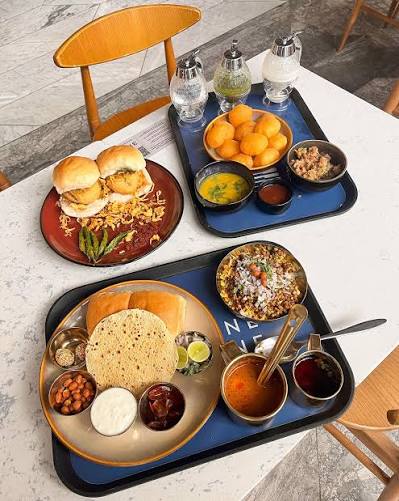
Indian street food is one of the most exciting ways to experience the country’s incredible culinary diversity. From crispy samosas and spicy vada pav to tangy chaat, flavorful kathi rolls, dosa, and aromatic biryani, Indian street food combines bold spices, contrasting textures, and affordable ingredients into memorable meals.
If you’re searching for the best Indian street food in SoHo, you’ll find an important distinction: some of the strongest options are within SoHo itself, while others are just a short walk away in Greenwich Village, Tribeca, Nolita, and the Lower East Side.
SoHo is therefore an excellent starting point for an Indian street-food adventure rather than a strict boundary.
One of the most convenient choices is INDAY at 240 Lafayette Street, which offers a casual Indian dining experience right in the broader SoHo area. For dedicated dosa, Hampton Chutney Co. at 143 Grand Street has long been recognized for its large, crisp dosas.
If you’re willing to walk toward Greenwich Village, Masala Times is particularly relevant for street-food lovers. Its current menu includes samosas, batata vada, samosa pav, vada pav, samosa chaat, papdi chaat, bhel puri, and other street-style dishes.
Why SoHo Is a Great Starting Point for Indian Street Food
SoHo is one of downtown Manhattan’s most convenient neighborhoods for exploring Indian food, particularly if you want to combine a meal with shopping, sightseeing, galleries, and a walk through nearby Greenwich Village or Nolita. Eater’s current SoHo dining guide notes that the neighborhood has a large and varied restaurant scene, including surprisingly affordable choices.
For Indian street food, however, it’s useful to think of SoHo as the starting point rather than a strict boundary. Some of the strongest street-food options are located just outside SoHo, especially around Greenwich Village and Washington Square.
A Convenient Downtown Location
SoHo’s location makes it easy to explore several Indian food styles in one outing.
You can begin around Lafayette Street and Grand Street, then walk toward:
- Greenwich Village
- Washington Square Park
- Nolita
- Tribeca
- Lower East Side
- East Village
This is particularly useful because Indian street food represents many different regional traditions. One restaurant may specialize in dosa, while another focuses on Mumbai-style snacks, chaat, or North Indian street food.
Dosa Gives SoHo a South Indian Connection
Dosa is one of the most important Indian street-food-style dishes to explore in the SoHo area.
Hampton Chutney Co. is a particularly relevant destination because its SoHo menu focuses heavily on dosa, with options ranging from simple sada dosa to filled varieties. Its menu describes the dosa batter as fermented rice and lentils and offers several different preparations.
This gives visitors an opportunity to experience South Indian flavors while remaining close to SoHo’s main shopping and sightseeing areas.
Greenwich Village Expands the Street-Food Experience
If you’re willing to walk south or east from SoHo, Greenwich Village adds considerably more variety.
Masala Times is particularly relevant for Indian street-food lovers. Its current menu includes samosas, batata vada, samosa pav, vada pav, and samosa chaat, giving diners a strong selection of Mumbai-inspired street foods.
This makes Greenwich Village an excellent second stop after exploring SoHo.
Indian Street Food Is About Variety
One reason the SoHo area works so well for this type of food guide is that Indian street food isn’t limited to one dish.
You can explore:
Samosas — crisp pastry filled with spiced potatoes and peas.
Vada pav — a spiced potato fritter served inside a soft bun.
Samosa chaat — crushed samosas combined with chickpeas, chutneys, yogurt, onions, and sev.
Bhel puri — puffed rice mixed with vegetables, chutneys, herbs, and spices.
Batata vada — potato fritters coated in chickpea batter.
Dosa — crisp fermented rice-and-lentil crepes.
Idli and vada — classic South Indian steamed and fried snacks.
The contrast between these dishes is what makes an Indian street-food tour so enjoyable.
Chaat Is Especially Worth Exploring
Chaat is one of the most exciting categories of Indian street food because it combines multiple flavors and textures in a single dish.
It can be:
- Sweet
- Sour
- Spicy
- Tangy
- Creamy
- Crunchy
- Savory
Current NYC food guides describe chaat as a broad category of South Asian street foods and emphasize the importance of combinations such as chutney, sev, and chaat masala.
For first-time diners, samosa chaat is an especially approachable starting point because it combines a familiar samosa with the more adventurous flavors of chaat.
Vegetarian Diners Have Excellent Options
Indian street food is particularly welcoming to vegetarian diners.
Many classic street foods are vegetarian, including:
- Samosas
- Vada pav
- Batata vada
- Bhel puri
- Dosa
- Idli
- Medu vada
- Aloo tikki
- Chaat
For example, the current menu at Ananda lists vegan versions of several popular street-food dishes, including batata vada, vada pav, samosas, idli, and medhu vada.
That makes Indian street food an excellent option for groups with different dietary preferences.
SoHo Is Also Good for Affordable Indian Food
Street food is traditionally associated with accessible pricing, and that idea carries over to many Indian restaurants in New York.
You can often build a satisfying meal from one or two snacks rather than ordering several expensive entrées.
A simple combination could be:
Samosa + vada pav + chutney
or:
Masala dosa + sambar + chutneys
This makes Indian street food particularly suitable for lunch.
Explore Beyond the Most Familiar Indian Dishes
Visitors often associate Indian food with:
- Butter chicken
- Chicken tikka masala
- Naan
- Biryani
Those dishes are worth trying, but Indian street food provides a completely different introduction to the cuisine.
Instead of a large curry-based meal, you can explore smaller dishes and experience several flavors in one visit.
Try a Downtown Indian Food Crawl
SoHo’s location makes it possible to create a casual Indian food crawl.
First: Start in SoHo with dosa.
Next: Walk toward Washington Square Park.
Then: Explore Greenwich Village for vada pav or samosa chaat.
Finally: Finish with an Indian dessert or a full regional Indian dinner.
This gives you a broader understanding of Indian cuisine without needing to spend the entire day traveling across New York City.
Don’t Judge Authenticity by Spice Level
Authentic Indian street food doesn’t have to be painfully spicy.
Indian cooking uses spices for aroma, acidity, sweetness, warmth, and complexity as well as heat.
A good samosa, dosa, or chaat should have multiple layers of flavor.
If you’re sensitive to spice, ask for chutneys or chilies on the side.
What Makes a Great Indian Street-Food Experience?
When choosing where to eat, look for:
- Freshly prepared food
- Crisp textures
- Fresh chutneys
- Balanced spices
- Regional specialties
- Properly cooked fillings
- Good-quality ingredients
- Fast turnover
Street food is at its best when it’s prepared fresh and eaten soon afterward.
Why SoHo and Nearby Downtown Neighborhoods Work Together
The real strength of this area isn’t that every Indian street-food specialist is located directly inside SoHo.
It’s that SoHo, Greenwich Village, Nolita, Tribeca, and the surrounding downtown neighborhoods are close enough to explore as one food destination.
That gives you access to both casual and upscale Indian restaurants, dedicated South Indian dosa, Mumbai-inspired street food, chaat, vegetarian dishes, and regional Indian cuisine.
If you’re searching for the best Indian street food in SoHo, start with the neighborhood’s convenient casual restaurants, but don’t stop at its borders.
Try dosa in SoHo.
Walk toward Greenwich Village for Mumbai-style snacks.
Explore vada pav, samosa chaat, bhel puri, batata vada, and other regional specialties.
And remember that the best Indian street-food experience isn’t necessarily about finding one “perfect” dish. It’s about tasting several contrasting flavors and discovering which regional traditions you enjoy most.
SoHo provides the perfect starting point—and the surrounding downtown neighborhoods turn that starting point into a full Indian street-food adventure.
Top Indian Street Food Restaurants in and Near SoHo
When looking for the best Indian street food in SoHo, it’s worth expanding the search slightly beyond SoHo’s exact boundaries. The surrounding neighborhoods—particularly Greenwich Village, Washington Square, and Nolita—offer additional restaurants where you can explore dosa, chaat, samosas, vada pav, and other Indian street-food favorites.
Below are some of the most useful places to consider, depending on whether you want a dedicated dosa experience, Mumbai-style street food, a casual Indian meal, or a more traditional restaurant setting.
1. Hampton Chutney Co. — SoHo
Hampton Chutney Co.
If dosa is at the top of your Indian street-food list, Hampton Chutney Co. is one of the most relevant places to start.
Located on Grand Street in SoHo, the restaurant specializes in dosa and offers a wide variety of preparations. Its current menu includes sada dosa, potato dosa, roasted tomato dosa, spinach dosa, avocado dosa, and several other filled versions.
The restaurant describes its dosa batter as being made from fermented rice and lentils and cooked until crisp and golden, making it particularly relevant for diners looking for a South Indian-style street-food experience.
Best for: Dosa lovers and casual lunches
Try: Potato masala dosa
Location: SoHo
Style: Casual
2. Masala Times — Greenwich Village
Masala Times
For a broader Indian street-food experience, Masala Times is one of the strongest nearby choices.
Its current menu includes several Mumbai-inspired favorites, including:
- Samosa
- Batata vada
- Samosa pav
- Vada pav
- Samosa chaat
- Papdi chaat
- Bhel puri
- Burmese samosa
This makes it particularly useful if you want to sample several street foods rather than focusing on one dish.
The restaurant describes its food as inspired by the street food of Mumbai and says its dishes are made fresh to order.
Best for: Mumbai-style street food
Try: Vada pav, samosa chaat, bhel puri
Location: Greenwich Village
3. NY Dosas — Washington Square Area
NY Dosas
NY Dosas offers a very different experience from a conventional Indian restaurant.
Located around Washington Square Park, it is known for its South Indian dosa and casual takeaway-style format.
This is particularly appealing if you want:
- A quick meal
- Vegetarian food
- Vegan-friendly choices
- Dosa prepared in a casual setting
- An inexpensive downtown food experience
Best for: Casual dosa and vegetarian street food
Location: Washington Square area
Style: Takeaway / street-food-inspired
4. Ananda — Greenwich Village
Ananda
Ananda provides a broader Indian menu while also offering several South Indian and street-food-style dishes.
Its current menu includes dosa, idli, medhu vada, batata vada, samosa, and vada pav. Several items are also specifically marked vegan, making it useful for vegetarian and vegan diners.
Best for: Vegetarian and vegan-friendly Indian street food
Try: Masala dosa, batata vada, vada pav
Location: Greenwich Village
5. INDAY — SoHo
INDAY
INDAY is a convenient option if you want to stay within the SoHo area.
Its casual format makes it suitable for a quick lunch while exploring the neighborhood.
Rather than treating it as a dedicated street-food specialist, think of it as a convenient Indian restaurant for diners who want a fast, casual meal.
Best for: Quick Indian lunch
Location: SoHo
Style: Casual
6. Madras Dosa Co. — Sixth Avenue
Madras Dosa Co.
If you’re willing to travel farther specifically for South Indian food, Madras Dosa Co. is worth considering.
Its current business listing identifies it specifically as a South Indian restaurant, making it more relevant to dosa enthusiasts than a general Indian restaurant.
It’s also positioned at a relatively accessible price point.
Best for: Dedicated South Indian food
Try: Dosa varieties
Location: Sixth Avenue
Price: Approximately $10–$20
7. Tiffin Wallah — Manhattan
Tiffin Wallah is another option for diners who want to explore several dosa styles without spending a great deal.
Its current menu has included a broad selection such as:
- Sada dosa
- Masala dosa
- Paper dosa
- Onion dosa
- Gun powder masala dosa
- Mysore masala
- Rava dosa
This makes it particularly attractive for someone who wants to compare different dosa preparations.
Best for: Dosa variety and value
Try: Gun powder masala dosa or rava dosa
8. Semma — Greenwich Village
Semma is a different type of destination.
Rather than casual street food, it focuses on regional South Indian cuisine in a more refined restaurant setting.
Its current menu lists a Gunpowder Dosa made with a rice-and-lentil crepe, potato masala, and sambar.
The restaurant has also received significant attention for its South Indian cooking. Eater highlighted its thin, crisp gunpowder dosa with potato filling, chutneys, and sambar.
Best for: Regional South Indian cuisine
Try: Gunpowder dosa
Location: Greenwich Village
Style: Upscale
Which Restaurant Is Best for Indian Street Food?
The answer depends on what you want.
For dosa in SoHo: Hampton Chutney Co.
For Mumbai street food: Masala Times.
For casual dosa: NY Dosas.
For vegetarian and vegan choices: Ananda.
For a quick SoHo meal: INDAY.
For dedicated South Indian cuisine: Madras Dosa Co.
For an elevated South Indian experience: Semma.
Best Restaurants for a Street-Food Crawl
If you’re visiting downtown Manhattan with friends, you can turn these restaurants into a food-focused itinerary.
Start with dosa in SoHo.
Walk toward Washington Square Park.
Try a casual dosa or South Indian snack.
Then head toward Bleecker Street for vada pav or samosa chaat at Masala Times.
Finish with an Indian dessert or a more substantial regional Indian dinner.
This approach lets you experience several sides of Indian cuisine rather than limiting yourself to one restaurant.
What to Order at Each Type of Restaurant
If you’re visiting a dosa specialist, order masala dosa.
At a Mumbai street-food restaurant, try vada pav or samosa chaat.
At a South Indian restaurant, explore dosa, idli, vada, and sambar.
At a broader Indian restaurant, consider pairing a street-food appetizer with a regional main.
This gives you a much better sense of India’s culinary diversity.
For a true Indian street-food experience near SoHo, don’t choose restaurants based solely on distance.
Instead, decide what type of street food you want.
If it’s crispy dosa, start at Hampton Chutney Co.
If it’s Mumbai-style snacks, head toward Greenwich Village and try Masala Times.
If you want vegetarian or vegan South Indian food, Ananda and NY Dosas are worth considering.
And if you’re willing to travel farther for a more specialized experience, Madras Dosa Co. and other South Indian restaurants can expand your options.
The best Indian street-food experience in downtown Manhattan isn’t necessarily found at one restaurant. It’s found by exploring several regional styles—and tasting your way from SoHo into the surrounding neighborhoods.
Best Neighborhoods or Areas for Indian Street Food in and Around SoHo
When searching for the best Indian street food in SoHo, staying within SoHo’s exact boundaries can limit your choices. Some of the most interesting Indian street-food experiences are located just a short walk away, particularly in Greenwich Village and around Washington Square Park.
The good news is that downtown Manhattan is highly walkable. You can easily turn a SoHo shopping trip into an Indian street-food tour covering several nearby neighborhoods.
1. SoHo — Best for Convenient Indian Food
SoHo is the natural starting point for an Indian street-food adventure.
The neighborhood is known for shopping, art galleries, historic cast-iron architecture, and a wide range of restaurants. Its central downtown location also makes it easy to continue toward Greenwich Village, Nolita, Tribeca, and the Lower East Side.
For Indian street food, SoHo is particularly useful for dosa and quick casual meals.
Hampton Chutney Co. on Grand Street is one of the most relevant destinations for dosa lovers, with a menu centered around different dosa preparations.
Best for: Dosa, quick lunch, convenient dining
2. Greenwich Village — Best for Mumbai-Style Street Food
If you want more variety, head toward Greenwich Village.
This area is particularly useful because you can find both South Indian specialties and Mumbai-inspired street food.
Masala Times on Bleecker Street currently offers dishes such as:
- Vada pav
- Samosa pav
- Samosa chaat
- Bhel puri
- Batata vada
- Papdi chaat
- Burmese samosa
This makes Greenwich Village one of the strongest nearby areas for a true Indian street-food experience.
Best for: Chaat, vada pav, samosas, Mumbai street food
3. Washington Square Park — Best for Casual Dosa
The Washington Square Park area is especially important for dosa lovers.
NY Dosas is associated with this area and offers a highly casual South Indian food experience.
Instead of a formal restaurant, you get a quick, focused meal centered around dosa.
This makes the area particularly appealing to:
- Students
- Tourists
- Vegetarians
- Vegans
- Budget-conscious diners
- Dosa enthusiasts
Best for: Casual dosa, vegan-friendly food, quick meals
4. Nolita — Best for Exploring Beyond SoHo
Nolita sits directly next to SoHo, making it an easy extension of your food search.
The neighborhood is known for its restaurants and cafés, and its proximity to SoHo makes it convenient for visitors who want to explore more options without traveling far.
For Indian street food, check current restaurant menus before visiting because offerings can change.
Best for: Nearby restaurant alternatives and casual dining
5. Tribeca — Best for Upscale Indian Dining
Tribeca isn’t the first neighborhood that comes to mind for Indian street food, but it is useful if you’re interested in combining casual Indian flavors with an upscale dining experience.
Restaurants such as Tamarind Tribeca and Musaafer provide more polished Indian dining rather than traditional street-food environments.
This can be a good choice if your group includes diners who prefer full-service restaurants.
Best for: Upscale Indian cuisine and special occasions
6. Lower East Side — Best for Broader Indian Exploration
The Lower East Side is another neighborhood worth exploring after SoHo and Greenwich Village.
It has a diverse restaurant scene and provides opportunities to move beyond South Indian street food into broader regional Indian cooking.
This is especially useful if you’ve already tried dosa, samosa, and chaat and want to explore Indian curries, biryani, and regional specialties.
Best for: Regional Indian cuisine and food exploration
7. East Village — Best for Indian Food Variety
The East Village is farther from SoHo but has a diverse Indian restaurant scene.
It’s worth visiting if Indian food is one of the main purposes of your downtown itinerary.
You can find casual restaurants, regional Indian cooking, vegetarian dishes, and contemporary interpretations of Indian cuisine.
Best for: Variety and regional Indian food
8. Sixth Avenue — Best for South Indian Food
Sixth Avenue becomes particularly interesting when you expand your search specifically for South Indian food.
Madras Dosa Co. at 668 Sixth Avenue is currently categorized as a South Indian restaurant and is positioned in the approximately $10–$20 price range.
For someone who wants dosa rather than a generic Indian restaurant meal, this area is worth considering.
Best for: South Indian food and dosa
9. Union Square — Best for Expanding a South Indian Food Tour
Union Square is another useful area if you’re willing to travel beyond SoHo.
Restaurants in this part of Manhattan provide opportunities to explore South Indian cuisine, vegetarian specialties, and regional Indian dishes.
It can work well as the final stop on a longer downtown food tour.
Best for: South Indian cuisine and vegetarian dining
Best Area for a Street-Food Crawl
If you’re visiting SoHo specifically to explore Indian street food, the most practical route is:
SoHo → Washington Square Park → Greenwich Village
Start with dosa in SoHo.
Then walk toward Washington Square Park.
After exploring the park, continue toward Bleecker Street and Greenwich Village.
Finish with vada pav, samosa chaat, bhel puri, or another Mumbai-inspired snack.
This route gives you several distinct Indian food experiences without requiring extensive travel.
Best Area for Dosa
For dosa, prioritize:
SoHo: Hampton Chutney Co.
Washington Square: NY Dosas.
Greenwich Village: Semma and other South Indian options.
Sixth Avenue: Madras Dosa Co.
Each provides a different style and atmosphere, so comparing them can be more rewarding than choosing based only on online ratings.
Best Area for Chaat
For chaat, Greenwich Village deserves special attention.
Masala Times offers a broad selection of street-food-style dishes, including samosa chaat, papdi chaat, and bhel puri.
These dishes are particularly fun for groups because you can order several and share.
Best Area for Vegetarian Indian Street Food
Vegetarian diners have plenty of options throughout downtown Manhattan, but Greenwich Village and Washington Square are particularly useful for dosa, idli, vada, and chaat.
Indian street food naturally includes many vegetarian dishes, so you don’t need to settle for a limited menu.
Best Area for Budget Dining
For budget-conscious diners, start with:
SoHo: Dosa
Washington Square: Casual dosa
Greenwich Village: Samosas, vada pav, and chaat
Sixth Avenue: South Indian meals
Street food is often more affordable than full-service Indian dining, allowing you to sample multiple dishes without spending as much.
For the best Indian street food near SoHo, think of downtown Manhattan as one connected food destination.
SoHo is your starting point.
Washington Square Park is ideal for casual dosa.
Greenwich Village is the strongest nearby choice for Mumbai-style street food and chaat.
Nolita offers convenient nearby alternatives.
Tribeca is better for upscale Indian dining.
Lower East Side and East Village are ideal when you want to explore beyond the most familiar Indian dishes.
If you’re short on time, follow the simplest route:
Start with dosa in SoHo → walk toward Washington Square → finish with chaat or vada pav in Greenwich Village.
That short journey gives you a surprisingly broad introduction to Indian street food while allowing you to enjoy some of downtown Manhattan’s most interesting neighborhoods along the way.
Popular Indian Street Foods People Should Try in SoHo
If you’re exploring the best Indian street food in SoHo, don’t limit yourself to samosas and curry. Indian street food represents a huge range of regional traditions, and downtown Manhattan gives you an opportunity to experience everything from crispy South Indian dosa to Mumbai-style vada pav and tangy chaat.
The best strategy is to order several smaller dishes and compare their textures, spice levels, and flavors.
1. Samosa
The samosa is one of the most recognizable Indian street foods and an excellent starting point for first-time diners.
A traditional samosa features a crisp pastry shell filled with a savory mixture, commonly potatoes, peas, herbs, and spices.
A good samosa should have:
- A crisp exterior
- Soft, flavorful filling
- Aromatic spices
- A satisfying contrast between pastry and potato
Try it with tamarind and mint-cilantro chutneys.
For a SoHo food tour, samosas are particularly convenient because they are easy to share.
2. Vada Pav
If you want to experience Mumbai street food, vada pav should be near the top of your list.
A spiced potato fritter is placed inside a soft pav bun and served with chutneys and spices.
The combination is simple but incredibly satisfying.
Masala Times in Greenwich Village currently lists vada pav among its street-food offerings, making it a convenient option near SoHo for diners looking for Mumbai-inspired flavors.
Best for: Quick lunches, Mumbai street-food lovers, budget dining.
3. Samosa Chaat
Samosa chaat transforms a familiar samosa into a much more complex dish.
The samosa is typically broken apart and combined with ingredients such as:
- Chickpeas
- Yogurt
- Tamarind chutney
- Green chutney
- Onion
- Sev
- Chaat masala
The result is a combination of:
Crunchy + creamy + sweet + sour + spicy + savory.
Masala Times currently offers samosa chaat on its menu.
If you’ve never tried chaat before, this is one of the easiest dishes to start with.
4. Bhel Puri
Bhel puri is a classic Mumbai snack based around puffed rice.
It can include:
- Puffed rice
- Onion
- Tomato
- Potato
- Peanuts
- Cilantro
- Green chutney
- Tamarind chutney
- Sev
Unlike heavier Indian dishes, bhel puri is relatively light and refreshing.
The combination of crunchy puffed rice, tangy chutneys, herbs, and spices makes it an excellent afternoon snack.
5. Batata Vada
Batata vada is a deep-fried potato snack coated in chickpea batter.
The outside becomes crispy while the inside remains soft and spiced.
It is especially popular in Maharashtra and is closely associated with Mumbai street food.
Masala Times currently includes batata vada among its street-food options.
You can enjoy it by itself or as part of vada pav.
6. Dosa
Dosa is one of the most important South Indian dishes to try when exploring Indian street food in SoHo.
A traditional dosa is made from fermented rice-and-lentil batter and spread thinly across a hot cooking surface.
The result can be crisp, golden, and delicate.
Popular varieties include:
- Masala dosa
- Plain dosa
- Podi dosa
- Mysore dosa
- Rava dosa
- Paper dosa
- Onion dosa
Hampton Chutney Co. in SoHo specializes in dosa and currently offers several varieties.
7. Masala Dosa
If you’re ordering dosa for the first time, choose masala dosa.
The crisp crepe is filled with seasoned potatoes and onions and served with sambar and chutneys.
The combination gives you a complete South Indian meal in one dish.
For many visitors, this is the best introduction to South Indian street-food flavors.
8. Podi Dosa
Podi dosa is a great choice if you enjoy stronger flavors.
Podi is a roasted spice and lentil powder that can contain ingredients such as:
- Dried chilies
- Lentils
- Sesame
- Spices
It adds a savory, nutty, and sometimes spicy character to the dosa.
For a more refined South Indian version, Semma in Greenwich Village currently offers a Gunpowder Dosa with potato masala and sambar.
9. Idli
Idli is a steamed South Indian preparation made from fermented rice-and-lentil batter.
While dosa is crisp, idli is:
- Soft
- Fluffy
- Light
- Mildly tangy
It is commonly served with sambar and chutneys.
Idli is especially good for diners who want something less heavy than fried street food.
10. Medu Vada
Medu vada is a savory lentil fritter with a crisp exterior and soft center.
It is commonly served with sambar and coconut chutney.
A classic South Indian combination is:
Idli + medu vada + sambar + chutney.
This makes an excellent breakfast or lunch.
11. Papdi Chaat
Papdi chaat features small crispy pieces of papdi topped with ingredients such as:
- Yogurt
- Chickpeas
- Potatoes
- Tamarind chutney
- Green chutney
- Sev
- Chaat masala
The dish is designed around contrasting textures and flavors.
It is one of the best choices for diners who want something more adventurous than a samosa.
12. Aloo Tikki Chaat
Aloo tikki is a crispy potato patty served with various toppings and chutneys.
When transformed into chaat, it becomes a layered combination of potatoes, spices, chutneys, yogurt, and crunchy toppings.
It is filling enough to work as a light meal.
13. Kathi Roll
Kathi rolls are Indian handheld wraps traditionally associated with Kolkata.
A flatbread is filled with ingredients such as:
- Chicken
- Paneer
- Egg
- Vegetables
- Onions
- Chutneys
They’re especially convenient if you’re walking around downtown Manhattan and want something you can eat without sitting down for a full meal.
14. Pav Bhaji
Pav bhaji is a classic Mumbai street food consisting of a spicy vegetable mash served with buttered pav buns.
The vegetable mixture can include potatoes, cauliflower, peas, tomatoes, and other vegetables.
It is rich, spicy, buttery, and comforting.
For vegan diners, ask whether butter can be replaced with oil.
15. Pakora
Pakoras are vegetables or other ingredients coated in seasoned chickpea batter and fried.
Common varieties include:
- Onion pakora
- Potato pakora
- Spinach pakora
- Cauliflower pakora
- Paneer pakora
They are excellent for sharing and are particularly popular during cooler weather.
16. Pani Puri
Pani puri is one of India’s most interactive street foods.
Small crispy shells are filled with ingredients such as potato, chickpeas, chutneys, and spiced flavored water.
The result is:
Crispy + tangy + spicy + refreshing.
Because pani puri depends heavily on freshness and preparation, it’s best eaten immediately at the restaurant.
17. Dahi Puri
Dahi puri is similar to pani puri but incorporates yogurt for a creamy contrast.
The combination of crispy puri, potato, chutneys, yogurt, sev, and spices makes it one of the most flavorful chaat preparations.
It can be especially enjoyable if you prefer milder heat.
18. Chole Bhature
Chole bhature combines spicy chickpea curry with large, fluffy fried breads called bhature.
It’s heavier than many street snacks, but it’s an excellent choice if you’re hungry.
It’s especially popular as a substantial North Indian meal.
19. Aloo Chaat
Aloo chaat is made from spiced potatoes combined with chutneys, herbs, and chaat spices.
It’s simple but packed with flavor.
If you enjoy potatoes, it is an easy dish to add to a street-food tasting menu.
20. Indian Street-Food Desserts
Don’t forget dessert.
Popular Indian sweets include:
Gulab jamun — soft fried milk-based dumplings in sweet syrup.
Jalebi — crispy spirals soaked in fragrant sugar syrup.
Kulfi — dense Indian-style frozen dessert.
Rasmalai — soft cheese-based dumplings in sweetened milk.
For a street-food crawl, gulab jamun or kulfi is an easy way to finish.
Best Indian Street Foods for First-Time Diners
If you’re new to Indian food, start with:
- Samosa
- Masala dosa
- Vada pav
- Bhel puri
- Samosa chaat
These five dishes provide a good introduction to different regional traditions.
Best Street Foods for Vegetarians
Indian street food has an enormous selection for vegetarians.
Try:
- Samosa
- Vada pav
- Batata vada
- Bhel puri
- Papdi chaat
- Masala dosa
- Idli
- Medu vada
- Aloo tikki
- Pav bhaji
Always check ingredients if you have strict dietary requirements.
Best Street Foods for Vegans
Many Indian street foods can be vegan, but dairy is common.
Ask about:
- Ghee
- Butter
- Yogurt
- Cream
- Paneer
Good possibilities include plain dosa, certain vegetable chaats, samosas, and other vegetable-based snacks prepared without dairy.
Best Street Foods for Spice Lovers
If you enjoy heat, try:
- Podi dosa
- Mysore dosa
- Vada pav with green chili
- Spicy chaat
- Pani puri
- Chili pakora
Ask for extra chutney or green chili if you want additional heat.
Best Street Foods for Sharing
Indian street food is ideal for groups.
For two people, consider:
2 samosas + vada pav + bhel puri + masala dosa
For four people:
Samosas + samosa chaat + vada pav + bhel puri + dosa + idli + vada
This lets everyone taste multiple dishes without ordering several full entrées.
When exploring the best Indian street food in SoHo, don’t order only one dish.
Start with a samosa.
Try vada pav for Mumbai flavors.
Order samosa chaat for a combination of sweet, sour, spicy, and crunchy textures.
Try bhel puri for something lighter.
And make sure to experience dosa for a taste of South India’s fermented, crisp, and flavorful cuisine.
The real magic of Indian street food is the variety. A single meal can take you from Mumbai to South India to Delhi and Kolkata through completely different flavors and textures.
That diversity is exactly what makes an Indian street-food tour around SoHo and the surrounding downtown neighborhoods such a rewarding New York dining experience.
Vegetarian and Vegan Indian Street Food Options in SoHo
One of the best things about exploring Indian street food in SoHo is the incredible number of vegetarian and vegan-friendly dishes available. Indian cuisine has a long and diverse tradition of plant-based cooking, and many popular street foods are naturally vegetarian.
For vegans, there are also plenty of possibilities, although you should always ask about ghee, butter, yogurt, cream, and paneer, as dairy ingredients are frequently used in Indian cooking.
Whether you’re looking for a quick dosa, a crispy samosa, spicy chaat, or a filling street-food meal, SoHo and nearby Greenwich Village offer plenty of choices.
Masala Dosa
Masala dosa is one of the best vegetarian dishes to start with.
A thin, crisp fermented rice-and-lentil crepe is filled with seasoned potatoes and onions and served with sambar and chutneys.
It is filling enough to be a complete meal while remaining relatively light compared with many curry-based dishes.
For vegans, ask whether the dosa is cooked with vegetable oil rather than ghee or butter.
Plain Dosa
Plain dosa is another excellent option.
Because there is no dairy-based filling, it can be relatively easy to make vegan.
The important question is how the dosa is cooked.
If it is cooked with oil and the batter contains no dairy, plain dosa can be an excellent vegan choice.
Podi Dosa
Podi dosa is ideal for vegetarian diners who want something with more spice.
Podi is a roasted spice-and-lentil powder that adds a savory, nutty, and sometimes spicy flavor.
Semma in Greenwich Village currently offers a gunpowder dosa with potato masala and sambar, providing a more refined example of this South Indian style.
Rava Dosa
Rava dosa is made using semolina and has a distinctive thin, lacy, crispy texture.
It is a good choice for anyone who wants to explore a different style of dosa.
For vegan diners, confirm that the restaurant doesn’t use ghee or butter during cooking.
Idli
Idli is one of the simplest vegetarian South Indian dishes.
Made from fermented rice-and-lentil batter and steamed, idli has a soft, fluffy texture that contrasts beautifully with crispy dosa.
It is commonly served with:
- Sambar
- Coconut chutney
- Tomato chutney
Traditional idli is generally vegan, but restaurant preparation can vary.
Medu Vada
Medu vada is a crispy fried lentil snack.
The batter is typically made from urad dal and seasoned with ingredients such as curry leaves, chilies, ginger, and spices.
Vegetarians can generally enjoy it without concern.
Vegans should confirm the frying oil and make sure no dairy ingredients are involved.
Samosa
Vegetable samosas are one of the easiest vegetarian Indian street foods to enjoy.
The traditional filling commonly includes:
- Potato
- Peas
- Onion
- Green chili
- Ginger
- Spices
The pastry itself is often dairy-free, but recipes vary.
For strict vegans, ask before ordering.
Vada Pav
Vada pav is another popular vegetarian street food.
The potato fritter is placed inside a pav bun and served with chutneys and spices.
Masala Times in Greenwich Village currently offers vada pav, making it one of the nearby places worth considering when searching for Mumbai-style vegetarian street food.
For vegan diners, check whether the pav contains dairy and whether butter is used.
Batata Vada
Batata vada is a fried potato snack coated in chickpea batter.
The combination of crisp coating and spicy potato filling makes it an excellent vegetarian snack.
Masala Times currently includes batata vada among its street-food offerings.
Samosa Chaat
Samosa chaat is a much more elaborate vegetarian street-food dish.
It can include:
- Samosa
- Chickpeas
- Yogurt
- Tamarind chutney
- Green chutney
- Onion
- Sev
- Chaat masala
The major issue for vegan diners is yogurt.
Ask whether it can be omitted or replaced with a dairy-free alternative.
Bhel Puri
Bhel puri is one of the lighter vegetarian street foods.
It commonly combines puffed rice with:
- Potato
- Onion
- Peanuts
- Cilantro
- Chutneys
- Sev
- Spices
It is crunchy, tangy, and refreshing.
For vegan diners, ask whether any yogurt or dairy-based ingredients are included.
Papdi Chaat
Papdi chaat combines crispy papdi with toppings such as potatoes, chickpeas, chutneys, yogurt, and sev.
Vegetarian diners can usually enjoy it.
Vegans should request the dish without yogurt or ask whether a dairy-free alternative is available.
Aloo Tikki
Aloo tikki is a spiced potato patty that is generally vegetarian.
It can be served simply or transformed into a chaat with chutneys and toppings.
For vegan diners, confirm that the preparation doesn’t contain butter or dairy.
Pav Bhaji
Pav bhaji is a popular Mumbai street-food dish consisting of spicy mashed vegetables served with pav buns.
The vegetable mixture is often made with:
- Potatoes
- Tomatoes
- Peas
- Cauliflower
- Bell peppers
- Spices
The biggest concern for vegans is butter.
Ask whether the bhaji and pav can be prepared without butter.
Chole Chaat
Chickpea-based chaat is another excellent plant-based option.
Chickpeas provide protein and make the dish more filling than many lighter street snacks.
It can be combined with chutneys, onions, herbs, and spices for a flavorful meal.
Vegetable Kathi Roll
Vegetable kathi rolls can be a convenient option when you want something filling that you can eat while exploring downtown Manhattan.
Possible fillings include:
- Paneer
- Mixed vegetables
- Potato
- Onion
- Peppers
For vegans, avoid paneer and ask about dairy in the flatbread and sauces.
Vegetable Biryani
Although biryani is often associated with meat, vegetable biryani can be a substantial vegetarian meal.
It combines fragrant rice with vegetables and spices.
However, many restaurants use ghee, so vegan diners should ask before ordering.
Vegan-Friendly Indian Street Food: What to Ask
If you’re vegan, don’t simply ask whether a dish is vegetarian.
This is much clearer and helps the restaurant understand your requirements.
Ingredients to Watch
Be particularly careful with:
Ghee: Clarified butter.
Butter: Common in pav bhaji and breads.
Yogurt: Common in chaat.
Cream: Common in rich curries.
Paneer: Fresh Indian cheese.
Milk: May appear in breads, desserts, or sauces.
Vegan Chutneys
Many chutneys are naturally vegan.
Potential options include:
- Coconut chutney
- Tomato chutney
- Mint chutney
- Coriander chutney
- Tamarind chutney
But recipes vary, so confirm if you have a strict dietary requirement.
Vegetarian Indian Street Food for Families
Indian street food is particularly convenient for families with vegetarian members.
A family-friendly spread could include:
- Vegetable samosas
- Masala dosa
- Idli
- Vada
- Bhel puri
- Potato chaat
- Vegetable kathi rolls
This gives children and adults different options without requiring separate meals.
Best Vegetarian Order for One Person
Try:
Masala dosa + sambar + coconut chutney
Or:
Samosa + vada pav + bhel puri
The first combination is more South Indian, while the second is more Mumbai-inspired.
Best Vegan Order for One Person
After confirming ingredients:
Plain dosa + sambar + coconut chutney + vegetable chaat
Keep dairy-based chutneys and yogurt toppings separate or leave them out.
Best Vegetarian Order for Two
For two people, try:
Masala dosa + podi dosa + samosa + bhel puri
This gives you several different Indian street-food styles.
Best Vegan Order for Two
After confirming preparation:
Plain dosa + vegetable dosa + samosas + bhel puri + coconut chutney
This creates a varied plant-based meal.
Best Areas for Vegetarian and Vegan Indian Street Food
SoHo
Best for convenient dosa and casual Indian food.
Greenwich Village
Best for Mumbai-inspired street food and chaat.
Washington Square Area
Best for casual South Indian dosa.
Sixth Avenue
Worth considering for dedicated South Indian restaurants.
The broader downtown area gives vegetarian and vegan diners considerably more choice than staying within one neighborhood.
Tips for Avoiding Dairy
If you’re vegan, be particularly cautious with dosa.
A dosa may be made from rice and lentils but cooked with ghee.
Likewise, a vegetable curry may look completely plant-based but contain butter.
Always ask.
If you’re ordering online, check the restaurant’s current menu for vegan labels, but confirm with the restaurant if your dietary requirement is strict.
Indian street food is one of the easiest cuisines for vegetarian diners to explore because plant-based dishes aren’t treated as an afterthought—they are an important part of India’s culinary traditions.
For a vegetarian Indian street-food experience in SoHo, start with masala dosa, idli, samosa, vada pav, or bhel puri.
For vegan diners, focus on naturally plant-based dishes but always ask about ghee, butter, yogurt, cream, and paneer.
Most importantly, don’t limit yourself to one restaurant or one neighborhood. Start in SoHo, explore Greenwich Village and Washington Square, and sample different regional specialties.
From a crispy dosa to tangy chaat and spicy Mumbai-style vada pav, SoHo and the surrounding downtown neighborhoods offer plenty of delicious ways to experience vegetarian and vegan Indian street food.
Budget-Friendly Indian Street Food in SoHo
Indian street food is one of the best choices for budget-friendly dining in SoHo. You don’t need to spend $40 or $50 on a full Indian dinner to experience authentic flavors. Many traditional Indian street foods are designed to be filling, affordable, and easy to share.
For visitors searching for the best Indian street food in SoHo, the smartest strategy is to explore smaller dishes such as samosas, vada pav, chaat, dosa, idli, and vada rather than ordering several expensive entrées.
Because restaurant prices and menus change, check the current menu before visiting.
Hampton Chutney Co. — SoHo
Hampton Chutney Co. is a practical choice if your main goal is affordable dosa in SoHo.
Its menu includes several dosa varieties, allowing you to choose between a simple dosa and more elaborate filled versions. The restaurant’s focus on dosa makes it particularly useful for a quick lunch.
A classic potato-filled dosa with chutneys and sambar can provide a satisfying meal without requiring additional appetizers or expensive entrées.
Best for: Affordable dosa
Best order: Masala or potato dosa
Location: SoHo
NY Dosas — Washington Square
If you’re willing to walk from SoHo toward Washington Square Park, NY Dosas provides another casual option.
The operation is known for South Indian dosa and is particularly attractive for:
- Vegetarians
- Vegans
- Students
- Tourists
- Budget-conscious diners
Its casual format also means you aren’t paying for a formal restaurant atmosphere.
Best for: Affordable South Indian street food
Best order: Dosa with chutneys and sambar
Location: Washington Square area
Masala Times — Greenwich Village
Masala Times is one of the best nearby options when you want Mumbai-style street food without a high restaurant bill.
Its current menu includes:
- Samosas
- Batata vada
- Vada pav
- Samosa pav
- Samosa chaat
- Papdi chaat
- Bhel puri
Because these dishes are designed as snacks and quick meals, you can order several different items and still keep the overall meal relatively affordable.
Best for: Street-food variety
Best order: Vada pav + samosa chaat + bhel puri
Ananda — Greenwich Village
Ananda is another nearby option with a broad Indian menu and several vegetarian and vegan-friendly street-food dishes.
Its menu currently includes dosa, idli, medhu vada, batata vada, samosa, and vada pav, with several dishes identified as vegan.
This makes it particularly useful for groups where diners have different dietary requirements.
Best for: Vegetarian and vegan-friendly dining
Best order: Masala dosa or vada pav
Madras Dosa Co.
If you’re willing to travel farther from SoHo specifically for South Indian food, Madras Dosa Co. is worth considering.
Its current business listing places it around the $10–$20 price range, making it an accessible option for diners who want dedicated South Indian cooking.
Best for: Affordable South Indian food
Best order: Dosa variety
Tiffin Wallah
Tiffin Wallah is particularly appealing if you want to compare multiple dosa styles without spending a large amount.
Its menu has included several affordable options such as:
- Sada dosa
- Masala dosa
- Paper dosa
- Onion dosa
- Rava dosa
- Mysore masala dosa
- Gun powder masala dosa
This makes it a good choice for a dosa-focused food trip.
Best for: Dosa variety and value
Why Indian Street Food Is So Affordable
Many traditional Indian street foods are based on relatively simple ingredients:
- Rice
- Lentils
- Potatoes
- Chickpeas
- Vegetables
- Flour
- Spices
These ingredients can create surprisingly filling meals.
For example, a masala dosa combines fermented rice-and-lentil batter with potato masala and comes with sambar and chutney.
You get multiple flavors and textures from one dish.
Choose Vegetarian Dishes for Better Value
Vegetarian street food often provides excellent value.
Consider:
Samosa
Bhel puri
Vada pav
Masala dosa
Idli
Medu vada
Chana chaat
These dishes can be substantial without the higher prices sometimes associated with meat and seafood.
Best Budget Street Food for One Person
If you’re eating alone, try:
Option 1: Masala dosa + sambar + chutney
Option 2: Vada pav + samosa
Option 3: Samosa chaat + bhel puri
Option 4: Idli + medu vada + sambar
These combinations let you enjoy multiple flavors without ordering a full multi-course meal.
Best Budget Meal for Two
For two people, sharing is one of the best ways to experience Indian street food.
Try:
Masala dosa + vada pav + samosa chaat
Or:
Two samosas + bhel puri + batata vada + dosa
This gives you several different textures and regional influences.
Best Budget Meal for a Group
For four people, consider ordering:
- 4 samosas
- 2 vada pav
- 1 bhel puri
- 1 samosa chaat
- 2 dosa
- 1 idli or vada
- Sambar
- Multiple chutneys
This creates a shared Indian street-food tasting experience.
Lunch Is Often the Best Value
If you’re visiting SoHo during the day, lunch is an excellent time to explore Indian street food.
Lunch can be:
- Faster
- Less expensive
- Easier to share
- Convenient between sightseeing activities
A dosa or chaat lunch can also leave you with plenty of energy for exploring SoHo’s shops and galleries.
Takeout Can Save Money
Takeout can sometimes be cheaper than dining in because you’re not paying for the same level of table service and atmosphere.
However, compare the final price if you’re ordering through a delivery platform.
A seemingly inexpensive meal can become more expensive after:
- Delivery fees
- Service charges
- Taxes
- Small-order fees
- Tips
If you’re nearby, pickup can be a better value.
Order Directly When Possible
If a restaurant offers its own online ordering system, compare its price with third-party delivery platforms.
You may find:
- Lower fees
- Pickup discounts
- Restaurant specials
- Better customization
The restaurant’s direct menu is also usually the best place to check current prices and ingredients.
Don’t Overorder
Indian street food is extremely shareable, so it’s easy to order too much.
Start with two or three items.
For example:
Samosa + vada pav + bhel puri
If you’re still hungry, order another dish.
This is a better strategy than ordering six dishes at once.
Best Budget Options for Vegan Diners
Vegan diners can also eat affordably.
After confirming preparation methods, consider:
- Plain dosa
- Vegetable dosa
- Samosa
- Bhel puri
- Batata vada
- Idli
- Vegetable chaat
Be careful with:
- Yogurt
- Ghee
- Butter
- Cream
- Paneer
These ingredients can turn an otherwise plant-based dish into a non-vegan meal.
Street Food vs. Fine Dining
If your primary goal is authentic Indian street food, spending more doesn’t necessarily mean getting a better experience.
A $10 dosa or plate of chaat may actually represent the traditional street-food concept more closely than a $60 fine-dining interpretation.
Fine dining is better when you’re paying for:
- Service
- Atmosphere
- Presentation
- Premium ingredients
- Special-occasion dining
Street food is better when you want:
- Authentic casual flavors
- Variety
- Quick service
- Affordable prices
- Sharing
You don’t need a large budget to experience the best Indian street food in SoHo.
Start with a simple masala dosa, samosa, vada pav, or bhel puri. Then add another dish if you’re hungry.
For the most convenient SoHo experience, consider Hampton Chutney Co.
For Mumbai-style street food, explore Greenwich Village and Masala Times.
For casual South Indian food, look toward Washington Square and other nearby downtown neighborhoods.
The real advantage of Indian street food is that affordability doesn’t mean sacrificing flavor.
With rice, lentils, potatoes, chickpeas, vegetables, chutneys, and carefully blended spices, even a relatively inexpensive meal can deliver an extraordinary range of flavors.
That makes Indian street food one of the best ways to enjoy authentic, flavorful, and budget-friendly food while exploring SoHo and downtown Manhattan.
Fine-Dining Indian Street Food Experience in and Around SoHo
Indian street food is traditionally casual, affordable, and designed to be eaten quickly. However, New York’s Indian restaurant scene has also developed more refined interpretations of regional Indian cuisine, giving diners an opportunity to experience familiar flavors in sophisticated dining rooms.
If you’re searching for the best Indian street food in SoHo, fine dining isn’t necessarily where you’ll find the most traditional street-food experience. Instead, upscale restaurants around SoHo can be a great choice when you want to explore Indian flavors with elevated presentation, premium ingredients, professional service, and a more sophisticated atmosphere.
For a street-food-focused trip, consider combining a casual stop for dosa, chaat, or vada pav with a more refined Indian dinner nearby.
Semma — Greenwich Village
Semma is one of the most relevant upscale restaurants for diners interested in regional South Indian cuisine near SoHo.
The restaurant focuses on regional dishes rather than presenting only the familiar Indian restaurant classics.
For street-food and dosa enthusiasts, Semma is particularly interesting because its menu includes Gunpowder Dosa, prepared with a rice-and-lentil crepe, potato masala, and sambar.
Eater has also highlighted the restaurant’s thin, crisp dosa and its combination of potato filling, chutneys, and sambar.
Best for: Elevated South Indian cuisine
Try: Gunpowder dosa
Area: Greenwich Village
Ideal for: Date nights, celebrations, food-focused dinners
Tamarind Tribeca
Tamarind Tribeca is a strong option if you want a classic upscale Indian dining experience.
The restaurant is located in Tribeca, making it convenient for visitors who are already exploring SoHo and Lower Manhattan.
Instead of a street-food counter atmosphere, Tamarind offers polished service and a more formal restaurant experience.
It’s particularly appropriate for:
- Business dinners
- Anniversaries
- Birthdays
- Date nights
- Client dinners
- Special occasions
Best for: Traditional upscale Indian dining
Area: Tribeca
Style: Fine dining
If street food is your main interest, you can explore dosa or chaat earlier in the day and save Tamarind for dinner.
Musaafer — Tribeca
Musaafer offers a more contemporary and theatrical approach to Indian dining.
The restaurant focuses on India’s regional culinary diversity while combining food with an elaborate interior and upscale atmosphere.
It’s a strong choice if you want your Indian dining experience to feel like an event.
Best for: Contemporary Indian cuisine and atmosphere
Area: Tribeca
Ideal for: Celebrations, date nights, special occasions
Musaafer is better viewed as a contemporary Indian destination rather than a traditional street-food restaurant, so check the current menu if you are looking for a particular street-food dish.
Dhamaka — Lower East Side
Dhamaka is farther from SoHo, but it is an excellent option if your interest in Indian food extends beyond familiar dishes.
The restaurant focuses on regional Indian cuisine, making it particularly interesting for diners who want to discover less commonly represented preparations.
Instead of ordering only butter chicken or naan, look for regional specialties that reflect India’s enormous culinary diversity.
Best for: Regional Indian cuisine
Area: Lower East Side
Style: Upscale
Ideal for: Food enthusiasts and special dinners
Dravida — East Village
Dravida takes a broad approach to Indian and South Asian cuisine.
Its concept explores culinary traditions connected with India and the South Asian diaspora, including influences from countries and communities outside India.
That makes it an interesting destination for experienced Indian-food diners who want something beyond conventional restaurant menus.
Best for: Contemporary Indian and South Asian cuisine
Area: East Village
Ideal for: Culinary exploration
Kanyakumari — Union Square / Flatiron Area
Kanyakumari is particularly relevant if you’re interested in South Indian cuisine presented in a more elevated setting.
It’s farther from SoHo, but worth considering when the culinary experience itself is more important than staying within the neighborhood.
For dosa enthusiasts, restaurants specializing in South Indian cooking can provide a more regional perspective than general Indian restaurants.
Best for: Elevated South Indian cuisine
Area: Union Square / Flatiron
Can Street Food Be Fine Dining?
Absolutely.
The ingredients and dishes may originate from humble street-food traditions, but chefs can reinterpret them using:
- Premium ingredients
- Sophisticated plating
- Advanced cooking techniques
- Regional recipes
- Modern presentations
The important distinction is that a fine-dining interpretation may not taste exactly like the food served by an Indian street vendor.
That’s not necessarily a problem.
It’s simply a different interpretation of the cuisine.
Dosa in an Upscale Setting
Dosa is particularly interesting because it can work in both casual and sophisticated restaurants.
A street-food dosa may be:
- Large
- Crisp
- Affordable
- Served quickly
- Wrapped or folded
An upscale dosa may focus more heavily on:
- Fermentation
- Regional spice blends
- Premium ingredients
- Presentation
- Accompaniments
Semma’s gunpowder dosa demonstrates how a traditional South Indian preparation can become part of a more sophisticated dining experience.
Chaat in a Fine-Dining Experience
Chaat is another category that translates well into upscale dining.
A chef can take familiar elements such as:
- Potato
- Chickpeas
- Yogurt
- Tamarind
- Green chutney
- Sev
- Crispy papdi
and present them in a more refined format.
However, if your goal is the most traditional street-food experience, a casual restaurant may still be preferable.
Street-food chaat is often best when served immediately and eaten casually.
Best Fine-Dining Choice for South Indian Food
For this particular guide, Semma deserves special attention.
Its regional South Indian focus makes it more relevant to the street-food discussion than a restaurant that primarily serves North Indian or contemporary pan-Indian dishes.
If you’re already exploring dosa in SoHo and want to understand how South Indian cuisine can be presented at a higher level, Semma is a natural next stop.
Best Fine-Dining Choice for a Special Occasion
For a special occasion, consider:
Tamarind Tribeca for classic upscale Indian dining.
Musaafer for a contemporary atmosphere.
Dhamaka for regional Indian cuisine.
Semma for South Indian food.
Each offers a different experience, so the best choice depends on what type of evening you’re planning.
How to Combine Street Food and Fine Dining
One of the best ways to experience Indian food around SoHo is to combine casual and upscale dining.
Afternoon
Start with:
Samosa + vada pav + bhel puri
in Greenwich Village.
Late Afternoon
Explore SoHo and Washington Square Park.
Early Evening
Try a dosa or another South Indian specialty.
Dinner
Reserve a table at a fine-dining Indian restaurant such as Semma, Tamarind Tribeca, or Musaafer.
This creates a full-day Indian food itinerary that showcases both casual street-food traditions and sophisticated restaurant cooking.
If you’re exploring the best Indian street food in SoHo, don’t think of fine dining as a replacement for street food.
Think of it as the next stage of the journey.
Start with casual dosa, samosas, vada pav, or chaat.
Then explore the regional Indian food scene around Greenwich Village, Tribeca, and the East Village.
For an elevated South Indian experience, Semma is particularly relevant.
For classic upscale Indian dining, consider Tamarind Tribeca.
For a contemporary and theatrical experience, consider Musaafer.
For regional Indian exploration, Dhamaka is another compelling choice.
The combination of casual street food and fine dining provides the most complete picture of Indian cuisine in downtown Manhattan.
Start with the street, finish at the table, and experience how the same Indian culinary traditions can move from casual snacks to sophisticated dining without losing their bold flavors and cultural identity.
Takeout and Delivery Tips for Indian Street Food in SoHo
Indian street food is naturally suited to quick meals and takeout, but not every dish travels equally well. A crispy samosa, dosa, or pakora can lose its texture when trapped in a sealed container, while dishes such as biryani, chole, and curry often travel much better.
If you’re searching for the best Indian street food in SoHo for takeout or delivery, choosing the right dishes and ordering at the right time can make a major difference.
Choose the Right Restaurant
Start by choosing a restaurant that regularly prepares the type of Indian street food you’re ordering.
If you want dosa, choose a restaurant that specializes in South Indian food or dosa.
If you want Mumbai street food, look for a restaurant with dishes such as:
- Vada pav
- Samosa chaat
- Bhel puri
- Batata vada
- Pav bhaji
Masala Times in Greenwich Village, for example, currently lists a substantial selection of Mumbai-inspired street foods on its menu.
Pickup Is Often Better Than Delivery
If you’re already in SoHo, pickup can be better than delivery for crispy street food.
The shorter journey means:
- Less steam
- Less condensation
- Better texture
- Hotter food
- Fresher chutneys
This is particularly important for dosa, samosas, pakoras, and vada.
If the restaurant is only a short walk away, ordering ahead and picking up your food can produce a much better result.
Order Close to Mealtime
Don’t order Indian street food too early.
Ideally, place your order shortly before you’re ready to eat.
Crispy foods gradually absorb moisture inside their packaging.
This can turn:
Crispy dosa → soft dosa
Crispy samosa → soggy samosa
Crispy pakora → soft pakora
The shorter the time between cooking and eating, the better.
Keep Chutneys Separate
Whenever possible, ask for chutneys in separate containers.
This is particularly important for:
- Dosa
- Samosa
- Pakora
- Chaat
You can add chutney immediately before eating instead of allowing it to soak into the food during transportation.
Keep Sambar Separate
If you’re ordering dosa or idli, sambar should be packed separately.
Don’t pour it over the dosa during transportation.
Instead, dip pieces of dosa into the sambar after opening your order.
This preserves much more of the dosa’s texture.
Dosa Needs Extra Attention
Dosa is one of the most difficult Indian street foods to deliver perfectly.
A restaurant can make an incredibly crisp dosa, but steam inside a sealed container can soften it quickly.
If you’re ordering dosa:
- Order close to mealtime.
- Choose pickup if possible.
- Keep sambar separate.
- Keep chutneys separate.
- Open the container promptly.
- Eat it first.
Hampton Chutney Co. describes its dosa as made from fermented rice-and-lentil batter and cooked until crisp and golden, which makes minimizing transportation time especially important.
Masala Dosa Is a Practical Delivery Choice
If you have to order dosa for delivery, masala dosa can be a practical choice.
The potato filling gives the meal substance even if the exterior loses some crispness.
Extremely thin varieties such as paper dosa and rava dosa can be more vulnerable to steam.
Rava and Paper Dosa Should Be Eaten Quickly
Rava dosa and paper dosa are famous for their delicate crispness.
That also makes them less delivery-friendly.
If you want these styles at their best, dining in or choosing pickup is preferable.
Samosas Travel Relatively Well
Samosas generally handle short-distance takeout reasonably well.
However, avoid sealing them with wet chutneys.
Ask for:
Samosas + chutneys separately
rather than having the samosas covered in sauce.
Vada Pav Is Good for Short Trips
Vada pav can work well for takeout because the bun and potato fritter remain relatively substantial during a short journey.
However, the bun can become soggy if it’s packed with too much sauce.
Keep chutneys separate when possible.
Chaat Is More Complicated
Chaat can be challenging for delivery.
Dishes such as:
- Samosa chaat
- Papdi chaat
- Bhel puri
- Dahi puri
depend on contrasting textures.
Once chutneys, yogurt, and sauces sit on crispy ingredients for too long, everything can become soft.
For the best experience, eat chaat shortly after pickup.
Bhel Puri Should Be Eaten Immediately
Bhel puri is particularly sensitive to moisture because puffed rice is supposed to remain crunchy.
If possible, ask the restaurant to package wet ingredients separately.
Mix everything immediately before eating.
Pani Puri Is Best In Person
Pani puri is one street food that is generally much better eaten at the restaurant.
The crispy puris and flavored water are designed to be assembled and eaten immediately.
Delivery can significantly reduce the experience.
If pani puri is your priority, dine in.
Idli Travels Very Well
Idli is one of the easiest Indian street foods to order for delivery.
Unlike dosa, idli is supposed to be soft and steamed.
It can therefore maintain its intended texture during transportation.
A good delivery combination is:
Idli + vada + sambar + coconut chutney
Biryani Is Excellent for Delivery
Although biryani isn’t always considered street food, it is one of the most delivery-friendly Indian dishes.
Aromatic rice and meat or vegetables can retain heat and flavor during transportation.
If you’re ordering for a group, biryani can also be an excellent addition to a street-food spread.
Check Delivery Distance
Before placing an order, consider how far the restaurant is from your location.
A restaurant five minutes away is a much better choice for crispy dosa than one thirty minutes away.
This is particularly important in Manhattan, where traffic, delivery demand, weather, and building access can affect travel times.
Compare Delivery Fees
The listed menu price isn’t always the final cost.
Check for:
- Delivery fee
- Service fee
- Small-order fee
- Taxes
- Tip
If you’re close enough to walk, pickup may save money while also improving food quality.
Consider Ordering Directly
If a restaurant offers direct online ordering, compare it with third-party delivery platforms.
Direct ordering may provide:
- Lower fees
- Pickup discounts
- Restaurant specials
- Better customization
- More accurate menu information
Always check the restaurant’s current ordering options.
Hotel Delivery Tips
If you’re staying at a hotel near SoHo, check whether the hotel allows delivery directly to your room.
Some properties require drivers to meet guests in the lobby.
Include:
- Hotel name
- Guest name
- Phone number
- Room number if allowed
- Clear lobby instructions
Meet the driver quickly so your food doesn’t sit around.
Office Delivery Tips
Indian street food can be excellent for an office lunch.
For a group, order a mixture of:
- Samosas
- Vada pav
- Dosa
- Idli
- Chaat
- Biryani
- Chutneys
Keep vegetarian and vegan items clearly separated if your group has dietary requirements.
Best Takeout Order for One
Try:
Masala dosa + sambar + coconut chutney
Or:
2 samosas + vada pav
Best Takeout Order for Two
Try:
Masala dosa + podi dosa + samosa chaat
Or:
Vada pav + bhel puri + samosas
Best Takeout Order for a Group
For four or more people:
- Samosas
- Vada pav
- Bhel puri
- Samosa chaat
- Dosa
- Idli
- Vada
- Biryani
- Multiple chutneys
This creates a diverse Indian street-food spread.
Vegan Takeout Tips
If you’re vegan, ask about:
- Ghee
- Butter
- Yogurt
- Cream
- Paneer
Also check breads and pav because butter or milk may be used.
For chaat, yogurt is one of the most common ingredients to watch.
How to Reheat Indian Street Food
If your food arrives softer than expected, reheating can help.
For dosa, a short reheating period on a dry skillet or griddle can restore some crispness.
Avoid prolonged microwaving because it can make dosa chewy.
Samosas and pakoras can also benefit from careful reheating in an oven or air fryer.
For food safety, refrigerate leftovers promptly and reheat thoroughly.
How to Find Authentic Indian Street Food in SoHo
Finding authentic Indian street food in SoHo is about more than choosing a restaurant with a high rating or ordering the most familiar dish on the menu. Indian street food represents dozens of regional traditions, and the best places often specialize in a particular style rather than trying to represent every Indian dish at once.
If you’re looking for the best Indian street food in SoHo, use the neighborhood as your starting point and then explore nearby Greenwich Village, Washington Square, Nolita, and other downtown areas.
Understand That Indian Street Food Is Regional
India doesn’t have one single street-food tradition.
Different cities and regions are famous for different foods.
Mumbai is known for:
- Vada pav
- Pav bhaji
- Bhel puri
- Batata vada
- Samosa pav
Delhi is famous for:
- Chaat
- Aloo tikki
- Chole bhature
- Kathi rolls
South India is known for:
- Dosa
- Idli
- Medu vada
- Uttapam
- Sambar
Kolkata is particularly associated with:
- Kathi rolls
- Puchka
- Various regional snacks
Therefore, a restaurant specializing in one regional tradition may offer a more meaningful experience than a restaurant with a huge generic menu.
Look for Regional Specialization
One of the strongest indicators of a serious Indian street-food restaurant is a clearly defined culinary identity.
Look for restaurants that specifically mention:
- South Indian
- Mumbai street food
- Gujarati cuisine
- Punjabi cuisine
- Bengali cuisine
- Regional Indian cuisine
- Chaat
- Dosa
For example, Masala Times describes its food as inspired by Mumbai street food and currently offers dishes such as vada pav, samosa chaat, bhel puri, and batata vada.
That regional focus is useful when you’re trying to understand where a dish comes from.
Don’t Assume “Indian” Means “North Indian”
Many American diners first encounter Indian food through dishes such as:
- Butter chicken
- Chicken tikka masala
- Naan
- Biryani
These are important parts of Indian restaurant culture, but they represent only a small portion of India’s culinary traditions.
If you’re specifically looking for Indian street food, explore South Indian, Mumbai, Delhi, Kolkata, and other regional specialties.
Start With the Street-Food Classics
A restaurant doesn’t have to serve dozens of dishes to be authentic.
Look for well-prepared classics such as:
Samosa
Vada pav
Bhel puri
Samosa chaat
Batata vada
Dosa
Idli
Medu vada
Kathi roll
These foods have strong regional identities and are excellent for understanding Indian street-food culture.
Pay Attention to Freshness
Freshness is one of the most important indicators of good street food.
Look for:
- Crisp samosas
- Fresh chutneys
- Hot dosa
- Freshly fried vada
- Crunchy chaat
- Warm pav
- Fresh herbs
Street food is often at its best immediately after preparation.
A dish that has been sitting for a long time can lose much of its intended texture.
Chutneys Should Taste Fresh
Chutneys are not just decorations.
They provide important flavor contrasts.
A good street-food meal might include:
- Mint-cilantro chutney
- Tamarind chutney
- Coconut chutney
- Tomato chutney
- Garlic chutney
For example, vada pav can be transformed by the combination of spicy, sweet, tangy, and garlic-based chutneys.
Pay Attention to Texture
Indian street food is heavily influenced by texture.
A good meal may combine:
Crispy + soft
Creamy + crunchy
Sweet + sour
Hot + cooling
Spicy + tangy
For example, samosa chaat works because crispy samosa interacts with soft chickpeas, creamy yogurt, tangy tamarind chutney, and crunchy sev.
If everything on the plate has the same texture, the dish may feel less interesting.
Don’t Judge Authenticity by Spice Level
Authentic Indian food isn’t necessarily extremely spicy.
Indian spices provide much more than heat.
They can create:
- Aroma
- Warmth
- Sweetness
- Earthiness
- Acidity
- Smokiness
- Complexity
A mildly spiced dish can be just as authentic as a very hot one.
If you prefer less heat, ask for chili and spicy chutneys on the side.
Look for Traditional Ingredients
Depending on the regional cuisine, authentic Indian street food may use ingredients such as:
- Cumin
- Coriander
- Turmeric
- Mustard seeds
- Curry leaves
- Tamarind
- Lentils
- Chickpeas
- Rice
- Coconut
- Ginger
- Garlic
- Fresh chilies
You don’t need every ingredient to appear in every dish.
Instead, look for a thoughtful use of regional ingredients throughout the menu.
For Dosa, Look for Fermentation
If dosa is your priority, pay special attention to the batter.
Traditional dosa batter is generally made with rice and lentils and fermented before cooking.
Proper fermentation can contribute:
- Mild tanginess
- Aroma
- Crispness
- Lightness
- Complex flavor
A good dosa should generally taste more interesting than a plain rice crepe.
Check the Crispness
A properly cooked dosa should have a texture appropriate to its style.
A masala dosa may have a crisp exterior with a softer interior.
A paper dosa may be extremely thin and crisp.
A rava dosa may have a delicate, lacy texture.
Don’t judge all dosas by exactly the same standard.
Taste the Sambar
Sambar is one of the easiest ways to evaluate a South Indian meal.
A good sambar should have a balance of:
- Lentils
- Vegetables
- Tamarind
- Spices
- Aromatics
It should complement the dosa rather than overwhelm it.
Explore Multiple Chaats
If you’re exploring Indian street food, don’t stop at samosas.
Try:
- Samosa chaat
- Bhel puri
- Papdi chaat
- Aloo tikki
- Dahi puri
- Pani puri
Chaat is particularly useful because it demonstrates how Indian street food combines contrasting flavors and textures.
Ask the Staff Questions
Don’t be afraid to ask:
“What is your most traditional street-food dish?”
“Which dishes are from Mumbai?”
“Which dosa would you recommend?”
“Is this dish traditionally vegetarian?”
“Is this cooked with ghee?”
A knowledgeable staff member can help you find dishes that may not be obvious to first-time diners.
Read Recent Reviews
Online reviews can help, but look for recurring observations rather than one person’s opinion.
Useful comments include:
- Freshly prepared
- Crispy dosa
- Good sambar
- Fresh chutneys
- Authentic flavors
- Traditional recipes
- Excellent chaat
- Good vegetarian choices
Pay particular attention to recent reviews because menus, chefs, and preparation methods can change.
Check the Current Menu
Before visiting, verify the restaurant’s current menu.
This is particularly important for:
- Dosa varieties
- Chaat
- Vegan options
- Street-food specials
- Prices
- Opening hours
Restaurants frequently change menus.
Don’t Judge Authenticity by Restaurant Decor
A restaurant doesn’t need to look like an Indian street market to serve authentic food.
Likewise, an elaborate Indian-themed interior doesn’t guarantee great cooking.
Focus on:
- Ingredients
- Technique
- Freshness
- Regional identity
- Flavor
- Texture
The food itself is much more important than the decoration.
Look for Vegetarian Strength
Indian street food has a particularly strong vegetarian tradition.
If a restaurant has excellent:
- Samosa
- Dosa
- Idli
- Vada
- Chaat
- Chickpea dishes
- Vegetable snacks
that’s a positive sign that the kitchen understands plant-based Indian cooking.
Be Careful With Vegan Claims
Vegetarian and vegan aren’t the same.
A dish may contain no meat but still include:
- Ghee
- Butter
- Yogurt
- Cream
- Paneer
If you’re vegan, clearly explain your dietary requirements.
This is particularly important with dosa, chaat, breads, and pav.
Compare Casual and Upscale Restaurants
Don’t assume that a fine-dining restaurant is automatically more authentic.
A casual street-food restaurant may provide a much more traditional experience.
Fine dining may instead offer:
- Contemporary techniques
- Premium ingredients
- Elaborate plating
- Regional tasting menus
Both can respect Indian culinary traditions while offering completely different experiences.
Explore Beyond SoHo
If you’re not satisfied with the options inside SoHo, expand your search.
Greenwich Village is excellent for Mumbai-style street food and South Indian dishes.
Washington Square is useful for casual dosa.
Nolita provides nearby alternatives.
Lower East Side and East Village offer broader Indian food exploration.
This is one of the biggest advantages of downtown Manhattan: several neighborhoods are close enough to combine into one food itinerary.
A Simple Authenticity Checklist
Before choosing a restaurant, ask:
Does it specialize in a particular regional cuisine?
Are dishes freshly prepared?
Are chutneys made fresh?
Is the dosa batter fermented?
Is the dosa cooked to order?
Does the menu include traditional street-food dishes?
Are vegetarian dishes taken seriously?
Do recent reviews mention freshness and flavor?
Can the staff explain the regional origin of dishes?
If most answers are yes, you’re likely on the right track.
The best way to find authentic Indian street food in SoHo is to think beyond a simple restaurant search.
Start with the dish you want.
If you want dosa, look for South Indian specialists.
If you want vada pav, search for Mumbai-style restaurants.
If you want chaat, find a restaurant that specializes in chaat and street snacks.
If you want samosas, look for freshly prepared versions rather than ones that have been sitting for hours.
Most importantly, explore beyond SoHo’s exact boundaries. Greenwich Village and Washington Square can add an entirely different dimension to your Indian food experience.
Authenticity isn’t about how spicy the food is, how traditional the restaurant looks, or how large the menu is.
It’s about regional identity, fresh ingredients, traditional techniques, balanced flavors, and respect for the cuisine.
When you find those qualities, even a simple plate of dosa, a samosa with chutney, or a humble vada pav can provide a genuine taste of India’s extraordinary street-food culture.
Final Guide: Best Indian Street Food in SoHo
The search for the best Indian street food in SoHo is more than a quest for one great samosa, dosa, or chaat. It is an opportunity to explore the incredible regional diversity of Indian cuisine while discovering some of downtown Manhattan’s most walkable and food-friendly neighborhoods.
SoHo provides a convenient starting point, but the best Indian street-food experience often continues into Greenwich Village, Washington Square, Nolita, Tribeca, and the surrounding downtown neighborhoods.
Start With Dosa in SoHo
If you’re visiting SoHo specifically to explore Indian food, dosa is one of the best places to begin.
A freshly cooked masala dosa combines:
- Crisp fermented rice-and-lentil batter
- Spiced potato filling
- Sambar
- Coconut chutney
- Additional regional chutneys
Hampton Chutney Co. is particularly relevant for dosa lovers because its SoHo menu focuses on a range of dosa preparations.
Try a classic potato or masala dosa first, then explore more distinctive options such as podi or other specialty preparations.
Explore Mumbai Street Food in Greenwich Village
After exploring SoHo, head toward Greenwich Village for a completely different style of Indian street food.
Masala Times is especially useful for this part of the journey, with current offerings including:
- Vada pav
- Samosa pav
- Samosa chaat
- Bhel puri
- Batata vada
- Papdi chaat
This is where you can experience the bold, tangy, spicy, and crunchy flavors associated with Mumbai street food.
Don’t Miss Chaat
Chaat deserves special attention.
It isn’t one specific dish but a broad family of Indian street foods that combines multiple flavors and textures.
Try:
Samosa chaat for sweet, sour, spicy, creamy, and crunchy flavors.
Bhel puri for something lighter and refreshing.
Papdi chaat for crisp papdi with chutneys and toppings.
Aloo tikki chaat for a more substantial potato-based snack.
Chaat is one of the best ways to experience the playful side of Indian street-food culture.
Explore South Indian Street Food
Don’t limit your Indian food adventure to North Indian or Mumbai dishes.
South Indian cuisine offers an entirely different experience.
Look for:
- Dosa
- Idli
- Medu vada
- Uttapam
- Sambar
- Coconut chutney
- Podi
For a more refined regional South Indian experience, Semma in Greenwich Village is worth considering. Its current menu includes gunpowder dosa with potato masala and sambar.
Vegetarian and Vegan Diners Have Plenty of Choices
Indian street food is particularly suitable for vegetarians.
Some of the best choices include:
- Samosa
- Vada pav
- Batata vada
- Bhel puri
- Dosa
- Idli
- Medu vada
- Aloo tikki
- Vegetable kathi rolls
Vegans should check for:
- Ghee
- Butter
- Yogurt
- Cream
- Paneer
Always confirm ingredients with the restaurant if you have strict dietary requirements.
You Don’t Need a Large Budget
One of the biggest advantages of Indian street food is affordability.
Instead of ordering a full entrée, you can create a satisfying meal from several smaller dishes.
For one person, try:
Masala dosa + samosa
or:
Vada pav + bhel puri
For two people:
Masala dosa + samosa chaat + vada pav
Sharing allows you to experience more dishes without significantly increasing the cost.
Choose Takeout Carefully
Some Indian street foods are better for takeout than others.
Good choices include:
- Samosas
- Vada pav
- Idli
- Biryani
- Masala dosa
More delicate choices such as:
- Rava dosa
- Paper dosa
- Bhel puri
- Pani puri
are generally better eaten immediately.
If you’re ordering dosa, keep sambar and chutneys separate and eat the dosa as soon as possible.
Try a Fine-Dining Experience
Once you’ve explored casual Indian street food, consider trying a more refined Indian restaurant.
Semma is particularly relevant for South Indian cuisine.
Tamarind Tribeca provides a classic upscale Indian dining experience.
Musaafer offers a more contemporary and theatrical interpretation of Indian cuisine.
This gives you an opportunity to see how traditional Indian flavors can be presented in a sophisticated restaurant environment.
Authenticity Matters More Than Spice
One of the biggest misconceptions about Indian food is that authentic food must be extremely spicy.
That’s not true.
Authentic Indian cooking is about balance and complexity.
Spices can contribute:
- Aroma
- Warmth
- Sweetness
- Earthiness
- Smokiness
- Acidity
- Heat
A mild dish can be just as authentic as a fiery one.
Explore Different Regional Traditions
The best Indian street-food experience comes from trying dishes from different parts of India.
You can move from:
Mumbai: Vada pav and bhel puri
to:
South India: Dosa and idli
to:
Delhi: Chaat and aloo tikki
to:
Kolkata: Kathi rolls
That diversity is what makes Indian street food so fascinating.
A Perfect Indian Street-Food Day in SoHo
If you have an entire afternoon, consider this itinerary:
1. Start in SoHo
Explore the neighborhood and have a dosa.
2. Walk toward Washington Square Park
Explore the park and nearby streets.
3. Continue into Greenwich Village
Try vada pav, samosa chaat, or bhel puri.
4. Take a break
Enjoy the neighborhood’s cafés and shops.
5. Finish with Indian dinner
Choose either a regional Indian restaurant or a more upscale experience.
6. End with dessert
Try kulfi, gulab jamun, or another Indian sweet.
This turns a simple restaurant visit into a complete Indian food adventure.
The best Indian street food in SoHo isn’t necessarily found at one single restaurant.
The real experience comes from exploring the neighborhood and its surroundings.
Start with a crispy dosa in SoHo.
Walk toward Washington Square Park.
Explore Greenwich Village for vada pav and chaat.
Try samosas and bhel puri.
Discover regional South Indian dishes.
Then, if you want something more sophisticated, finish your day at an upscale Indian restaurant.
Indian street food is about more than inexpensive food. It represents regional traditions, generations of cooking techniques, bold spices, fresh ingredients, contrasting textures, and the culture of eating together.
Whether you’re a first-time visitor to New York, a local exploring SoHo, a vegetarian or vegan diner, or an experienced Indian-food enthusiast, downtown Manhattan offers plenty of opportunities to discover something new.
Start with one dish, explore another neighborhood, and keep tasting. That’s the best way to experience Indian street food in SoHo.