
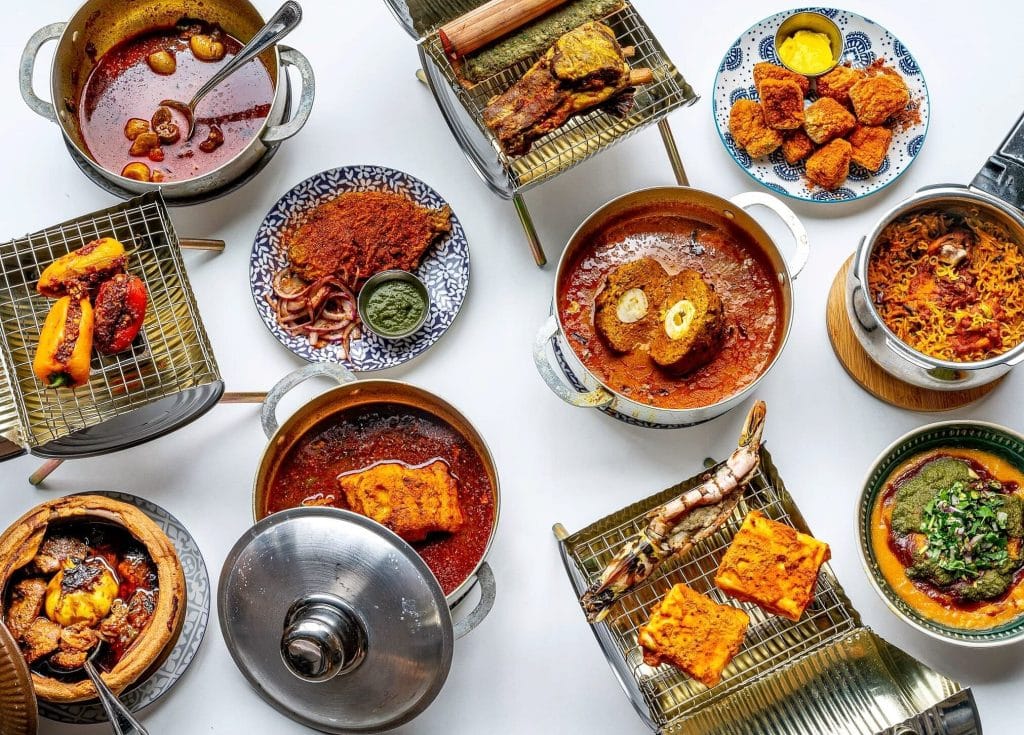
Downtown Brooklyn has evolved into one of New York City’s most dynamic dining destinations, and Indian cuisine has become an important part of that transformation. While Brooklyn has long been known for its diverse food culture, the Indian restaurants around Downtown Brooklyn increasingly go beyond the traditional neighborhood curry house. Today, diners can find chef-driven menus, regional Indian cooking, sophisticated interiors, creative cocktails, carefully presented dishes, and dining experiences designed for date nights, business dinners, celebrations, and special occasions.
For anyone searching for fine dining Indian restaurants in Downtown Brooklyn, the experience is about much more than the food itself. A luxury Indian meal can combine centuries-old culinary traditions with contemporary presentation, premium ingredients, attentive service, and an atmosphere that feels appropriate for an evening out.
One of the clearest examples is Kashi Indian Cuisine & Bar, located on Livingston Street. Kashi describes its cuisine as inspired by North Indian traditions, including Awadhi, Mughlai, and Punjabi cooking. Its current restaurant concept combines traditional Indian flavors with modern techniques, while its bar offers Indian-inspired cocktails and other beverages.
OpenTable currently classifies Kashi as a fine-dining Indian restaurant, with a listed price range of $31–$50 per person before additional costs. Its Downtown Brooklyn location, business-casual dress guidance, full bar, and special-occasion positioning make it particularly relevant to diners looking for an upscale Indian experience.
Why Downtown Brooklyn Has Great Indian Restaurants
A Diverse Dining Community
Downtown Brooklyn brings together residents, office workers, students, visitors, and diners traveling through one of Brooklyn’s busiest commercial and transportation areas. That diversity creates demand for restaurants that can serve different dining occasions, from quick weekday lunches to leisurely dinners.
Indian cuisine fits naturally into this environment because it offers enormous variety. A single Indian menu can include vegetarian dishes, seafood, chicken, lamb, biryani, kebabs, breads, regional specialties, and desserts.
For fine dining, this variety gives chefs plenty of opportunities to create multi-course experiences instead of relying on a single style of cuisine.
Indian Cuisine Works Naturally in Fine Dining
Indian food has many characteristics that translate beautifully into an upscale restaurant setting.
Slow-cooked curries can become carefully presented entrées. Tandoori cooking provides dramatic aromas and charred flavors. Biryani can be presented as an elaborate centerpiece. Chaat can be transformed into elegant small plates, while traditional Indian desserts can become refined finishes to a meal.
At Kashi, for example, the menu includes dishes rooted in North Indian traditions while incorporating contemporary interpretations. OpenTable’s coverage highlights preparations such as paratwala paneer tikka, chicken tikka chlorophyll, saag burrata, dal gosht, and lamb chops with zarishk pulao.
This illustrates how Indian culinary traditions can be presented in a modern fine-dining environment without abandoning their cultural roots.
Strong Regional Identity
One of the most exciting things about Indian dining in Brooklyn is that “Indian food” does not describe just one cuisine.
North Indian, Punjabi, Mughlai, Awadhi, South Indian, Goan, and other regional traditions use different ingredients, cooking methods, spices, and cultural influences.
Downtown Brooklyn and the neighborhoods surrounding it allow diners to explore some of this diversity.
For example, Indian Table on Court Street focuses specifically on Goan cuisine and Indian-Portuguese flavors. Its menu is guided by Goan chef Eric McCarthy and includes dishes such as chicken cafreal, ros omelette, pork sorpotel, fish curry, and crab cutlets.
That kind of regional specialization is important for anyone searching for a luxury Indian dining experience because it allows the meal to be about culinary discovery rather than simply ordering familiar curry dishes.
Modern Indian Dining With a Brooklyn Identity
Fine dining Indian restaurants in Brooklyn also reflect the character of the city itself.
Rather than reproducing a traditional Indian restaurant format exactly, modern restaurants may combine Indian food with contemporary interior design, creative beverage programs, modern plating, and a more relaxed Brooklyn atmosphere.
Kashi describes its dining room as a modern Indian supper-club-style space, with Mughal-inspired artwork, chandeliers, warm lighting, banquette seating, and a central bar. The restaurant seats approximately 60 guests.
This combination of heritage and contemporary design helps explain why Indian restaurants can work particularly well for date nights, celebrations, business dinners, and social occasions.
Experienced Chefs Bring More Depth
Fine dining is also about the people behind the kitchen.
Kashi’s head chef, Hakikat Dhawan, has more than two decades of culinary experience, including work at Taj Palace in New Delhi and experience with Indian restaurants in New York. The restaurant says his background includes preparing food for major events and international dignitaries before bringing that experience to its Downtown Brooklyn concept.
A chef’s regional knowledge and professional experience can influence everything from spice balance and cooking techniques to ingredient selection and menu development.
For diners, that can make a fine dining experience feel more distinctive than simply ordering familiar Indian dishes.
A Good Setting for Special Occasions
Luxury Indian dining is particularly appealing when the occasion calls for something more memorable than a casual meal.
Downtown Brooklyn’s upscale Indian restaurants can work for:
- Date nights
- Anniversaries
- Birthday dinners
- Business meals
- Client entertainment
- Family celebrations
- Pre-event dinners
- Group gatherings
- Special weekend meals
Kashi’s current OpenTable listing specifically identifies it as suitable for special occasions and business meals, while its bar and contemporary dining room add another layer to the experience.
The Downtown Brooklyn Advantage
Another advantage is location.
A fine dining restaurant doesn’t necessarily need to be in Manhattan to provide a sophisticated dining experience. Downtown Brooklyn gives diners access to an urban restaurant environment while remaining connected to the surrounding Brooklyn neighborhoods.
This makes it possible to plan an entire evening around Indian food—whether that means cocktails and small plates before dinner, a leisurely multi-course meal, or a celebration with friends and family.
Ultimately, the appeal of fine dining Indian restaurants in Downtown Brooklyn comes from the combination of Indian culinary heritage, regional diversity, contemporary presentation, experienced chefs, sophisticated dining rooms, and Brooklyn’s evolving food culture.
For diners who want more than a standard Indian meal, Downtown Brooklyn offers an opportunity to experience Indian cuisine as a complete dining experience—where the food, setting, service, drinks, and cultural story all contribute to the evening.
Top Fine Dining Indian Restaurants in Downtown Brooklyn
Downtown Brooklyn’s Indian dining scene offers more than casual curries and quick lunch specials. For diners looking for an elevated experience, the area and its nearby neighborhoods provide restaurants where regional Indian cuisine, modern presentation, thoughtful service, and distinctive dining rooms become part of the meal.
One important point is that fine dining does not necessarily mean every restaurant has the same formal style. Some restaurants focus on chef-driven North Indian cuisine, while others specialize in a particular regional tradition. Some are ideal for date nights and celebrations, while others are better suited to intimate dinners or exploring a specific Indian cuisine.
Here are several restaurants worth considering when searching for an upscale Indian dining experience around Downtown Brooklyn.
Kashi Indian Cuisine & Bar
Located at 286 Livingston Street, Kashi is the clearest fine-dining Indian destination directly in Downtown Brooklyn. Its cuisine focuses on North Indian traditions, particularly Awadhi, Mughlai, and Punjabi cooking, while incorporating modern techniques and contemporary presentation.
Kashi is led by Chef Hakikat Dhawan, whose culinary career includes experience at Taj Palace in New Delhi as well as prominent Indian restaurants in New York. The restaurant describes its approach as bringing traditional North Indian flavors together with modern culinary techniques.
The menu includes dishes such as slow-cooked biryanis, char-grilled kebabs, paneer preparations, curries, and contemporary interpretations of Indian classics. OpenTable has highlighted dishes including paratwala paneer tikka, chicken tikka chlorophyll, saag burrata, dal gosht, and lamb chops with zarishk pulao.
The restaurant also has a full bar featuring cocktails and Indian-inspired drinks, making it suitable for a longer dinner rather than simply a quick meal.
Best for: Date nights, business dinners, celebrations, modern North Indian cuisine
Location: Downtown Brooklyn / Livingston Street
Cuisine: North Indian, Awadhi, Mughlai, Punjabi
Price: OpenTable currently lists it in the $$$ category; current business listings place it around the higher-priced range.
Indian Table
For diners interested in regional Indian fine dining, Indian Table on Court Street offers something considerably different from the standard North Indian restaurant.
Located at 234 Court Street, Indian Table focuses on Goan cuisine and Indian-Portuguese flavors. The restaurant’s official website identifies it as an Indian-Goan restaurant led by chef Eric McCarthy, while Condé Nast Traveler describes the restaurant as a destination for exploring the distinctive cuisine of Goa.
The menu includes dishes such as chicken cafreal, ros omelette, pork sorpotel, fish curry, and crab cutlets. These dishes reflect Goa’s coastal ingredients and Portuguese culinary influence, giving diners an opportunity to experience a side of Indian cuisine that is not always represented on typical Indian restaurant menus.
The setting also contributes to the experience. Condé Nast Traveler describes the dining room as cozy with Portuguese-style tiles and notes an outdoor patio decorated with fairy lights.
Indian Table is particularly interesting for diners who equate luxury dining with culinary discovery rather than simply an expensive menu.
Best for: Regional Indian cuisine, special occasions, adventurous diners
Location: Court Street / Cobble Hill
Cuisine: Goan, Indian-Portuguese, coastal Indian
Price: Current business listings place it around the $30–$70 range.
Dastaan Indian Kitchen
Located at 115 Smith Street, Dastaan Indian Kitchen provides another option for diners looking for a more comfortable but elevated Indian dinner around Downtown Brooklyn.
Dastaan’s current website emphasizes its suitability for birthdays, anniversaries, family gatherings, corporate events, and other special occasions. The restaurant also offers reservations, catering, and a BYOB dining experience.
Its menu includes familiar Indian favorites as well as curries, biryanis, and tandoori specialties. The restaurant describes its food as authentic Indian cuisine prepared with fresh ingredients, while its atmosphere is designed to accommodate both intimate dinners and larger gatherings.
For diners who want the occasion to feel special without necessarily choosing a highly formal restaurant, Dastaan can be an appealing middle ground.
Best for: Celebrations, family dinners, groups, BYOB dining
Location: Smith Street
Cuisine: Indian
Price: Current business listings place it around $20–$30 per person.
Mint Heights
Mint Heights provides another Indian dining option in the surrounding Downtown Brooklyn area, with locations listed in Brooklyn.
Its dining style is more contemporary and neighborhood-oriented than traditional formal fine dining, making it relevant for diners who want an attractive setting and a more modern Indian meal without moving into the highest price category.
The restaurant can work particularly well for an evening when you want to explore Indian food in a relaxed atmosphere rather than commit to a formal tasting-menu-style experience.
Best for: Modern Indian dining, casual upscale dinners, neighborhood dining
Cuisine: Indian
Price: Current business listings generally place the restaurant around $20–$30 per person.
LORE
For diners willing to expand their search beyond Downtown Brooklyn itself, LORE in Park Slope is another contemporary Indian restaurant worth considering.
Located at 441 7th Avenue, LORE describes itself through a modern Indian dining concept and provides a more contemporary interpretation of Indian cuisine. Its dinner service and modern restaurant format make it relevant for diners who want to explore Indian food outside the traditional curry-house setting.
LORE is particularly useful for visitors who are willing to travel a little farther from Downtown Brooklyn in exchange for a broader selection of contemporary Indian dining experiences.
Best for: Modern Indian cuisine, contemporary dinners, date nights
Location: Park Slope
Cuisine: Modern Indian
Why These Restaurants Stand Out
These restaurants demonstrate that luxury Indian dining around Downtown Brooklyn isn’t limited to one particular style.
Kashi represents contemporary North Indian dining, with Awadhi, Mughlai, and Punjabi influences.
Indian Table focuses on Goan cuisine and the historical connection between Indian and Portuguese culinary traditions.
Dastaan offers a more relaxed special-occasion experience with Indian cuisine, reservations, and BYOB dining.
Mint Heights provides a contemporary neighborhood option.
LORE expands the search toward modern Indian dining in Park Slope.
The important distinction is that these restaurants do not all fit the strict definition of traditional fine dining. Instead, they represent different levels and styles of upscale Indian dining, from chef-driven cuisine and sophisticated interiors to regional specialization and special-occasion restaurants.
Choosing the Right Restaurant for Your Occasion
If you’re planning a romantic dinner, look for a restaurant with a comfortable dining room, full beverage program, and dishes designed for sharing.
For a business dinner, consider service, location, noise level, seating, and whether the restaurant accepts reservations.
For a birthday or anniversary, regional restaurants such as Indian Table can make the evening more memorable because the cuisine itself becomes part of the experience.
For Indian food enthusiasts, choosing a regional restaurant can be more rewarding than simply choosing the most expensive restaurant.
And if you are specifically searching for a fine-dining Indian restaurant inside Downtown Brooklyn, Kashi is the most directly aligned option, while the surrounding Brooklyn neighborhoods provide additional choices for diners willing to travel a short distance.
The result is a dining scene where luxury Indian food doesn’t have to follow one formula. You can choose modern North Indian cuisine, explore Goan coastal traditions, enjoy a relaxed special-occasion dinner, or venture into contemporary Indian cooking—all within a relatively compact part of Brooklyn.
Best Neighborhoods or Areas for Indian Food Near Downtown Brooklyn
One of the advantages of searching for Indian food around Downtown Brooklyn is that you don’t have to limit yourself to one neighborhood. Downtown Brooklyn sits at the center of several distinct communities, and each nearby area offers a slightly different Indian dining experience.
For diners specifically interested in fine dining and upscale Indian restaurants, exploring a few blocks beyond the formal Downtown Brooklyn boundaries can open up more choices. You can find contemporary North Indian cuisine, regional Goan food, South Indian specialties, modern Indian restaurants, and comfortable neighborhood restaurants within a relatively short distance.
Here are some of the most useful areas to explore.
Downtown Brooklyn
Downtown Brooklyn should be the first stop for anyone who wants convenience and an upscale Indian dinner without traveling far.
The biggest draw for this article is Kashi Indian Cuisine & Bar, located at 286 Livingston Street. OpenTable currently categorizes Kashi as fine dining and lists it in the $31–$50 price range. Its menu focuses on North Indian cuisine with Awadhi, Mughlai, and Punjabi influences.
Downtown Brooklyn also has South Indian options. Brooklyn Curry Project and Filter Kaapi are both located at 383 Bridge Street, giving the neighborhood a broader Indian-food identity beyond North Indian curries. The current business listings identify Brooklyn Curry Project as a South Indian restaurant and Filter Kaapi as an Indian restaurant.
Best for: Upscale North Indian dining, South Indian exploration, business dinners, convenient city dining.
Boerum Hill
Boerum Hill is particularly important when searching for fine dining Indian cuisine because it overlaps naturally with the Livingston Street dining area.
Kashi’s current OpenTable listing identifies its neighborhood as Boerum Hill, even though the restaurant is commonly described in searches as being in the Downtown Brooklyn area.
The neighborhood provides a more residential atmosphere than the busiest parts of Downtown Brooklyn while remaining close to major commercial streets.
This makes Boerum Hill a useful choice for diners who want to combine an upscale dinner with a relaxed neighborhood evening.
Best for: Fine dining, date nights, business dinners, special occasions.
Brooklyn Heights
Brooklyn Heights is another convenient area to include in an Indian-food search.
The neighborhood is known for its historic streets, brownstones, and proximity to Downtown Brooklyn, making it easy to combine sightseeing or an evening walk with dinner.
For Indian dining, options around the neighborhood include Mint Heights and Curry Heights. Current business listings place Mint Heights at 46 Henry Street and Curry Heights at 151 Remsen Street.
The area is particularly useful for diners who don’t necessarily need formal fine dining but want a polished Indian meal in a neighborhood setting.
Best for: Neighborhood dining, date nights, casual upscale meals, exploring nearby restaurants.
Cobble Hill and Court Street
If regional Indian cuisine is more important to you than a traditional fine-dining label, Cobble Hill and Court Street deserve special attention.
This area is home to Indian Table, located at 234 Court Street. The restaurant specializes in Goan cuisine and Indian-Portuguese flavors, offering dishes such as chicken cafreal, ros omelette, pork sorpotel, fish curry, and crab cutlets. Condé Nast Traveler specifically highlights the restaurant’s Goan focus and its Portuguese-influenced dining room.
This makes Court Street particularly interesting for diners who want to explore a regional Indian cuisine rather than simply order familiar butter chicken or tikka masala.
The neighborhood also provides an opportunity to turn dinner into a broader evening around Court Street and the surrounding historic Brooklyn streets.
Best for: Goan cuisine, regional Indian food, adventurous diners, intimate dinners.
Smith Street
Smith Street is another useful destination for Indian food around Downtown Brooklyn.
Dastaan Indian Kitchen is located at 115 Smith Street and provides Indian dining with a more relaxed special-occasion atmosphere. Its current business listing places it in the $20–$30 range.
Smith Street is especially convenient for groups and diners who want an Indian dinner without the formality associated with traditional luxury restaurants.
This makes it a useful middle ground between casual Indian dining and a more formal fine-dining experience.
Best for: Family dinners, celebrations, groups, comfortable evening dining.
Fort Greene
Fort Greene is worth exploring if you’re interested in South Indian cuisine.
The neighborhood is home to Dosa Royale, at 65 Lafayette Avenue. Its current business listing identifies it as a South Indian restaurant.
South Indian cuisine gives diners a completely different perspective from the North Indian dishes commonly associated with Indian restaurants in the United States.
Instead of focusing primarily on rich cream-based curries, South Indian menus can feature dosa, idli, vada, sambar, coconut-based preparations, chutneys, and other regional specialties.
For diners who want to make their Indian-food exploration more diverse, Fort Greene is therefore a useful extension of a Downtown Brooklyn food trip.
Best for: South Indian food, dosa, vegetarian dining, casual evening meals.
Atlantic Avenue and Boerum Hill
Atlantic Avenue connects several neighborhoods and provides another useful corridor for exploring Indian food.
Masala Grill is located at 501B Atlantic Avenue and is currently listed as an Indian restaurant.
The Atlantic Avenue area is particularly convenient because it sits near the intersection of Downtown Brooklyn, Boerum Hill, Cobble Hill, and nearby neighborhoods. Diners can therefore explore several restaurant options without committing to one tightly defined neighborhood.
Best for: Casual Indian meals, neighborhood food exploration, convenient dining near Downtown Brooklyn.
Schermerhorn Street
Schermerhorn Street provides another interesting stop for Indian-food enthusiasts.
Govinda’s Kitchen is located at 305 Schermerhorn Street and is currently listed as an Indian restaurant. The restaurant is particularly relevant for diners looking for vegetarian-focused Indian food.
This can be a useful alternative for vegetarian diners who want to explore Indian cuisine beyond the usual paneer-heavy restaurant menu.
Best for: Vegetarian Indian food, plant-focused dining, casual exploration.
Park Slope
If you’re willing to travel a little farther from Downtown Brooklyn, Park Slope adds another layer to the Indian dining search.
LORE, located at 441 7th Avenue, is currently listed as a modern Indian restaurant with a higher price range than many neighborhood Indian restaurants.
Its positioning makes Park Slope useful for diners specifically interested in contemporary Indian cuisine rather than traditional casual Indian dining.
The neighborhood also gives visitors a chance to combine dinner with a walk around one of Brooklyn’s best-known residential areas.
Best for: Contemporary Indian cuisine, upscale dinners, date nights, modern presentations.
How to Choose the Right Neighborhood
The best neighborhood depends on what you want from your Indian dining experience.
For fine dining: Start around Downtown Brooklyn and Boerum Hill, particularly the Livingston Street area.
For regional Indian cuisine: Explore Court Street and Cobble Hill, especially for Goan food.
For South Indian cuisine: Consider Downtown Brooklyn and Fort Greene.
For a relaxed neighborhood dinner: Brooklyn Heights, Smith Street, and Atlantic Avenue offer convenient alternatives.
For modern Indian dining: Expand toward Park Slope.
For vegetarian-focused options: Downtown Brooklyn, Fort Greene, and Schermerhorn Street provide several different directions to explore.
Make Downtown Brooklyn Your Starting Point
The biggest advantage of this area is that you don’t have to think of Indian dining as being restricted to one restaurant or one neighborhood.
You can begin with an upscale North Indian dinner around Livingston Street, explore Goan cuisine on Court Street another evening, try South Indian food in Fort Greene, and then venture toward Park Slope for a contemporary Indian experience.
That variety makes the Downtown Brooklyn area particularly interesting for Indian food lovers.
Rather than searching only for a restaurant with the words “fine dining” attached to it, consider what type of Indian cuisine you actually want to experience.
If you want sophisticated North Indian food and cocktails, Downtown Brooklyn and Boerum Hill are natural starting points.
If you want regional culinary discovery, Court Street may be more interesting.
If you want dosa and South Indian flavors, Fort Greene is worth the short trip.
And if contemporary Indian cuisine is your priority, expanding toward Park Slope can give you another set of possibilities.
Together, these neighborhoods make the Downtown Brooklyn area a practical base for exploring a surprisingly broad range of Indian cuisine.
Popular Indian Dishes People Should Try at Fine Dining Restaurants
Fine dining Indian cuisine is an opportunity to discover familiar dishes in a more refined setting while also trying regional specialties that may not appear on a typical Indian restaurant menu.
When dining at an upscale Indian restaurant in Downtown Brooklyn, don’t feel that you have to order only the dishes you already know. Indian cuisine has an enormous range of flavors, cooking techniques, ingredients, and regional traditions. A well-designed fine dining menu can take something familiar—such as paneer, kebabs, dal, or biryani—and present it with different ingredients, textures, sauces, or accompaniments.
Restaurants such as Kashi focus on North Indian traditions including Awadhi, Mughlai, and Punjabi cuisine, while Indian Table specializes in Goan and Indian-Portuguese cooking. That makes the Downtown Brooklyn area particularly interesting for diners who want to explore beyond standard Indian-American restaurant fare.
1. Paneer Tikka
Paneer tikka is one of the easiest dishes for first-time Indian diners to enjoy.
Indian cottage cheese is marinated with spices and traditionally cooked in a tandoor until lightly charred. The result combines a creamy interior with smoky, roasted flavors.
At Kashi, the Paratwala Paneer Tikka takes the familiar idea in a more contemporary direction, combining cottage cheese with mint-cilantro pesto, mango, and chili.
This is a good example of how a familiar Indian dish can become part of a modern fine-dining menu.
2. Chicken Tikka
Chicken tikka is another classic worth trying.
Boneless pieces of chicken are marinated in spices and yogurt before being cooked at high heat. The tandoor creates the characteristic smoky exterior while keeping the chicken tender.
Kashi currently offers Chicken Tikka Chlorophyll, pairing chicken with plant-based greens, chili, and onion.
If you enjoy grilled meats, this is a natural starting point for an upscale Indian dinner.
3. Butter Chicken
Butter chicken is one of India’s most internationally recognized dishes, and it remains a useful choice when exploring a fine-dining Indian menu.
The dish typically combines tandoori chicken with a creamy tomato-based sauce. The balance between smoky chicken, tomato, butter, cream, and spices makes it approachable while still showcasing Indian cooking techniques.
Kashi currently serves Butter Chicken with tandoori chicken tikka in a creamy tomato gravy.
Pair it with naan or basmati rice rather than ordering too many rich dishes at once.
4. Saag Paneer
For vegetarian diners, saag paneer is an excellent introduction to North Indian cooking.
Soft pieces of paneer are combined with leafy greens, aromatics, and spices. The creamy cheese contrasts nicely with the earthy flavor of the greens.
Kashi’s current menu lists Saag Paneer prepared with spinach, garlic, and cottage cheese.
For a vegetarian fine-dining meal, it can be paired with a vegetable appetizer, naan, and a lighter rice dish.
5. Dal Makhani
Dal is sometimes overlooked because it sounds simple, but a carefully prepared dal can be one of the most satisfying dishes on an Indian menu.
Dal Makhani is traditionally made with black lentils and beans and slowly cooked until creamy. Butter and spices add richness and depth.
Kashi currently serves Dal Kashi, made with black lentils and kidney beans, as well as Dal Makhani and Dal Tadka through its lunch menu.
In a multi-course dinner, dal works particularly well as a shared dish rather than an individual entrée.
6. Dal Tadka
If Dal Makhani feels too rich, try dal tadka.
The dish uses lentils finished with a tempering of ingredients such as garlic, onion, cumin, chilies, and other spices. The final tempering gives the lentils a fragrant, freshly cooked character.
Kashi’s menu includes Yellow Dal Tadka, prepared with multiple types of lentils along with onion, tomato, ginger, garlic, and asafoetida.
It is an excellent accompaniment to rice, naan, or biryani.
7. Chicken Biryani
Biryani is one of India’s great rice dishes and deserves a place on any serious Indian-food itinerary.
A good biryani layers fragrant basmati rice with spices and meat or vegetables. Depending on the regional style, saffron, mint, fried onions, herbs, and slow cooking can contribute additional complexity.
Kashi currently offers Chicken Dum Biryani, featuring spiced basmati rice, chicken, saffron, and mint.
The word “dum” refers to a slow-cooking technique in which the ingredients are cooked together to allow the flavors and aromas to develop.
8. Lamb Chops
For diners who want something more luxurious, lamb is an excellent choice.
Kashi’s current menu includes Lamb Chops Zarishk Pulao, pairing lamb chops with spiced basmati rice and saffron.
Lamb has a naturally rich flavor, so the spices and accompaniments can create a more substantial fine-dining entrée.
This is particularly appropriate for diners looking beyond familiar chicken curries.
9. Dal Gosht
Dal gosht demonstrates how Indian cuisine can combine legumes and meat in a deeply flavored dish.
Kashi currently lists Dal Gosht, made with lamb ribs and yellow lentils.
The combination creates a dish with both the richness of slow-cooked meat and the comforting texture of lentils.
If you are dining with someone who wants to explore something beyond the standard tikka masala, this can be an interesting shared entrée.
10. Grilled Fish and Seafood
Indian coastal cuisine provides an entirely different direction for fine dining.
Kashi’s current menu includes Grilled Branzino with raw mango curry and sea beans.
Indian Table, meanwhile, focuses heavily on Goan cuisine, where seafood plays an important role. Its menu includes dishes such as Goan shrimp curry, fish curry, shrimp balchao, and other seafood preparations featuring coconut, chili, tamarind, and regional spices.
These dishes are particularly useful for diners who prefer seafood to heavier meat-based curries.
11. Goan Fish Curry
Goan fish curry deserves special attention because it introduces flavors that are different from the North Indian dishes many American diners already know.
Indian Table’s menu describes Kalchi Kodi as a traditional Goan fish curry prepared with coconut, green mango, Kashmiri chili, and other ingredients.
The combination of coconut, acidity, chili, and seafood gives the dish a distinctive coastal character.
If your goal is to understand India’s regional diversity, this is the type of dish worth seeking out.
12. Goan Shrimp Curry
Another regional specialty is Goan shrimp curry.
Indian Table currently describes its version as shrimp cooked with coconut, green chili, cumin, coriander, ginger, and other ingredients.
The dish demonstrates why Indian food should not be thought of as one uniform cuisine. Coastal Indian cooking often makes extensive use of seafood, coconut, souring ingredients, and fresh aromatics.
13. Ragda Chaat
Fine dining doesn’t always mean heavy curries.
Indian street food can also be transformed into sophisticated small plates.
Kashi currently serves Ragda Chaat, featuring crispy potato patties, curried chickpeas, radish, mint, tamarind, and dairy elements.
Indian Table also features its own ragda chaat preparation with white peas, mustard seeds, curry leaves, tamarind, and mint chutney.
Chaat is a great way to begin a meal because it combines sweet, sour, spicy, savory, crunchy, and creamy elements.
14. Samosa
The humble samosa remains worth ordering even at an upscale restaurant.
A traditional samosa consists of a crisp pastry shell filled with seasoned potatoes, peas, and spices.
Kashi includes vegetable samosas on its current lunch menu, while Indian Table offers its own version of classic potato-and-green-pea samosas.
The difference at a fine-dining restaurant may come through presentation, accompanying chutneys, seasoning, or additional ingredients.
15. Gucchi Mushroom Dishes
For adventurous vegetarian diners, specialty mushrooms can provide a more luxurious experience.
Kashi currently lists Gucchi Khumbh Thoran, prepared with wild morel mushrooms, coconut, garlic, and mustard seeds. It also offers a morel-and-sundried-tomato pulao.
Morels are prized mushrooms, and combining them with Indian spices and techniques creates a dish that feels quite different from standard vegetable curry.
16. Achari Gobhi
Vegetables can also be the centerpiece of an upscale Indian meal.
Kashi’s Achari Gobhi combines cauliflower with a pickled-spice sauce.
The word “achari” relates to pickle-style seasoning, generally bringing tangy, aromatic spice notes to the dish.
It can be a particularly good choice when you want something flavorful without ordering another rich cream-based curry.
17. Naan and Indian Breads
Don’t underestimate the importance of bread.
Freshly prepared naan can completely change the experience of eating a curry. Tear off a piece and use it to scoop up the sauce, paneer, vegetables, or meat.
Kashi currently offers plain, butter, garlic, za’atar, and rosemary-chili naan, along with lachha paratha and chili-cheese kulcha.
For a fine-dining meal, ordering one or two breads to share is usually better than ordering several varieties individually.
18. Indian Desserts
Leave room for dessert.
Indian sweets often use milk, saffron, cardamom, rose, nuts, or slow-cooked rice to create rich and aromatic finishes.
Kashi currently offers gulab jamun, rasmalai, malaiyyo, saffron-infused rice pudding, and a chocolate lava cake with cardamom foam and dried rose petals.
For someone trying Indian desserts for the first time, gulab jamun is a familiar starting point. Rasmalai provides a softer, creamier experience, while a dish such as malaiyyo offers something less familiar.
How to Order for the Best Fine-Dining Experience
If you are visiting an Indian fine-dining restaurant with two people, avoid ordering five heavy entrées.
Instead, consider building a balanced meal:
Start with:
One chaat or small plate.
Add a grilled dish:
Paneer tikka, chicken tikka, or seafood.
Choose one vegetarian dish:
Saag paneer, achari gobhi, or another vegetable specialty.
Choose one main protein:
Butter chicken, lamb, seafood, or another signature dish.
Add:
Dal, rice or biryani, and one or two breads.
Finish with:
One or two desserts to share.
This approach lets you experience different cooking techniques without overwhelming the table.
Explore Beyond Butter Chicken
Butter chicken and chicken tikka masala have earned their popularity for a reason, but fine dining is an excellent opportunity to go further.
Try a Goan seafood curry. Order a contemporary paneer preparation. Explore a regional dal. Share a biryani. Taste a vegetable dish seasoned with pickling spices. Finish with a traditional Indian dessert.
That is where the real appeal of upscale Indian dining becomes clear.
Rather than simply choosing the most familiar dish, diners can use a fine-dining menu as a guide through India’s enormous culinary landscape—from the smoky flavors of the tandoor and rich North Indian gravies to coastal Goan seafood, vegetarian specialties, fragrant rice dishes, street-food-inspired small plates, and sophisticated Indian desserts.
Vegetarian and Vegan Indian Food Options
One of the biggest advantages of Indian cuisine is the incredible variety available to vegetarian diners. Indian culinary traditions have developed an enormous range of dishes centered around vegetables, lentils, legumes, grains, dairy, spices, herbs, and regional ingredients.
That makes fine-dining Indian restaurants in Downtown Brooklyn particularly appealing for vegetarian diners. You don’t have to settle for a basic vegetable curry while everyone else orders meat. A well-designed Indian menu can provide an entire multi-course vegetarian experience, from chaat and tandoori appetizers to paneer, dal, vegetable specialties, rice dishes, breads, and desserts.
For vegan diners, the possibilities are also substantial, although extra care is necessary because many Indian dishes contain ghee, butter, cream, yogurt, milk, or paneer.
Vegetarian Dining at Fine Indian Restaurants
Vegetarian Indian food can be much more diverse than the familiar combination of paneer and naan.
At Kashi, for example, the current menu includes vegetarian dishes such as saag paneer, achari gobhi, ragda chaat, vegetable samosas, dal, and specialty mushroom preparations. The restaurant’s cuisine draws from Awadhi, Mughlai, and Punjabi traditions. (kashiny.com)
These dishes can form the foundation of a complete vegetarian dinner.
Instead of ordering several creamy dishes, try combining different cooking styles:
- One chaat
- One tandoori or grilled appetizer
- One paneer dish
- One vegetable preparation
- One dal
- Rice or pulao
- Fresh naan
- An Indian dessert
This creates much more variety in flavor and texture.
Paneer for Vegetarian Diners
Paneer is one of the most popular vegetarian ingredients in Indian cuisine.
This fresh Indian cheese has a firm texture that makes it ideal for grilling, curries, marinades, and tandoori preparations.
At Kashi, diners can find preparations such as Paratwala Paneer Tikka and Saag Paneer. The restaurant’s current menu describes its paneer tikka with mint-cilantro pesto, mango, and chili, while its saag paneer combines spinach, garlic, and cottage cheese. (kashiny.com)
For a vegetarian fine-dining meal, paneer can serve as the main protein component.
However, paneer is dairy, so it is not vegan.
Saag Paneer
Saag paneer is particularly useful for diners who want a combination of greens and protein.
The creamy texture of paneer contrasts with the earthy flavor of leafy greens, while garlic and spices add additional depth.
It’s also a good example of how Indian vegetarian cuisine doesn’t have to be bland or overly complicated.
If you’re ordering several dishes for the table, saag paneer can provide a creamy component alongside sharper, spicier, or tangier dishes.
Achari Gobhi
Cauliflower is another excellent vegetarian ingredient.
Kashi currently offers Achari Gobhi, a cauliflower preparation featuring pickled-spice flavors. (kashiny.com)
The term “achari” refers to the flavor profile associated with Indian pickling spices. It can bring tanginess and aromatic spice to vegetables without requiring a heavy cream-based sauce.
This makes achari-style vegetables particularly useful for balancing a rich vegetarian dinner.
Dal as a Main Part of the Meal
Indian vegetarian dining would not be complete without dal.
Lentils and legumes provide protein, texture, and comfort while also absorbing the flavors of spices and aromatics.
Fine-dining menus may offer several different types of dal, each with a different character.
Kashi’s current menu includes preparations such as Dal Kashi, Dal Makhani, and Dal Tadka. (kashiny.com)
Dal Makhani is rich and creamy, while dal tadka generally has a brighter, more aromatic character from its spice tempering.
If you’re ordering a heavy paneer dish, a lighter dal can help create a more balanced meal.
Ragda Chaat for a Flavorful Starter
Vegetarian diners should also explore Indian chaat.
Chaat combines contrasting flavors and textures—sweet, sour, spicy, savory, crunchy, and creamy—into a single dish.
Kashi currently serves Ragda Chaat, featuring potato patties, curried chickpeas, radish, mint, tamarind, and dairy elements. (kashiny.com)
Because chaat can contain multiple components, it works particularly well as a first course in a fine-dining meal.
Just remember that dairy ingredients may be present, so vegan diners should ask about the preparation.
Gucchi Mushroom for a More Luxurious Vegetarian Experience
Vegetarian fine dining becomes particularly interesting when restaurants use premium ingredients.
Kashi currently lists Gucchi Khumbh Thoran, prepared with wild morel mushrooms, coconut, garlic, and mustard seeds. (kashiny.com)
Morel mushrooms have a distinctive earthy character and can make a vegetable-centered course feel considerably more substantial.
Because this preparation includes coconut rather than necessarily relying on cream, it may also be relevant to vegan diners—but ingredients and preparation should always be confirmed directly with the restaurant.
Vegetarian Rice and Biryani
Rice can be more than an accompaniment.
Indian cuisine has numerous vegetarian rice preparations featuring vegetables, spices, saffron, herbs, nuts, dried fruits, and aromatic basmati rice.
Kashi currently lists a Morel Mushroom & Sundried Tomato Pulao, offering a more contemporary interpretation of an Indian rice dish. (kashiny.com)
For a vegetarian table, rice or pulao can be shared alongside dal and vegetable dishes rather than treated as the main course.
Indian Breads
Vegetarian diners have plenty of choices when it comes to Indian breads.
Naan is the most familiar option, but restaurants may also offer:
- Garlic naan
- Butter naan
- Lachha paratha
- Kulcha
- Specialty naan
- Roti
Kashi currently offers several naan options, including plain, butter, garlic, za’atar, and rosemary-chili variations, along with lachha paratha and chili-cheese kulcha. (kashiny.com)
For vegan diners, however, bread requires special attention.
Butter naan contains dairy, and some restaurant breads may be brushed with butter or ghee after cooking.
Always ask whether a bread can be prepared without dairy.
Vegan Indian Food Options
Indian cuisine contains many naturally plant-based dishes, but “vegetarian” and “vegan” are not interchangeable.
A vegetarian dish may contain:
- Milk
- Butter
- Ghee
- Cream
- Yogurt
- Paneer
A vegan diner needs to avoid all of these dairy ingredients.
Fortunately, many Indian dishes can be prepared without them.
Chana Masala
Chickpea-based dishes are among the easiest vegan-friendly choices to look for.
Chana masala combines chickpeas with tomatoes, onions, chilies, and spices.
Because the dish is naturally centered around legumes rather than dairy, it can often be prepared vegan.
Still, ask the restaurant whether ghee or butter has been added during cooking.
Baingan Bharta
Baingan bharta is another dish worth asking about.
Roasted eggplant is mashed and cooked with onions, tomatoes, chilies, and spices.
The smoky flavor of roasted eggplant makes it satisfying even without dairy.
Depending on the restaurant’s recipe, it may naturally be vegan, but ingredient confirmation is still recommended.
Vegetable Curries
Indian restaurants often offer several vegetable-based curries.
Potential vegan choices can include:
- Aloo gobi
- Vegetable curry
- Baingan dishes
- Chana dishes
- Vegetable vindaloo
- Mixed vegetable preparations
- Some saag preparations
The key is to ask how each dish is cooked.
A vegetable curry can appear completely dairy-free but still contain ghee.
Coconut-Based Indian Dishes
Coconut is particularly useful for vegan diners because it can provide richness without dairy.
This is especially relevant when exploring coastal Indian cuisines.
Goan cuisine, for example, frequently uses coconut, seafood, chilies, herbs, and souring ingredients.
Indian Table’s Goan menu includes dishes featuring coconut and regional spices, demonstrating a different approach to Indian cuisine from the cream-heavy North Indian dishes that many American diners may already know. (indiantableny.com)
For vegan diners, coconut-based vegetable dishes can provide richness while avoiding cream.
Vegan Chaat
Chaat can potentially be vegan, but this depends heavily on preparation.
Ingredients such as potatoes, chickpeas, tamarind chutney, mint chutney, onions, herbs, and spices can be plant-based.
However, yogurt is commonly used in several chaat preparations.
When ordering, simply say:
“Can this be prepared without yogurt, dairy, ghee, or butter?”
That makes your dietary requirement much clearer.
Vegan Rice Dishes
Rice and vegetable pulao can sometimes be vegan.
But once again, ask about ghee.
Many Indian rice dishes are traditionally finished with ghee for additional aroma and richness.
If you’re vegan, ask whether the rice is cooked with vegetable oil instead.
Vegan Indian Bread
Bread can be one of the more complicated areas for vegan diners.
Plain roti may be easier to adapt, while naan frequently contains yogurt, milk, or butter.
Ask specifically:
“Is this bread made with dairy or brushed with butter or ghee?”
If the answer is yes, ask whether a dairy-free alternative is available.
Don’t Assume Chutneys Are Vegan
Chutneys often look harmless, but recipes vary.
Mint chutney and tamarind chutney are frequently plant-based, but some preparations can contain yogurt or other dairy ingredients.
Ask before adding them to your meal.
Avoiding Cross-Contact
For people with serious food allergies, ingredient questions should go beyond whether a dish contains dairy.
Ask about:
- Shared cooking surfaces
- Shared frying oil
- Nuts
- Dairy
- Gluten
- Eggs
- Specific spice ingredients
A dish can be vegetarian but cooked in an environment that also handles meat.
Likewise, a dish can be vegan in ingredients but prepared using shared equipment.
Restaurants can explain their current preparation practices, so communicating clearly with the staff is important.
How to Order a Vegetarian Fine-Dining Meal
A good vegetarian meal for two could look like this:
Starter:
Ragda chaat or vegetable samosa.
Grilled dish:
Paneer tikka.
Vegetable:
Achari gobhi or another seasonal vegetable preparation.
Main:
Saag paneer.
Lentil:
Dal tadka.
Rice:
Vegetable pulao.
Bread:
Garlic naan or another bread.
Dessert:
Rasmalai or another Indian sweet.
This provides multiple textures and flavors without making the meal dependent on meat.
For vegan diners, substitute paneer and dairy-based dishes with plant-based vegetable, chickpea, lentil, mushroom, and coconut preparations after confirming ingredients with the restaurant.
Indian Fine Dining Is Naturally Flexible
One of the strengths of Indian cuisine is that a vegetarian or vegan meal does not have to feel like a modified version of someone else’s dinner.
Vegetarian cooking has deep roots across India’s regional cuisines, and many classic dishes were designed around vegetables, grains, legumes, and spices from the beginning.
That makes Indian fine dining particularly suitable for groups with mixed dietary preferences.
One person can order lamb or chicken, another can choose paneer, and another can build an entirely plant-based meal from vegetables, legumes, rice, and dairy-free preparations.
The key is to communicate clearly with the restaurant and explore the menu beyond the most familiar dishes.
For vegetarian diners, Downtown Brooklyn’s Indian restaurants offer an opportunity to experience paneer, dal, vegetables, mushrooms, rice dishes, chaat, and regional specialties as complete culinary experiences.
For vegan diners, the same cuisine can provide plenty of possibilities—provided that ingredients such as ghee, butter, cream, yogurt, and paneer are carefully identified and avoided when necessary.
The result can be a sophisticated Indian meal where vegetables, legumes, grains, spices, and regional cooking techniques are the stars rather than substitutes for meat.
Budget-Friendly Indian Restaurants
Fine dining Indian cuisine doesn’t always have to mean spending a large amount on dinner. Downtown Brooklyn and the surrounding neighborhoods offer several ways to experience quality Indian food at a more manageable price.
The key is knowing when to visit, what type of meal to order, and whether you actually need a full dinner experience. A weekday lunch special, shared appetizers, or a carefully selected combination of dishes can provide many of the flavors and techniques associated with upscale Indian dining without the price of a long evening meal.
For diners searching for budget-friendly Indian restaurants in Downtown Brooklyn, these strategies can make Indian cuisine more accessible while still allowing you to explore regional flavors and quality ingredients.
Kashi Indian Cuisine & Bar: Fine Dining at Lunch
One of the most useful options for budget-conscious diners who still want an upscale environment is Kashi Indian Cuisine & Bar at 286 Livingston Street.
Kashi is positioned as a modern North Indian restaurant, with influences from Awadhi, Mughlai, and Punjabi cuisine. Its regular dinner menu is designed for a more upscale dining experience, but its weekday lunch special provides a significantly more accessible way to experience the restaurant.
Kashi currently offers its lunch special Monday through Friday from 11 AM to 3 PM. The vegetarian option is $19.99, while the non-vegetarian option is $21.99.
The vegetarian meal includes a choice of appetizer, paneer entrée, dal, butter naan, basmati rice, boondi raita, and dessert. The non-vegetarian option includes a starter, chicken entrée, dal, naan, rice, raita, and dessert.
For someone interested in luxury Indian dining but working with a smaller budget, this is one of the easiest ways to experience an upscale restaurant during the daytime.
Curry Heights: Casual and Affordable Indian Dining
For diners who don’t necessarily need a fine-dining atmosphere, Curry Heights at 151 Remsen Street provides another option.
Its current menu includes a broad range of Indian appetizers, curries, vegetarian dishes, biryani, and other specialties. Current menu listings include individual entrées at relatively accessible prices, while its website highlights affordable lunch specials.
This makes Curry Heights useful when the priority is quantity, variety, and familiar Indian flavors rather than formal service or an upscale dining room.
A smart approach is to choose one curry, one vegetable dish, and rice or bread and share them between two people. This can give you several flavors without ordering a full entrée for everyone.
Dastaan Indian Kitchen: A Relaxed Special-Occasion Option
Dastaan Indian Kitchen on Smith Street is another restaurant to consider when you want Indian food for a special meal without moving into the highest fine-dining price range.
Its current business listing places it in a moderate price category, while the restaurant’s concept is suited to family dinners, celebrations, groups, and other occasions.
Dastaan can therefore work well when your group wants a comfortable sit-down dinner but doesn’t necessarily need the formal atmosphere of a luxury restaurant.
The restaurant’s location on Smith Street also makes it convenient for exploring the surrounding Cobble Hill and Boerum Hill areas before or after dinner.
Share Several Dishes
One of the simplest ways to reduce the cost of Indian dining is to share.
Indian cuisine is naturally suited to family-style eating.
Instead of ordering one entrée per person, two diners could order:
- One appetizer
- One vegetarian curry
- One meat or seafood curry
- One dal
- One rice dish
- One or two breads
Everyone can taste several dishes without paying for a separate entrée for each person.
This approach also creates a more interesting dining experience because you get to compare different spice blends, textures, and cooking techniques.
Choose Lunch Instead of Dinner
Lunch is often the best opportunity to experience an upscale Indian restaurant on a budget.
Restaurants may offer fixed-price lunch menus that include several components for one price.
Kashi is a particularly clear example. Its current weekday lunch special includes an appetizer or starter, entrée, dal, rice, naan, raita, and dessert.
That is considerably more variety than ordering a single entrée.
If your schedule is flexible, consider making your special Indian dining experience a weekday lunch rather than a Friday or Saturday dinner.
Order Vegetarian
Vegetarian dishes can sometimes provide an economical way to explore a larger selection of Indian flavors.
Lentils, chickpeas, vegetables, rice, and breads can be shared across the table.
At Kashi, for example, the current $19.99 vegetarian lunch special includes a choice of ragda chaat or vegetable samosa, paneer butter masala or saag paneer, dal, naan, basmati rice, raita, and dessert.
That makes the vegetarian option particularly useful for someone who wants a multi-course Indian meal without ordering several separate dishes.
Start With Small Plates
You don’t always need to order a full entrée.
Indian appetizers can provide an inexpensive way to explore a restaurant’s cooking.
Depending on the menu, look for:
- Samosas
- Chaat
- Pakoras
- Paneer tikka
- Chicken tikka
- Vegetable appetizers
- Kebabs
A couple sharing several appetizers can sometimes create a satisfying meal while spending less than they would on multiple entrées.
This is especially useful if you’re interested in tasting different flavors rather than simply eating one large portion.
Choose Rice and Bread Carefully
Rice and Indian breads can help stretch a meal.
One rice dish shared between two or three people can provide a substantial accompaniment to several curries.
Likewise, naan or roti can be shared rather than ordering separate breads for every person.
For a group dinner, ordering a combination of rice, naan, dal, vegetables, and one or two curries can provide considerably more variety than ordering individual combination meals.
Try a Fixed-Price Meal
Fixed-price meals are particularly valuable because you know the cost before ordering.
They can also help prevent the common problem of ordering several individual dishes and discovering that the bill is much higher than expected.
Kashi’s current weekday lunch is a good example of this model, with the vegetarian meal at $19.99 and the non-vegetarian meal at $21.99.
For diners who want to experience an upscale Indian restaurant for the first time, a fixed-price lunch can therefore be a useful introduction.
Don’t Confuse Cheap With Good Value
Budget-friendly dining doesn’t necessarily mean choosing the cheapest dish on the menu.
Think about how much food and variety you’re receiving for the price.
For example, a $20 multi-course meal containing an appetizer, entrée, dal, rice, bread, raita, and dessert may provide more overall dining value than a $15 entrée served by itself.
Similarly, a slightly more expensive restaurant may become affordable when two people share several dishes.
Value should therefore be considered in terms of:
- Number of dishes
- Portion sizes
- Variety
- Ingredients
- Dining experience
- Location
- Service
- Whether the meal includes accompaniments or dessert
Budget Dining for Vegetarians
Vegetarian diners can often build a particularly varied meal without ordering expensive meat or seafood.
A simple shared vegetarian dinner could include:
Starter: Vegetable samosa or chaat
Main: Saag paneer
Second dish: Chana masala or vegetable curry
Lentils: Dal
Carbohydrate: Basmati rice
Bread: Naan
Dessert: Gulab jamun
This gives you several distinct flavors and textures while keeping the focus on classic Indian cooking.
Budget Dining for Groups
Indian restaurants can be especially economical for groups because dishes are naturally shareable.
For four people, for example, consider ordering:
- Two appetizers
- Two vegetable dishes
- Two meat or seafood dishes
- One dal
- One biryani
- Several breads
- Two desserts
Instead of everyone ordering individually, the table becomes a shared tasting experience.
This can also be more enjoyable because everyone gets to try something different.
Explore Nearby Neighborhoods
If Downtown Brooklyn prices don’t fit your budget, expand your search slightly.
Nearby areas such as Brooklyn Heights, Cobble Hill, Boerum Hill, Fort Greene, and Park Slope have additional Indian restaurants at different price levels.
Curry Heights on Remsen Street, for example, provides a more casual alternative to the upscale experience offered by Kashi.
Meanwhile, Dastaan Indian Kitchen on Smith Street offers another comfortable sit-down option around the Downtown Brooklyn area.
This wider search gives diners more control over both budget and dining style.
The Best Time to Enjoy Luxury Indian Food on a Budget
If your goal is specifically to experience fine dining Indian cuisine without spending as much as a typical dinner, a weekday afternoon is often worth considering.
A simple strategy is:
Monday–Friday: Look for lunch specials.
Weekend: Consider sharing several dishes.
For two people: Order family-style instead of two complete entrées.
For groups: Share appetizers, curries, rice, dal, and breads.
For vegetarians: Look for multi-course vegetarian lunch options.
For first-time visitors: Choose a fixed-price meal so you can sample several components.
Budget Doesn’t Mean Sacrificing the Experience
A lower-priced Indian meal doesn’t have to feel like a compromise.
You can still enjoy freshly prepared breads, aromatic rice, flavorful curries, traditional spices, vegetarian specialties, and Indian desserts.
The biggest difference is often when and how you order, rather than the quality of the cuisine itself.
For someone searching for a luxury Indian dining experience in Downtown Brooklyn, Kashi’s weekday lunch special provides a particularly practical example: the restaurant’s upscale setting and North Indian menu can be experienced through a structured multi-course lunch for $19.99 vegetarian or $21.99 non-vegetarian.
For someone who simply wants affordable Indian food, Curry Heights provides a more casual alternative with lunch-focused value and a broad menu.
Ultimately, the best budget strategy is to focus on value rather than simply price.
Choose lunch when possible, share dishes, explore vegetarian options, use fixed-price menus, and look beyond Downtown Brooklyn’s immediate boundaries when necessary.
That way, experiencing Indian cuisine around Brooklyn can remain accessible even when your dining budget is limited.
Fine Dining Indian Restaurants
Fine dining Indian cuisine in Downtown Brooklyn is becoming increasingly interesting for diners who want more than a traditional neighborhood curry restaurant. The area’s upscale Indian options combine regional culinary traditions with contemporary presentation, sophisticated interiors, cocktails, attentive service, and menus designed for a longer dining experience.
For this type of meal, the restaurant itself becomes part of the experience. You’re not simply choosing a curry and rice; you’re considering the chef, regional cuisine, atmosphere, presentation, beverage program, and the occasion.
Kashi Indian Cuisine & Bar
For diners specifically searching for fine dining Indian cuisine in Downtown Brooklyn, Kashi Indian Cuisine & Bar is the most direct match.
Located at 286 Livingston Street, Kashi is currently classified by OpenTable as a Fine Dining Indian restaurant, with a listed price range of $31–$50. OpenTable also identifies it as suitable for special occasions and business meals.
Kashi focuses on North Indian cuisine, particularly Awadhi, Mughlai, and Punjabi traditions. Its menu combines classic Indian flavors with contemporary techniques and presentation.
The restaurant is led by Chef Hakikat Dhawan, whose career includes more than 25 years of culinary experience and work at Taj Palace in New Delhi as well as Indian restaurants in New York.
The menu includes slow-cooked biryanis, char-grilled kebabs, curries, paneer preparations, dal, Indian breads, and contemporary interpretations of traditional dishes.
The setting is also an important part of the experience. Kashi has a supper-club-inspired atmosphere with chandeliers, artwork, a bar, and a contemporary dining room. Its current listing also includes cocktails, wine, a full bar, and private-room availability.
Best for: Fine dining, date nights, business dinners, celebrations
Location: 286 Livingston Street, Downtown Brooklyn
Cuisine: North Indian, Awadhi, Mughlai, Punjabi
Price: OpenTable lists $31–$50
Indian Table
For diners who define luxury through regional culinary specialization, Indian Table offers a very different experience.
Located at 234 Court Street, approximately a short distance from Downtown Brooklyn, Indian Table specializes in Indian-Goan cuisine. Its official website describes the restaurant as serving Indian and Portuguese flavors from Goa and identifies Chef Eric McCarthy as a 7x Michelin-starred chef.
Goan cuisine is particularly interesting because of its coastal ingredients and Portuguese influence. Seafood, coconut, chilies, spices, and souring ingredients play important roles in many Goan preparations.
Rather than focusing exclusively on familiar North Indian dishes, Indian Table gives diners an opportunity to explore dishes associated with Goa and its distinctive culinary history.
This makes it particularly suitable for diners who want their fine-dining experience to feel like a culinary journey through a specific Indian region.
Best for: Regional Indian cuisine, seafood, special occasions, adventurous diners
Location: 234 Court Street, Brooklyn
Cuisine: Goan, Indian-Portuguese, coastal Indian
Dastaan Indian Kitchen
Located at 115 Smith Street, Dastaan Indian Kitchen provides a more relaxed interpretation of upscale Indian dining.
It may not have the same strict fine-dining positioning as Kashi, but it is relevant for diners looking for a comfortable restaurant for birthdays, anniversaries, corporate gatherings, family celebrations, and group dinners.
Dastaan’s official website specifically promotes the restaurant for special occasions and private events. It also offers reservations, catering, and a BYOB dining experience.
The menu covers familiar Indian favorites alongside dishes such as Goan shrimp, curries, biryanis, tandoori specialties, and vegetarian options.
Its atmosphere is described as warm and inviting, with soft lighting, comfortable seating, and Indian-inspired décor.
This makes Dastaan a useful choice when you want the occasion to feel special without necessarily looking for a highly formal fine-dining environment.
Best for: Family celebrations, birthdays, anniversaries, groups
Location: 115 Smith Street, Brooklyn
Cuisine: Indian
Dining style: Relaxed upscale / special-occasion dining
LORE
For diners willing to travel farther from Downtown Brooklyn, LORE in Park Slope provides another contemporary Indian option.
Located at 441 7th Avenue, LORE is categorized as a modern Indian restaurant. Its positioning makes it relevant for diners interested in contemporary Indian cuisine rather than a traditional Indian restaurant format.
LORE can be particularly interesting for people who want to explore how Indian flavors can be incorporated into a modern restaurant concept.
Best for: Contemporary Indian dining, date nights, modern cuisine
Location: Park Slope
Cuisine: Modern Indian
What Makes Indian Fine Dining Different?
A fine-dining Indian restaurant isn’t necessarily defined by expensive ingredients alone.
Several elements contribute to the experience.
Regional Cooking
A restaurant that focuses on a specific Indian culinary tradition can provide more depth than a menu attempting to represent every part of India.
Kashi concentrates on North Indian traditions, including Awadhi, Mughlai, and Punjabi cuisine. Indian Table focuses specifically on Goan food.
Chef-Driven Menus
Experienced chefs can reinterpret traditional dishes without completely removing their original identity.
At Kashi, Chef Dhawan’s background includes luxury hotel kitchens in India and modern Indian restaurants in New York, giving the restaurant a foundation that combines traditional knowledge with contemporary restaurant techniques.
Presentation
Fine dining places additional attention on how food reaches the table.
A paneer dish can become an elegant appetizer. A biryani can become the centerpiece of a meal. Chaat can be transformed into a refined small plate.
The ingredients may be familiar, but the presentation and combination of flavors can create a different experience.
Beverage Programs
Cocktails and wine can also distinguish an upscale Indian restaurant.
Kashi currently offers a full bar, cocktails, wine, and Indian-inspired beverages. OpenTable also lists a dedicated bar/lounge as part of the restaurant experience.
Indian spices, fruit, herbs, tea, and other ingredients can provide interesting foundations for cocktails and non-alcoholic beverages.
Atmosphere
A fine-dining meal is about more than what’s on the plate.
Lighting, seating, music, table settings, décor, service, and the overall pace of the meal all influence the experience.
Kashi’s current positioning includes a contemporary supper-club atmosphere, while Dastaan emphasizes warm lighting, comfortable seating, and Indian-inspired décor.
Fine Dining vs. Upscale Casual Indian
It’s useful to distinguish between the categories.
Fine dining:
A more formal or sophisticated experience with elevated service, atmosphere, presentation, and pricing.
Upscale casual:
High-quality food and a comfortable atmosphere without the same level of formality.
Regional Indian restaurant:
The focus is primarily on a specific culinary tradition, even if the restaurant isn’t formally classified as fine dining.
Special-occasion restaurant:
A comfortable place for birthdays, anniversaries, business meals, or groups, without necessarily meeting every traditional definition of fine dining.
Using these categories makes it easier to choose the right restaurant for your particular evening.
A Good Fine-Dining Indian Meal
If you’re visiting an upscale Indian restaurant for the first time, consider ordering several dishes to share rather than choosing one entrée each.
A meal for two might include:
- One chaat or small appetizer
- One tandoori or grilled dish
- One vegetarian entrée
- One meat or seafood entrée
- One dal
- Biryani or rice
- Naan or another Indian bread
- One or two desserts
This lets you experience several cooking techniques and flavor profiles.
For a vegetarian table, replace the meat or seafood with paneer, mushrooms, vegetables, or another regional specialty.
Choosing the Right Restaurant
If you want the most directly aligned fine-dining experience in Downtown Brooklyn, Kashi is the clearest fit because current OpenTable listings explicitly categorize it as fine dining and the restaurant itself describes its concept as modern North Indian dining in Downtown Brooklyn.
If your priority is regional discovery, Indian Table’s Goan cuisine offers a very different experience.
If you’re planning a large celebration or relaxed special-occasion meal, Dastaan provides reservations, private-event options, catering, and BYOB dining.
And if you’re interested in modern Indian cuisine and don’t mind traveling farther from Downtown Brooklyn, LORE in Park Slope provides another direction to explore.
The important thing is not simply to search for the most expensive restaurant. Instead, consider what you want the evening to feel like.
A luxury Indian dinner can be about sophisticated North Indian cooking, regional Goan cuisine, contemporary interpretation, an intimate date-night atmosphere, or a memorable celebration with friends and family.
Downtown Brooklyn and its surrounding neighborhoods offer several ways to experience those different sides of Indian cuisine.
Takeout and Delivery Tips
Fine dining Indian restaurants are designed around the experience of eating in the restaurant, but that doesn’t mean you have to miss out on their food when you’re at home, in the office, or planning a private gathering.
Indian cuisine is actually well suited to takeout and delivery because many curries, dals, rice dishes, and braised meats maintain their flavor during transportation. The key is choosing dishes that travel well and knowing which items should be eaten immediately.
Around Downtown Brooklyn, restaurants such as Kashi Indian Cuisine & Bar, Curry Heights, and Dastaan Indian Kitchen provide different options for enjoying Indian food away from the dining room. Kashi currently offers catering services, while Curry Heights offers delivery, pickup, group ordering, and catering. Dastaan also provides online ordering from its Smith Street location.
Choose Curries That Travel Well
Curries are among the safest choices for Indian takeout.
Their sauces help protect the meat or vegetables from drying out, and many curries can be reheated without losing too much of their character.
Good choices include:
- Butter chicken
- Chicken tikka masala
- Saag paneer
- Paneer butter masala
- Chana masala
- Dal
- Lamb curry
- Vegetable curry
- Goan-style seafood curry
Curry Heights’ current delivery menu includes dishes such as chicken tikka masala, saag paneer, butter chicken, lamb tikka masala, and saag curry.
For a delivery meal, these dishes are generally more practical than delicate fried foods.
Biryani Is Excellent for Delivery
Biryani is another strong takeout choice.
Because the rice and protein are cooked together with aromatic spices, herbs, and other ingredients, the dish tends to maintain its flavor during transportation.
Kashi’s menu includes slow-cooked biryanis, making this style of dish particularly appropriate when you’re looking for a more substantial Indian meal at home.
When ordering biryani, consider adding a cooling accompaniment such as raita if available.
If you’re ordering for several people, one large biryani can also become a centerpiece alongside curries, vegetables, and breads.
Order Naan Separately
Fresh naan is one of the most enjoyable parts of an Indian meal, but it is also one of the items most likely to lose quality during delivery.
Steam trapped inside a delivery container can soften the bread.
If possible, open the container as soon as the food arrives and transfer the naan to a plate rather than leaving it sealed for a long time.
For larger orders, you can briefly reheat naan in an oven or dry skillet.
Avoid overheating it, because naan can become tough very quickly.
Fried Appetizers Need Immediate Attention
Samosas, pakoras, and other fried appetizers are delicious when freshly prepared, but they can lose their crisp texture during delivery.
If you’re ordering them:
- Eat them soon after arrival.
- Remove them from sealed containers.
- Place them on a plate rather than leaving them trapped in steam.
- Reheat briefly in an oven or air fryer if necessary.
Avoid microwaving fried appetizers for too long because the pastry can become soft.
Keep Chutneys and Raita Separate
Chutneys and raita should ideally remain separate from hot food until you’re ready to eat.
Mint chutney provides freshness and acidity.
Tamarind chutney adds sweetness and tang.
Raita provides a cooling contrast to spicy dishes.
Keeping these accompaniments separate allows you to control how much you use and prevents them from warming up unnecessarily.
Build Your Own Indian Feast
One of the best ways to enjoy Indian food at home is to order several dishes rather than one large entrée.
For two people, consider:
Starter:
Samosa or chaat.
Vegetarian dish:
Saag paneer or vegetable curry.
Main protein:
Butter chicken, lamb curry, or another specialty.
Lentils:
Dal.
Rice:
Biryani or basmati rice.
Bread:
Naan or roti.
Accompaniments:
Raita and chutneys.
Dessert:
Gulab jamun or another Indian sweet.
This creates a restaurant-style meal at home and gives both diners the opportunity to try multiple flavors.
Takeout for Vegetarian Diners
Vegetarian Indian food generally travels well.
Good choices include:
- Saag paneer
- Chana masala
- Dal
- Aloo gobi
- Paneer curry
- Vegetable biryani
- Vegetable pulao
- Baingan dishes
Curry Heights’ current menu includes vegetarian options such as saag paneer, along with a range of vegetable entrées.
For vegan diners, confirm that dishes are prepared without ghee, butter, cream, yogurt, or paneer.
Don’t Forget the Bread-to-Curry Ratio
A common takeout mistake is ordering too many curries and not enough bread or rice.
For two people, two or three main dishes plus rice and bread can often provide plenty of food.
For four people, you can increase the number of dishes rather than simply doubling every item.
Indian food is naturally designed for sharing, so several complementary dishes are often more satisfying than four identical entrées.
Takeout Can Be More Economical
Takeout can also reduce the cost of an upscale Indian meal.
You don’t necessarily need to order drinks, multiple desserts, or several appetizers.
You can focus your budget on the dishes you actually want to taste.
For example, a home dinner for two could consist of:
- One appetizer
- One vegetarian curry
- One meat curry
- One dal
- One rice dish
- Two naan
That provides a wide range of flavors without recreating the full cost of a restaurant dinner.
Look for Lunch Deals
If you’re ordering Indian food during the day, check whether the restaurant offers lunch combinations.
Curry Heights currently lists a Two-Course Deal Menu and express lunch options through its online ordering channels. Its current delivery menu shows a $25 two-course option consisting of an appetizer or soup, entrée, and bread.
Kashi also currently offers a weekday lunch special from Monday through Friday, 11 AM to 3 PM, with vegetarian and non-vegetarian multi-course options.
These types of meals can be useful when you’re looking for variety without ordering several separate dishes.
Delivery vs. Pickup
If you live or work close to the restaurant, pickup can sometimes be preferable to delivery.
The advantages include:
- Less waiting
- Lower delivery fees
- Less time in transit
- Better food temperature
- Crispier appetizers
- Fresher naan
Curry Heights currently offers both delivery and pickup through its online ordering system.
Dastaan likewise provides online ordering for delivery or takeout-style dining at home.
For dishes that depend heavily on texture, pickup can be particularly useful.
Ordering for an Office
Indian food can be an excellent office lunch because it naturally accommodates different dietary preferences.
For a group, consider ordering:
- One chicken dish
- One vegetarian dish
- One vegan-friendly dish
- Dal
- Biryani
- Rice
- Naan
- Raita
- Chutneys
Labeling vegetarian and vegan dishes separately can make group dining easier.
If your office has a large group, ask the restaurant about catering rather than placing many individual orders. Kashi currently advertises catering for corporate celebrations, private parties, weddings, and other events.
Ordering for a Special Occasion at Home
You don’t have to eat inside a restaurant to create a special Indian dining experience.
For an anniversary, birthday, or date night at home, consider ordering several dishes and setting the table properly.
Use serving bowls instead of eating directly from delivery containers.
Warm the naan just before serving.
Transfer rice and curries to attractive dishes.
Keep chutneys, raita, and garnishes separate.
Finish with an Indian dessert and, if appropriate, a beverage pairing.
The difference between ordinary takeout and an enjoyable restaurant-style dinner at home can be surprisingly small.
What Doesn’t Travel as Well?
Some dishes are better eaten immediately.
Be cautious with:
- Very crispy fried appetizers
- Delicate chaat
- Certain grilled items
- Thin breads
- Dishes that depend heavily on crisp garnishes
This doesn’t mean you should never order them.
It simply means they require more attention after delivery.
If you’re ordering several dishes, make the more travel-sensitive items the first things you eat.
Check Dietary Requirements Before Ordering
Indian cuisine offers many vegetarian and vegan possibilities, but recipes vary from restaurant to restaurant.
If you have dietary restrictions, ask specifically about:
- Dairy
- Ghee
- Butter
- Cream
- Yogurt
- Paneer
- Nuts
- Gluten
- Eggs
- Shared frying oil
Curry Heights’ current ordering page specifically asks customers to inform the restaurant about allergies before ordering.
For serious allergies, communicate directly with the restaurant rather than relying solely on an online menu label.
Order Directly When Practical
When a restaurant provides its own online ordering system, compare it with third-party delivery platforms.
Direct ordering may offer:
- Restaurant-specific menu options
- Catering options
- Pickup
- Group ordering
- More direct communication with the restaurant
Curry Heights currently provides direct ordering through Toast, including delivery and pickup.
The exact fees and delivery times can vary depending on location and platform, so check the final order total before completing the purchase.
A Simple Takeout Formula
If you’re unsure what to order, use this formula:
1 appetizer + 1 vegetarian dish + 1 protein + 1 dal + 1 rice + 1 bread + 1 dessert
For two people, this usually creates a good balance of textures and flavors.
For a vegetarian table:
1 appetizer + 2 vegetable dishes + 1 dal + 1 rice + 1 bread + 1 dessert
For a vegan table:
1 plant-based appetizer + 2 vegetable/legume dishes + 1 rice dish + dairy-free bread + plant-based accompaniments
Always confirm the ingredients before ordering.
Fine Dining at Home
Takeout doesn’t have to feel like a lesser version of fine dining.
In fact, Indian cuisine can be particularly successful at home because curries, dals, biryanis, and other slow-cooked dishes often maintain their flavor during transportation.
The trick is to recreate some of the restaurant experience yourself.
Choose several contrasting dishes.
Serve everything in proper bowls.
Keep breads warm.
Add chutneys and raita at the table.
Eat the fried appetizers first.
And most importantly, don’t order more than you can comfortably enjoy.
Whether you pick up food from Kashi Indian Cuisine & Bar, order delivery from Curry Heights, or arrange takeout from Dastaan Indian Kitchen, Downtown Brooklyn provides several ways to enjoy Indian food outside the restaurant dining room.
The best takeout order is ultimately one that preserves the qualities that make Indian cuisine special: aromatic spices, layered sauces, fresh breads, fragrant rice, contrasting textures, and dishes designed to be shared.
How to Find Authentic Indian Food
Finding authentic Indian food in Downtown Brooklyn is not simply about looking for the word “authentic” on a restaurant’s website.
Indian cuisine is one of the world’s most diverse culinary traditions, with major differences between North Indian, South Indian, Goan, Gujarati, Bengali, Rajasthani, Punjabi, Mughlai, Awadhi, and many other regional styles.
For diners searching for an authentic Indian dining experience, the better question is:
What kind of Indian cuisine does this restaurant actually specialize in?
That question can lead you toward a much more interesting dining experience.
Look for Regional Identity
One of the strongest signs of an authentic Indian restaurant is a clear connection to a particular region or culinary tradition.
For example, Kashi in Downtown Brooklyn describes its cuisine as inspired by North India, with Awadhi, Mughlai, and Punjabi influences. Its menu includes dishes such as kebabs, biryani, dal, paneer, and slow-cooked curries. (kashiny.com)
Indian Table, on Court Street, takes a completely different approach. It focuses on Goan cuisine with Indian-Portuguese influences, including coconut-based curries, seafood, vinegar-forward preparations, and traditional Goan dishes. (indiantableny.com)
Both approaches can be authentic, even though they taste very different.
This is an important point for anyone exploring Indian food for the first time: authentic Indian food does not have one single flavor profile.
Don’t Judge Authenticity by Spice Level
A common misconception is that the spicier a dish is, the more authentic it must be.
That’s not necessarily true.
Indian cuisine uses chilies as well as many other spices, herbs, aromatics, and flavoring ingredients. The goal isn’t always maximum heat.
A dish can be:
- Mild and creamy
- Tangy
- Smoky
- Earthy
- Sweet and savory
- Coconut-rich
- Aromatic
- Deeply spiced
- Bright and fresh
The balance depends on the region and the individual dish.
A well-prepared Indian dish should have layers of flavor rather than simply overwhelming your palate with chili heat.
Look at the Cooking Techniques
Traditional cooking methods can tell you a lot about an Indian restaurant.
Look for techniques such as:
Tandoor cooking — used for kebabs, chicken, paneer, and breads.
Dum cooking — slow cooking in a sealed vessel, particularly associated with biryani and some regional preparations.
Tempering — heating spices, herbs, garlic, or other aromatics in oil or ghee before adding them to a dish.
Bhuna cooking — slowly cooking ingredients and spices together to develop deeper flavors.
Slow braising — particularly common in rich meat and lentil preparations.
These techniques contribute flavor and texture in ways that simply adding a generic curry sauce cannot replicate.
Kashi’s current menu, for example, includes tandoori chicken tikka, slow-cooked dals, biryani, grilled seafood, and other preparations reflecting different Indian cooking techniques. (kashiny.com)
Study the Menu Before You Visit
An authentic Indian restaurant usually gives you clues through its menu.
Look beyond familiar dishes such as butter chicken and chicken tikka masala.
See whether the restaurant offers:
- Regional specialties
- Different types of dal
- Multiple vegetable preparations
- Regional breads
- Different rice dishes
- Chaat
- Seafood specialties
- Traditional desserts
- Regional spice combinations
A menu that provides some explanation of where dishes come from can also help diners understand what they’re ordering.
Indian Table is a particularly clear example. Its current menu and restaurant information explain the relationship between Goan cuisine and Portuguese influence, rather than presenting the food simply as generic “Indian.” (indiantableny.com)
Explore Beyond Butter Chicken
Butter chicken is delicious, but it represents only a small part of Indian cuisine.
If you want to explore authentic Indian food, consider ordering dishes you may not recognize.
For North Indian dining, you might try:
- Dal Makhani
- Dal Tadka
- Awadhi-style preparations
- Kebabs
- Dum biryani
- Achari dishes
- Regional paneer preparations
For Goan cuisine, consider:
- Fish curry
- Xacuti
- Sorpotel
- Vindalho
- Shrimp preparations
- Coconut-based curries
- Goan breads
Indian Table’s current menu includes traditional Goan dishes such as Kalchi Kodi fish curry, Xacuti de Galinha, pork sorpotel, beef vindalho, and vegetarian preparations. (indiantableny.com)
Trying these dishes can provide a much broader understanding of Indian food than ordering the same familiar curry every time.
Ask About the Story Behind a Dish
Don’t hesitate to ask your server questions.
For example:
“What region is this dish from?”
“Is this traditionally spicy or mild?”
“How is this traditionally prepared?”
“What would you recommend if I want something regional?”
“Which dishes are most representative of the chef’s cuisine?”
These questions can turn a restaurant meal into a learning experience.
A knowledgeable server should be able to explain at least the basic ingredients, preparation style, and regional inspiration behind signature dishes.
Look at the Chef’s Background
A chef’s background can provide additional context.
Kashi’s Chef Hakikat Dhawan has more than 25 years of culinary experience, including work at Taj Palace in New Delhi and Indian restaurants in New York. The restaurant says his cooking draws from North Indian culinary traditions while incorporating contemporary techniques. (kashiny.com)
Indian Table’s Chef Eric McCarthy focuses specifically on Goan and Indian-Portuguese cuisine and describes a personal connection to Goa and its culinary history. (indiantableny.com)
A chef’s background doesn’t automatically determine whether a restaurant is authentic, but it can provide useful context about the cuisine being presented.
Don’t Expect Every Dish to Taste Like India
Indian food changes when it enters a new country.
Restaurants in New York naturally adapt to local ingredients, customer preferences, dietary requirements, restaurant economics, and contemporary dining trends.
That doesn’t automatically make the food inauthentic.
Indian cuisine itself has always evolved.
Different regions have absorbed influences from trade, migration, neighboring cultures, and historical events. Goan cuisine is an excellent example, with Indian culinary traditions interacting with Portuguese influences over centuries. Indian Table explicitly incorporates this history into its cuisine. (indiantableny.com)
So instead of asking whether a restaurant tastes exactly like food from India, ask whether it has a meaningful culinary connection to Indian traditions.
Authenticity Doesn’t Mean Old-Fashioned
A modern Indian restaurant can still respect traditional cuisine.
Contemporary plating, modern restaurant interiors, creative cocktails, and new ingredient combinations don’t automatically make a restaurant less authentic.
Kashi describes its approach as combining North Indian culinary heritage with modern techniques and a contemporary dining environment. (kashiny.com)
Indian Table similarly describes its cuisine as traditional Goan and Portuguese-Goan cooking presented alongside contemporary influences. (indiantableny.com)
The important question is whether the modern approach still has a recognizable connection to the cuisine it claims to represent.
Pay Attention to Vegetarian Variety
A strong Indian menu usually gives serious attention to vegetarian food.
Indian culinary traditions contain an enormous variety of vegetarian dishes, including lentils, chickpeas, vegetables, paneer, rice, breads, and regional specialties.
Look for more than just one paneer dish.
A diverse vegetarian menu might include:
- Dal
- Chana
- Saag
- Baingan
- Aloo gobi
- Regional vegetable dishes
- Chaat
- Paneer
- Vegetable rice
- Regional breads
Kashi’s current menu, for example, includes village chickpeas, saag paneer, multiple dals, achari gobhi, and a vegan morel mushroom preparation. (kashiny.com)
Look for Proper Accompaniments
Indian meals often involve more than the main curry.
Pay attention to:
- Chutneys
- Pickles
- Raita
- Papad
- Rice
- Breads
- Fresh herbs
- Regional accompaniments
These elements can change the balance of a meal.
A spicy curry might be paired with cooling raita.
A tangy dish might work with a sweet chutney.
A rich curry might be balanced by a fresh salad or pickle.
These combinations are part of the dining experience rather than simple decorations.
Don’t Assume Expensive Means Authentic
Price is not a reliable measure of authenticity.
A $20 neighborhood restaurant can serve an excellent regional dish, while an expensive restaurant can offer a modern interpretation designed primarily for contemporary diners.
Fine dining and authenticity are also not opposites.
An upscale restaurant can preserve regional cooking traditions while presenting them in a sophisticated setting.
Indian Table’s Goan-focused menu is a good example of how regional culinary history can be presented in a more contemporary restaurant environment. (indiantableny.com)
Try Regional Indian Restaurants
If authenticity is your main goal, regional specialization can be one of the most rewarding approaches.
Instead of looking for a restaurant that claims to serve “all of India,” try restaurants that focus on a particular region.
You might explore:
North Indian:
Kebabs, biryanis, dal, paneer, Punjabi and Mughlai dishes.
Goan:
Seafood, coconut, vinegar, chilies, Portuguese-Goan preparations.
South Indian:
Dosa, idli, vada, sambar, coconut-based dishes.
Each region has its own culinary identity.
Use the Buffet Carefully
Buffets can be an excellent introduction to Indian cuisine, but they aren’t always the best way to judge authenticity.
Buffet menus are designed for variety, volume, and broad appeal.
A chef-driven à-la-carte menu may provide more regional specificity and allow certain dishes to be prepared individually.
If you are specifically interested in authentic regional cooking, consider ordering signature dishes from the regular menu rather than judging the entire cuisine from a buffet.
A Simple Authenticity Checklist
Before choosing an Indian restaurant in Downtown Brooklyn, ask yourself:
Does the restaurant identify a region?
Does the menu include regional specialties?
Are traditional cooking techniques explained or evident?
Does the restaurant offer diverse vegetarian dishes?
Are there dishes beyond butter chicken and tikka masala?
Can the staff explain the food?
Does the chef have a meaningful connection to the cuisine?
Are ingredients and dietary information clearly provided?
Does the restaurant explain the cultural or culinary background of its dishes?
You don’t need every answer to be “yes.”
But the more of these characteristics you find, the easier it becomes to understand what kind of Indian dining experience you’re getting.
Finding Authentic Indian Food in Downtown Brooklyn
For diners around Downtown Brooklyn, the most interesting approach may be to stop looking for one universal definition of authentic Indian food.
Instead, explore different culinary traditions.
Try North Indian dishes at Kashi. Explore Goan and Indian-Portuguese cuisine at Indian Table. Look beyond familiar curries and order dishes that represent the restaurant’s regional identity. Ask questions, try different cooking techniques, and pay attention to ingredients and accompaniments.
Most importantly, remember that authenticity is about culinary connection, not simply appearance, price, spice level, or how traditional the dining room looks.
The most rewarding Indian dining experiences often happen when you move beyond the dishes you already know and allow the restaurant to introduce you to a different region, cooking technique, ingredient, or food tradition.
That is what makes exploring Indian cuisine around Downtown Brooklyn so exciting: you aren’t just searching for a plate of curry. You’re discovering the many different culinary stories that make up Indian food.
Final Guide to Fine Dining Indian Restaurants in Downtown Brooklyn
Downtown Brooklyn has become an increasingly interesting destination for diners who want to experience Indian cuisine in a more sophisticated setting. From modern North Indian cooking and chef-driven menus to regional Goan cuisine and contemporary interpretations of Indian classics, the area offers several different ways to enjoy an elevated Indian meal.
For travelers, local residents, business professionals, couples, and families planning a special evening, the most important thing is to choose a restaurant based on the type of experience you want—not simply the price or the word “fine dining.”
Start With Downtown Brooklyn
If your priority is a fine-dining Indian restaurant located directly in Downtown Brooklyn, Kashi Indian Cuisine & Bar is the most straightforward choice to investigate.
Located at 286 Livingston Street, Kashi describes its food as a modern interpretation of North Indian cuisine, drawing from Awadhi, Mughlai, and Punjabi traditions. Its current menu includes slow-cooked biryanis, tandoori dishes, paneer, dals, seafood, lamb, Indian breads, and contemporary small plates.
The restaurant also has a dedicated bar with cocktails and Indian-inspired beverages, making it suitable for diners who want the evening to include drinks as well as dinner. Reservations are available through OpenTable and Resy.
Explore Regional Indian Cuisine
If your idea of luxury dining is discovering something different, expand your search beyond Downtown Brooklyn itself.
Indian Table at 234 Court Street specializes in Goan cuisine with Indian-Portuguese influences. The restaurant describes its menu as a reflection of Goa’s coastal culinary heritage, combining seafood, coconut, spices, vinegar-based flavors, and traditional Goan cooking with contemporary techniques.
Its current menu includes dishes such as Goan shrimp curry, Xacuti, Vindalho, Cafreal, tandoori seafood, and other regional preparations.
This makes Indian Table particularly interesting for diners who want to explore Indian cuisine through a specific regional lens.
Choose Dishes That Show Different Techniques
A fine-dining Indian meal is more interesting when you order dishes that demonstrate different cooking techniques.
Consider starting with a chaat or small plate.
Follow it with something from the tandoor.
Add one vegetarian preparation and one meat or seafood dish.
Then share rice, dal, and bread.
For example, Kashi’s current menu includes Paratwala Paneer Tikka, Chicken Tikka Chlorophyll, Ragda Chaat, Dal Kashi, Grilled Branzino, Chicken Dum Biryani, and Lamb Chops Zarishk Pulao.
This type of ordering allows you to experience smoky, creamy, spicy, tangy, aromatic, and slow-cooked flavors during one meal.
Vegetarian Diners Have Plenty of Choices
Indian cuisine is particularly well suited to vegetarian fine dining.
At Kashi, current vegetarian choices include paneer preparations, Saag Paneer, Dal Kashi, Yellow Dal Tadka, Achari Gobhi, Gucchi Khumbh Thoran, and morel mushroom pulao. The restaurant also identifies some dishes, including Village Chickpea and Gucchi Khumbh Thoran, as vegan.
For a vegetarian dinner, consider ordering:
- Ragda chaat
- Paneer tikka
- Saag paneer
- Achari gobhi
- Dal
- Vegetable or mushroom pulao
- Naan
- Indian dessert
The result can be a complete multi-course dinner rather than a collection of side dishes.
Vegan Diners Should Ask Questions
Vegan diners have options, but Indian restaurants frequently use dairy ingredients.
Watch for:
- Ghee
- Butter
- Cream
- Yogurt
- Paneer
- Milk
Kashi’s current menu clearly identifies allergens and dietary information for individual dishes. For example, its Village Chickpea and Gucchi Khumbh Thoran are marked vegan, while Saag Paneer and Dal Kashi contain dairy.
Always confirm the preparation with the restaurant, particularly if you have a serious allergy or dietary restriction.
Fine Dining Doesn’t Have to Mean Dinner
One of the easiest ways to experience an upscale Indian restaurant at a lower price is to visit during lunch.
Kashi currently offers a weekday lunch special Monday through Friday from 11 AM to 3 PM, with vegetarian and non-vegetarian options priced at $19.99 and $21.99 respectively.
The restaurant’s lunch format includes multiple components rather than simply one entrée, making it an accessible way to experience the restaurant.
For diners on a budget, lunch can therefore be a smarter option than automatically choosing an expensive weekend dinner.
Share Rather Than Order Individually
Indian cuisine is naturally suited to sharing.
For two people, consider:
One appetizer
One vegetarian dish
One meat or seafood dish
One dal
One rice dish
One or two breads
One dessert to share
This gives you significantly more variety than ordering two identical entrée combinations.
It also makes the meal feel more like a tasting experience.
Consider the Neighborhood
Downtown Brooklyn is the natural starting point, but don’t limit your search to one neighborhood.
Downtown Brooklyn: Modern North Indian dining and convenient access.
Boerum Hill: Upscale restaurants and a residential atmosphere.
Cobble Hill / Court Street: Regional Indian cuisine, particularly Goan food.
Brooklyn Heights: Neighborhood Indian dining close to Downtown Brooklyn.
Smith Street: Comfortable restaurants suitable for groups and celebrations.
Fort Greene: South Indian options and a different regional perspective.
Park Slope: Contemporary Indian dining farther from the Downtown Brooklyn core.
Expanding your search slightly can give you a much broader picture of Indian cuisine.
Look Beyond Butter Chicken
Butter chicken remains one of the most popular Indian dishes in the United States, but a fine-dining experience is an opportunity to explore further.
Try:
- Dal
- Regional kebabs
- Paneer tikka
- Achari vegetables
- Goan seafood
- Xacuti
- Vindalho
- Biryani
- Lamb preparations
- Regional desserts
Indian Table’s menu, for example, includes Goan preparations such as Xacuti de Galinha, Vindalho de Galinha, Cafreal de Frango, and Goan shrimp curry.
These dishes can introduce flavors that are very different from the typical North Indian restaurant experience.
Pair Your Food With Indian-Inspired Drinks
The beverage program can be an important part of an upscale Indian dinner.
Kashi offers a dedicated bar with cocktails and Indian-inspired blends.
Indian Table also has a cocktail program that incorporates ingredients associated with Indian and Goan cuisine, including spices, herbs, kokum, ginger, and feni, a spirit associated with Goa.
For diners who don’t drink alcohol, mocktails, mango lassi, Indian sodas, tea, and other non-alcoholic options can complement the meal.
Plan for a Special Occasion
Fine-dining Indian restaurants can work particularly well for:
- Anniversaries
- Birthdays
- Date nights
- Business dinners
- Client entertainment
- Family celebrations
- Engagement celebrations
- Weekend dinners
- Group gatherings
When making a reservation, mention the occasion if appropriate.
Also consider the restaurant’s seating, bar area, reservation policy, and dining hours before choosing your table.
Kashi currently accepts reservations through both OpenTable and Resy.
Indian Table also provides a reservation option and currently operates lunch and dinner services seven days a week.
Fine Dining at Home Is Also an Option
If you prefer a private celebration, Indian restaurants around Brooklyn can also provide catering and takeout.
Kashi currently offers catering for corporate events, weddings, birthdays, and private parties, while Indian Table offers party trays and large-format dishes including Goan dum biryani, rice, breads, and desserts.
This can be useful when you’re organizing a larger gathering and want restaurant-quality Indian food without booking an entire dining room.
How to Recognize a Quality Indian Dining Experience
When evaluating an Indian restaurant, look for more than an attractive dining room.
Consider:
- Does the menu have a clear regional identity?
- Are dishes prepared using traditional techniques?
- Does the restaurant offer vegetarian variety?
- Are signature dishes explained?
- Can the staff answer questions about ingredients?
- Does the menu go beyond the most familiar Indian-American dishes?
- Are breads and rice prepared thoughtfully?
- Does the restaurant provide appropriate accompaniments?
- Is the beverage program connected to the cuisine?
- Does the overall experience match the occasion?
These factors can tell you much more about the restaurant than price alone.
Authenticity and Fine Dining Can Coexist
A restaurant doesn’t have to look traditional to serve meaningful Indian cuisine.
Modern interiors, creative cocktails, contemporary plating, and new interpretations can coexist with traditional ingredients and cooking techniques.
Kashi describes its food as North Indian cuisine reimagined for the modern palate, while Indian Table specifically connects contemporary dining with traditional Goan and Portuguese-Goan culinary heritage.
That’s one of the most interesting aspects of Indian fine dining today.
The cuisine can evolve while still maintaining a connection to its regional roots.
The Best Indian Dining Experience Depends on You
There isn’t one perfect way to experience Indian food in Downtown Brooklyn.
If you want a sophisticated North Indian dinner with cocktails, Kashi provides a direct Downtown Brooklyn option.
If you want to explore Goan cuisine and Indian-Portuguese culinary history, Indian Table offers a distinctly regional experience.
If you’re looking for value, weekday lunch can make upscale dining considerably more accessible.
If you’re vegetarian or vegan, Indian cuisine provides enough variety to build an entire meal around plant-based dishes.
If you’re celebrating, focus on the atmosphere, service, reservations, and beverage program as much as the food itself.
And if you’re searching for authenticity, look for regional identity and traditional culinary techniques rather than judging a restaurant simply by its price, spice level, or décor.
Final Thoughts
The appeal of fine dining Indian restaurants in Downtown Brooklyn lies in the diversity of experiences available.
You can enjoy North Indian traditions in a contemporary supper-club setting, explore the coastal flavors of Goa, sample sophisticated vegetarian dishes, pair Indian-inspired cocktails with a multi-course meal, or discover unfamiliar regional dishes that go far beyond butter chicken and naan.
For a first upscale Indian dinner, start by choosing the style of cuisine you want to explore. Then select a few dishes that showcase different techniques and flavors rather than ordering only familiar favorites.
Downtown Brooklyn provides a convenient starting point, while nearby neighborhoods expand the possibilities considerably.
Ultimately, luxury Indian dining is not just about expensive ingredients or elegant interiors. It’s about thoughtful cooking, regional identity, presentation, hospitality, atmosphere, and the opportunity to experience Indian cuisine in greater depth.
Whether you’re planning a romantic evening, celebrating a milestone, meeting a client, or simply looking for a memorable dinner, the Indian dining scene around Downtown Brooklyn offers plenty of opportunities to turn a meal into a complete culinary experience.