
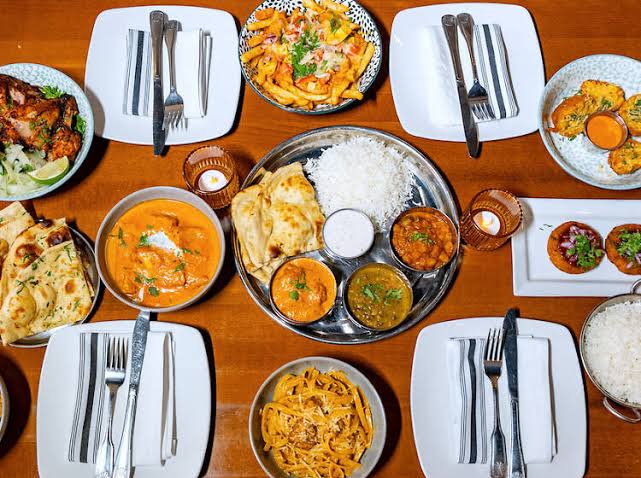
If you’re searching for the best Indian buffet in Downtown Brooklyn, you’re probably looking for more than just a quick curry and naan. An Indian buffet offers something special: the opportunity to sample multiple dishes, discover new flavors, and build a meal around the foods you enjoy most.
Indian cuisine is especially well suited to buffet dining. A single buffet can bring together fragrant basmati rice, flavorful curries, dal, vegetables, paneer, tandoori dishes, biryani, chutneys, raita, breads, and desserts. Instead of committing to one entrée, diners can taste several preparations in one sitting.
For visitors and locals in Downtown Brooklyn, however, there is an important distinction to make. Not every Indian restaurant that offers a lunch special or a large selection of dishes operates a traditional all-you-can-eat buffet. Buffet schedules can also change, with some restaurants offering buffet service only during particular lunch periods, weekends, or special occasions.
That makes it important to check the current buffet schedule before visiting.
This guide explores Indian buffet dining in Downtown Brooklyn and the surrounding neighborhoods, including what to look for in an all-you-can-eat Indian meal, vegetarian and vegan buffet choices, affordable options, buffet etiquette, and alternatives such as thalis and lunch specials when a traditional buffet isn’t available.
Why Downtown Brooklyn Has Great Indian Restaurants
Downtown Brooklyn is one of New York City’s most diverse and convenient areas for exploring international food. Its location brings together residents, office workers, students, shoppers, tourists, and visitors from neighborhoods throughout Brooklyn.
That diversity creates an environment where Indian restaurants can offer different culinary styles rather than following one standard menu.
A Diverse Indian Food Scene
Indian cuisine represents dozens of regional traditions, and Downtown Brooklyn’s restaurant scene gives diners opportunities to experience several of them.
Depending on the restaurant, you may encounter influences from:
- Punjab
- North India
- South India
- Hyderabad
- Gujarat
- Bengal
- Goa
- Rajasthan
- Kerala
- Mughlai cuisine
These traditions use different combinations of spices, vegetables, grains, dairy products, breads, and cooking techniques.
That diversity is one of the biggest reasons Indian food works so well for buffet dining. A well-planned buffet can bring several styles together and allow diners to compare them on the same plate.
Indian Cuisine Offers Exceptional Variety
One of the biggest advantages of an Indian buffet is the number of different dishes that can be enjoyed during a single meal.
A typical Indian buffet may include several categories of food.
Vegetarian dishes might include dal, chana masala, aloo gobi, mixed vegetables, saag, paneer, or vegetable biryani.
Non-vegetarian dishes may include chicken curry, tandoori chicken, butter chicken, lamb curry, or other regional preparations.
Rice dishes can include basmati rice, pulao, or biryani.
Accompaniments may include raita, chutneys, pickles, onions, and salad.
Breads can include naan or other Indian breads, depending on the restaurant.
Dessert may complete the meal with options such as gulab jamun, kheer, or other Indian sweets.
The exact selection varies, but the overall concept remains the same: variety.
A Great Choice for First-Time Indian Food Diners
Indian cuisine can sometimes feel overwhelming to someone who hasn’t tried it before.
A large menu may contain unfamiliar names and ingredients, making it difficult to know what to order.
A buffet solves part of that problem.
Instead of ordering an entire entrée based on a description, diners can take smaller portions and discover which flavors they enjoy.
You might try a mild creamy curry, a spicy vegetable preparation, dal, rice, paneer, and a small portion of biryani during the same meal.
Once you discover your favorites, you can order those dishes individually on your next visit.
Indian Buffets Are Particularly Friendly to Vegetarians
Indian cuisine has an exceptionally rich vegetarian tradition.
This makes an Indian buffet attractive to vegetarian diners because they often have several substantial choices rather than one or two meat-free sides.
A good buffet may include paneer, dal, chickpeas, potatoes, spinach, cauliflower, eggplant, mixed vegetables, rice, and other vegetarian preparations.
For someone who follows a vegetarian diet, this variety can make the buffet feel like a complete meal rather than a collection of side dishes.
Vegan diners can also find options, although they need to check ingredients carefully. Paneer, butter, cream, yogurt, and ghee are common in Indian cooking and can appear in dishes that otherwise look vegetarian.
Downtown Brooklyn’s Location Makes Food Exploration Easy
Another advantage is Downtown Brooklyn’s proximity to several other neighborhoods with Indian restaurants.
Depending on where you are starting, it is relatively easy to explore areas around:
- Brooklyn Heights
- Boerum Hill
- Cobble Hill
- Fort Greene
- Prospect Heights
- Atlantic Avenue
- Court Street
- Livingston Street
This wider area is useful when searching specifically for an Indian buffet.
A restaurant within Downtown Brooklyn may have excellent Indian food without operating an all-you-can-eat buffet, while another restaurant a short distance away may offer a buffet or buffet-style lunch.
Expanding your search slightly can therefore give you more choices.
Buffet Dining Makes Indian Food More Social
Indian food is naturally suited to sharing.
Curries, rice, vegetables, breads, chutneys, and appetizers can all be placed in the middle of the table and enjoyed together.
An all-you-can-eat buffet takes that concept one step further.
Everyone can build their own plate according to personal preferences.
One person might prefer paneer and vegetable curries. Another may want chicken biryani and tandoori chicken. Someone else may focus on dal, rice, and vegetables.
This flexibility makes Indian buffet restaurants particularly useful for groups with different tastes.
Lunch Is an Important Part of Indian Buffet Culture
Many Indian buffets traditionally focus on lunch.
For restaurants, lunch buffet service can attract office workers and nearby residents looking for a filling meal during a limited time window.
For diners, lunch can also be an efficient way to sample multiple dishes without ordering several separate entrées.
Downtown Brooklyn’s busy daytime population makes this format particularly relevant.
However, buffet availability is restaurant-specific, so diners should always verify whether the buffet is operating on the day and at the time they plan to visit.
A Buffet Is About More Than Quantity
The phrase “all-you-can-eat” can make people think primarily about getting as much food as possible.
But the real attraction of an Indian buffet is variety.
A good buffet lets you experience contrasting flavors:
- Creamy and spicy
- Mild and fiery
- Sweet and tangy
- Rich and light
- Smoky and aromatic
- Crispy and soft
You can combine rice with dal, naan with curry, paneer with vegetables, and chutney with appetizers.
The experience becomes almost like a tasting journey through Indian cuisine.
What Makes an Indian Buffet Worth Visiting?
A good Indian buffet should offer more than a large number of trays.
Look for variety, freshness, balanced flavors, and regular replenishment.
Ideally, the buffet should provide choices across several categories rather than serving multiple versions of essentially the same curry.
Fresh accompaniments are also important.
Raita, chutneys, pickles, salad, and onions can add acidity, freshness, and contrast to richer dishes.
For many diners, the quality of these small components can make a significant difference to the overall experience.
Downtown Brooklyn Offers Buffet Alternatives Too
If you discover that an Indian restaurant doesn’t currently offer an all-you-can-eat buffet, that doesn’t mean you have to abandon your search for variety.
Several alternatives can provide a similar experience.
A thali typically combines multiple small portions on one platter.
A lunch special may combine an entrée with rice, bread, dal, or other sides.
A family-style meal allows a group to order several dishes and share them.
These formats can actually be a better choice for diners who want specific dishes rather than whatever happens to be available on a buffet that day.
The Best Way to Search for Indian Buffet in Downtown Brooklyn
When looking for an Indian buffet, don’t rely solely on old restaurant lists or review posts.
Check the restaurant’s current website, menu, social pages, or call ahead.
Confirm:
- Whether the buffet is currently operating
- Which days it is available
- Whether it is lunch or dinner
- The current price
- Whether it is genuinely all-you-can-eat
- Vegetarian options
- Vegan options
- Whether drinks are included
- Whether dessert is included
- Whether naan or other breads are included
This is especially important because buffet programs can change over time.
Why Indian Buffet Is Worth Exploring in Downtown Brooklyn
Downtown Brooklyn’s Indian food scene offers something for different kinds of diners.
If you’re looking for an authentic all-you-can-eat buffet, you can search specifically for current buffet programs.
If no traditional buffet is available, you can explore lunch specials, thalis, family-style meals, and restaurants with extensive Indian menus.
Either way, the neighborhood provides an excellent starting point for discovering the depth and variety of Indian cuisine.
The real appeal isn’t simply eating as much as possible.
It’s being able to taste more, discover new dishes, and experience different Indian flavors in one meal.
For buffet lovers, vegetarians, curious first-time diners, families, office groups, and Indian food enthusiasts, Downtown Brooklyn and its surrounding neighborhoods offer plenty of opportunities to turn an ordinary meal into a flavorful exploration of Indian cuisine.
Top Indian Restaurants for Buffet and All-You-Can-Eat Dining in Downtown Brooklyn
Finding a genuine all-you-can-eat Indian buffet in Downtown Brooklyn requires a little more research than simply searching for “Indian restaurant.” Buffet schedules can change, and some restaurants offer fixed-price lunch specials or thali meals that can look similar to buffet listings online.
For this guide, it is useful to separate restaurants that currently advertise buffet service from Indian restaurants that offer buffet-style alternatives, lunch specials, or extensive menus.
Here are some of the restaurants and nearby options worth considering when you’re searching for an Indian buffet around Downtown Brooklyn.
1. Namaste
Best for: Daily Indian lunch buffet and traditional North Indian flavors
Namaste
Namaste is one of the clearest buffet options in the broader Downtown Brooklyn area. Located at 195 5th Avenue, the restaurant currently advertises a daily lunch buffet featuring more than eight dishes, including vegetarian selections, salads, and desserts.
The restaurant describes its cuisine as traditional Punjabi and North Indian cooking and says it has been serving the Brooklyn community for more than 25 years.
For buffet diners, the attraction is the opportunity to sample several dishes rather than choosing a single entrée. A typical visit can be a good introduction to Indian curries, vegetables, rice, appetizers, and desserts.
The buffet is particularly useful for diners who want variety, including vegetarian guests who don’t want to limit themselves to one vegetarian entrée.
Location: 195 5th Ave, Brooklyn
Best for: Lunch buffet, vegetarian variety, traditional Indian flavors
Buffet: Daily lunch buffet advertised by the restaurant
Dining style: Casual Indian restaurant
2. Curry Heights
Best for: Indian lunch and buffet-style dining near Downtown Brooklyn
Curry Heights
Curry Heights is located at 151 Remsen Street, close to Downtown Brooklyn and Brooklyn Heights.
The restaurant has a long history of offering lunch buffet service. Historical restaurant information specifically describes a fixed lunch buffet, and the restaurant has previously promoted its buffet as a popular lunchtime option.
Its menu includes a broad selection of Indian curries, vegetarian dishes, rice, breads, appetizers, and other traditional preparations.
For diners searching for an Indian buffet, Curry Heights is worth checking before visiting because buffet availability can change. If an all-you-can-eat service isn’t operating on your chosen day, the restaurant still provides a substantial à-la-carte Indian menu.
Vegetarian and vegan diners also have multiple choices, making the restaurant useful for groups with different dietary preferences.
Location: 151 Remsen St, Brooklyn
Best for: Lunch, classic Indian dishes, vegetarian options
Buffet: Verify current buffet schedule before visiting
Dining style: Casual sit-down Indian restaurant
3. Kashi Indian Cuisine & Bar
Best for: A premium lunch alternative to an Indian buffet
Kashi Indian Cuisine & Bar
Kashi is located at 286 Livingston Street in Downtown Brooklyn and offers a more modern interpretation of North Indian cuisine.
It is important to note that Kashi currently advertises a weekday lunch special rather than an all-you-can-eat buffet.
The vegetarian lunch special currently includes a choice of Paneer Butter Masala or Saag Paneer, dal, butter naan, basmati rice, boondi raita, an appetizer, and dessert. The restaurant lists the vegetarian lunch special at $19.99 and the non-vegetarian option at $21.99.
For diners who want variety but don’t necessarily require unlimited servings, this can be a strong alternative to buffet dining.
Instead of returning to a buffet for additional portions, you receive several components of a complete Indian meal in one fixed-price order.
Location: 286 Livingston St, Brooklyn
Best for: Multi-course Indian lunch, modern North Indian cuisine
Buffet: No — current offering is a fixed-price lunch special
Lunch: Monday–Friday, 11 AM–3 PM
Vegetarian lunch special: $19.99
4. Asya
Best for: Casual Indian dining and lunch
Mint Heights
Asya is another nearby restaurant option for diners who want Indian food around Downtown Brooklyn and Brooklyn Heights.
Current restaurant information lists Asya at 46 Henry Street and describes it as a casual Indian restaurant with vegetarian-friendly options, takeout, and delivery.
It should not be confused with a confirmed all-you-can-eat buffet. Instead, Asya is better considered an alternative for diners who want to order several Indian dishes individually.
Its menu includes familiar favorites such as paneer dishes, curries, appetizers, and other Indian preparations.
For a group, ordering several dishes to share can create a buffet-like experience at the table, especially if everyone wants to try different flavors.
Location: 46 Henry St, Brooklyn
Best for: Casual Indian meals, groups, vegetarian choices
Buffet: Not currently confirmed as an AYCE buffet
Dining style: Casual dining
5. Mint Heights
Best for: Exploring Indian food near the Downtown Brooklyn area
Mint Heights has locations in the surrounding Brooklyn area and provides another option for diners expanding their search beyond the immediate Downtown Brooklyn core.
Its menu covers a variety of Indian preparations, making it more appropriate for diners who want to explore several dishes rather than specifically requiring an all-you-can-eat buffet.
When searching for buffet dining, always confirm whether a specific buffet promotion is currently operating.
This is particularly important because buffet programs can be seasonal or limited to certain days.
Best for: Indian lunch and dinner, menu variety
Buffet: Verify current availability
Area: Near Downtown Brooklyn/Fort Greene
6. Indian Table
Best for: Sit-down Indian dining near Court Street
Indian Table
Indian Table at 234 Court Street is another nearby option for people expanding their search around Downtown Brooklyn and Brooklyn Heights.
It is better viewed as a traditional sit-down Indian restaurant rather than a confirmed all-you-can-eat buffet destination.
The advantage is that diners can order several dishes for the table and create their own shared Indian meal.
This can work particularly well for families or groups where some people prefer vegetarian dishes while others want meat or seafood.
Order several curries, rice, breads, appetizers, and accompaniments and share them family-style.
Location: 234 Court St, Brooklyn
Best for: Sit-down Indian dining and group meals
Buffet: Not currently confirmed as an AYCE buffet
7. Dastaan Indian Kitchen
Best for: Indian food around Smith Street
Dastaan Indian Kitchen
Dastaan Indian Kitchen is located at 115 Smith Street and provides another nearby Indian dining option.
Its location makes it convenient for diners exploring the Smith Street and Boerum Hill/Cobble Hill areas.
Although it should not automatically be classified as an all-you-can-eat buffet, it can be useful for diners who are willing to order several dishes and share them.
A multi-dish dinner can provide many of the same advantages that attract people to buffets: variety, shared plates, and the ability to sample different preparations.
Location: 115 Smith St, Brooklyn
Best for: Indian dinner, shared meals, Smith Street area
Buffet: Verify current buffet availability
8. Govinda’s Kitchen
Best for: Vegetarian-focused Indian food
Govinda’s Kitchen
Govinda’s Kitchen at 305 Schermerhorn Street is another interesting option for diners exploring Indian food around Downtown Brooklyn.
Its vegetarian focus makes it especially relevant to people searching for an Indian buffet because vegetarian variety is one of the biggest attractions of Indian buffet dining.
Instead of relying on meat-heavy buffet selections, vegetarian diners can explore different vegetable, lentil, rice, and other plant-focused preparations.
The restaurant should still be checked directly for its current service format and daily menu if an all-you-can-eat buffet is specifically required.
Location: 305 Schermerhorn St, Brooklyn
Best for: Vegetarian Indian food
Buffet: Verify current service format
9. Filter Kaapi
Best for: South Indian flavors
Filter Kaapi
If your definition of Indian food goes beyond North Indian curries, South Indian restaurants are worth including in your food search.
Filter Kaapi at 383 Bridge Street provides an opportunity to explore a different side of Indian cuisine.
South Indian food can include dishes such as dosa, idli, vada, sambar, chutneys, and rice-based specialties.
These dishes offer a very different experience from the creamy curries and tandoori preparations commonly associated with Indian buffets.
Filter Kaapi isn’t being presented here as a confirmed all-you-can-eat buffet. Instead, it is an option for diners who want to broaden their Indian-food exploration around Downtown Brooklyn.
Location: 383 Bridge St, Brooklyn
Best for: South Indian cuisine, vegetarian-friendly meals
Buffet: Not currently confirmed as AYCE
10. Brooklyn Curry Project
Best for: South Indian and regional variety
Brooklyn Curry Project
Also located at 383 Bridge Street, Brooklyn Curry Project provides another regional Indian option.
Its South Indian focus makes it useful for diners who want to compare regional cuisine rather than limiting their search to the typical North Indian buffet format.
Dishes from southern India can bring more rice, lentils, fermented batters, coconut, curry leaves, and distinctive spice combinations to the table.
Again, this is better considered an Indian restaurant alternative rather than a confirmed all-you-can-eat buffet.
For buffet hunters, however, discovering regional Indian restaurants can make the overall food experience more interesting.
Location: 383 Bridge St, Brooklyn
Best for: South Indian cuisine and regional exploration
Buffet: Not currently confirmed as AYCE
How to Choose the Right Indian Buffet
When choosing an Indian buffet around Downtown Brooklyn, start by deciding what matters most.
If you specifically want unlimited servings, prioritize restaurants that currently advertise a genuine buffet.
If you want maximum variety, look for a buffet with vegetarian dishes, meat curries, rice, appetizers, breads, accompaniments, and dessert.
If you want a complete lunch at a fixed price, a restaurant such as Kashi may be more appropriate even though its current lunch offering is not unlimited.
If you are vegetarian, look for several substantial vegetarian entrées rather than simply rice and one vegetable dish.
And if you’re exploring Indian cuisine for the first time, consider a buffet or multi-course lunch that allows you to sample different flavors.
Buffet or Buffet-Style? Know the Difference
Before visiting any restaurant listed online as an Indian buffet, confirm what the current offering actually is.
There is a big difference between:
All-you-can-eat buffet:
Unlimited servings from the buffet during the applicable meal period.
Fixed lunch special:
A set combination of dishes for one price.
Thali:
Several small dishes served together, generally in fixed portions.
Family-style dining:
Multiple dishes ordered separately and shared by the table.
All four formats can provide variety, but only the first is technically an all-you-can-eat buffet.
Final Tip: Verify Before You Go
Buffet schedules can change more frequently than regular restaurant menus.
Before traveling specifically for an Indian buffet, check the restaurant’s current website or call ahead and confirm:
- Buffet is currently operating
- Buffet day and hours
- Current price
- Vegetarian selection
- Vegan options
- Dessert availability
- Whether naan is included
- Whether drinks are extra
- Whether reservations are needed
This is especially important in Downtown Brooklyn, where several excellent Indian restaurants offer lunch specials or extensive menus without necessarily operating a daily all-you-can-eat buffet.
The result is a better and more accurate Indian-food guide—and a much better dining experience for readers.
Popular Indian Dishes People Should Try
One of the biggest advantages of an Indian buffet is the opportunity to try several dishes during one meal. Instead of choosing a single curry from a long menu, you can sample small portions of different preparations and discover new flavors.
Indian buffets can vary considerably from one restaurant to another, but certain dishes appear frequently because they are familiar, versatile, and popular with a wide range of diners.
From samosas and tandoori chicken to butter chicken, paneer, biryani, dal, naan, and Indian desserts, these are some of the dishes worth looking for when you visit an Indian buffet around Downtown Brooklyn.
1. Samosa
A samosa is one of the easiest ways to start an Indian meal.
The classic version is a triangular pastry filled with spiced potatoes and peas, then fried until crisp. Depending on the restaurant, you may also find meat-filled or differently seasoned versions.
At a buffet, take one samosa as an appetizer rather than filling your plate with several immediately. Its crispy texture and spiced filling make it a great introduction to Indian flavors.
Try it with mint chutney for freshness or tamarind chutney for a sweet-and-tangy contrast.
2. Butter Chicken
Butter chicken, also known as Murgh Makhani, is one of the most recognizable Indian dishes in the United States.
It typically combines tender chicken with a rich tomato-based sauce containing butter, cream, and aromatic spices.
The flavor is generally creamy, mildly spiced, slightly sweet, and tomato-forward.
For someone trying Indian food for the first time, butter chicken can be an approachable starting point.
At a buffet, take a small portion first. Then compare it with another chicken curry to see how different Indian sauces can taste.
3. Chicken Tikka Masala
Chicken tikka masala is another familiar favorite.
It generally features pieces of grilled or roasted chicken served in a spiced tomato-based sauce.
Compared with butter chicken, the exact flavor can vary considerably between restaurants. Some versions are creamy and mild, while others are more intensely spiced.
If the buffet includes both butter chicken and chicken tikka masala, try a little of each.
The comparison is a simple way to understand how two popular Indian chicken dishes can have noticeably different flavor profiles.
4. Tandoori Chicken
If you enjoy smoky flavors, look for tandoori chicken.
Chicken is traditionally marinated with spices and yogurt before being cooked at high heat in a tandoor.
The result can have roasted, smoky, charred flavors and a distinctive red or orange appearance.
Tandoori chicken is usually less sauce-heavy than many Indian curries, making it a useful contrast on a buffet plate.
Pair it with mint chutney, onions, or a little lemon.
5. Chicken Biryani
Biryani is much more than ordinary rice.
It is an aromatic rice dish prepared with fragrant rice, spices, and vegetables or meat depending on the version.
Chicken biryani is especially common on Indian restaurant menus.
When available at a buffet, take a moderate serving rather than filling your entire plate with rice. Biryani is filling, and one of the advantages of an Indian buffet is being able to sample several other dishes.
Look for fragrant rice, flavorful chicken, and well-balanced spices.
6. Paneer Butter Masala
Vegetarians should keep an eye out for paneer dishes.
Paneer Butter Masala combines cubes of Indian cottage cheese with a rich, creamy tomato-based gravy.
The paneer provides a mild, soft texture while the sauce supplies richness and spice.
It pairs especially well with naan, roti, or basmati rice.
If you’re new to Indian vegetarian food, paneer butter masala is an easy place to start.
7. Palak Paneer
Palak paneer combines paneer with a spinach-based sauce.
Compared with tomato-heavy paneer curries, it provides a greener, more earthy flavor.
The spinach sauce can be creamy and mildly spiced, depending on the restaurant.
For buffet diners, palak paneer is useful because it adds a completely different flavor profile to a plate containing butter chicken, biryani, or other rich dishes.
8. Chana Masala
Chana masala is a chickpea-based curry and one of the most useful vegetarian dishes to try at an Indian buffet.
The chickpeas provide a hearty texture, while tomatoes, onions, and spices create a flavorful gravy.
It can be tangy, earthy, spicy, or moderately hot depending on the preparation.
Because it is filling and protein-rich, chana masala can form the centerpiece of a vegetarian buffet plate.
Try it with rice or naan.
9. Dal
No Indian buffet experience is complete without trying at least one dal.
Dal refers broadly to preparations made from lentils or other legumes.
Different restaurants may serve dal tadka, dal makhani, or another regional variation.
Dal Tadka often has a lighter lentil base finished with a flavorful tempering of spices.
Dal Makhani is generally richer and creamier, traditionally prepared with black lentils and kidney beans.
If both are available, try a spoonful of each.
10. Aloo Gobi
Aloo gobi combines potatoes and cauliflower with spices.
It is usually a drier preparation rather than a heavily sauced curry.
That makes it particularly useful on a buffet plate because it provides contrast against creamy curries.
The combination of soft potatoes, cauliflower, onions, and spices works well with rice or Indian bread.
Vegetarians should definitely look for this type of vegetable preparation when building a buffet plate.
11. Saag
Saag refers to cooked leafy greens and can appear in several forms.
Depending on the restaurant, you may find a spinach-based preparation or another combination of greens.
Saag can be enjoyed on its own or combined with paneer.
It offers a softer, earthy flavor that can balance richer dishes.
For buffet diners, a small serving of saag alongside rice and dal can create a simple vegetarian combination.
12. Kadai Chicken or Kadai Paneer
Kadai dishes are known for their bold seasoning and combination of peppers, onions, tomatoes, and spices.
Kadai Chicken provides a flavorful alternative to creamy chicken curries.
Kadai Paneer offers a vegetarian version using paneer.
These dishes are useful for diners who prefer a more intensely seasoned curry rather than a mild, creamy sauce.
If you’re trying Kadai Paneer for the first time, pair it with naan or roti.
13. Vegetable Biryani
Vegetable biryani gives vegetarian diners another substantial option.
Fragrant rice is combined with vegetables and aromatic spices to create a filling one-dish meal.
At a buffet, vegetable biryani can be paired with dal, raita, or a vegetable curry.
Remember that not every restaurant prepares biryani in exactly the same way. Regional techniques and spice combinations can produce noticeably different results.
14. Naan
Naan may look simple compared with a curry, but it plays an important role in an Indian meal.
This soft, leavened flatbread is traditionally cooked in a tandoor and can be served plain, with garlic, or in other variations.
At a buffet, naan is best used to scoop up sauces and curries.
Because bread can fill you quickly, consider taking a small portion first and returning for more if needed.
15. Raita
Raita is a yogurt-based accompaniment commonly served with Indian meals.
It can contain cucumber, onion, herbs, spices, or other ingredients depending on the preparation.
Its cool, creamy character provides contrast to spicy or heavily seasoned dishes.
Try a spoonful alongside biryani or a spicy curry.
Remember that traditional raita contains dairy, so vegan diners should confirm the ingredients before eating it.
16. Chutneys and Pickles
Don’t ignore the small bowls on the buffet.
Mint chutney can add freshness and herbal flavor.
Tamarind chutney can bring sweetness and acidity.
Indian pickles can provide a sharper, saltier, and more intense flavor.
Use them in small quantities because they can be highly concentrated.
A little chutney or pickle can completely change the flavor of a bite of samosa, rice, or curry.
17. Pakoras
Pakoras are vegetables or other ingredients coated in a seasoned batter and fried.
Common versions include onion pakora, spinach pakora, cauliflower pakora, and mixed vegetable pakora.
They are crispy, savory, and particularly enjoyable when freshly prepared.
If you see pakoras at the buffet, try them early in the meal while they still have their best texture.
Pair them with mint or tamarind chutney.
18. Papad
Papad is a thin, crisp preparation commonly served as an accompaniment.
It can add a crunchy element to an otherwise soft buffet plate.
Break a piece over rice or enjoy it alongside chutneys and curries.
Although small, papad can provide useful textural contrast.
19. Gulab Jamun
After several savory dishes, it’s time for dessert.
Gulab jamun is one of the most recognizable Indian sweets.
Soft fried dough balls are soaked in a sweet syrup, creating a dessert that is rich, warm, and intensely sweet.
At a buffet, one or two pieces are usually enough to finish the meal.
20. Kheer
Kheer is a traditional Indian rice pudding made with milk, rice, sugar, and aromatic ingredients.
Depending on the recipe, it may include cardamom, saffron, nuts, or dried fruit.
Compared with gulab jamun, kheer provides a softer and creamier dessert experience.
If both desserts are available, try a small portion of each.
21. Rasmalai
Rasmalai consists of soft cheese-based dumplings served in sweetened, flavored milk.
It is creamy, delicate, and usually served chilled.
Because it contains dairy, it isn’t suitable for vegan diners.
For anyone who enjoys milk-based Indian desserts, however, rasmalai can be an excellent buffet discovery.
How to Build Your First Indian Buffet Plate
If you’re visiting an Indian buffet for the first time, don’t try to take everything at once.
Start with a small selection.
Plate One:
- Samosa
- Butter chicken
- One vegetarian curry
- Dal
- Small serving of rice
- Chutney
Taste everything before returning for more.
Plate Two:
Choose your favorites and add something different, such as tandoori chicken, paneer, biryani, or another vegetable preparation.
Then finish with a small dessert.
This approach lets you explore more dishes without filling your plate with foods you may not enjoy.
Best Buffet Combination for Vegetarians
Vegetarians can build a satisfying plate without relying entirely on paneer.
Try:
- Samosa
- Chana masala
- Dal
- Aloo gobi
- Paneer dish
- Vegetable biryani
- Naan
- Raita
This combination gives you different textures, protein sources, spices, and levels of richness.
For vegan diners, replace paneer and dairy-based dishes with suitable vegetable and lentil preparations after confirming ingredients with the restaurant.
Best Buffet Combination for First-Time Diners
If you’re completely new to Indian food, start with familiar and approachable flavors.
Try:
- Samosa
- Butter chicken
- Paneer butter masala
- Basmati rice
- Naan
- Mild vegetable curry
- Gulab jamun
Once you understand the basic flavors, move toward spicier curries, regional dishes, biryani, and different vegetarian preparations.
Don’t Fill Your Plate With Rice First
Rice and naan are filling, but the main advantage of a buffet is variety.
Take smaller portions of rice and bread initially.
That leaves room to sample several curries, vegetables, appetizers, and desserts.
You can always return for more of your favorites.
Remember That Buffet Menus Change
A restaurant may not serve the same dishes every day.
One day’s buffet might feature butter chicken and chana masala, while another day’s selection could include chicken curry, paneer, vegetable biryani, and dal.
This variation is part of what makes buffet dining interesting.
Rather than arriving with a rigid list of dishes you expect to find, treat the buffet as an opportunity to discover what’s being prepared that day.
The Best Indian Buffet Experience Is About Variety
The goal of an Indian buffet isn’t simply to eat the largest possible amount of food.
It’s to experience the contrast between different Indian preparations.
Try something crispy.
Try something creamy.
Try something spicy.
Try something vegetarian.
Try rice.
Try bread.
Add a chutney.
Finish with an Indian dessert.
That combination gives you a much better introduction to Indian cuisine than filling your plate with several similar curries.
For diners exploring Downtown Brooklyn, the buffet format can be an especially enjoyable way to discover Indian food because it removes the pressure of choosing just one dish.
Whether you’re a first-time visitor, a vegetarian, a regular Indian-food enthusiast, or simply someone who loves trying new cuisines, start with small portions, explore different flavors, and return for the dishes you enjoy most.
Vegetarian and Vegan Indian Food Options
Indian cuisine is one of the best choices for vegetarian diners because plant-based cooking has always been an important part of Indian food culture. At an Indian buffet, vegetarian guests can often build an entire meal from curries, lentils, vegetables, rice, breads, appetizers, chutneys, and desserts.
For vegan diners, the choices can also be substantial, but extra attention is needed because Indian cooking frequently uses dairy products such as paneer, yogurt, butter, cream, and ghee.
Namaste, one of the Indian restaurants near Downtown Brooklyn that currently advertises a daily lunch buffet, specifically says its buffet includes vegetarian fare, salads, and desserts.
Vegetarian Choices at an Indian Buffet
Vegetarians usually have plenty of options at an Indian buffet.
A typical selection may include:
- Paneer curries
- Dal
- Chana masala
- Vegetable curries
- Aloo gobi
- Baingan bharta
- Saag
- Vegetable biryani
- Samosas
- Pakoras
- Rice
- Naan
- Raita
- Chutneys
The exact selection depends on the restaurant and the day.
Rather than taking large portions of everything, start with small servings of several dishes. This lets you discover which flavors and textures you enjoy most.
Paneer Dishes
Paneer is one of the most popular vegetarian ingredients in Indian cuisine.
This fresh Indian cheese can be grilled, sautéed, or cooked in a variety of sauces.
At a buffet, you might find:
- Paneer Butter Masala
- Palak Paneer
- Saag Paneer
- Kadai Paneer
- Matar Paneer
- Paneer Tikka
- Paneer Makhani
Paneer is vegetarian but not vegan because it is made from milk.
For vegetarians, however, it can provide a satisfying source of protein and make a buffet plate more substantial.
Dal
Dal is another essential vegetarian Indian food.
Made from lentils or other legumes, dal can range from light and simply seasoned to rich and creamy.
Common preparations include:
Dal Tadka: Lentils finished with a flavorful tempering of spices.
Dal Makhani: A richer preparation traditionally made with black lentils and kidney beans.
Dal Curry: A general term used for various lentil preparations.
Dal works particularly well with rice or naan.
For vegetarian diners, combining dal with a vegetable curry and rice creates a simple but satisfying buffet plate.
Chana Masala
Chana masala is a chickpea curry made with spices, tomatoes, onions, and other aromatic ingredients.
It is naturally vegetarian and can also be vegan when prepared without dairy.
Curry Heights specifically highlights Chana Masala among its vegetarian and vegan offerings.
The chickpeas make the dish hearty and filling, while the tomato and spice mixture gives it a flavorful character.
Try it with basmati rice or naan.
Baingan Bharta
Baingan bharta is made from roasted or cooked eggplant that is mashed and combined with spices and other ingredients.
It has a soft texture and smoky, earthy flavor.
Curry Heights currently lists Baingan Bharta as one of its vegetarian dishes.
For buffet diners, baingan bharta is a useful contrast to creamy paneer dishes and heavier meat curries.
Aloo Gobi
Aloo gobi combines potatoes and cauliflower with Indian spices.
It is usually less sauce-heavy than many Indian curries, making it a good choice for adding texture to a buffet plate.
The combination of potatoes, cauliflower, onions, and spices works well with rice, roti, or naan.
Because it is naturally plant-based when prepared without dairy or ghee, it can also be suitable for vegan diners—but ingredients should always be confirmed.
Vegetable Curries
Indian buffets often include at least one mixed vegetable preparation.
Vegetables may include potatoes, carrots, peas, cauliflower, beans, peppers, spinach, or other seasonal ingredients.
Some vegetable curries are tomato-based and relatively light, while others may contain cream, yogurt, butter, or nuts.
Vegetarian diners can generally enjoy these dishes, while vegan diners should check the preparation.
Saag and Spinach Dishes
Saag and spinach-based dishes provide another vegetable option.
You may encounter:
- Saag Paneer
- Palak Paneer
- Saag Chana
- Aloo Saag
- Mushroom Saag
- Plain spinach preparations
Curry Heights currently lists several spinach-based vegetarian dishes, including Saag Paneer, Chana Saag, Aloo Saag, and Mushroom Saag.
For vegans, dishes made with chickpeas, potatoes, or mushrooms may be suitable if they don’t contain dairy.
Vegetable Biryani
Vegetable biryani is an excellent option when you want something more substantial than a vegetable side dish.
Fragrant rice is combined with vegetables and aromatic spices to create a filling meal.
At a buffet, combine vegetable biryani with dal, a vegetable curry, and a fresh salad.
Be aware that some biryani recipes may use ghee, so vegan diners should confirm the preparation.
Samosas
Vegetable samosas are one of the most popular Indian appetizers.
The classic filling usually includes potatoes, peas, and spices wrapped in a crisp pastry.
They are vegetarian and are often vegan, but recipes can vary.
Enjoy them with mint chutney or tamarind chutney.
If you’re eating vegan, ask whether the pastry or frying process contains any dairy ingredients.
Pakoras
Pakoras are vegetables coated in a seasoned batter and fried.
Common varieties include:
- Onion pakora
- Vegetable pakora
- Spinach pakora
- Cauliflower pakora
- Potato pakora
Many pakoras are naturally vegan, but this isn’t guaranteed.
The batter should be checked, and diners with strict dietary requirements should also ask about shared frying oil.
Indian Breads
Bread can be one of the easiest places for vegan diners to accidentally consume dairy.
Plain naan may contain yogurt, milk, or other dairy ingredients, while butter naan obviously contains butter.
Other breads such as roti or certain tandoori breads may be easier vegan choices, depending on the recipe.
Always ask before assuming a bread is dairy-free.
Raita
Raita is a yogurt-based side dish and is vegetarian but not vegan.
It can contain cucumber, onion, herbs, spices, or other ingredients.
For vegetarian diners, it is a refreshing accompaniment to spicy curries and biryani.
For vegan diners, skip traditional raita unless the restaurant specifically offers a dairy-free version.
Chutneys and Pickles
Chutneys can make a major difference to a vegetarian or vegan buffet plate.
Mint chutney adds freshness.
Tamarind chutney provides sweetness and acidity.
Indian pickles provide salt, spice, and intense flavor.
Most chutneys and pickles are plant-based, but ingredients vary, so diners with strict dietary requirements should confirm.
Vegan Indian Food: What to Watch For
Indian food can look vegan while still containing hidden dairy.
Common ingredients to watch include:
- Butter
- Ghee
- Cream
- Milk
- Yogurt
- Paneer
- Cheese
Ghee deserves special attention.
It is clarified butter and is therefore not vegan.
A dish may appear to contain only vegetables and spices but still be cooked in ghee.
Vegan-Friendly Buffet Choices
Depending on the restaurant’s preparation, vegan diners can look for dishes such as:
- Chana masala
- Baingan bharta
- Vegetable curry
- Aloo gobi
- Vegetable vindaloo
- Chana saag
- Mushroom saag
- Vegetable biryani
- Vegetable pakoras
- Samosas
- Rice
- Certain breads
- Chutneys
- Pickles
Curry Heights’ current menu information specifically identifies several dishes as vegetarian and vegan, including chana masala, aloo-matar-gobi, vegetable dhanshak, and vegetable vindaloo.
Ask Before Filling Your Plate
Buffet labels can be helpful, but they aren’t always enough for people with strict dietary requirements.
Before eating, ask restaurant staff:
“Which dishes are vegan?”
“Does this contain ghee or butter?”
“Does this curry contain cream or yogurt?”
“Is the rice cooked with ghee?”
“Does the naan contain dairy?”
“Are the pakoras fried in shared oil?”
These questions are especially important for diners with allergies or strict dietary restrictions.
Build a Balanced Vegetarian Plate
A vegetarian buffet plate doesn’t have to consist entirely of creamy curries.
Try combining different categories.
Start with:
A samosa or vegetable appetizer.
Add protein:
Paneer, dal, or chickpeas.
Add vegetables:
Aloo gobi, baingan bharta, or another vegetable curry.
Add carbohydrates:
Rice or naan.
Add freshness:
Salad, chutney, or raita.
This creates a meal with different textures and flavors instead of several similar dishes.
Build a Vegan Buffet Plate
A vegan plate requires a little more attention.
A good combination might include:
- Vegetable samosa, if dairy-free
- Chana masala
- Aloo gobi
- Baingan bharta
- Vegetable curry
- Basmati rice
- Vegan-friendly bread
- Chutney
- Pickles
Skip paneer, raita, butter naan, creamy curries, and anything containing ghee unless the restaurant confirms a dairy-free preparation.
Vegetarian Doesn’t Always Mean Vegan
This distinction is important.
A vegetarian dish can contain dairy.
For example:
Paneer: Vegetarian, not vegan.
Raita: Vegetarian, not vegan.
Butter naan: Vegetarian, not vegan.
Dal: May be vegetarian and vegan, depending on preparation.
Vegetable curry: May be vegan or may contain dairy.
Samosa: Often vegan, but recipes vary.
Understanding this difference makes ordering much easier.
Don’t Assume Every Buffet Has the Same Vegetarian Selection
Buffet menus can change throughout the week.
One day might feature paneer, chana masala, and vegetable biryani.
Another day could offer dal, aloo gobi, baingan bharta, and vegetable curry.
This variation is normal.
If you’re visiting specifically because you need substantial vegetarian or vegan choices, ask about the current day’s buffet before arriving.
Vegetarian Diners Can Explore Beyond the Buffet
If the buffet doesn’t offer enough vegetarian variety, ordering from the regular menu is another option.
Curry Heights, for example, has a broad vegetarian and vegan selection beyond the dishes that may appear at lunch.
A restaurant’s regular menu may actually provide more choices than its buffet.
This can be particularly useful for vegans, because a kitchen may be able to prepare a suitable plant-based dish even when only a few vegan items are available at the buffet.
Indian Cuisine Makes Plant-Based Dining Interesting
The biggest advantage of Indian food for vegetarian and vegan diners is variety.
You don’t have to rely on one substitute ingredient.
Lentils provide protein and richness.
Chickpeas add texture and substance.
Vegetables bring different flavors and colors.
Rice provides a filling base.
Spices create complexity.
Chutneys add acidity and freshness.
And paneer gives vegetarians a dairy-based protein option.
This makes Indian buffet dining particularly appealing to people who want a meal with plenty of choices.
Final Tips for Vegetarian and Vegan Buffet Diners
Before visiting an Indian buffet around Downtown Brooklyn:
- Check whether the current buffet includes vegetarian dishes.
- Ask which dishes are vegan.
- Confirm whether ghee or butter is used.
- Check creamy sauces for dairy.
- Ask about naan and other breads.
- Check whether rice contains ghee.
- Ask about shared frying oil if necessary.
- Start with small portions.
- Look for a balance of lentils, vegetables, rice, and protein.
- Don’t assume yesterday’s buffet menu will be the same today.
With these simple steps, vegetarian and vegan diners can enjoy the variety that makes Indian buffet dining so appealing.
Whether you’re reaching for paneer, chana masala, baingan bharta, dal, vegetable biryani, or a plate of fresh vegetables and rice, Indian cuisine offers plenty of ways to create a satisfying meal without relying on meat.
And for vegan diners, a few questions about dairy and ghee can turn a potentially confusing buffet into a delicious and varied plant-based experience.
Budget-Friendly Indian Restaurants and Buffet Options
Finding an affordable Indian meal in Downtown Brooklyn doesn’t necessarily mean finding the cheapest all-you-can-eat buffet. In fact, diners can often get excellent value from lunch specials, vegetarian combinations, affordable entrées, thalis, and casual Indian restaurants.
This is especially useful when a traditional buffet isn’t operating on the day you want to visit.
For budget-conscious diners, lunch is usually the best time to look for value. Restaurants may offer smaller combination meals, fixed-price specials, or lower-priced vegetarian options that provide several components of an Indian meal without the cost of a full dinner.
Curry Heights
Curry Heights is one of the most useful options for diners looking for affordable Indian food around Downtown Brooklyn and Brooklyn Heights.
The restaurant is currently listed in the $10–$20 price range, making it particularly relevant for this budget-focused guide. Current menu information also shows several vegetarian entrées, including saag paneer, chana masala, baingan bharta, dal, and other Indian favorites.
For someone looking for a filling meal without spending heavily, vegetarian curries paired with rice or naan can provide excellent value.
Curry Heights is also useful for takeout and casual dining, so you don’t necessarily have to pay for a formal restaurant experience to enjoy a substantial Indian meal.
Best for: Affordable lunch, vegetarian dishes, paneer, curry, takeout, and casual dining.
Namaste
Namaste at 195 5th Avenue is another option worth considering when buffet value is the priority.
The restaurant currently advertises a daily lunch buffet, which can be particularly attractive for diners who want to sample several dishes rather than pay separately for multiple entrées.
A buffet can provide better value for someone who wants variety and is likely to enjoy more than one serving. However, diners should always confirm the current buffet price before visiting because buffet pricing and menus can change.
The restaurant’s current menu also includes reasonably priced individual dishes, making it possible to choose an à-la-carte meal when an unlimited buffet isn’t the right option.
Best for: Lunch buffet, variety, groups, and diners who want to sample several Indian dishes.
Kashi Indian Cuisine & Bar
Kashi Indian Cuisine & Bar is not a traditional all-you-can-eat buffet, but its weekday lunch special makes it an important budget alternative.
Kashi currently offers a $19.99 vegetarian lunch special Monday through Friday from 11 AM to 3 PM. The meal includes a choice of appetizer, paneer entrée, dal, butter naan, basmati rice, boondi raita, and dessert. The non-vegetarian lunch special is currently $21.99.
For diners who want multiple components rather than unlimited servings, this can provide considerable variety for a fixed price.
It is especially useful for someone looking for a more polished Downtown Brooklyn lunch while keeping the meal around the $20 mark.
Best for: Multi-course lunch, vegetarian diners, business lunches, and diners who want a more upscale atmosphere.
Filter Kaapi
Filter Kaapi is worth considering when affordable Indian food means exploring South Indian cuisine rather than traditional North Indian buffet dishes.
The restaurant is currently listed in the $10–$20 range and focuses on South Indian food.
Dishes such as dosa, idli, vada, sambar, and chutneys can provide a filling meal without requiring the higher spending associated with a multi-course dinner.
For vegetarian diners, South Indian food can be particularly budget-friendly because rice- and lentil-based dishes naturally form a substantial part of the cuisine.
Best for: Affordable South Indian food, dosa, vegetarian meals, and daytime dining.
Brooklyn Curry Project
Brooklyn Curry Project offers another South Indian option at 383 Bridge Street.
It is particularly useful for diners who want to explore regional Indian cuisine instead of focusing exclusively on the standard North Indian buffet.
South Indian meals can provide excellent value because dishes based on rice, lentils, fermented batters, and vegetables can be satisfying without requiring expensive meat or seafood entrées.
If you’re already familiar with butter chicken and paneer curries, exploring dosa and other South Indian specialties can also make your budget-friendly food trip more interesting.
Best for: South Indian cuisine, vegetarian food, and regional exploration.
Govinda’s Kitchen
Govinda’s Kitchen at 305 Schermerhorn Street is another option for diners who prioritize vegetarian Indian food.
Vegetarian-focused restaurants can be particularly useful for budget-conscious diners because dishes based on lentils, vegetables, rice, and other plant-based ingredients can create filling meals without the cost of meat-heavy entrées.
It is not being presented as a confirmed AYCE buffet, so diners specifically looking for unlimited service should verify the current format before visiting.
For a regular vegetarian meal, however, it can be an interesting addition to a Downtown Brooklyn Indian-food itinerary.
Best for: Vegetarian Indian food and plant-based meals.
Look for Vegetarian Entrées
One of the easiest ways to keep an Indian meal affordable is to focus on vegetarian entrées.
Depending on the restaurant, affordable choices may include:
- Chana masala
- Dal
- Aloo gobi
- Baingan bharta
- Saag
- Vegetable curry
- Matar paneer
- Saag paneer
- Vegetable biryani
Vegetarian dishes can also be shared.
For two people, ordering two vegetarian curries with rice and naan can provide more variety than ordering two expensive individual meat entrées.
Lunch Is Usually Better Than Dinner for Budget Diners
If your schedule allows it, consider making Indian buffet or Indian-food exploration a lunchtime activity.
Lunch menus are often designed around quicker service and value.
Kashi is a current example: its weekday lunch special provides an appetizer, entrée, dal, rice, naan, raita, and dessert for $19.99 on the vegetarian option.
For someone who wants several components of an Indian meal, that can be more economical than ordering each item separately during dinner.
Compare Buffet Pricing With À-La-Carte Meals
An all-you-can-eat buffet isn’t automatically the cheapest option.
If a buffet costs $25 and you only plan to eat one plate, an individual entrée may be better value.
But if you want to sample several curries, rice, vegetables, appetizers, and desserts, the buffet may make more financial sense.
Before choosing, ask yourself:
How much variety do I want?
If you want one specific dish, order à la carte.
If you want to taste many dishes, consider the buffet.
If you want a predetermined combination of several dishes, a lunch special or thali may be the better option.
Share Several Dishes
Sharing is another easy way to make Indian food more affordable.
Instead of each person ordering a separate entrée, a group of two or three people can order:
- One paneer dish
- One chicken curry
- One vegetable dish
- Rice
- Two or three naan
- Chutney or raita
Everyone gets to sample multiple flavors, and the overall cost can be more manageable.
This approach also mirrors the communal style of Indian dining.
Don’t Forget South Indian Value
Indian buffet searches often focus heavily on North Indian curries.
But South Indian restaurants can provide another affordable route into Indian cuisine.
DOSA ROYALE in Fort Greene and Filter Kaapi near Downtown Brooklyn offer opportunities to explore dishes such as dosa and other South Indian specialties.
These meals can be particularly satisfying for vegetarian diners because lentils, rice, vegetables, and fermented batters play such important roles in South Indian cooking.
Consider Takeout
Takeout can also help keep the total cost under control.
When ordering for home, you don’t have to add drinks, appetizers, or desserts unless you actually want them.
A single curry combined with rice or naan can become two meals for some diners, depending on portion size and food-safety practices.
Restaurants such as Curry Heights provide takeout options, making it possible to enjoy Indian food without paying for a full sit-down dining experience.
Watch Additional Charges
When ordering delivery, remember that the menu price isn’t necessarily the final price.
Delivery fees, service charges, taxes, and tips can increase the total.
If you’re trying to stay under a specific budget, compare the final checkout price rather than just comparing menu prices.
Pickup can sometimes provide a more predictable total when the restaurant is nearby.
Best Budget Strategy for Different Diners
For a solo diner:
Look for a lunch special, dosa, biryani, or single vegetarian entrée.
For two people:
Share two curries with rice and naan.
For a family:
Compare the cost of a buffet with several shared entrées.
For vegetarians:
Focus on dal, chana, vegetable curries, paneer, and rice-based dishes.
For buffet lovers:
Choose an AYCE buffet when you genuinely want variety and multiple servings.
For first-time Indian diners:
A lunch special or buffet can be useful because it lets you experience several flavors without ordering a large number of individual dishes.
Budget-Friendly Indian Meal Ideas
Here are a few practical combinations.
Around $10–$15:
A vegetarian curry + rice or bread.
Around $15–$20:
A biryani, dosa, or substantial vegetarian entrée.
Around $20:
A fixed-price lunch special with several components.
For a group:
Two or three shared curries + rice + naan can provide more variety per dollar than individual meals.
Actual prices vary by restaurant and can change, so check the current menu before ordering.
Is an Indian Buffet Always the Best Value?
Not necessarily.
The best value depends on how you eat.
If you’re someone who enjoys tasting many dishes and going back for additional servings, an all-you-can-eat buffet can be excellent value.
If you prefer one specific curry, ordering à la carte may be cheaper.
If you want several components but don’t need unlimited portions, a lunch special can be ideal.
And if you’re sharing with friends or family, ordering several dishes for the table can provide variety while keeping individual costs reasonable.
Final Budget Tip
The easiest way to save money while enjoying Indian food around Downtown Brooklyn is to focus on lunch, compare buffet and fixed-price options, choose filling vegetarian dishes, and share when possible.
Current local options demonstrate the range: Curry Heights is listed in the $10–$20 range, Filter Kaapi is also listed in that range, while Kashi offers a $19.99 weekday vegetarian lunch special with several courses.
That means budget-conscious diners don’t have to sacrifice variety.
Whether you choose a genuine lunch buffet, a dosa, a vegetarian curry, a shared family-style meal, or a multi-course lunch special, Downtown Brooklyn and the surrounding neighborhoods provide several ways to enjoy Indian food without turning every meal into an expensive occasion.
Fine Dining Indian Restaurants
Indian buffet dining is usually associated with casual lunches, generous portions, and the freedom to sample multiple dishes. Fine dining Indian restaurants offer a different experience.
Instead of focusing on unlimited servings, upscale Indian restaurants typically emphasize presentation, ingredients, cooking techniques, regional traditions, cocktails, service, and atmosphere.
For diners searching for the best Indian food around Downtown Brooklyn, it can therefore be useful to explore both formats. A buffet is ideal when variety and flexibility are the priority, while fine dining can be a better fit for date nights, celebrations, business dinners, or anyone looking for a more polished Indian meal.
Kashi Indian Cuisine & Bar
Best for: Upscale North Indian dining in Downtown Brooklyn
Kashi Indian Cuisine & Bar is the clearest fine-dining Indian option directly in the Downtown Brooklyn area.
Located at 286 Livingston Street, Kashi focuses on modern North Indian cuisine with influences from Awadhi, Mughlai, and Punjabi traditions. OpenTable currently categorizes the restaurant as Fine Dining and lists its typical price range at $31–$50.
The restaurant’s approach combines traditional Indian culinary ideas with contemporary presentation and a modern dining-room atmosphere.
The menu includes slow-cooked biryanis, char-grilled kebabs, paneer preparations, curries, breads, desserts, and Indian-inspired cocktails.
For diners who are used to casual Indian buffets, Kashi provides a noticeably different experience.
Instead of filling one plate with multiple curries, guests can take their time with a multi-course meal.
Good choices for: Date nights, business dinners, celebrations, cocktails, and modern North Indian cuisine.
Kashi’s Paneer and Vegetarian Options
Vegetarian diners don’t have to miss out on the fine-dining experience.
Kashi’s current weekday lunch menu includes a vegetarian option priced at $19.99, with a choice of Ragda Chaat or Veg Samosa, Paneer Butter Masala or Saag Paneer, Dal Makhani or Dal Tadka, butter naan, basmati rice, boondi raita, and a choice of dessert.
This is not an all-you-can-eat buffet, but it demonstrates how a multi-course Indian meal can provide variety in a more refined format.
For dinner, diners can explore the restaurant’s broader menu and order several dishes to share.
A Modern Interpretation of Indian Cuisine
Kashi is particularly interesting for diners who want familiar Indian flavors presented in a contemporary way.
OpenTable’s coverage of the restaurant highlights dishes such as paratwala paneer tikka, which combines paneer with mint-cilantro pesto, mango, and chili.
The restaurant also draws from traditional Indian culinary influences while incorporating modern techniques and presentation.
This makes Kashi an interesting destination for people who have already explored traditional Indian buffets and want to experience another side of Indian cooking.
Indian Table
Best for: Regional Indian cuisine and an elevated dining experience
Indian Table at 234 Court Street is another nearby option for diners who want to move beyond the typical Indian buffet format.
Its culinary identity is associated with Goan cuisine and Indian-Portuguese influences, giving it a different regional focus from a conventional North Indian restaurant.
The restaurant is particularly interesting for diners who want to explore Indian food through a specific regional lens rather than choosing from a broad buffet of familiar curries.
Instead of unlimited servings, consider ordering several dishes for the table and sharing them.
This approach lets a group experience several flavors while maintaining the more curated feel of a sit-down restaurant.
Good choices for: Regional Indian cuisine, special occasions, shared meals, and diners interested in Goan flavors.
Dastaan Indian Kitchen
Best for: Contemporary Indian dining around Smith Street
Dastaan Indian Kitchen at 115 Smith Street is another nearby restaurant worth considering when exploring Indian food beyond buffet dining.
Its location makes it convenient for diners exploring Smith Street, Cobble Hill, Boerum Hill, and surrounding neighborhoods.
Dastaan is better approached as a regular Indian dining destination rather than a confirmed all-you-can-eat buffet.
For a group dinner, ordering several dishes and sharing them can recreate one of the main advantages of buffet dining: variety.
A table might combine an appetizer, vegetarian curry, meat curry, rice, and Indian bread.
Good choices for: Dinner, group dining, Indian-food exploration, and shared plates.
LORE
Best for: Contemporary Indian dining farther from Downtown Brooklyn
If you’re willing to expand the search beyond Downtown Brooklyn, LORE in Park Slope offers another contemporary Indian dining experience.
Located at 441 7th Avenue, LORE is currently listed as a modern Indian restaurant.
Its format is different from a traditional Indian buffet, but it can be an interesting destination for diners who want a more contemporary interpretation of Indian food.
For someone who has already tried several buffet staples such as butter chicken, dal, paneer, and biryani, a modern Indian restaurant can provide a different perspective on familiar ingredients.
Good choices for: Contemporary Indian food, dinner, and special occasions.
Dosa Royale
Best for: South Indian dining and a different regional experience
Dosa Royale at 65 Lafayette Avenue provides another option for diners who want to explore Indian cuisine beyond the North Indian buffet tradition.
As its name suggests, the restaurant focuses on South Indian cuisine.
Dosa, one of the signature foods of southern India, offers a completely different experience from naan, butter chicken, and creamy North Indian curries.
For buffet enthusiasts, this is an important distinction.
Indian cuisine is far broader than the dishes typically found on an all-you-can-eat North Indian lunch buffet.
Exploring a South Indian restaurant can add another regional dimension to your Indian-food journey.
Good choices for: Dosa, South Indian cuisine, vegetarian meals, and regional exploration.
Why Fine Dining and Buffet Dining Are Different
It’s useful to understand that fine dining isn’t simply a more expensive version of buffet dining.
The two formats serve different purposes.
Buffet dining emphasizes:
- Variety
- Unlimited servings
- Casual dining
- Speed
- Group flexibility
- Trying many dishes
Fine dining emphasizes:
- Presentation
- Service
- Atmosphere
- Ingredient quality
- Detailed preparation
- Regional or chef-driven cuisine
- Multi-course dining
Neither format needs to replace the other.
A traveler visiting Downtown Brooklyn might enjoy an Indian buffet for lunch and choose an upscale Indian restaurant for dinner.
Fine Dining for a Date Night
Indian food can work particularly well for date nights because a meal can naturally progress through several courses.
Start with an appetizer.
Follow with a shared vegetable or paneer dish.
Add a curry, biryani, or grilled preparation.
Finish with dessert and a drink.
Kashi’s current restaurant information specifically highlights its suitability for special occasions and business meals, while its bar offers Indian-inspired cocktails and small bites.
The atmosphere can therefore be as important as the food.
Fine Dining for Business Meals
For business lunches or dinners, an upscale Indian restaurant can offer an alternative to the usual steakhouse or American restaurant.
Kashi’s weekday lunch special provides a structured multi-course meal, with vegetarian and non-vegetarian options, making it suitable for a business lunch when diners want something more substantial than a single entrée.
When dining with colleagues, ordering several dishes to share can also introduce guests to different Indian flavors without requiring everyone to make unfamiliar individual choices.
Fine Dining for Vegetarians
Vegetarian diners can have particularly interesting experiences at upscale Indian restaurants.
Indian cuisine already has a huge vegetarian tradition, and modern Indian restaurants can reinterpret paneer, vegetables, lentils, rice, and regional preparations in more elaborate ways.
At Kashi, for example, the current vegetarian lunch menu includes paneer, dal, rice, naan, raita, and dessert as part of one fixed-price meal.
For a vegetarian diner, this provides much more variety than simply ordering one vegetable entrée.
What to Order at an Upscale Indian Restaurant
If you’re accustomed to Indian buffets, don’t feel that you need to order everything individually.
For two people, a useful strategy is:
Start with one appetizer:
Paneer tikka, samosa, or another specialty.
Choose one vegetarian dish:
Paneer, vegetables, or dal.
Choose one main dish:
Chicken, lamb, seafood, or another specialty if desired.
Add rice:
Biryani or basmati rice.
Add bread:
Naan or another Indian bread.
Finish with dessert:
Choose something you’ve never tried before.
This creates variety without ordering an excessive number of dishes.
Is Fine Dining Worth Considering If You Want a Buffet?
If your primary goal is specifically all-you-can-eat dining, fine dining may not be the format you’re looking for.
But if what you really want is variety and a memorable Indian meal, upscale restaurants can offer that variety in another way.
Instead of unlimited portions, you get multiple carefully prepared dishes.
Instead of a buffet line, you get table service.
Instead of choosing from a large tray of prepared food, you can explore dishes selected from the restaurant’s menu.
For special occasions, that difference may be exactly what you’re looking for.
Premium Indian Dining Around Downtown Brooklyn
The strongest choice for a clearly upscale Indian experience directly in Downtown Brooklyn is currently Kashi.
Nearby Indian Table provides another regional option around Court Street, while Dastaan offers another nearby sit-down Indian experience. Farther afield, restaurants such as LORE and Dosa Royale broaden the range of contemporary and regional Indian dining available to Brooklyn diners.
The important point for buffet hunters is to keep expectations clear.
These restaurants should not automatically be described as all-you-can-eat buffets.
They are alternatives for diners who want Indian food with a more curated dining experience.
Final Thoughts on Fine Dining Indian Food
Indian cuisine doesn’t have to be limited to casual buffet lunches.
Downtown Brooklyn and nearby Brooklyn neighborhoods offer opportunities to experience Indian food in several different ways.
For unlimited variety, look for a genuine Indian buffet.
For a fixed-price multi-course lunch, consider a restaurant such as Kashi.
For a special occasion, explore an upscale Indian dining room.
For regional exploration, try Goan or South Indian cuisine.
And for a group, order several dishes and share them around the table.
The best choice depends on the experience you want.
If the goal is simply to taste as many Indian dishes as possible, a buffet may remain the most convenient format.
If the goal is to slow down, explore regional flavors, enjoy thoughtful presentation, and make the meal part of the occasion, fine dining Indian restaurants offer an entirely different way to experience the cuisine.
Takeout and Delivery Tips
Indian food is one of the most convenient cuisines for takeout and delivery. Curries, biryani, rice, dal, paneer, and many tandoori dishes can travel relatively well, making them practical choices when you want the variety of an Indian restaurant meal without dining in.
For readers specifically searching for an Indian buffet in Downtown Brooklyn, however, there is an important difference between buffet dining and takeout.
An all-you-can-eat buffet is designed primarily for dine-in customers. When ordering food to take home, restaurants generally charge for individual dishes, lunch combinations, or specially prepared takeout boxes rather than allowing unlimited buffet food to be packed into containers.
That doesn’t mean you have to sacrifice variety. With a smart order, you can create a buffet-style Indian meal at home.
Choose Curries That Travel Well
Indian curries are generally good choices for delivery because the sauce helps keep the ingredients moist during transportation.
Popular options include:
- Butter Chicken
- Chicken Tikka Masala
- Saag Paneer
- Paneer Butter Masala
- Chana Masala
- Dal
- Kadai Paneer
- Vegetable Curry
- Lamb Curry
For a group order, choose contrasting curries rather than several dishes with similar sauces.
For example, combine a creamy curry with a spinach-based dish, dal, and a drier vegetable preparation.
This gives your home meal more of the variety associated with a buffet.
Biryani Is Excellent for Takeout
Biryani is another practical delivery choice.
The combination of aromatic rice, spices, vegetables, chicken, lamb, or other ingredients creates a meal that can stand on its own.
For a larger group, order one biryani alongside two or three curries.
Add naan, raita, and chutney, and you have a substantial Indian spread without ordering an excessive number of dishes.
Vegetarian diners can choose vegetable biryani where available.
Order Family-Style for a Buffet Experience at Home
If you’re ordering for several people, don’t order one entrée for every guest.
Instead, order family-style.
For four people, you might choose:
One appetizer:
Samosas or pakoras
One vegetarian curry:
Chana Masala or Aloo Gobi
One paneer dish:
Saag Paneer or Paneer Butter Masala
One meat dish:
Butter Chicken or Chicken Tikka Masala
One rice dish:
Basmati rice or biryani
Bread:
Several naan or roti
Sides:
Raita and chutney
Everyone can then take small portions of each dish.
This is one of the easiest ways to recreate the variety of an Indian buffet at home.
Keep Naan Separate
Indian bread deserves special attention during delivery.
Naan can become soft when steam accumulates inside its packaging.
If you’re picking up the food yourself, keep the bread separate from hot curry containers when possible.
Once you arrive home, open the package briefly to release excess steam.
If the naan has cooled, warm it gently before serving.
Garlic naan, plain naan, roti, and other breads are usually better when eaten soon after preparation.
Order Fried Appetizers Carefully
Samosas and pakoras taste best when their exterior remains crisp.
During a long delivery journey, steam inside the container can soften fried foods.
If you’re ordering from a nearby restaurant, these appetizers may travel reasonably well.
If the restaurant is farther away, consider reheating them briefly in an oven or air fryer rather than using a microwave.
Microwaving can make fried pastry or batter softer.
Keep Chutneys Separate
Chutneys should ideally remain separate until you’re ready to eat.
Mint chutney, tamarind chutney, and other sauces add freshness, sweetness, acidity, and spice.
Pouring them over fried appetizers before transportation can make those foods soggy.
Add chutney immediately before eating instead.
Lunch Boxes Can Be Better Than Ordering Several Entrées
For one person, ordering four separate curries just to create variety doesn’t make much financial sense.
A lunch combination can be a better option.
Some Indian restaurants offer lunch boxes containing multiple items such as curry, vegetables, rice, and bread.
These combinations provide some of the variety of a buffet while controlling portion size and cost.
They’re particularly useful for office lunches because everything arrives as one complete meal.
Build a Vegetarian Takeout Feast
Indian food makes it easy to create a completely vegetarian delivery order.
For example:
- Vegetable Samosa
- Saag Paneer
- Chana Masala
- Aloo Gobi
- Dal
- Vegetable Biryani
- Garlic Naan
- Raita
- Chutney
This gives you several different textures and flavors without including meat.
Paneer provides richness, chickpeas and lentils add substance, vegetables provide variety, and rice and bread complete the meal.
Vegan Diners Should Check Ingredients
Indian cuisine offers many plant-based possibilities, but not every vegetarian dish is vegan.
Watch for:
- Ghee
- Butter
- Cream
- Yogurt
- Milk
- Paneer
Paneer is made from milk and is therefore vegetarian but not vegan.
Naan can also contain dairy.
If you’re ordering online and the menu doesn’t clearly identify vegan dishes, contact the restaurant before placing your order.
Reheat Curries Gently
Curries can usually be reheated successfully, but avoid overheating them.
Warm the food gradually and stir occasionally.
Cream-based sauces can separate when exposed to excessive heat, while paneer can become firmer if repeatedly reheated.
If a curry has thickened during refrigeration, a small amount of water can sometimes help restore its consistency.
Follow proper food-safety practices for storage and reheating.
Handle Rice Carefully
Rice deserves particular attention when dealing with leftovers.
Refrigerate leftover rice promptly rather than leaving it at room temperature for an extended period.
When reheating, make sure it is heated thoroughly and follow appropriate food-safety guidance.
If you’re ordering a large amount of food for a party, don’t leave rice sitting out unnecessarily after everyone has finished eating.
Compare Pickup With Delivery
Delivery is convenient, but pickup can sometimes provide a better food experience.
A shorter journey can mean:
- Hotter naan
- Crispier samosas
- Better tandoori texture
- Less condensation
- Shorter waiting time
Pickup can also avoid some third-party delivery charges.
If the restaurant is only a few blocks away, compare both options before ordering.
Check the Final Delivery Cost
The restaurant’s listed food price isn’t necessarily the amount you’ll pay.
Depending on how you order, your final total can include:
- Delivery fee
- Service fee
- Taxes
- Tip
- Small-order charges
Before completing checkout, compare the final price with the cost of ordering directly or picking the meal up yourself.
For a large family order, delivery may still be worth the convenience.
For one inexpensive lunch, additional charges can represent a much larger percentage of the total.
Order Directly When Available
Before automatically opening a third-party delivery app, check whether the restaurant provides its own online ordering system or pickup option.
Direct ordering can also make it easier to communicate special instructions.
This is particularly useful if you need:
- Mild or spicy preparation
- Vegan food
- Allergy accommodations
- Bread packed separately
- Chutneys on the side
- Large group portions
For complicated dietary requirements, calling the restaurant can sometimes be easier than relying solely on an app’s customization options.
Office Lunch Delivery
Downtown Brooklyn has a large daytime population, making Indian food useful for office lunches.
For one employee, a lunch combination can be convenient.
For a team, consider a shared order.
A practical office meal might include:
- Chicken curry
- Paneer dish
- Dal
- Vegetable curry
- Basmati rice
- Naan
- Salad
- Chutneys
This gives vegetarian and non-vegetarian diners several choices.
For larger teams, ask whether the restaurant provides catering trays rather than ordering numerous individual portions.
Indian Food for Group Delivery
Indian cuisine works particularly well for parties and gatherings because many dishes are naturally shareable.
For approximately six people, you might order:
- Two appetizers
- Two vegetarian dishes
- Two meat dishes
- One large rice dish
- Several breads
- Raita
- Chutneys
- Dessert
Adjust quantities according to the group and restaurant portion sizes.
This setup allows guests to build their own plates, creating an experience similar to a small private buffet.
Don’t Forget Dessert
A home Indian meal can feel much more complete when you add dessert.
Popular choices include:
- Gulab Jamun
- Rasmalai
- Kheer
- Rice pudding
Some dairy-based Indian desserts travel particularly well because they don’t depend on crispy textures.
For a group, consider ordering two desserts and letting everyone sample both.
Takeout vs. Buffet: Which Should You Choose?
Choose a buffet when you want:
- Unlimited servings
- Maximum variety
- The ability to sample before taking more
- A dine-in experience
Choose takeout or delivery when you want:
- Convenience
- A meal at home or work
- Specific dishes
- Family-style sharing
- Leftovers
- More control over your order
For one person, a lunch combination may be the easiest option.
For a family or group, ordering several dishes to share can create a buffet-style experience without leaving home.
Best Foods for Delivery
Some Indian foods are particularly practical for transportation.
Excellent choices:
- Butter Chicken
- Chicken Tikka Masala
- Chana Masala
- Dal
- Saag Paneer
- Paneer Butter Masala
- Biryani
- Vegetable Curry
Better for shorter trips:
- Naan
- Tandoori Chicken
- Paneer Tikka
- Samosas
- Pakoras
- Dosa
The second group depends more heavily on texture, so eating those dishes soon after preparation usually gives a better experience.
Final Takeout Tip
The best Indian delivery order is about variety without over-ordering.
Instead of choosing five similar curries, create contrast.
Order one creamy dish, one lentil or chickpea preparation, one vegetable dish, rice or biryani, and bread.
For groups, add an appetizer and dessert.
That gives everyone several flavors to explore and creates the same sense of discovery that makes Indian buffets so enjoyable.
And if your favorite Downtown Brooklyn restaurant doesn’t currently operate an all-you-can-eat buffet, a carefully planned family-style takeout order can be an excellent alternative.
How to Find Authentic Indian Food
Finding authentic Indian food in Downtown Brooklyn isn’t simply about searching for a restaurant that uses the word “authentic” in its name or advertising.
Indian cuisine is incredibly diverse, and authenticity can look very different depending on the region, dish, cooking technique, and culinary tradition being represented.
A North Indian restaurant may specialize in tandoori cooking, naan, kebabs, rich curries, and biryani. A South Indian restaurant may focus on dosa, idli, sambar, chutneys, and fermented rice-and-lentil preparations. A Goan restaurant may emphasize seafood, coconut, and Portuguese influences.
For buffet diners, this distinction is especially important. A large buffet can contain many dishes without necessarily representing the depth of Indian regional cuisine.
The best approach is to look at the restaurant’s culinary identity, ingredients, cooking techniques, menu variety, and preparation style.
Look for a Clear Regional Identity
One of the first things to look for is whether a restaurant can explain what type of Indian cuisine it serves.
India has many distinct culinary regions, including:
- Punjab
- Delhi
- Uttar Pradesh
- Rajasthan
- Gujarat
- Maharashtra
- Goa
- Bengal
- Hyderabad
- Kerala
- Tamil Nadu
- Karnataka
A restaurant doesn’t have to specialize in only one region to serve authentic Indian food.
However, a menu with clear regional influences can help you understand what you’re eating.
Kashi in Downtown Brooklyn is a useful example. Its official story identifies North India as its inspiration and specifically mentions Awadhi, Mughlai, and Punjabi cuisine. The restaurant also describes its food as combining traditional regional influences with modern presentation.
Don’t Assume Spicy Means Authentic
One of the biggest misconceptions about Indian food is that authentic food must be extremely spicy.
That’s not true.
Indian cuisine uses many spices that contribute aroma, warmth, earthiness, sweetness, bitterness, and depth without necessarily creating intense heat.
Common spices and aromatics include:
- Cumin
- Coriander
- Cardamom
- Cinnamon
- Cloves
- Turmeric
- Ginger
- Garlic
- Fenugreek
- Mustard seeds
- Black pepper
- Chilies
A dish can be mild and still be traditionally prepared.
Instead of judging authenticity by heat level, pay attention to the balance between spices and other ingredients.
Look for Different Cooking Techniques
Authentic Indian cooking isn’t based on one cooking method.
Different dishes rely on different techniques.
A tandoori dish should have roasted or charred characteristics associated with high-heat cooking.
A slow-cooked curry may develop deeper flavors over time.
A good biryani should have aromatic rice and carefully developed seasoning.
Dal can be finished with a tempering of spices and aromatics.
Vegetables can be roasted, sautéed, stewed, grilled, or cooked with dry spices.
When a restaurant demonstrates several cooking techniques, you’re getting a better opportunity to experience the breadth of Indian cuisine.
Pay Attention to the Menu
A large menu isn’t automatically a sign of authenticity.
Instead, look for meaningful variety.
A thoughtful Indian menu may include several categories:
Appetizers:
Samosas, pakoras, chaat, kebabs, or regional snacks.
Vegetarian dishes:
Dal, paneer, chickpeas, vegetables, and regional specialties.
Tandoori dishes:
Paneer, chicken, kebabs, or vegetables.
Rice dishes:
Biryani, pulao, or regional rice preparations.
Breads:
Naan, roti, paratha, kulcha, or other regional breads.
Desserts:
Gulab jamun, kheer, rasmalai, or other Indian sweets.
The important thing is not the number of menu items but whether they represent different flavors, ingredients, and techniques.
Try More Than One Dish
If you want to judge an Indian restaurant, don’t base your opinion on one dish.
Try dishes from different categories.
For example:
Starter: Samosa or chaat
Vegetarian: Paneer or vegetable curry
Lentil: Dal
Main: Chicken, lamb, or another regional preparation
Rice: Biryani
Bread: Naan or roti
This gives you a better sense of how the kitchen handles different ingredients and techniques.
At a buffet, this becomes even easier because you can sample small portions.
Look for Good Vegetarian Variety
Indian cuisine has an enormous vegetarian tradition.
A restaurant that understands Indian food should generally be able to offer more than one or two vegetarian choices.
Look for dishes such as:
- Chana masala
- Dal
- Aloo gobi
- Baingan bharta
- Saag
- Paneer
- Vegetable biryani
- Bhindi
- Vegetable korma
- Regional vegetable dishes
Vegetarian variety is especially important when evaluating an Indian buffet.
A buffet with one vegetable curry and a few rice dishes may offer quantity without much culinary variety.
Understand the Difference Between Vegetarian and Vegan
Indian food can be extremely vegetarian-friendly, but vegetarian does not automatically mean vegan.
Paneer contains milk.
Raita contains yogurt.
Butter naan contains butter.
Many curries may contain cream.
Ghee is clarified butter and is therefore not vegan.
If you’re vegan, ask specifically about dairy ingredients rather than assuming that a vegetable-based dish is plant-based.
Look for Freshly Prepared Bread
Bread can be a useful indicator of how seriously a restaurant approaches Indian cooking.
Fresh naan cooked in a tandoor has a different texture and aroma from packaged bread.
Depending on the restaurant, you may also find:
- Garlic naan
- Butter naan
- Tandoori roti
- Roti
- Paratha
- Kulcha
At a buffet, bread may be replenished throughout the meal rather than sitting out for long periods.
If you want to experience the bread at its best, ask when the next batch is coming out.
Pay Attention to Rice and Biryani
Rice is another important part of Indian cuisine.
Basmati rice should generally have an aromatic character and properly separated grains.
Biryani requires even more attention.
A good biryani combines rice, seasoning, aromatics, and other ingredients in a way that creates depth without turning the dish into ordinary spiced rice.
When you’re at a buffet, take a small serving of biryani and compare it with the restaurant’s plain rice.
This can help you appreciate the difference between the two preparations.
Don’t Ignore Chutneys and Accompaniments
Authentic Indian meals aren’t only about the main curry.
Chutneys, pickles, raita, onions, lemon, and other accompaniments can contribute important flavors.
Mint chutney can provide freshness.
Tamarind chutney can add sweetness and acidity.
Pickles can introduce salt and intense spice.
Raita can cool down a spicy meal.
These small additions can completely change how a dish tastes.
Ask Restaurant Staff Questions
If you don’t know what to order, ask.
Useful questions include:
“Which dishes are from North India?”
“What is your most traditional dish?”
“Which dishes are cooked in the tandoor?”
“Is this dish very spicy or just heavily spiced?”
“What would you recommend for a first-time Indian food diner?”
“Which dishes are vegetarian or vegan?”
Good restaurant staff should be able to explain the menu and help you choose according to your preferences.
Look at the Chef’s Background
A chef’s culinary background can provide useful context.
It doesn’t guarantee that every dish will match your personal definition of authenticity, but it can help explain the restaurant’s culinary direction.
Kashi, for example, provides detailed information about Chef Hakikat Dhawan, including his experience in Indian hotel kitchens and New York Indian restaurants. The restaurant describes his approach as rooted in North Indian traditions while incorporating contemporary techniques.
This kind of information gives diners a clearer idea of the culinary perspective behind the menu.
Don’t Judge Authenticity by Restaurant Price
Authentic Indian food can be found in casual restaurants, family-run establishments, vegetarian restaurants, street-food counters, and upscale dining rooms.
Price alone isn’t a reliable indicator.
A $15 lunch can showcase traditional Indian cooking.
A $50 dinner can reinterpret the same culinary traditions in a modern setting.
The important question is what the restaurant is trying to represent and how thoughtfully it prepares the food.
What Makes an Authentic Indian Buffet?
If you’re specifically searching for an authentic Indian buffet, look beyond the phrase “all-you-can-eat.”
A good buffet should ideally provide variety across several categories.
Look for:
- At least several vegetarian dishes
- Dal or lentils
- Rice
- Biryani
- Paneer
- Meat or tandoori dishes where applicable
- Fresh accompaniments
- Chutneys
- Indian breads
- Dessert
More importantly, look for different flavor profiles.
If every curry tastes like the same tomato-based sauce, the buffet may offer quantity without much variety.
Check Whether the Buffet Is Actually All-You-Can-Eat
This sounds obvious, but online listings can sometimes blur the distinction between different lunch formats.
A genuine AYCE buffet means diners can return for additional servings during the buffet period.
A fixed-price lunch special does not necessarily work that way.
A thali provides several dishes but normally comes in fixed portions.
A family-style meal allows sharing but isn’t unlimited.
For example, Kashi currently offers a weekday fixed-price lunch special with an appetizer, entrée, dal, rice, naan, raita, and dessert. It provides considerable variety but is not an all-you-can-eat buffet.
Understanding this distinction will help you choose the right restaurant.
Check the Current Buffet Schedule
Buffet service can change.
A restaurant may offer:
- Daily lunch buffet
- Weekday buffet
- Weekend buffet
- Special-event buffet
- Seasonal buffet
- No current buffet
Namaste’s current official website, for example, explicitly advertises a daily lunch buffet with more than eight dishes, including vegetarian fare, salads, and desserts.
If a restaurant’s buffet schedule isn’t clearly published, call ahead before making a special trip.
Look at What Is Being Replenished
When you arrive at a buffet, don’t immediately fill your plate.
Take a quick look at the serving trays.
Are dishes being replenished?
Are hot foods actually hot?
Are the vegetables fresh?
Are the sauces separated rather than all tasting alike?
Are naan and other breads being refreshed?
A busy buffet with regular replenishment can provide a much better experience than one where food sits untouched for long periods.
Look for Regional Dishes
One of the strongest ways to make an Indian buffet more interesting is to look for dishes beyond the most familiar restaurant staples.
Instead of choosing only butter chicken and chicken tikka masala, try:
- Regional vegetable dishes
- Dal preparations
- Chaat
- Kadai dishes
- South Indian specialties
- Regional biryani
- Different breads
- Indian desserts
The more regional variety you explore, the better you’ll understand Indian cuisine.
Read Reviews for Food-Specific Details
Online reviews can help, but don’t rely only on overall star ratings.
Look for comments about specific dishes.
Useful review details include:
- Fresh naan
- Smoky tandoori cooking
- Flavorful biryani
- Tender paneer
- Well-seasoned dal
- Fresh chutneys
- Good vegetarian selection
- Regular buffet replenishment
Specific observations can be more useful than a generic statement such as “great food.”
Remember that taste remains subjective, so use reviews as clues rather than absolute judgments.
Don’t Confuse Americanized Indian Food With Bad Indian Food
Indian restaurants in New York naturally adapt to their customers.
Some dishes may be milder, creamier, sweeter, or presented differently from versions commonly eaten in India.
That doesn’t automatically make them inferior or inauthentic.
Indian cuisine has always evolved as it travels between regions and countries.
A better question is whether the restaurant is transparent about its culinary style and whether the food is thoughtfully prepared.
Explore Beyond North Indian Buffet Food
Many Indian buffets in the United States emphasize North Indian dishes because curries, naan, tandoori foods, and biryani work particularly well in buffet formats.
But Indian cuisine extends far beyond those dishes.
South Indian food offers dosa, idli, vada, sambar, and chutneys.
Goan cuisine brings its own coastal traditions and historical influences.
Gujarati cuisine offers a large vegetarian tradition.
Bengali cuisine has its own distinctive seafood, vegetable, and sweet preparations.
Kerala cuisine incorporates coconut, seafood, spices, and regional cooking techniques.
Exploring these traditions can give you a much broader understanding of Indian food.
Authenticity Is About Context
There is no single dish that can represent all of India.
There is also no single restaurant style that can claim ownership of “authentic Indian food.”
Authenticity is better understood through context:
Where does the cuisine come from?
What cooking traditions influence it?
How are the ingredients prepared?
Does the menu show regional diversity?
Can the restaurant explain its culinary identity?
Are the dishes balanced and thoughtfully prepared?
These questions are more useful than simply counting how many dishes appear on a buffet.
A Simple Checklist for Finding Authentic Indian Food
Before choosing an Indian restaurant or buffet, look for:
- A clearly explained culinary identity.
- Regional Indian dishes.
- Several vegetarian options.
- Different cooking techniques.
- Freshly prepared breads and accompaniments.
- Properly prepared rice and biryani.
- Balanced spice rather than heat for its own sake.
- Knowledgeable staff.
- A current and transparent menu.
- A clearly stated buffet schedule if AYCE dining is advertised.
Final Tip for Downtown Brooklyn Diners
Downtown Brooklyn gives diners access to different Indian dining styles, from modern North Indian cooking at Kashi to casual Indian restaurants and vegetarian-focused options nearby.
The best way to find authentic Indian food is to explore rather than rely on a single definition of authenticity.
Try different regions.
Compare vegetarian and non-vegetarian dishes.
Taste a tandoori preparation alongside a curry.
Explore rice and breads.
Ask questions.
And if you’re specifically looking for an Indian buffet, verify that the restaurant currently offers a genuine all-you-can-eat service rather than assuming that every lunch special qualifies as a buffet.
A great Indian food experience isn’t necessarily about finding the biggest buffet or the longest menu.
It’s about discovering dishes with history, regional character, thoughtful preparation, and flavors that make you want to come back and explore more.
Final Guide to the Best Indian Buffet in Downtown Brooklyn
Finding the best Indian buffet in Downtown Brooklyn is ultimately about more than finding the restaurant with the largest number of dishes.
A great Indian buffet should give diners the opportunity to explore different flavors, textures, regional influences, vegetarian preparations, rice dishes, curries, breads, appetizers, and desserts in one meal.
For Downtown Brooklyn diners, there is also an important practical consideration: Indian buffet availability can change, and not every Indian restaurant offering a lunch special is an all-you-can-eat buffet.
That distinction matters when planning your visit.
Start With a Genuine Buffet
If your main goal is an authentic all-you-can-eat Indian buffet, look for restaurants that currently advertise buffet service rather than relying on older reviews or generic restaurant directories.
Namaste is one of the clearest current examples around the Downtown Brooklyn area. Its official website advertises a daily lunch buffet with more than eight dishes, including vegetarian fare, salads, and desserts. The restaurant is located at 195 5th Avenue in Brooklyn.
This makes it particularly relevant for diners whose priority is the traditional buffet experience.
Before visiting, however, confirm the current buffet hours and pricing because restaurant programs can change.
Consider Curry Heights for Affordable Indian Food
Curry Heights is another useful option around Downtown Brooklyn and Brooklyn Heights.
Its current menu provides a broad selection of Indian dishes, including biryani, curries, paneer, vegetable entrées, appetizers, and lunch combinations. The restaurant’s current weekday lunch menu includes options such as one or two vegetarian entrées served with rice and naan.
Curry Heights is therefore particularly useful for diners who want affordable Indian variety, even when a traditional unlimited buffet isn’t the format they’re looking for.
For two or more people, ordering several dishes to share can provide a buffet-like experience at the table.
Consider Kashi for a Multi-Course Lunch
Kashi Indian Cuisine & Bar provides a different approach.
Located at 286 Livingston Street, Kashi specializes in North Indian cuisine influenced by Awadhi, Mughlai, and Punjabi traditions. Its current weekday lunch special is available Monday through Friday from 11 AM to 3 PM.
The vegetarian lunch special is currently $19.99 and includes an appetizer, paneer entrée, dal, butter naan, basmati rice, boondi raita, and dessert.
It is not an all-you-can-eat buffet, but it can be a strong alternative for diners who want several Indian dishes in one fixed-price meal.
Know What You Actually Want From a Buffet
Before choosing a restaurant, decide what matters most.
If you want unlimited servings, look specifically for a genuine AYCE buffet.
If you want several different dishes, a thali or fixed-price lunch can work well.
If you want a specific curry, à-la-carte ordering may make more sense.
If you’re dining with a group, family-style ordering can provide more variety than individual entrées.
Understanding this difference can help you avoid paying for an expensive buffet when you really only want one or two dishes.
Vegetarian Diners Have Plenty to Explore
Indian buffet dining is particularly attractive to vegetarians because Indian cuisine has such a broad vegetarian tradition.
Depending on the restaurant and day’s menu, look for:
- Paneer
- Dal
- Chana masala
- Aloo gobi
- Baingan bharta
- Saag
- Vegetable curry
- Vegetable biryani
- Samosas
- Pakoras
- Rice
- Naan
Curry Heights currently lists vegetarian and vegan choices including chana masala, baingan bharta, and other vegetable dishes.
For vegan diners, remember that paneer, butter, cream, yogurt, and ghee contain dairy.
Try More Than the Familiar Curries
If you’re visiting an Indian buffet for the first time, don’t fill your plate entirely with butter chicken or tikka masala.
Those dishes can be excellent, but a buffet is an opportunity to explore.
Try a little:
- Dal
- Vegetable curry
- Paneer
- Biryani
- Tandoori chicken
- Chana masala
- Aloo gobi
- Samosa
- Chutney
Then return for your favorites.
This approach lets you discover flavors you might not have considered when ordering from a traditional menu.
Build a Balanced Buffet Plate
A good first plate might include:
One appetizer:
Samosa or pakora.
One protein-rich dish:
Paneer, chicken, lamb, or chickpeas.
One vegetable dish:
Aloo gobi, saag, baingan bharta, or another vegetable preparation.
One lentil dish:
Dal.
One carbohydrate:
Rice or biryani.
One accompaniment:
Chutney or raita.
You can then add naan or another bread.
This creates much more variety than taking a large portion of one curry.
Don’t Forget Indian Desserts
Dessert is one of the most enjoyable parts of an Indian buffet.
Look for classics such as:
- Gulab jamun
- Kheer
- Rasmalai
- Rice pudding
- Kulfi
A small serving is usually enough because many Indian desserts are rich and sweet.
If you’re unfamiliar with Indian sweets, try something different instead of automatically choosing the most familiar dessert.
Check the Buffet Before You Travel
This may be the most important practical tip in the entire guide.
Buffet schedules change.
A restaurant may offer a daily buffet, a weekday buffet, a weekend buffet, or a special buffet on certain occasions.
Don’t assume that an old review or blog post reflects today’s menu.
Namaste currently advertises its daily lunch buffet directly on its website, making it one of the easier buffet options to verify before visiting.
For other restaurants, check the current website or call ahead.
Buffet vs. Lunch Special
The distinction is worth repeating.
All-you-can-eat buffet:
You can return for additional servings during the buffet period.
Lunch special:
You receive a predetermined selection of dishes for a fixed price.
Thali:
You receive multiple dishes together, usually in fixed portions.
Family-style meal:
Several dishes are ordered and shared.
All four formats can provide variety, but only the first is technically an all-you-can-eat buffet.
Kashi’s current $19.99 vegetarian lunch special, for example, includes several components but is not an unlimited buffet.
Explore Nearby Neighborhoods
If you don’t find the right buffet in Downtown Brooklyn, expand your search.
Nearby areas such as Brooklyn Heights, Boerum Hill, Cobble Hill, Fort Greene, and Prospect Heights provide additional Indian restaurants and regional food options.
This is particularly useful if your priority is Indian food generally rather than an AYCE buffet specifically.
You may discover a restaurant specializing in South Indian cuisine, a vegetarian-focused restaurant, or a regional Indian menu that provides an experience you wouldn’t get from a traditional North Indian buffet.
Takeout Can Create Your Own Buffet
If you prefer eating at home, you can create your own Indian buffet-style meal.
Order:
- One appetizer
- One paneer dish
- One vegetable curry
- One dal
- One meat curry
- Rice or biryani
- Naan
- Chutney
- Dessert
Place everything in the middle of the table and let everyone serve themselves.
This format works particularly well for families and groups.
It also lets vegetarian and non-vegetarian diners choose what they want.
Look for Value, Not Just Low Prices
The cheapest Indian meal isn’t necessarily the best value.
Consider what you receive for the price.
A $20 meal containing an appetizer, entrée, dal, rice, bread, raita, and dessert may provide more variety than a $15 single entrée.
Similarly, a buffet may be worthwhile for someone who wants to taste several dishes, while it may not make financial sense for someone who only wants one curry.
Think about portion size, variety, number of dishes, and how much you actually plan to eat.
Authenticity Comes From More Than a Buffet
A buffet can introduce you to Indian cuisine, but buffet format alone doesn’t determine authenticity.
Look for restaurants with:
- Regional culinary influences
- Different cooking techniques
- Vegetarian variety
- Properly prepared rice
- Fresh breads
- Distinct spice profiles
- Traditional dishes
- Knowledgeable staff
Kashi, for example, describes its food as rooted in North Indian traditions including Awadhi, Mughlai, and Punjabi cuisine, while incorporating modern techniques.
Curry Heights similarly describes its menu as inspired by Indian culinary traditions and currently offers a broad range of vegetarian and non-vegetarian dishes.
Indian Buffet for First-Time Diners
If you’ve never eaten Indian food before, a buffet can be a particularly comfortable introduction.
You don’t have to understand the entire menu.
You don’t have to commit to one unfamiliar entrée.
You can take a small serving, taste it, and decide whether you want more.
Start with familiar options such as:
- Samosa
- Butter chicken
- Paneer
- Dal
- Rice
- Naan
- Gulab jamun
Then gradually explore stronger spices and less familiar regional dishes.
Indian Buffet for Families
Families can benefit from buffet dining because everyone can choose according to personal preferences.
Children might prefer mild rice, naan, chicken, or a less-spicy curry.
Adults can explore stronger flavors, vegetables, dal, biryani, and chutneys.
Vegetarian family members don’t have to depend on meat-free side dishes.
Everyone can simply build their own plate.
Indian Buffet for Office Lunch
An Indian buffet can also work well for office groups.
People can eat according to their own preferences without requiring the entire group to agree on one restaurant dish.
For a business lunch, however, a fixed-price lunch such as Kashi’s weekday special may provide a more structured dining experience. Kashi’s current lunch service runs Monday through Friday from 11 AM to 3 PM.
Final Guide: Choosing Your Indian Dining Experience
Here’s a simple way to approach Indian food around Downtown Brooklyn:
Want genuine all-you-can-eat dining?
Look for a restaurant currently advertising a buffet, such as Namaste’s advertised daily lunch buffet.
Want affordable Indian food?
Consider casual restaurants such as Curry Heights and its current lunch combinations.
Want a multi-course lunch?
Consider Kashi’s current fixed-price lunch special.
Want vegetarian variety?
Look for buffets and restaurants with multiple paneer, dal, chickpea, and vegetable dishes.
Want vegan food?
Ask specifically about ghee, butter, cream, yogurt, and paneer.
Want to explore regional Indian cuisine?
Look beyond the traditional North Indian buffet and explore South Indian and other regional restaurants nearby.
Want Indian food at home?
Order several contrasting dishes and create your own family-style buffet.
Final Thoughts
The search for the best Indian buffet in Downtown Brooklyn is really a search for the Indian dining experience that matches your needs.
If you’re looking for unlimited servings and maximum variety, a genuine lunch buffet can be an excellent choice.
If you want several carefully selected dishes at a fixed price, a lunch special may be more suitable.
If you’re dining with friends or family, shared dishes can provide variety and flexibility.
And if you’re interested in discovering Indian cuisine beyond the standard buffet, Downtown Brooklyn’s surrounding neighborhoods offer opportunities to explore regional Indian cooking, vegetarian specialties, South Indian dishes, modern interpretations, and more.
The most important thing is to verify the current buffet schedule, explore beyond the most familiar dishes, and choose the dining format that fits your appetite, budget, and interests.
Whether your perfect Indian meal includes butter chicken and naan, paneer and dal, biryani and tandoori chicken, or a completely vegetarian plate of chana masala and vegetables, Downtown Brooklyn provides a convenient starting point for exploring the extraordinary variety of Indian cuisine.
And for buffet lovers, the real reward isn’t simply eating more.
It’s getting the chance to taste more.