
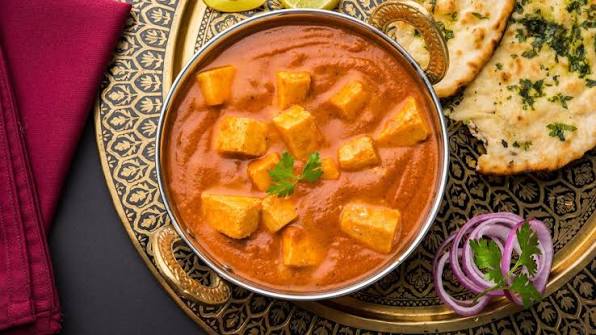
Paneer is one of the most versatile ingredients in Indian cuisine. This fresh, mild cheese can be grilled, sautéed, simmered in creamy sauces, cooked with spinach, combined with peas, stuffed into breads, or seasoned with aromatic spices. For vegetarian diners, paneer provides a satisfying source of richness and texture while absorbing the flavors of the sauces and spices around it.
For anyone searching for the best paneer dishes in Downtown Brooklyn, the neighborhood and its surrounding areas offer plenty of opportunities to explore Indian vegetarian cooking. You may find familiar favorites such as paneer tikka masala and palak paneer, but Indian menus can go far beyond those classics. Shahi paneer, matar paneer, kadai paneer, paneer butter masala, chilli paneer, malai paneer, and regional paneer preparations each offer a different experience.
One of the most appealing aspects of paneer is that it works across different styles of Indian cooking. A restaurant can marinate and grill it in a tandoor, simmer it in a tomato-based curry, cook it with spinach, combine it with peas, or serve it as part of a vegetarian platter.
That versatility makes paneer an excellent starting point for anyone interested in Indian food.
Why Downtown Brooklyn Has Great Indian Restaurants
Downtown Brooklyn is surrounded by a diverse collection of neighborhoods and restaurants, making it a convenient area for exploring Indian cuisine. Its location, transportation connections, and multicultural dining scene create an environment where diners can find different styles of Indian food within a relatively compact part of Brooklyn.
For paneer lovers, this variety is particularly useful because different restaurants may approach the same ingredient in completely different ways.
A Diverse Indian Food Scene
Indian cuisine is not one single culinary tradition. It includes numerous regional cuisines, cooking methods, spice combinations, and vegetarian traditions.
A North Indian restaurant may feature paneer in rich gravies, tandoori preparations, and creamy dishes. A restaurant with a broader South Asian menu may offer Indo-Chinese paneer dishes or vegetarian combinations. Other restaurants may emphasize regional cooking and use paneer alongside distinctive spices and ingredients.
This diversity means diners can compare several interpretations of the same ingredient.
Paneer tikka from one restaurant may be smoky and heavily charred, while another version might emphasize a creamy marinade. Paneer curry can range from rich and buttery to tomato-forward, spicy, or relatively light.
Paneer Fits Naturally Into Vegetarian Indian Cuisine
Vegetarian food is an important part of Indian culinary culture, and paneer plays a major role in many vegetarian menus.
Unlike some meat substitutes, paneer isn’t intended to imitate meat. It has its own mild flavor and firm texture. That allows it to absorb marinades and sauces while maintaining its shape during cooking.
This makes paneer particularly versatile.
A grilled paneer tikka can provide smoky, charred flavors. Palak paneer combines paneer with spinach and spices. Matar paneer pairs it with peas in a flavorful gravy. Shahi paneer uses a richer, creamier sauce.
The same basic ingredient can therefore produce dramatically different meals.
Indian Restaurants Offer Different Paneer Experiences
Another reason Downtown Brooklyn is interesting for paneer lovers is that you don’t have to stop at one style.
For a casual meal, paneer can appear as an appetizer or a vegetarian curry. For a group dinner, it can be paired with naan, basmati rice, dal, vegetables, and other Indian dishes. For a special occasion, grilled paneer or a richer paneer preparation can become part of a more elaborate meal.
This makes paneer suitable for almost any dining occasion.
It also means that first-time Indian-food diners can choose dishes based on their preferences. Someone who enjoys creamy sauces might start with paneer butter masala or shahi paneer. Someone who prefers smoky flavors might enjoy paneer tikka. Diners who enjoy vegetables can try palak paneer or matar paneer.
A Strong Choice for Vegetarians
Paneer is particularly valuable for vegetarian diners because it can turn a vegetable-focused meal into something substantial.
A plate of paneer paired with naan and a vegetable side can be satisfying without meat. Add dal, rice, raita, or a salad, and the meal becomes even more complete.
Indian cuisine also provides plenty of other vegetarian dishes that pair naturally with paneer. Chana masala, dal makhani, aloo gobi, vegetable biryani, samosas, dosas, and various breads can all be combined to create a diverse vegetarian meal.
For groups with mixed dietary preferences, paneer can also make ordering easier because it gives vegetarian diners a substantial main option alongside meat and seafood dishes.
Paneer Showcases Indian Spices
Paneer itself has a mild flavor. This is actually one of its biggest strengths.
Because it doesn’t overpower the seasoning, paneer allows diners to experience the spices and sauces used by the chef. Depending on the dish, you may taste cumin, coriander, turmeric, garam masala, cardamom, fenugreek, chili, ginger, garlic, or other aromatic ingredients.
This makes paneer an excellent ingredient for learning about Indian flavors.
If you’re new to Indian food, trying several paneer preparations can help you understand how dramatically spices and cooking techniques can change the same ingredient.
Downtown Brooklyn Makes It Easy to Explore
Downtown Brooklyn’s proximity to neighborhoods such as Brooklyn Heights, Boerum Hill, Cobble Hill, Fort Greene, and Prospect Heights gives Indian-food enthusiasts additional restaurants to explore.
You can start with a paneer appetizer, visit another restaurant for a different curry, or build an entire vegetarian Indian meal around several dishes.
The best approach is not necessarily to search for one restaurant with the largest paneer menu. Instead, look at how each restaurant prepares paneer and what regional or culinary style it represents.
What Makes a Great Paneer Dish?
When exploring paneer in Downtown Brooklyn, look for several things.
The paneer should generally have a pleasant texture—not excessively rubbery or dry. In grilled preparations, it should have some char without becoming burnt. In curries, it should remain tender enough to absorb the sauce while maintaining its structure.
The sauce should complement the paneer rather than completely overwhelm it.
Fresh spices, balanced seasoning, quality ingredients, and appropriate cooking techniques all contribute to the final dish.
And remember that there is no single definition of the “perfect” paneer dish. Some diners prefer rich and creamy sauces, while others enjoy smoky grilled paneer or spicy preparations.
That’s what makes exploring paneer around Downtown Brooklyn so enjoyable.
From classic palak paneer and paneer tikka to rich North Indian gravies and modern interpretations, paneer provides an easy way to discover the depth and variety of Indian vegetarian cuisine.
Top Indian Restaurants for Paneer Dishes in Downtown Brooklyn
Paneer is one of the easiest ways to explore the vegetarian side of Indian cuisine, but not every restaurant prepares it in the same way. Some restaurants focus on classic North Indian gravies, while others emphasize tandoori cooking, modern Indian flavors, or broader regional menus.
Around Downtown Brooklyn, several restaurants currently offer paneer dishes that make them worth considering for a vegetarian Indian-food outing. Here are some of the places to explore when searching for the best paneer dishes in the area.
Kashi Indian Cuisine & Bar
Located at 286 Livingston Street, Kashi Indian Cuisine & Bar focuses on contemporary North Indian cuisine, with influences from traditional North Indian cooking. Its menu includes both Paneer Butter Masala and Saag Paneer, making it a useful destination for diners who want to compare two very different paneer preparations.
Paneer Butter Masala is suited to diners who enjoy a richer, creamy tomato-based curry, while Saag Paneer pairs the cheese with spinach and aromatic spices. Kashi also offers a weekday vegetarian lunch special that includes a choice of Paneer Butter Masala or Saag Paneer, along with dal, butter naan, basmati rice, raita, and dessert for $19.99.
What to try: Paneer Butter Masala, Saag Paneer
Approx. cost: $19.99 for the current weekday vegetarian lunch special; dinner prices vary
Area: Livingston Street, Downtown Brooklyn
Kashi is particularly interesting if you want paneer to be part of a complete North Indian dining experience rather than ordering the cheese as a standalone dish.
Asya
Asya, located at 46 Henry Street in Downtown Brooklyn, has a particularly useful selection for paneer lovers because its current menu includes both Paneer Tikka and Saag Paneer, as well as Paneer Bhurjee. The restaurant lists Paneer Tikka at $9, while its vegetarian entrées—including Saag Paneer and Paneer Bhurjee—are currently $12.
Paneer Tikka is the grilled option, with marinated paneer cooked in the tandoor. Saag Paneer combines paneer with fresh spinach, while Paneer Bhurjee takes a different approach by using shredded paneer cooked with tomatoes, onions, and peppers.
What to try: Paneer Tikka, Saag Paneer, Paneer Bhurjee
Approx. cost: $9–$12 based on the current menu
Area: Henry Street, Downtown Brooklyn
For someone trying paneer for the first time, Asya offers an interesting opportunity to compare grilled, spinach-based, and sautéed preparations in one restaurant.
Curry Heights
Curry Heights, at 151 Remsen Street, is another established Indian restaurant serving the Downtown Brooklyn and Brooklyn Heights area. Its current delivery menu lists Saag Paneer at $16 and Paneer Makhani at $16, providing two classic North Indian-style options.
Saag Paneer is a natural choice if you enjoy spinach and savory spices, while Paneer Makhani is better suited to diners who prefer a richer, creamy tomato-based preparation. Curry Heights also lists paneer naan among its breads, giving diners another way to incorporate paneer into the meal.
What to try: Saag Paneer, Paneer Makhani, Paneer Naan
Approx. cost: Around $16 for the listed paneer entrées
Area: Remsen Street, Downtown Brooklyn / Brooklyn Heights
The restaurant can work particularly well for groups because paneer can be ordered alongside naan, rice, dal, vegetable dishes, and non-vegetarian entrées.
Mint Heights
Mint Heights has locations on Henry Street and Myrtle Avenue and describes its cuisine as modern Indian cooking that combines traditional recipes with seasonal New York produce. Its official website specifically highlights paneer tikka among its tandoori specialties.
The restaurant also highlights coastal curries, biryanis, shareable plates, vegan and gluten-free options, and a setting designed for dates, family dinners, and group celebrations.
What to try: Paneer Tikka, Palak Paneer, Paneer Makhani
Approx. cost: Varies by location and current menu
Area: Henry Street / Brooklyn Heights and Myrtle Avenue / Fort Greene
Mint Heights is especially worth considering if you’re interested in a more modern presentation of Indian food rather than a strictly traditional restaurant setting.
Indian Table
Indian Table, located at 234 Court Street, is a little beyond the immediate Downtown Brooklyn core but can be an interesting addition to a broader Indian-food itinerary. The restaurant is known for its Goan and Indian-Portuguese culinary focus rather than simply following a standard North Indian restaurant format.
For paneer lovers, Indian Table is useful as a comparison point: instead of visiting several restaurants that all approach paneer in essentially the same North Indian style, you can explore a restaurant with a distinct regional identity and then compare its vegetarian offerings with classic paneer dishes elsewhere.
What to try: Check the current vegetarian menu for paneer and regional specialties
Approx. cost: Mid-range to upscale, depending on selections
Area: Court Street / Cobble Hill
The restaurant is particularly interesting for diners who want to expand their understanding of Indian cuisine beyond familiar dishes.
How to Choose the Right Paneer Restaurant
The best restaurant for you may depend on which type of paneer you prefer.
If you want grilled paneer, look for Paneer Tikka. Asya currently lists it as a tandoor-marinated appetizer, while Mint Heights also highlights paneer tikka among its tandoori specialties.
If you prefer creamy curries, Paneer Butter Masala or Paneer Makhani are natural choices. Kashi and Curry Heights both currently list versions of these dishes.
If you prefer greens and earthy flavors, Saag Paneer is widely available. Kashi, Asya, and Curry Heights currently list it on their menus.
And if you want something different, Paneer Bhurjee offers a less gravy-heavy experience. Asya’s current menu describes it as shredded paneer cooked with tomatoes, onions, and peppers.
Try More Than One Style
One of the best ways to appreciate paneer is to avoid ordering the same preparation every time.
Start with Paneer Tikka to experience the smoky side of the ingredient. On another visit, try Saag Paneer to see how paneer works with spinach and spices. Then explore Paneer Butter Masala or Paneer Makhani for a richer curry experience.
This approach shows why paneer is such an important part of Indian vegetarian cuisine. The cheese itself has a relatively mild flavor, allowing the cooking method, spices, vegetables, and sauces to completely transform the final dish.
Whether you’re looking for an affordable vegetarian lunch, a casual Indian dinner, or a more polished dining experience, Downtown Brooklyn and its surrounding neighborhoods offer several ways to explore paneer.
The key is to choose the preparation that matches your taste—and then try another one on your next visit.
Best Neighborhoods or Areas for Indian Food
If you’re searching for the best paneer dishes in Downtown Brooklyn, don’t limit your search to a single street or restaurant. Downtown Brooklyn is surrounded by several neighborhoods with Indian restaurants, and each area can offer a slightly different dining experience.
For paneer lovers, this is especially useful because Indian restaurants don’t all prepare paneer in the same way. One neighborhood may offer classic North Indian curries, another may have South Indian vegetarian specialties, while another may provide a more modern or regional approach to Indian cooking.
Here are the areas worth exploring when planning a paneer-focused Indian food tour.
1. Downtown Brooklyn
Best for: Convenience, variety, and North and South Indian options
Downtown Brooklyn is the natural starting point for a paneer food tour.
The neighborhood has several Indian restaurants within easy reach of major transportation and commercial areas. Kashi Indian Cuisine & Bar on Livingston Street offers North Indian cooking, while Filter Kaapi and Brooklyn Curry Project at 383 Bridge Street bring South Indian cuisine into the Downtown Brooklyn dining scene. Current local listings identify both restaurants at the same Bridge Street address.
For paneer lovers, Downtown Brooklyn is particularly useful because you can compare different styles of Indian cooking without traveling far.
A North Indian restaurant may offer paneer in rich gravies such as Saag Paneer or Paneer Butter Masala, while South Indian restaurants provide a chance to explore vegetarian dishes based around rice, lentils, dosa, idli, and other specialties.
Why visit: It offers the most convenient starting point for exploring Indian cuisine around the area.
2. Brooklyn Heights
Best for: Classic Indian restaurants and convenient vegetarian dining
Brooklyn Heights sits directly beside Downtown Brooklyn and is another important area for Indian food.
Two notable restaurants are Curry Heights on Remsen Street and Mint Heights on Henry Street. Current local information identifies both as Indian restaurants with substantial vegetarian selections.
This neighborhood works well if paneer is your primary goal because classic Indian vegetarian dishes are easy to combine with naan, rice, dal, and vegetable preparations.
Brooklyn Heights is also convenient for visitors exploring the Brooklyn Heights Promenade, Brooklyn Bridge Park, and nearby attractions. You can easily combine sightseeing with an Indian lunch or dinner.
Why visit: A convenient neighborhood for traditional Indian meals and paneer-based vegetarian dishes.
3. Livingston Street and Boerum Hill
Best for: Contemporary and upscale Indian dining
The Livingston Street corridor connects naturally with Downtown Brooklyn and Boerum Hill, making it a useful area for a more polished Indian meal.
Kashi Indian Cuisine & Bar at 286 Livingston Street is particularly relevant for paneer lovers. The restaurant focuses on modern North Indian cuisine influenced by Awadhi, Mughlai, and Punjabi traditions, with dishes such as Saag Paneer and Paneer Butter Masala appearing on its menu.
This area is a good choice when you want paneer as part of a more complete dining experience rather than simply grabbing a quick vegetarian meal.
You can start with a paneer appetizer, move to a paneer curry, and add naan, rice, dal, or other Indian dishes for the table.
Why visit: Ideal for a more refined Indian dinner and classic North Indian paneer preparations.
4. Court Street and Cobble Hill
Best for: Regional Indian cuisine
Court Street and Cobble Hill provide another direction for Indian-food exploration.
Indian Table at 234 Court Street offers a regional approach to Indian cooking, giving diners an opportunity to explore flavors beyond the standard North Indian restaurant format. The area also includes Tera Mera at 272 Court Street. Current local listings place both restaurants along Court Street.
For paneer enthusiasts, the value of this neighborhood is variety. Instead of visiting several restaurants with nearly identical menus, you can use Court Street as an opportunity to explore regional Indian food and then compare those flavors with classic paneer preparations in Downtown Brooklyn.
Why visit: Good for diners who want to explore Indian cuisine beyond familiar butter chicken, naan, and standard curry combinations.
5. Fort Greene
Best for: South Indian food and vegetarian specialties
Fort Greene is another useful neighborhood to include in a broader Indian-food itinerary.
Mint Heights on Myrtle Avenue provides an Indian dining option in the Fort Greene area, while DOSA ROYALE on Lafayette Avenue offers a dedicated South Indian restaurant experience.
South Indian cuisine is particularly valuable for vegetarian diners because rice, lentils, vegetables, fermented batters, coconut, and chutneys play such important roles.
While paneer may not be the central ingredient of South Indian cuisine, exploring Fort Greene gives you an opportunity to put paneer dishes into a broader vegetarian Indian-food context.
Why visit: Excellent for combining paneer-focused dining with South Indian vegetarian dishes.
6. Atlantic Avenue and Boerum Hill
Best for: Casual Indian dining and a broader food tour
The Atlantic Avenue area provides another convenient connection between Downtown Brooklyn and nearby neighborhoods.
Restaurants such as Masala Grill give diners another Indian-food option when exploring the broader Downtown Brooklyn and Boerum Hill area.
This part of Brooklyn is useful if you’re planning a longer food tour rather than visiting one restaurant. You can explore an Indian restaurant for a paneer dish, continue walking through the neighborhood, and later stop for another regional specialty.
The advantage is flexibility. You’re not limited to one particular style of Indian cooking.
Why visit: Useful for casual dining and extending an Indian-food itinerary beyond Downtown Brooklyn.
7. Prospect Heights
Best for: Expanding your Indian restaurant choices
If you’re willing to travel farther from Downtown Brooklyn, Prospect Heights provides another worthwhile area for Indian food.
The Vanderbilt Avenue corridor includes restaurants such as OMAR’S INDIAN FINE CUISINE and Mumbai Place. Current local listings place both restaurants on Vanderbilt Avenue.
Prospect Heights is particularly useful if you’ve already explored Downtown Brooklyn and Brooklyn Heights and want to compare additional Indian restaurants.
The broader neighborhood also gives vegetarian diners more opportunities to explore paneer, lentils, vegetable curries, biryani, breads, and other Indian specialties.
Why visit: Good for a wider Brooklyn Indian-food tour and comparing different restaurant styles.
8. Smith Street and the Surrounding Area
Best for: Casual Indian meals and neighborhood exploration
Smith Street and the surrounding Boerum Hill/Cobble Hill area are another useful extension of the Downtown Brooklyn Indian-food search.
Dastaan Indian Kitchen at 115 Smith Street is one of the Indian restaurants in this broader area.
This part of Brooklyn works well when you want to explore Indian food alongside the neighborhood’s wider restaurant scene. It can be especially appealing for diners who don’t want their entire outing centered around a single commercial district.
For paneer lovers, check the current menu before visiting and look for grilled paneer, paneer curries, or other vegetarian specialties.
Why visit: A useful extension of the Downtown Brooklyn and Court Street Indian-food circuit.
How to Choose the Right Neighborhood
The best neighborhood depends on what you want from your paneer experience.
For convenience: Start in Downtown Brooklyn.
For classic Indian vegetarian dishes: Explore Brooklyn Heights.
For North Indian paneer curries: Look around Downtown Brooklyn and the Livingston Street/Boerum Hill area.
For regional Indian cuisine: Explore Court Street and Cobble Hill.
For South Indian vegetarian food: Add Fort Greene and Downtown Brooklyn to your itinerary.
For a larger Indian-food tour: Continue toward Prospect Heights and nearby Brooklyn neighborhoods.
Build a Paneer-Focused Food Tour
A paneer food tour doesn’t have to mean ordering paneer at every stop.
Instead, use different neighborhoods to explore different sides of Indian cuisine.
You might begin in Downtown Brooklyn with a classic paneer curry, continue toward Brooklyn Heights for another vegetarian preparation, and then explore Court Street for regional Indian flavors.
On another visit, you could combine a paneer dish with South Indian food in Fort Greene or expand toward Prospect Heights for additional Indian restaurants.
This approach helps you understand why paneer is such a versatile ingredient. The cheese itself is relatively mild, but its character changes dramatically depending on whether it is grilled, sautéed, cooked with spinach, simmered in a tomato-based sauce, or paired with different spices.
Downtown Brooklyn’s location makes this kind of exploration particularly practical. Rather than searching for one restaurant that represents all of Indian cuisine, explore several nearby neighborhoods and discover how different chefs use the same ingredient in completely different ways.
Popular Indian Dishes People Should Try
Paneer is one of the most versatile ingredients in Indian cuisine, and there are dozens of ways to prepare it. The same fresh cheese can be grilled over high heat, simmered in a creamy curry, cooked with spinach, paired with peas, or tossed with peppers and onions.
If you’re exploring the best paneer dishes in Downtown Brooklyn, trying different preparations is the easiest way to understand how much variety this ingredient offers.
Here are some of the most popular paneer dishes to look for on Indian restaurant menus.
Paneer Tikka
Paneer tikka is one of the best choices for diners who enjoy smoky, grilled flavors.
Chunks of paneer are traditionally marinated with yogurt, spices, ginger, garlic, and other seasonings before being cooked in a tandoor or another high-heat cooking method. Bell peppers and onions are often cooked alongside the paneer.
The high heat gives the outside of the paneer some char while keeping the interior relatively soft.
Paneer tikka works especially well as an appetizer. It can be served with mint chutney, sliced onions, lemon, or other accompaniments.
Best for: Smoky flavors, appetizers, sharing.
Palak Paneer
Palak paneer combines paneer with spinach and aromatic Indian spices.
The spinach is cooked and blended or finely prepared into a savory green sauce before the paneer is added. The result is a dish with an earthy, mildly rich flavor and a vibrant green appearance.
Palak paneer is particularly popular among vegetarian diners because the spinach provides a substantial vegetable component while paneer adds richness and texture.
It pairs naturally with naan, roti, or basmati rice.
Best for: Spinach lovers and diners who prefer savory rather than very sweet sauces.
Saag Paneer
Saag paneer is closely related to palak paneer, but the terms aren’t always interchangeable.
Palak specifically refers to spinach, while saag can refer to leafy greens more broadly. Depending on the restaurant and regional tradition, saag paneer may use spinach alone or a combination of greens.
The result can have a deeper, more complex flavor than a simple spinach-based sauce.
When ordering, it’s worth asking the restaurant what greens are used if you’re interested in trying the regional distinction.
Best for: Earthy flavors and leafy greens.
Paneer Butter Masala
Paneer butter masala is a popular choice for diners who enjoy creamy, mildly sweet, tomato-based curries.
The sauce typically combines tomatoes, butter, cream or another rich ingredient, and aromatic spices. Paneer is then simmered in the sauce so that it absorbs some of the flavor.
Compared with some spicy paneer dishes, paneer butter masala is often relatively mild and creamy.
It is an approachable choice for someone trying Indian food for the first time.
Best for: Creamy sauces and mild-to-moderate spice.
Paneer Makhani
Paneer makhani is another rich paneer curry built around a tomato-based sauce.
The word “makhani” refers to a buttery style of preparation. Depending on the restaurant, the sauce can include butter, cream, tomatoes, and aromatic spices.
The dish is particularly enjoyable with naan because the bread can soak up the rich sauce.
Paneer makhani and paneer butter masala can appear very similar on restaurant menus, and recipes vary, so don’t be surprised if the distinction isn’t consistent from one restaurant to another.
Best for: Rich, buttery tomato-based curries.
Matar Paneer
Matar paneer combines paneer with green peas in a spiced gravy.
The peas add sweetness and texture, while the paneer provides the creamy, substantial component. The sauce can be tomato-based, onion-based, or a combination depending on the restaurant.
Matar paneer is a classic vegetarian comfort food and can be particularly satisfying with roti, naan, or rice.
Best for: Diners who enjoy peas and hearty vegetarian curries.
Kadai Paneer
Kadai paneer is known for its bold, aromatic flavor.
Paneer is cooked with bell peppers, onions, tomatoes, and a distinctive combination of spices often associated with kadai cooking. The dish can have a stronger spice character than creamy paneer curries.
The peppers and onions also provide texture, giving the dish more variety than a smooth gravy.
If you prefer savory and spicy flavors over creamy sauces, kadai paneer is worth trying.
Best for: Bold spices, peppers, and a more robust flavor profile.
Shahi Paneer
Shahi paneer has a richer and more luxurious style.
The word “shahi” is associated with royal cooking traditions, and the dish is often prepared with a creamy sauce containing ingredients such as nuts, cream, aromatic spices, and sometimes saffron.
The sauce tends to be rich and smooth rather than intensely spicy.
Because it is a heavier preparation, shahi paneer pairs well with lighter sides such as fresh salad or simple roti.
Best for: Rich, creamy, aromatic flavors.
Paneer Bhurji
Paneer bhurji takes a completely different approach.
Instead of serving large cubes of paneer in a curry, the cheese is crumbled or shredded and cooked with onions, tomatoes, peppers, and spices.
The texture is softer and more scrambled than traditional paneer curries.
Paneer bhurji can work particularly well for breakfast, lunch, or a casual vegetarian meal and can be served with roti, paratha, or bread.
Best for: Casual dining and diners who prefer a less gravy-heavy paneer dish.
Chilli Paneer
Chilli paneer belongs to the popular Indo-Chinese side of Indian cuisine.
Crispy or sautéed pieces of paneer are combined with bell peppers, onions, chilies, and a savory sauce. The dish can be dry or served with more sauce depending on the preparation.
It has a very different flavor profile from traditional North Indian paneer curries, making it an interesting choice if you want something spicy, savory, and slightly tangy.
Best for: Spicy flavors and Indo-Chinese cuisine.
Malai Paneer
Malai paneer emphasizes a creamy, mild flavor.
The paneer may be marinated with cream, yogurt, aromatic spices, and other ingredients before being grilled or cooked.
Compared with heavily spiced paneer dishes, malai paneer tends to be softer and more delicate.
It can be a good choice for diners who don’t enjoy intense chili heat but still want a flavorful paneer appetizer.
Best for: Mild spice and creamy flavors.
Paneer Tikka Masala
Paneer tikka masala combines two popular concepts: grilled paneer tikka and a rich curry sauce.
The paneer is first marinated and grilled before being added to a spiced tomato-based gravy.
The smoky char from the paneer gives the sauce additional depth.
For diners who can’t decide between a grilled appetizer and a curry, paneer tikka masala offers a little of both.
Best for: Smoky flavors combined with a rich curry.
Paneer Do Pyaza
Paneer do pyaza is an onion-focused paneer preparation.
“Do pyaza” generally refers to a dish in which onions play a particularly important role, often appearing in different forms or at different stages of cooking.
The result can have a savory, slightly sweet onion character alongside tomatoes, spices, and paneer.
This is a good option for diners who enjoy the flavor of caramelized or sautéed onions.
Best for: Onion lovers and savory flavors.
Paneer Kofta
Paneer kofta takes paneer into a more elaborate format.
Paneer is incorporated into dumplings or balls, which are then served in a rich gravy. Depending on the restaurant, the kofta can contain additional ingredients such as potatoes, nuts, vegetables, or spices.
Because the dish combines a rich sauce with a substantial dumpling, paneer kofta is generally more indulgent than grilled paneer.
Best for: Special occasions and rich vegetarian meals.
Paneer Naan and Paneer-Stuffed Breads
Paneer doesn’t always have to be the main curry.
Some Indian restaurants use paneer as a filling for naan, paratha, or other Indian breads. The cheese can be combined with herbs, spices, onions, or vegetables.
Paneer-stuffed bread is particularly useful for a casual vegetarian meal and can be paired with yogurt, chutney, dal, or a vegetable curry.
Best for: Casual meals and bread lovers.
Paneer Biryani
Paneer can also appear in biryani.
Instead of meat, paneer is layered with fragrant basmati rice, spices, herbs, and vegetables. The preparation varies widely by restaurant.
Paneer biryani can be a filling vegetarian main course and is particularly useful for groups where some diners want rice while others prefer curry.
Best for: Rice lovers and complete vegetarian meals.
Which Paneer Dish Should You Try First?
If you’re new to paneer, your first choice can depend on the flavors you already enjoy.
For smoky flavors: Try Paneer Tikka.
For spinach: Try Palak Paneer or Saag Paneer.
For creamy sauces: Try Paneer Butter Masala or Paneer Makhani.
For peas: Try Matar Paneer.
For bold spices: Try Kadai Paneer.
For mild and rich flavors: Try Shahi Paneer or Malai Paneer.
For something different: Try Paneer Bhurji or Chilli Paneer.
For a complete vegetarian meal: Try Paneer Biryani or Paneer Kofta.
Pairing Paneer With Indian Breads and Rice
The right side can make a paneer dish even more enjoyable.
Creamy curries pair naturally with naan, garlic naan, roti, or basmati rice. Rich sauces can also work well with jeera rice.
Grilled Paneer Tikka is often better suited to chutneys and a light salad, although it can easily become part of a larger meal.
For a group, consider ordering several different paneer preparations and sharing them with naan and rice. This allows everyone to experience the contrast between grilled paneer, leafy-green curries, tomato-based gravies, and spiced preparations.
Ultimately, there is no single “best” paneer dish for every diner. The ingredient’s versatility is what makes it so interesting. By trying different cooking techniques and sauces, you can discover how dramatically Indian chefs can transform the same simple cheese into completely different dishes.
Vegetarian and Vegan Indian Food Options
Paneer may be one of the most popular vegetarian ingredients in Indian cuisine, but it is only one part of a much larger vegetarian food tradition. Indian cooking offers an impressive range of dishes based on vegetables, lentils, beans, chickpeas, rice, grains, spices, and fresh herbs.
For vegetarian diners exploring Downtown Brooklyn, this variety makes it possible to build an entire meal without meat. Vegan diners can also find plenty of possibilities, although they need to pay closer attention to dairy ingredients such as paneer, yogurt, butter, ghee, and cream.
Paneer Is Vegetarian, but Not Vegan
The first distinction is important.
Paneer is made from milk, so paneer dishes are vegetarian but not vegan.
That includes popular dishes such as:
- Paneer Tikka
- Palak Paneer
- Saag Paneer
- Paneer Butter Masala
- Matar Paneer
- Kadai Paneer
- Shahi Paneer
- Paneer Makhani
- Paneer Bhurji
Vegetarians can enjoy these dishes freely, but vegan diners need to choose alternatives or ask whether the restaurant offers a plant-based substitute.
Chana Masala
Chana masala is one of the most useful vegetarian dishes to know when exploring Indian cuisine.
The dish centers around chickpeas cooked with tomatoes, onions, ginger, garlic, and aromatic spices. Depending on the recipe, it can be relatively dry or served with a flavorful gravy.
Chana masala is often naturally vegan, although preparation methods vary.
It pairs beautifully with rice, roti, naan, or other Indian breads and provides a satisfying alternative to paneer-based curries.
Dal
Dal is another essential part of vegetarian Indian dining.
Different varieties of lentils and legumes can be cooked with spices, tomatoes, onions, garlic, ginger, and herbs to create dishes ranging from light and soupy to thick and creamy.
Some dal preparations are naturally vegan, while others may contain butter or ghee.
When ordering, vegan diners should ask whether the dal has been finished with ghee or butter.
Aloo Gobi
Aloo gobi combines potatoes and cauliflower with Indian spices.
It is a classic vegetarian dish that can range from relatively dry to lightly sauced depending on the restaurant.
The combination of soft potatoes, tender cauliflower, turmeric, cumin, coriander, and other spices makes it a flavorful side dish or light vegetarian main.
Because it doesn’t require paneer or dairy, many versions can be vegan, although preparation should still be confirmed.
Baingan Bharta
Baingan bharta is made with roasted or grilled eggplant that is mashed and cooked with onions, tomatoes, chilies, and spices.
The roasting process gives the eggplant a smoky flavor that makes this dish particularly distinctive.
For diners who enjoy vegetables with deeper roasted flavors, baingan bharta can be an excellent alternative to creamy paneer curries.
Many versions are naturally vegan, but ask whether butter or ghee has been added.
Vegetable Biryani
Vegetable biryani provides a hearty rice-based option for vegetarian diners.
Basmati rice is cooked with vegetables, herbs, and aromatic spices. Depending on the restaurant, the dish may include potatoes, carrots, peas, beans, cauliflower, or other vegetables.
Vegetable biryani can work as a complete meal or be shared alongside curries and appetizers.
Vegan diners should confirm whether the rice has been cooked with butter or ghee.
Samosas
Vegetable samosas are another easy vegetarian choice.
The crispy pastry is usually filled with potatoes, peas, and spices. They can be served as an appetizer, snack, or part of a larger Indian meal.
Vegetarian diners can enjoy them with mint or tamarind chutney.
For vegan diners, the filling is often suitable, but it is worth asking about the pastry and frying oil if strict avoidance of animal products is important.
Pakoras
Pakoras are vegetables coated in a seasoned chickpea-flour batter and fried until crisp.
Common varieties include onion, potato, spinach, cauliflower, and mixed vegetables.
Because chickpea flour is naturally plant-based, many pakoras are vegan, although recipes and frying practices vary.
They make a good starter when you want something crispy and savory rather than another curry.
Dosa
Dosa is one of the most useful vegetarian foods to explore outside the paneer category.
This South Indian specialty is made from a fermented rice-and-lentil batter and cooked into a thin, crisp crepe.
Plain dosa is typically served with sambar and chutney. Other varieties can contain potatoes, vegetables, paneer, cheese, or butter.
For vegan diners, plain dosa can be an excellent choice, but ask whether the restaurant cooks it with butter or ghee.
Idli
Idli consists of soft, steamed cakes made from fermented rice and lentil batter.
It is naturally vegetarian and often served with sambar and coconut chutney.
The texture is completely different from paneer dishes, making it a useful addition to a vegetarian Indian food tour.
Vegan diners should check the ingredients of the accompanying chutneys and sambar.
Chole Bhature
Chole bhature combines spicy chickpea curry with fried bread.
The chickpea portion can be vegetarian and often vegan, but the bhature may contain dairy depending on the recipe.
This is a heavier meal than chana masala with roti, so it works particularly well when you’re hungry and want something substantial.
Vegetable Korma
Vegetable korma is another vegetarian option, but it requires more attention from vegan diners.
The dish commonly features vegetables cooked in a rich, creamy sauce that can contain yogurt, cream, nuts, or other ingredients.
Vegetarians can enjoy it as a rich alternative to paneer curries.
Vegans should ask specifically about dairy and request a suitable alternative if available.
Indian Breads
Indian breads can make a vegetarian meal much more satisfying.
Options may include:
- Roti
- Tandoori roti
- Naan
- Garlic naan
- Paratha
- Stuffed vegetable paratha
However, breads are an important category for vegan diners to double-check.
Naan frequently contains dairy ingredients such as yogurt, milk, or butter. Roti made without dairy may be easier to fit into a vegan meal, but recipes vary.
South Indian Vegetarian Meals
South Indian cuisine provides another excellent route for vegetarian dining.
A meal featuring dosa, idli, vada, sambar, coconut chutney, vegetable curry, and rice can provide a wide range of flavors without meat.
These dishes also demonstrate how different Indian vegetarian cooking can be from North Indian paneer-based cuisine.
For someone exploring Indian food in Downtown Brooklyn, combining a paneer dinner with a South Indian meal on another visit can provide a much broader understanding of Indian vegetarian cuisine.
Vegan Indian Food: What to Ask
If you’re vegan, don’t assume that a dish is dairy-free simply because it contains vegetables.
Ask whether the dish contains:
- Milk
- Yogurt
- Paneer
- Butter
- Ghee
- Cream
- Cheese
- Dairy-based sauces
Also ask how the dish is cooked.
A vegetable curry may appear vegan but be finished with butter or ghee. A naan may contain yogurt even though the main dish is completely plant-based.
Build a Balanced Vegetarian Meal
A great vegetarian Indian meal doesn’t need to consist entirely of paneer.
Try combining different textures and flavors.
For example:
Starter: Vegetable samosa or pakora
Main: Saag paneer or chana masala
Side: Dal or aloo gobi
Bread: Roti or naan
Rice: Jeera rice or vegetable biryani
Accompaniment: Raita, chutney, or salad
For a vegan meal, replace dairy-based dishes with chana masala, dal prepared without ghee, vegetable curries, baingan bharta, dosa, or other confirmed plant-based options.
Don’t Be Afraid to Explore Beyond Paneer
Paneer is an excellent introduction to Indian vegetarian food, but stopping there means missing much of what Indian cuisine has to offer.
The combination of lentils, chickpeas, vegetables, grains, fermented foods, spices, and herbs creates an enormous range of vegetarian dishes.
For Downtown Brooklyn diners, this makes Indian cuisine particularly useful for groups with different dietary preferences. One person can enjoy paneer tikka, another can order chana masala, and a vegan diner can choose vegetable curry or dosa.
The key is to ask questions, understand the ingredients, and explore different regional cooking traditions.
Whether you’re vegetarian, vegan, or simply trying to eat more plant-based meals, Indian cuisine offers far more possibilities than a menu section labeled “vegetarian.” Paneer is only the beginning of the journey.
Budget-Friendly Indian Restaurants
You don’t need a large budget to enjoy paneer and vegetarian Indian food in Downtown Brooklyn. In fact, paneer can be one of the easiest ingredients to build an affordable Indian meal around. A single paneer appetizer, curry, or vegetarian lunch special can provide plenty of flavor, especially when paired with rice or bread and shared with friends.
Prices vary between restaurants and can change over time, but current menus show several options in and around Downtown Brooklyn that can work well for budget-conscious diners.
Asya
Asya, located at 46 Henry Street in Downtown Brooklyn, is one of the more accessible options for diners who want to try several paneer and vegetarian dishes without committing to a large dinner bill.
Its current menu lists Paneer Tikka at $9 and Paneer Bhurjee at $12. Other vegetarian dishes, including Aloo Papri, Bhel Puri, Ragda Chaat, Aloo Gobi, Chana Masala, and Bhindi Masala, are also listed at relatively approachable prices.
This makes Asya particularly useful if you’re dining with someone and want to share several small plates. You could order Paneer Tikka as an appetizer and add a vegetarian curry or chaat rather than ordering two expensive entrées.
Budget picks: Paneer Tikka, Paneer Bhurjee, Bhel Puri, Aloo Papri
Approx. paneer price: $9–$12 based on the current menu
Area: Downtown Brooklyn
Kashi Indian Cuisine & Bar
Kashi offers one of the clearest value options for a complete paneer-focused meal.
Its current weekday vegetarian lunch special is $19.99 and includes a choice of Ragda Chaat or vegetable samosa, Paneer Butter Masala or Saag Paneer, Dal Makhani or Dal Tadka, butter naan, basmati rice, boondi raita, and a dessert. The special is available Monday through Friday from 11 AM to 3 PM.
For someone who wants more than just a paneer appetizer, this can be a practical way to experience several parts of a traditional Indian meal at one set price.
Budget pick: Weekday vegetarian lunch special
Approx. cost: $19.99
Area: Livingston Street, Downtown Brooklyn
The combination is particularly useful for first-time diners because it includes both a chaat-style starter and a paneer entrée.
Curry Heights
Curry Heights is another option for affordable Indian dining around Downtown Brooklyn and Brooklyn Heights.
Its current menu lists Saag Paneer at $16, while appetizers such as samosas are listed at $6 and Aloo Tikki with chana at $7. Paneer Naan is listed at $5.
That gives diners several ways to control the total cost. A vegetarian diner could order Saag Paneer with rice or bread, while two people could share an appetizer and one or two main dishes.
Budget picks: Saag Paneer, Aloo Tikki, Samosa, Paneer Naan
Approx. paneer entrée price: $16
Area: Remsen Street / Brooklyn Heights
Choose Paneer as a Shared Main Dish
One of the easiest ways to reduce the cost of Indian dining is to share.
Indian curries are naturally suited to this approach. Instead of ordering one paneer entrée per person, two diners can share one paneer curry with rice or naan and add one vegetable or lentil dish.
For example, a table could order:
- One Paneer Butter Masala
- One Dal or Chana Masala
- Garlic naan or roti
- Basmati or jeera rice
This gives two people several different flavors without requiring two separate paneer entrées.
It also creates a more traditional Indian dining experience because curries, breads, rice, and side dishes are often meant to be enjoyed together.
Look for Lunch Specials
Lunch specials are particularly useful for budget-conscious diners.
Kashi’s current $19.99 vegetarian lunch combination demonstrates why. Instead of paying separately for a paneer curry, dal, rice, naan, appetizer, raita, and dessert, diners receive all of these components in one set meal.
If you’re working in Downtown Brooklyn, a weekday lunch can therefore be an opportunity to enjoy a complete paneer meal without paying dinner prices.
Always check the restaurant’s current schedule before visiting because lunch specials can be limited to certain days and hours.
Start With a Paneer Appetizer
If you aren’t very hungry, you don’t necessarily need to order a full paneer curry.
A smaller paneer appetizer can give you the flavor you want while keeping the bill lower.
Asya’s current menu, for example, lists Paneer Tikka at $9.
A grilled paneer appetizer can also be paired with a simple bread or vegetable side if you want a light meal.
This is particularly useful for diners who plan to explore several restaurants during an Indian-food tour.
Combine Paneer With Affordable Vegetarian Sides
Paneer doesn’t have to carry the entire meal.
Vegetarian Indian restaurants often offer inexpensive dishes based on lentils, chickpeas, potatoes, cauliflower, spinach, and other vegetables.
Adding a dal or vegetable dish to one paneer curry can provide more variety without dramatically increasing the total cost.
For example, Asya currently lists Chana Masala, Aloo Gobi, Bhindi Masala, and other vegetarian dishes at $12.
This makes it possible to create a diverse vegetarian meal rather than spending the entire budget on paneer.
Don’t Forget Indian Breads
Bread can be one of the most economical ways to make a paneer meal more filling.
Naan, roti, paratha, and other Indian breads can be shared at the table and used to scoop up paneer curries.
At Curry Heights, the current menu lists naan at $4, garlic naan at $5, and paneer naan at $5.
A simple naan with one shared paneer curry can therefore be a practical choice for a casual meal.
Consider Takeout or Pickup
Takeout can also make budget planning easier.
You can order exactly the dishes you want, share them at home, and avoid some of the additional spending that can come with a sit-down meal.
For paneer curries, takeout generally works well because sauces travel better than delicate fried appetizers. Rice and naan can also be ordered separately and combined at home.
If you’re ordering through a delivery platform, however, remember that delivery and service fees can increase the final cost. Pickup may make more sense for a small order.
A Sample Budget Paneer Meal for Two
For two diners, a practical strategy could be:
Option 1 — Casual:
Paneer Tikka + one vegetarian side + naan
Option 2 — Shared dinner:
One paneer curry + dal + naan + rice
Option 3 — Lunch:
Kashi’s current $19.99 vegetarian lunch special
Option 4 — Small plates:
Paneer Tikka + Bhel Puri + Aloo Papri
The exact total will depend on current prices, drinks, tax, and tip, but these approaches demonstrate how you can explore Indian vegetarian flavors without ordering a full entrée for every person.
Budget Doesn’t Mean Sacrificing Variety
One advantage of Indian food is that a relatively small number of dishes can create a surprisingly diverse meal.
Paneer provides richness and protein, dal adds lentils and earthy spices, vegetables bring freshness, rice provides a neutral base, and naan adds texture.
Instead of spending your entire budget on one elaborate dish, consider ordering several moderately priced items and sharing them.
This is particularly effective for paneer because the ingredient changes so much depending on how it is prepared. A grilled Paneer Tikka and a spinach-based Saag Paneer can feel like two completely different foods even though both use the same cheese.
What Should Budget Diners Prioritize?
If your main goal is trying paneer for the first time, look for an affordable Paneer Tikka appetizer.
If you want a complete meal, a lunch special such as Kashi’s current vegetarian combination can provide several courses in one price.
If you want to share with friends, order one paneer curry with rice and bread and add an inexpensive vegetable or lentil dish.
And if you’re exploring multiple Indian restaurants, smaller paneer appetizers can let you compare different cooking styles without committing to a large meal at every stop.
Downtown Brooklyn’s Indian food scene provides enough variety to make paneer accessible at different budgets. Whether you’re looking for a quick $9 appetizer, a moderately priced curry, or a complete vegetarian lunch, planning around shared dishes and current specials can make your paneer adventure both affordable and satisfying.
Fine Dining Indian Restaurants
Paneer is often associated with casual Indian restaurants and everyday vegetarian meals, but the ingredient can also become part of a more refined dining experience. In an upscale setting, paneer may be presented as a carefully prepared appetizer, incorporated into a sophisticated curry, or paired with regional Indian flavors and modern presentation.
For diners searching for the best paneer dishes in Downtown Brooklyn, fine dining offers a different perspective on this familiar ingredient. Instead of simply ordering a paneer curry with naan, you can explore chef-driven preparations, regional influences, cocktails, carefully designed menus, and a more relaxed sit-down experience.
Kashi Indian Cuisine & Bar
Kashi Indian Cuisine & Bar at 286 Livingston Street is the most clearly positioned fine-dining option for a paneer-focused experience in Downtown Brooklyn. OpenTable currently categorizes Kashi as Fine Dining, lists a typical price range of $31–$50, and identifies it as suitable for special occasions and business meals.
Kashi describes its cuisine as a modern expression of North Indian cooking, drawing on Awadhi, Mughlai, and Punjabi traditions. Its official site highlights slow-cooked biryanis, char-grilled kebabs, curries, and street-food-inspired dishes.
For paneer lovers, the restaurant is particularly interesting because its menu includes Paneer Butter Masala and Saag Paneer. Its weekday vegetarian lunch special also includes a choice between these two paneer dishes, along with dal, butter naan, basmati rice, raita, an appetizer, and dessert for $19.99.
Kashi also offers a more elaborate paneer appetizer, Paratwala Paneer Tikka, which OpenTable describes as layered cottage cheese served with mint-cilantro pesto, mango, and chili.
What to try: Paratwala Paneer Tikka, Paneer Butter Masala, Saag Paneer
Typical dining price: $31–$50 for the restaurant’s listed fine-dining range; weekday vegetarian lunch special currently $19.99
Area: Livingston Street / Downtown Brooklyn
Why Kashi Works for a Special Occasion
The appeal of Kashi isn’t simply the paneer. It is the opportunity to experience paneer within a broader North Indian dining concept.
The restaurant’s official profile emphasizes the culinary background of Chef Hakikat Dhawan and his experience with North Indian cuisine, while the restaurant describes its approach as combining traditional heritage with contemporary dining.
That makes paneer a natural starting point for a longer meal.
A special-occasion dinner could begin with paneer tikka, continue with a paneer curry or another vegetarian entrée, and include naan, rice, dal, and additional dishes for the table.
The restaurant also has a bar with Indian-inspired cocktails and offers a dining environment designed for occasions ranging from dates to business meals and celebrations.
Indian Table
Indian Table on Court Street is another restaurant worth considering when you want a more distinctive Indian dining experience near Downtown Brooklyn.
Rather than presenting itself simply as a conventional North Indian restaurant, Indian Table has a strong Goan and Indian-Portuguese influence. That regional identity makes it useful for diners who want to explore Indian cuisine beyond the familiar paneer butter masala and palak paneer format.
For paneer enthusiasts, the value of visiting a restaurant like Indian Table is the opportunity to compare classic paneer preparations with other regional Indian flavors.
What to try: Check the current vegetarian menu for paneer preparations and regional specialties
Dining style: More regional and polished Indian dining
Area: Court Street / Cobble Hill
If your goal is specifically to sample several different paneer curries, a restaurant with a larger North Indian menu may provide more choices. If your goal is to broaden your understanding of Indian cuisine, however, exploring a regional restaurant can be equally rewarding.
Mint Heights
Mint Heights is another option for diners looking for a polished Indian restaurant experience around the broader Downtown Brooklyn area. Its Myrtle Avenue location in Fort Greene is currently listed as an Indian restaurant, while the restaurant’s concept focuses on modern Indian cooking.
Mint Heights has highlighted paneer tikka among its tandoori specialties, making grilled paneer one of the dishes worth investigating when visiting.
The restaurant can be particularly appealing for diners who want Indian food in a more contemporary setting rather than a strictly traditional casual restaurant.
What to try: Paneer Tikka and current vegetarian specialties
Dining style: Modern Indian
Area: Fort Greene / Myrtle Avenue
Because menus can change, check the current menu if you’re visiting specifically for a particular paneer dish.
Curry Heights
Curry Heights at 151 Remsen Street provides another sit-down Indian dining option in the Downtown Brooklyn and Brooklyn Heights area. Current business listings identify it as an Indian restaurant, and its menu includes paneer-based vegetarian dishes.
While it is better described as a traditional Indian restaurant than as formal fine dining, it can still work for diners who want a comfortable sit-down meal centered around paneer.
Its broader menu makes it practical for groups. One diner can order Saag Paneer while others choose tandoori dishes, biryani, dal, or other Indian specialties.
What to try: Saag Paneer and other current paneer entrées
Dining style: Traditional sit-down Indian dining
Area: Remsen Street / Brooklyn Heights
What Makes a Paneer Dish Feel More Refined?
Fine dining isn’t simply about putting paneer on a decorative plate.
A more refined paneer dish can demonstrate greater attention to several elements:
Texture: Paneer should retain a pleasant texture rather than becoming excessively rubbery or dry.
Seasoning: Spices should provide depth without overwhelming the cheese.
Sauce: A curry should complement the paneer instead of hiding its texture completely.
Presentation: The dish can use thoughtful garnishes, accompaniments, and plating without sacrificing the traditional character of the food.
Regional identity: A dish becomes more interesting when its preparation reflects a specific Indian culinary tradition.
Balance: Rich paneer dishes benefit from contrasting elements such as herbs, acidity, spice, or fresh vegetables.
These qualities can turn a familiar vegetarian ingredient into a more memorable restaurant experience.
Paneer for a Date Night
Paneer can be an excellent choice for a date-night Indian dinner because it works particularly well as a shared appetizer.
A plate of grilled paneer tikka can be divided easily between two people, while a paneer curry can be shared with naan and rice.
You can also balance a rich paneer dish with lighter vegetarian preparations, dal, salads, or vegetable dishes.
At a restaurant such as Kashi, the broader setting adds another dimension to the meal, with a bar and contemporary North Indian menu providing options beyond the paneer itself.
Paneer for Business Dinners
Indian cuisine can also work well for business meals because sharing is naturally built into the dining format.
Rather than everyone ordering identical individual plates, a group can choose several dishes for the table.
A paneer appetizer, two vegetarian curries, a dal, naan, rice, and a few non-vegetarian dishes can give everyone something to enjoy.
This approach also makes paneer a useful centerpiece for mixed groups because vegetarian diners can have substantial options while other guests explore meat and seafood dishes.
Don’t Confuse Upscale With Authentic
A more expensive restaurant isn’t automatically more authentic.
A casual Indian restaurant can prepare an excellent traditional paneer dish, while an upscale restaurant may reinterpret the same dish for a modern audience.
For diners interested in authenticity, look at the ingredients, preparation methods, regional influences, and balance of flavors rather than simply choosing the most expensive restaurant.
This is particularly important with paneer because the ingredient is used across many different Indian cuisines.
A Good Way to Explore Paneer at an Upscale Restaurant
If you’re visiting an upscale Indian restaurant for the first time, avoid ordering several dishes that are almost identical.
Instead, create contrast.
Start with Paneer Tikka for smoky, grilled flavors. Then choose Saag Paneer for leafy, earthy notes or Paneer Butter Masala for a richer tomato-based curry.
Add naan or roti, a rice dish, and one lighter vegetable or lentil preparation.
This gives you a much better understanding of how the same ingredient can change through different cooking techniques.
Making a Special Occasion More Vegetarian-Friendly
Fine dining doesn’t have to mean sacrificing variety for vegetarian diners.
Indian cuisine makes it relatively easy to create a complete vegetarian table.
A meal could include paneer tikka, a paneer curry, dal, vegetable kebabs, naan, rice, and a vegetable preparation. Vegan guests can often find suitable dishes as well, although dairy ingredients such as butter, cream, yogurt, and ghee should be confirmed with the restaurant.
When dining with a mixed group, mention dietary requirements when making the reservation or ordering so the restaurant can explain which dishes are suitable.
The Downtown Brooklyn Fine-Dining Paneer Experience
For diners specifically seeking an elevated paneer experience, Kashi provides the clearest fine-dining option in the immediate Downtown Brooklyn area, with its fine-dining classification, North Indian menu, bar program, and paneer preparations.
Nearby restaurants such as Indian Table, Mint Heights, and Curry Heights provide additional ways to explore Indian vegetarian cuisine, although their dining styles and culinary focuses differ.
Ultimately, fine dining is one way to experience paneer—not the only way.
The real appeal is seeing how a simple fresh cheese can become a smoky tandoori appetizer, a creamy curry, a spinach-based dish, or a modern chef-driven creation. Whether you’re celebrating a special occasion, planning a date night, or simply want a more polished Indian meal, Downtown Brooklyn and its surrounding neighborhoods provide several opportunities to experience paneer in different settings.
Paneer Takeout and Delivery Tips
Paneer is one of the more delivery-friendly Indian foods. Unlike crispy chaat or delicate fried snacks, most paneer curries, grilled paneer dishes, rice preparations, and breads can travel reasonably well when packaged properly.
That makes paneer a convenient choice for Downtown Brooklyn residents, office workers, families, and anyone who wants an Indian meal at home without sacrificing too much quality. Restaurants such as Asya and Curry Heights currently offer takeout and delivery options, while Kashi provides its own ordering and restaurant services.
Still, a few simple ordering decisions can make a major difference.
Choose the Right Paneer Dish for Delivery
Not every paneer dish travels equally well.
Creamy curries such as Paneer Butter Masala, Paneer Makhani, Saag Paneer, and Matar Paneer are generally good choices for takeout. The sauce helps keep the paneer moist, and the dish can be reheated gently if necessary.
Paneer Tikka can also travel well, although its texture is best when eaten soon after preparation. The longer grilled paneer sits inside a closed container, the more steam can soften its exterior.
Paneer bhurji and other sautéed preparations are also practical choices for takeout.
Paneer Curries Are Excellent Takeout Options
One of the biggest advantages of ordering paneer curry at home is that the sauce usually holds up well during transportation.
A properly packed curry can remain flavorful and aromatic after a short delivery journey. When it arrives, you can pair it with freshly warmed naan, roti, or rice.
Curry Heights, for example, currently offers Saag Paneer and Paneer Makhani through its delivery menu, along with rice, breads, and other Indian dishes.
This makes it easy to create a complete vegetarian meal without ordering every component separately.
Keep Naan Separate From the Curry
Naan is best when it retains some of its texture.
If bread is packed directly alongside a hot curry container, steam can accumulate and make the naan softer than intended.
When possible, keep naan in its own container or paper packaging.
Once the food arrives, open the bread container to release steam and warm the naan briefly if necessary.
Garlic naan, plain naan, roti, and other breads can all work well with paneer curries.
Reheat Paneer Gently
If your paneer curry arrives cooler than you prefer, avoid aggressively boiling it.
High heat can cause the sauce to separate and can make paneer firmer or chewier.
Instead, warm the curry gradually over low or medium heat. Stir gently and add a small amount of water if the sauce has thickened significantly.
Microwave reheating can also work, but short intervals are preferable to one long heating cycle.
The goal is to warm the food without continuing to cook the paneer.
Don’t Overheat Paneer Tikka
Grilled paneer requires slightly different treatment.
Paneer tikka is best when it has a lightly charred exterior and a tender center. Excessive reheating can make the cheese dry or rubbery.
If reheating is necessary, use a short period in an oven, toaster oven, or air fryer rather than leaving it in high heat for an extended period.
You can also enjoy paneer tikka at room temperature if it is intended as an appetizer and the food has been handled safely.
Order Chutneys and Accompaniments Separately
If your paneer dish comes with chutney, salad, lemon, onions, or other fresh accompaniments, keep those components separate until you’re ready to eat.
This is particularly important for paneer tikka.
Mint chutney and fresh onions can provide a bright contrast to smoky grilled paneer, but they shouldn’t sit on top of the hot paneer throughout the delivery journey.
Adding them immediately before eating helps preserve their freshness.
Add Rice or Bread to Complete the Meal
A paneer curry alone can be satisfying, but pairing it with rice or bread makes the meal more complete.
Good combinations include:
- Paneer Butter Masala + garlic naan
- Saag Paneer + basmati rice
- Matar Paneer + roti
- Paneer Makhani + naan
- Kadai Paneer + jeera rice
- Paneer Tikka + naan and chutney
- Paneer Bhurji + paratha
For a group, order two different paneer preparations and share them with rice and bread.
Consider Pickup for Grilled Paneer
If you’re close to the restaurant, pickup can be particularly useful for Paneer Tikka.
A shorter journey means less time for condensation to build inside the container.
Asya, for example, currently lists Paneer Tikka as a tandoor-marinated appetizer and offers both delivery and takeout.
If you live or work nearby, picking it up and eating it soon after can help preserve the grilled texture.
Delivery Is Convenient for Curries
For creamy paneer curries, delivery is usually a practical choice.
The sauce helps protect the paneer from drying out, and dishes such as Saag Paneer or Paneer Makhani can often be reheated gently without dramatically changing their character.
Curry Heights currently offers both delivery and pickup, and its delivery menu includes Saag Paneer and other vegetarian dishes.
This makes curry-based paneer dishes particularly useful when you’re ordering dinner for home or the office.
Check the Final Delivery Price
A restaurant’s menu price isn’t always the same as the amount you ultimately pay for delivery.
Delivery platforms can add service charges, delivery fees, taxes, or other costs. Prices can also differ between pickup and delivery.
If you’re ordering a single paneer dish, pickup may be more economical if you’re nearby. For a larger family or group order, delivery charges may represent a smaller percentage of the total.
Compare the final checkout price before placing the order.
Order Directly When Practical
Some restaurants provide their own ordering systems in addition to third-party delivery platforms.
Kashi’s official website provides information about its menu, restaurant, and catering services, while Asya’s current restaurant listing identifies both delivery and takeout options.
If you’re ordering regularly from the same restaurant, checking its own ordering options can be worthwhile.
Paneer for Office Lunch
Paneer is particularly convenient for office meals because it doesn’t require complicated assembly.
A good office order could include:
- One paneer curry
- One vegetable dish
- Dal
- Basmati rice
- Naan or roti
- Salad or raita
For a small team, two or three curries can be shared rather than ordering an individual entrée for everyone.
If you’re ordering for vegetarians and non-vegetarians together, paneer provides an easy vegetarian centerpiece while other guests can select chicken, lamb, seafood, or other dishes.
Family-Style Paneer Delivery
For a family meal, consider ordering several dishes that complement one another rather than multiple versions of paneer.
For example:
Paneer: Paneer Butter Masala
Vegetable: Aloo Gobi
Lentil: Dal Tadka
Rice: Basmati or Jeera Rice
Bread: Garlic Naan
Fresh side: Salad or raita
This gives everyone a variety of flavors and textures.
If two paneer dishes are ordered, choose contrasting preparations—for example, Saag Paneer and Kadai Paneer rather than two similar creamy tomato-based curries.
Vegetarian and Vegan Delivery
Paneer is vegetarian but contains dairy, so vegan diners need to choose other dishes.
When ordering vegan Indian food, ask whether dishes contain:
- Paneer
- Yogurt
- Butter
- Ghee
- Cream
- Milk
- Cheese
Also ask whether naan or other breads contain dairy.
Curry Heights currently identifies vegan options among its dietary offerings, but individual dishes should still be confirmed when placing an order.
Watch for Cross-Contamination Concerns
For diners with allergies or strict dietary requirements, asking about preparation is important.
Paneer may be prepared on shared cooking surfaces or with ingredients that aren’t obvious from the menu description.
If you have a serious food allergy, tell the restaurant before ordering and ask about the ingredients and preparation process.
Don’t rely solely on an online menu description.
Store Leftovers Properly
One advantage of paneer curry is that it can make a convenient leftover meal.
If you don’t plan to eat everything immediately, refrigerate leftovers promptly in appropriate containers rather than leaving them at room temperature for an extended period.
When reheating, warm only the portion you intend to eat.
Rice should receive particular attention because cooked rice needs proper food-safety handling and refrigeration.
Best Paneer Dishes for Takeout
If you’re specifically ordering paneer for delivery, these are practical choices:
Best for delivery:
- Paneer Butter Masala
- Paneer Makhani
- Saag Paneer
- Matar Paneer
- Kadai Paneer
- Paneer Bhurji
Best for quick pickup:
- Paneer Tikka
- Malai Paneer
- Tandoori Paneer
Best for sharing:
- Paneer curry + dal + rice + naan
- Paneer Tikka + vegetable appetizers
- Two contrasting paneer curries + shared breads
The right choice ultimately depends on how far the food has to travel and how soon you plan to eat it.
A Simple Rule for Better Paneer Delivery
The most important rule is straightforward:
Choose dishes that match the journey.
If the restaurant is close and you can eat immediately, grilled Paneer Tikka can be an excellent choice.
If the food needs to travel farther, a saucy preparation such as Saag Paneer or Paneer Butter Masala may be more forgiving.
Keep breads and fresh accompaniments separate, reheat gently when necessary, and avoid overcooking the paneer.
With those simple steps, Downtown Brooklyn diners can enjoy a satisfying paneer meal at home without losing the flavors and textures that make Indian vegetarian cuisine so appealing.
How to Find Authentic Indian Food in Downtown Brooklyn
Finding authentic Indian food in Downtown Brooklyn is about looking beyond familiar menu items and restaurant marketing. Indian cuisine is incredibly diverse, and there is no single flavor, cooking style, or dish that can represent the entire country.
For diners searching for authentic paneer dishes, the best approach is to pay attention to regional influences, cooking techniques, ingredient quality, menu variety, and preparation style.
A restaurant does not become authentic simply because it serves naan, tikka masala, or curry. Instead, look for evidence that the kitchen understands the ingredients and traditions behind the food.
Look for Regional Indian Cooking
One of the strongest signs of a thoughtful Indian restaurant is a menu that reflects a particular region or several regional traditions.
North Indian cuisine may emphasize paneer, tandoori cooking, rich gravies, naan, kebabs, and slow-cooked dishes. South Indian restaurants may focus more heavily on rice, lentils, fermented batters, dosa, idli, sambar, and coconut-based flavors.
Other regions bring their own identities, including Gujarati, Bengali, Goan, Rajasthani, Punjabi, Hyderabadi, and Kerala cooking.
Downtown Brooklyn diners can see this regional approach in restaurants such as Kashi, whose official description specifically identifies North Indian influences including Awadhi, Mughlai, and Punjabi cuisine. Its menu combines traditional dishes with a modern presentation.
This doesn’t mean a restaurant needs to specialize in one region to be authentic. Rather, a clear culinary identity is often more informative than a menu that tries to represent every Indian dish imaginable.
Don’t Judge Authenticity by Spice Level
A common misconception is that authentic Indian food must be extremely spicy.
That’s not necessarily true.
Indian cuisine uses chilies as one part of a much larger flavor system that can include cumin, coriander, cardamom, cloves, cinnamon, turmeric, ginger, garlic, fenugreek, mustard seeds, curry leaves, black pepper, and many other ingredients.
Some dishes are hot and fiery. Others are mild, creamy, aromatic, tangy, earthy, or subtly spiced.
A well-prepared paneer dish should have balance rather than simply overwhelming heat.
If you’re new to Indian cuisine, ask your server about the restaurant’s preferred spice level rather than automatically assuming that extra-hot food is more authentic.
Look for a Diverse Vegetarian Menu
A strong vegetarian selection can be another useful indicator of culinary depth.
Paneer is only one part of Indian vegetarian cooking.
Look for menus that include several different categories such as:
- Dal preparations
- Chana masala
- Baingan bharta
- Aloo gobi
- Bhindi
- Paneer dishes
- Vegetable curries
- Regional rice dishes
- Dosas
- Idli
- Samosas
- Pakoras
- Indian breads
- Chaat
Curry Heights, for example, currently highlights vegetarian and vegan dishes including chana masala, baingan bharta, and palak paneer.
A menu with this kind of variety gives diners an opportunity to explore Indian food beyond the most familiar restaurant staples.
Try More Than One Paneer Dish
If you’re specifically searching for authentic paneer, don’t judge a restaurant from one dish alone.
Paneer can be prepared in dramatically different ways.
Try a grilled preparation such as Paneer Tikka to evaluate the texture and seasoning of the cheese.
Then try a gravy-based preparation such as Saag Paneer or Paneer Butter Masala to see how the restaurant handles sauces and spices.
You can also explore:
- Kadai Paneer
- Matar Paneer
- Paneer Bhurji
- Shahi Paneer
- Paneer Do Pyaza
- Paneer Kofta
- Malai Paneer
If each dish tastes like the same tomato-and-cream sauce with paneer added, the menu may be less regionally distinctive.
If the preparations have noticeably different flavors, textures, and cooking techniques, you’re getting a better opportunity to explore the range of Indian cuisine.
Pay Attention to Paneer Texture
Good paneer should generally have a pleasant, substantial texture without becoming excessively rubbery.
In grilled dishes, the outside may have charred or roasted notes while the interior remains relatively tender.
In curries, paneer should complement the sauce rather than disappear completely into it.
Texture can vary depending on preparation, and different restaurants may intentionally prefer softer or firmer paneer.
The important thing is that the cheese feels deliberately prepared rather than simply added to a sauce at the last moment.
Look for Traditional Cooking Techniques
Cooking technique can tell you a great deal about a dish.
Tandoori paneer should have the characteristic roasted qualities associated with high-heat cooking.
Slow-cooked curries should develop deeper flavors rather than tasting like a simple sauce poured over ingredients.
Biryani should have fragrant rice, carefully seasoned components, and a distinct aromatic character.
Dal should taste developed and seasoned rather than simply boiled lentils.
Indian cuisine relies heavily on technique, not just spice.
Restaurants that explain their cooking methods, regional inspiration, or culinary traditions can give diners a better understanding of what they’re ordering.
Don’t Assume Expensive Means Authentic
Price is not a reliable measure of authenticity.
A casual neighborhood restaurant can prepare excellent traditional food, while an upscale restaurant may reinterpret classic dishes using modern techniques.
Kashi is an interesting example because its official materials describe a modern interpretation of North Indian cuisine while emphasizing traditional regional influences and culinary heritage.
On the other hand, casual restaurants can provide straightforward versions of familiar Indian dishes without the formal atmosphere or higher prices associated with fine dining.
The goal should be to understand what style of food the restaurant is trying to serve, rather than deciding that expensive automatically means authentic.
Ask Questions About the Dish
One of the easiest ways to discover better Indian food is simply to ask.
If you’re unfamiliar with a dish, ask:
“What is this dish traditionally served with?”
“Is this from a particular region of India?”
“Is the paneer grilled or cooked directly in the sauce?”
“Is this dish traditionally spicy?”
“Does this contain dairy or ghee?”
Restaurant staff can often point you toward dishes that better match your interests.
This is especially useful if you want to explore something beyond the standard chicken tikka masala, naan, and rice combination.
Explore Beyond Chicken Tikka Masala
Chicken tikka masala is popular for a reason, but Indian cuisine extends far beyond it.
For a paneer-focused meal, consider starting with Paneer Tikka, followed by a regional curry and an Indian bread.
For a broader vegetarian experience, combine paneer with dal, a vegetable preparation, rice, and chutney.
You can also explore Indian street foods such as samosa chaat, papdi chaat, pani puri, or bhel puri.
Asya’s current menu, for example, includes paneer tikka along with dishes such as aloo papri, bhel puri, and ragda chaat, providing several ways to move beyond standard curry dishes.
Pay Attention to the Balance of Flavors
Authentic Indian cooking isn’t simply about adding lots of spices.
Good Indian food often creates layers of flavor.
You may notice:
- Sweetness from onions or certain sauces
- Tanginess from tomatoes, tamarind, lemon, or yogurt
- Heat from chilies
- Warmth from spices
- Earthiness from cumin or lentils
- Freshness from cilantro or mint
- Smokiness from tandoor cooking
A good paneer dish should have a relationship between the cheese, sauce, spices, and accompanying ingredients.
When one element dominates everything else, the dish may feel less balanced.
Consider the Bread and Rice
Don’t overlook the supporting dishes.
Naan, roti, paratha, basmati rice, and biryani can tell you more about a restaurant’s cooking style.
A good naan should complement the curry rather than overpower it.
Likewise, rice should be fragrant and properly cooked.
Curry Heights, for example, lists several freshly baked breads including naan, garlic naan, onion kulcha, and paneer naan.
Trying different breads alongside paneer can make the meal much more interesting.
Check How the Restaurant Describes Its Food
A restaurant’s own story can provide useful context.
Look for information about:
- Regional cuisine
- Family recipes
- Culinary traditions
- Chef background
- Traditional cooking techniques
- Ingredient sourcing
- Specific regional dishes
Kashi’s official story, for example, explains its connection to Varanasi and describes its North Indian culinary focus, while also detailing Chef Hakikat Dhawan’s professional background.
This kind of information doesn’t automatically prove authenticity, but it helps diners understand the restaurant’s culinary point of view.
Read Reviews for Specific Details
Online reviews can be useful when you know what to look for.
Instead of focusing only on overall star ratings, search reviews for comments about specific dishes.
Look for observations such as:
- “The paneer was tender.”
- “The tandoori flavor was smoky.”
- “The saag tasted fresh.”
- “The biryani was aromatic.”
- “The spice level was balanced.”
- “The naan was freshly baked.”
Specific comments about food are generally more useful than vague statements such as “great restaurant.”
At the same time, remember that taste is subjective. One person’s perfect spice level may be another person’s mild or extremely hot.
Authenticity Is About Context
Ultimately, there is no universal checklist that can declare one restaurant authentic and another inauthentic.
Indian cuisine has evolved across regions, families, generations, and communities. Restaurants in New York also adapt dishes to local diners while maintaining connections to Indian culinary traditions.
That means a modern Indian restaurant can still have genuine regional roots.
The most useful question is not simply:
“Is this authentic?”
Instead, ask:
“What Indian culinary tradition is this restaurant representing, and how well does it execute that style?”
For Downtown Brooklyn diners, this approach opens the door to a much broader experience.
Explore different regions. Try different paneer preparations. Ask questions. Sample vegetarian dishes. Pay attention to technique, balance, and ingredients.
Most importantly, don’t stop with the first familiar dish.
The best way to discover authentic Indian food is to keep exploring the enormous variety that Indian cuisine has to offer.
Final Guide to the Best Paneer Dishes in Downtown Brooklyn
Downtown Brooklyn offers plenty of opportunities to explore paneer beyond the familiar Indian restaurant staples. From smoky Paneer Tikka and creamy Paneer Butter Masala to Saag Paneer, Paneer Bhurji, Kadai Paneer, and other regional preparations, there is a wide range of flavors and textures to discover.
For vegetarians, paneer provides one of the easiest ways to enjoy a substantial Indian meal. For anyone new to Indian cuisine, it is also an approachable introduction to the country’s enormous vegetarian food tradition.
The key is knowing what to order and where to look.
Start With the Type of Paneer You Enjoy
If you prefer smoky and grilled flavors, begin with Paneer Tikka. Marinated paneer cooked at high heat can develop a lightly charred exterior while remaining tender inside.
For creamy and comforting flavors, try Paneer Butter Masala or Paneer Makhani.
If you enjoy greens and earthy flavors, Saag Paneer or Palak Paneer is a natural choice.
For something more intensely seasoned, Kadai Paneer can provide a stronger combination of peppers, onions, tomatoes, and spices.
And if you want something different from the typical cubed-paneer curry, Paneer Bhurji offers crumbled paneer cooked with vegetables and spices.
Explore Downtown Brooklyn’s Different Indian Food Areas
One of the advantages of exploring Downtown Brooklyn is that you don’t have to limit yourself to one restaurant or one style of Indian cooking.
Areas around Downtown Brooklyn, Brooklyn Heights, Boerum Hill, and nearby streets give diners opportunities to explore different menus and restaurant atmospheres.
A casual restaurant may be ideal for an affordable paneer lunch, while a more polished restaurant can provide a longer dining experience with appetizers, cocktails, breads, rice, and multiple courses.
Instead of looking for one universally “best” paneer dish, consider matching the restaurant to the kind of experience you want.
Choose Asya for a Casual Paneer Meal
For diners looking for a straightforward and relatively affordable introduction to paneer, Asya is worth considering.
Its menu includes Paneer Tikka, Saag Paneer, and Paneer Bhurjee, giving diners the opportunity to experience paneer in grilled, spinach-based, and crumbled preparations.
This variety makes it useful for first-time visitors who want to compare different paneer textures without committing to a large or expensive meal.
A meal built around Paneer Tikka, Saag Paneer, rice, and naan can also work well for sharing.
Consider Curry Heights for Classic Paneer Favorites
Curry Heights offers a broad selection of traditional Indian vegetarian dishes and several paneer preparations.
Depending on the current menu, diners can explore options such as Saag Paneer, Paneer Bhurji, Paneer Tikka Masala, Paneer Butter Masala, Paneer Makhani, Matar Paneer, and Karahi Paneer.
That variety is particularly useful when visiting with friends or family because everyone can choose a different style.
For a first visit, ordering one creamy paneer dish and one more boldly spiced preparation can provide a good contrast.
Choose Kashi for a More Polished Dining Experience
For diners looking for a more upscale setting, Kashi provides a modern interpretation of North Indian cuisine.
Its menu emphasizes North Indian culinary traditions, including Awadhi, Mughlai, and Punjabi influences, while presenting the food in a contemporary restaurant setting.
Paneer dishes such as Paneer Butter Masala and Saag Paneer can work well for diners who want familiar flavors in a more polished environment.
Kashi also offers a weekday vegetarian lunch special that includes a choice of Paneer Butter Masala or Saag Paneer along with dal, naan, rice, raita, and dessert.
This makes it an interesting option for someone who wants to experience several components of an Indian meal in one sitting.
Don’t Forget the Supporting Dishes
Paneer is rarely at its best when eaten alone.
The right bread, rice, chutney, and side dishes can dramatically improve the meal.
Try pairing:
- Paneer Tikka with mint chutney and naan
- Saag Paneer with basmati rice
- Paneer Butter Masala with garlic naan
- Kadai Paneer with roti
- Paneer Bhurji with paratha
- Paneer Makhani with basmati rice and raita
For a larger group, order multiple dishes and share them family-style.
Paneer Is Only the Beginning
Although this guide focuses on paneer, Downtown Brooklyn’s Indian food scene offers much more.
Once you’ve explored paneer, consider trying:
- Dal Makhani
- Chana Masala
- Baingan Bharta
- Aloo Gobi
- Bhindi Masala
- Vegetable Biryani
- Samosa Chaat
- Dosa
- Idli
- Tandoori vegetables
- Malai Kofta
- Indian breads and regional rice dishes
This broader exploration can help you understand how Indian vegetarian cuisine uses vegetables, lentils, grains, dairy, herbs, spices, and different cooking techniques.
Vegetarian Diners Have Plenty of Choices
Paneer is vegetarian, but it isn’t vegan because it is made from milk.
If you’re vegetarian, paneer provides an excellent source of variety across appetizers and main courses.
If you’re vegan, look beyond paneer toward dishes such as chana masala, vegetable curries, baingan bharta, certain dals, and other plant-based preparations. Always confirm whether a dish contains butter, cream, ghee, yogurt, or other dairy ingredients.
For diners with allergies or strict dietary requirements, it’s also worth asking about preparation methods and shared cooking surfaces.
Takeout Can Be a Great Option
Paneer curries are particularly convenient for takeout.
Creamy dishes such as Saag Paneer, Paneer Butter Masala, and Paneer Makhani generally travel better than delicate crispy foods.
For grilled Paneer Tikka, pickup can be preferable when you’re nearby because the shorter journey helps preserve its roasted texture.
Keep naan and fresh chutneys separate when possible, and reheat paneer gently rather than aggressively boiling the curry.
Don’t Judge Authenticity by Price
An expensive restaurant isn’t automatically more authentic, and an inexpensive restaurant isn’t automatically less authentic.
Indian cuisine includes home-style cooking, street food, regional specialties, casual restaurants, modern interpretations, and fine dining.
The better question is whether the restaurant has a clear culinary identity and whether its food demonstrates thoughtful use of ingredients, spices, technique, and regional traditions.
Trying different restaurants is one of the best ways to understand the diversity of Indian food.
The Best Way to Explore Paneer in Downtown Brooklyn
If you’re planning a paneer-focused food tour, consider spreading your exploration across several meals.
First visit: Try Paneer Tikka with naan.
Second visit: Order Saag Paneer with rice.
Third visit: Try Kadai Paneer or Paneer Bhurji.
Fourth visit: Experience Paneer Butter Masala or Paneer Makhani.
Special occasion: Explore a more polished North Indian dining experience.
This approach lets you compare different preparations instead of deciding what you like based on one dish.
Final Thoughts
The best paneer experience in Downtown Brooklyn depends on what you’re looking for.
You may want an inexpensive lunch, a casual vegetarian dinner, a family-style meal, a quick takeout order, or a more refined Indian dining experience. Fortunately, paneer fits naturally into all of these occasions.
Start with the classics, but don’t stop there.
Try paneer grilled in a tandoor. Explore spinach-based preparations. Sample creamy curries. Try crumbled paneer. Experiment with stronger spices and different breads. Then move beyond paneer and discover the wider world of Indian vegetarian cuisine.
Downtown Brooklyn gives Indian food lovers an opportunity to explore that variety without traveling across the country.
Whether you’re a lifelong fan of Indian food or ordering paneer for the first time, the best strategy is simple: explore different preparations, pay attention to regional influences, and order the dishes that match your preferred flavors and dining style.
With the right combination of paneer, bread, rice, chutneys, and complementary vegetarian dishes, a meal in Downtown Brooklyn can become much more than just dinner—it can be an introduction to the incredible diversity of Indian cuisine.